An air conditioning system is a complex machine, and many components work in unison to ensure that your home or business stays cool during hot weather. One of the most important components in this system is the fan motor.
Whether it’s the blower fan inside the unit or the condenser fan outside, the fan motor plays a key role in circulating air, ensuring proper heat exchange, and maintaining optimal efficiency. When a fan motor malfunctions, it can have a significant impact on the overall performance of the air conditioning system.
The Role of the Fan Motor in an Air Conditioning System
Before understanding how issues with the fan motor affect performance, it’s important to know what the fan motor does in an air conditioning system.
- Blower Fan (Indoor Fan): The blower fan is located inside the air handler or furnace unit. Its primary function is to circulate the cool air produced by the evaporator coil throughout the ducts and into your living space. A properly functioning blower fan ensures that cool air is distributed evenly throughout the home.
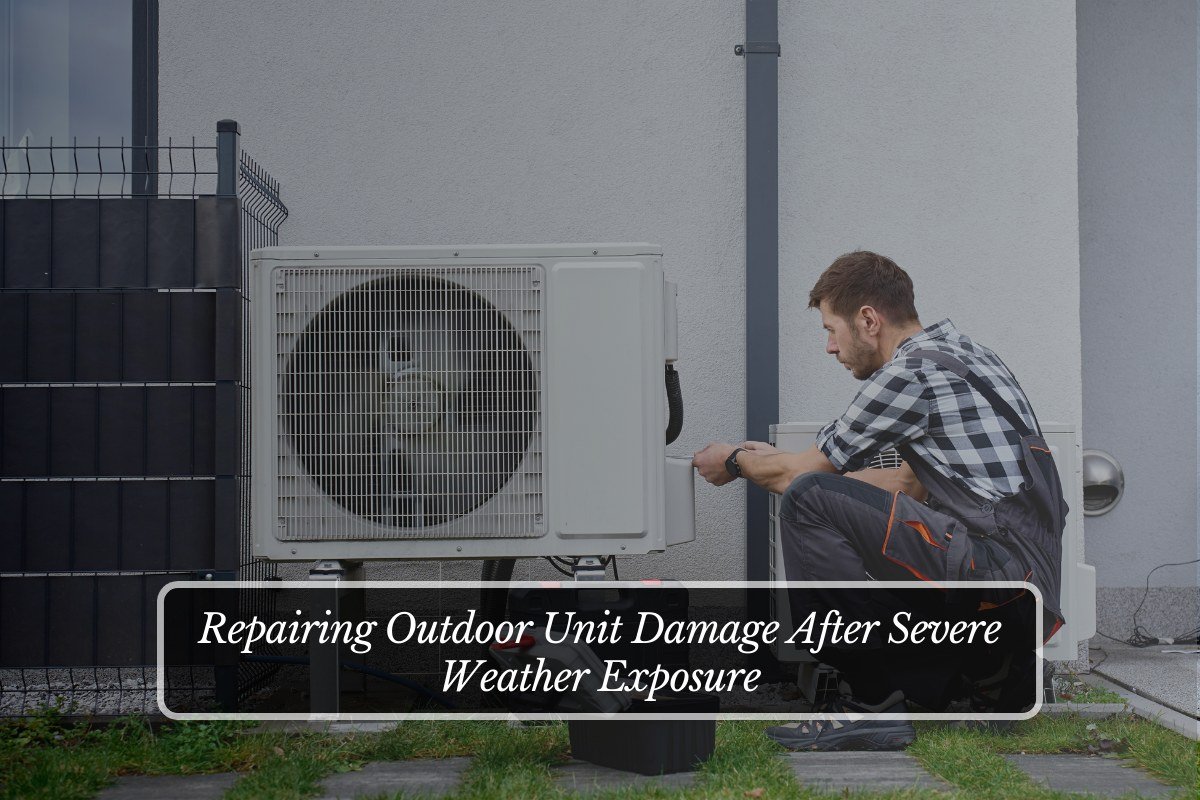
- Condenser Fan (Outdoor Fan): The condenser fan is located outside, usually near the condenser coil. It blows air across the condenser coil to help release the heat that is absorbed by the refrigerant inside the system. This is crucial for the heat exchange process, which helps cool the refrigerant before it enters the evaporator coil again.
Both fans rely on their respective fan motors to perform their tasks effectively. When one or both of these fan motors fail or experience issues, the air conditioning system’s performance can be compromised, leading to reduced cooling efficiency and higher energy consumption.
Common Fan Motor Issues and Their Impact
1. Reduced Airflow
One of the most noticeable signs of a malfunctioning fan motor is reduced airflow. If the blower fan inside the air handler or the condenser fan outside isn’t working properly, air circulation becomes inefficient. This can result in:
- Warm indoor temperatures: With less air being pushed through the evaporator coil, the air won’t cool down properly, leading to warmer indoor temperatures.
- Hot spots: Certain areas of the house may feel warmer than others due to uneven airflow.
If the fan motor is not running at full speed or is failing to turn the fan blades properly, the system can struggle to distribute cooled air, making it work harder and less efficiently.
2. Overheating and System Shutdown
Fan motors are critical for the air conditioning unit’s cooling process. If the motor starts to malfunction, it can lead to overheating of the system. Here’s how:
- Insufficient cooling of the compressor: The condenser fan helps cool the compressor. If the motor fails, the compressor may overheat, causing the entire system to shut down to protect itself from damage.
- Increased strain on other components: When the fan motor fails, the system compensates by running longer or harder. This additional strain can damage other parts, such as the compressor, evaporator coil, or capacitor.
Overheating and the risk of system shutdown can be both frustrating and costly, leading to expensive repairs or even the need for a complete replacement of the air conditioning unit.
3. Increased Energy Consumption
A failing fan motor can cause your air conditioning system to become inefficient, leading to higher energy consumption. For instance:
- Fan motor dragging: A motor that is worn out or not functioning at its peak efficiency will require more electricity to move the fan at the desired speed, causing higher energy usage.
- Constantly running system: If the fan motor is struggling to cool the air or push the air through the system, the air conditioner may run continuously, increasing energy costs.
Higher energy consumption means that your monthly utility bills will rise, making it more expensive to maintain the comfort of your home.
4. Frozen Coils
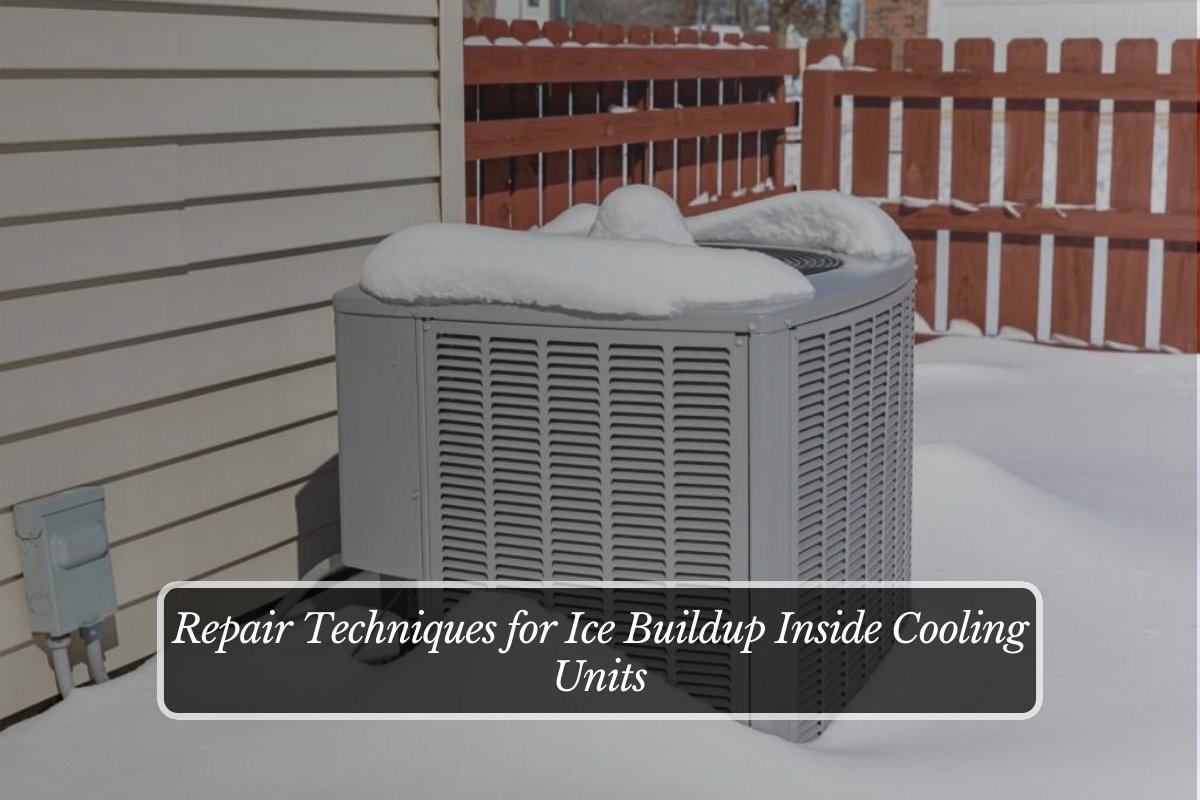
In some cases, a malfunctioning fan motor can lead to frozen evaporator coils. This happens when the blower fan is not moving enough air over the evaporator coil, causing the coil to get too cold and accumulate ice. As the ice builds up, it blocks the refrigerant’s ability to absorb heat and prevents proper cooling.
If you notice ice on the coils or your air conditioner isn’t blowing cold air, the fan motor could be to blame. A frozen coil can cause the system to freeze completely, leading to a complete breakdown and requiring professional repair.
5. Unusual Noises
A faulty fan motor can create several unusual noises, such as squealing, grinding, or rattling. These sounds can be a result of:
- Worn-out bearings: If the motor’s bearings are damaged or dry, it can cause friction, resulting in squealing or grinding noises.
- Loose fan blades: If the fan blades are loose or out of balance due to a malfunctioning motor, they can create a rattling sound.
These noises not only indicate that the fan motor is struggling, but they can also signal that further damage is occurring within the system.
How to Address Fan Motor Issues
If you’re experiencing any of the issues mentioned above, it’s important to address the fan motor problem as soon as possible to avoid further damage to the system. Here’s what you can do:
1. Regular Maintenance
Routine maintenance is one of the best ways to prevent fan motor issues. This includes:
- Lubricating the fan motor: Regular lubrication helps reduce friction and extend the life of the motor.
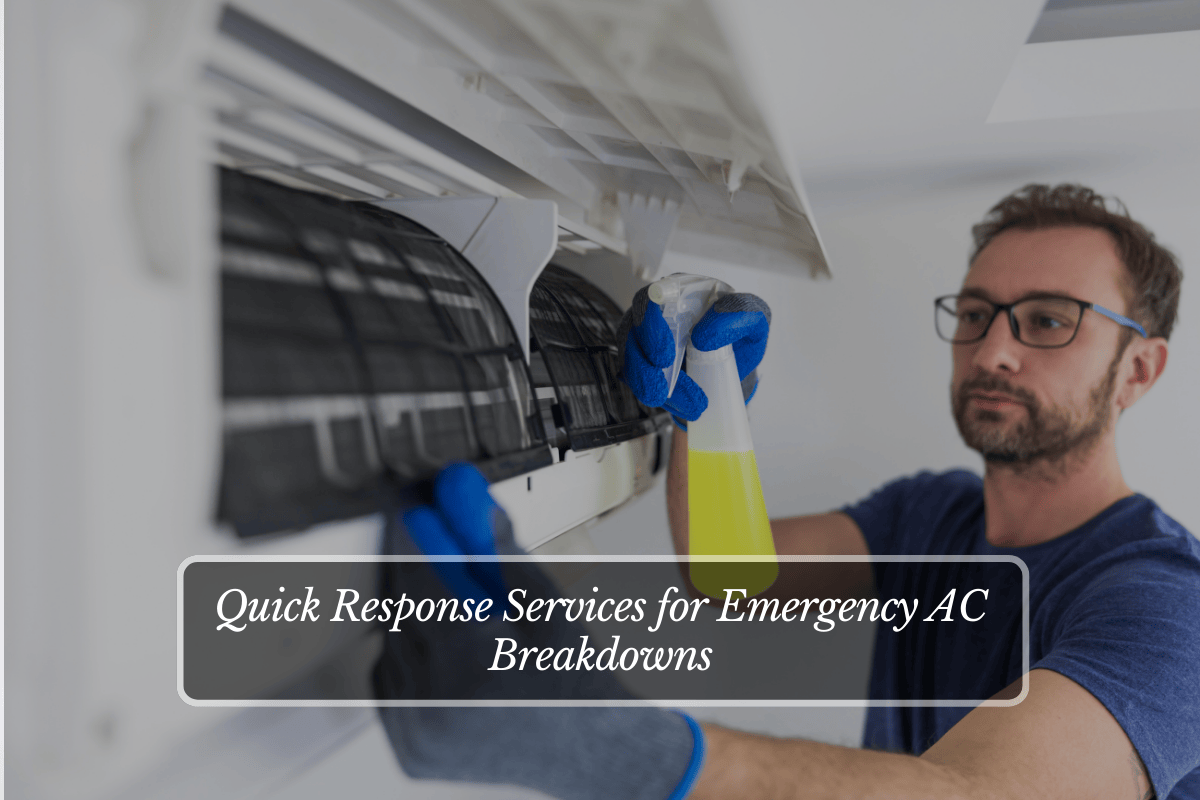
- Cleaning the fan and coils: Dirt and debris can interfere with fan motor performance. Cleaning the fan blades and coils ensures smooth airflow and efficient operation.
- Checking the motor’s health: A professional technician can inspect the motor for signs of wear and tear, such as overheating or unusual noises.
2. Replacing the Fan Motor
If the fan motor is damaged or worn beyond repair, it may need to be replaced. A certified technician can help determine whether the motor needs a simple repair or a full replacement.
3. Professional Diagnosis
If you’re unsure whether the fan motor is causing your air conditioning issues, it’s always best to consult a professional HVAC technician. They can diagnose the problem, inspect the motor and other system components, and provide the appropriate solution to restore your air conditioner’s performance.
The fan motor is a critical component of your air conditioning system, and any issues with it can have a profound effect on the system’s performance. From reduced airflow and higher energy costs to potential system shutdowns, fan motor issues can cause a range of problems that impact your comfort and your wallet.
Regular maintenance, quick troubleshooting, and professional repairs are key to ensuring that your air conditioner runs efficiently and effectively. Addressing fan motor problems early on will help keep your system in top condition, ensuring optimal performance and extending the lifespan of your air conditioner.
FAQs
How can I tell if my fan motor is the problem?
Signs that your fan motor may be the issue include reduced airflow, unusual noises, a lack of cold air, or the air conditioner running continuously.
Can a faulty fan motor cause my air conditioner to freeze?
Yes, if the fan motor isn’t circulating enough air over the evaporator coil, it can cause the coil to freeze, leading to poor cooling performance.
Why is my air conditioner making a loud noise?
A loud noise, such as squealing or grinding, may indicate that the fan motor’s bearings are worn or that the fan blades are loose or unbalanced.
Is regular maintenance necessary for the fan motor?
Yes, regular maintenance, including cleaning and lubrication, helps ensure the fan motor operates efficiently and prolongs the life of your air conditioning system.
Should I replace my fan motor myself?
It’s best to have a professional HVAC technician replace the fan motor. Attempting to replace it yourself could cause further damage or void warranties.