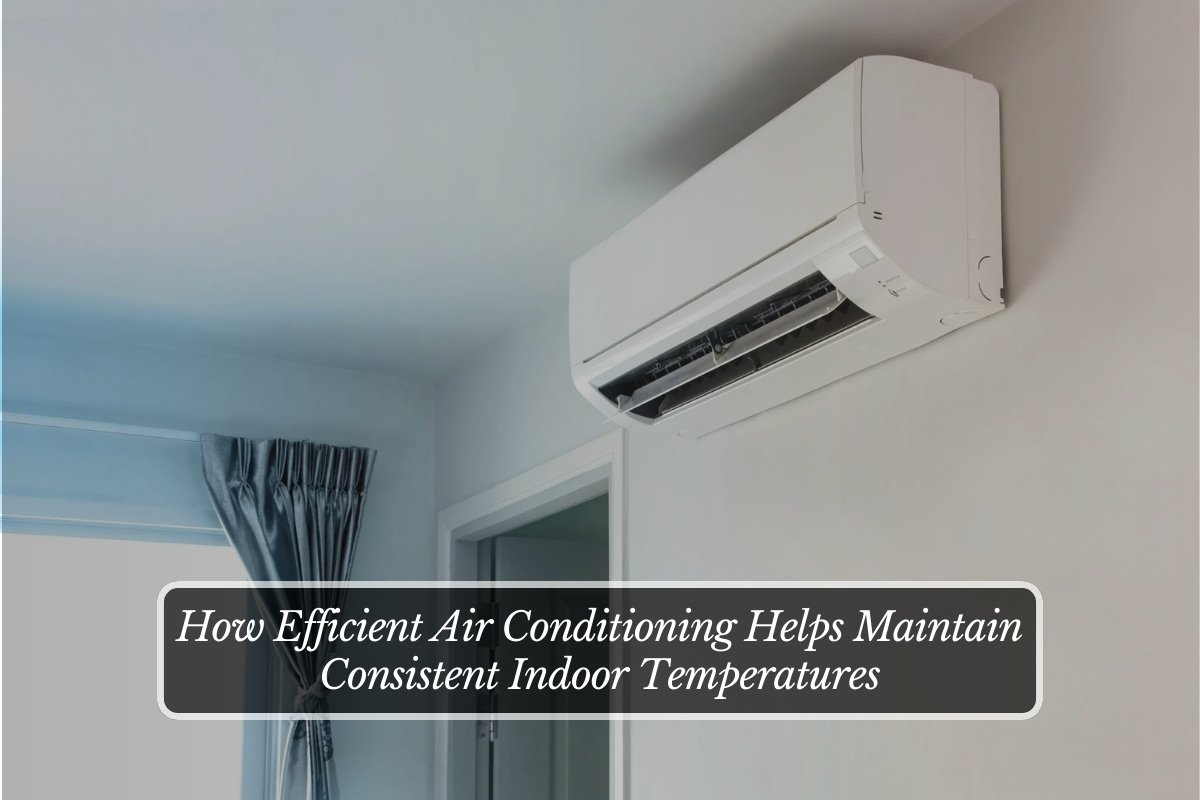
Efficient air conditioning systems maintain consistent indoor temperatures by intelligently cycling compressors, regulating humidity, and optimizing airflow, creating stable comfort regardless of outdoor extremes. This precision prevents hot/cold swings that disrupt daily life, enhances energy efficiency, and promotes health in homes or offices. Modern units with inverter technology adjust output dynamically, holding set points like 72°F with minimal fluctuations.
Inverter Technology for Steady Operation
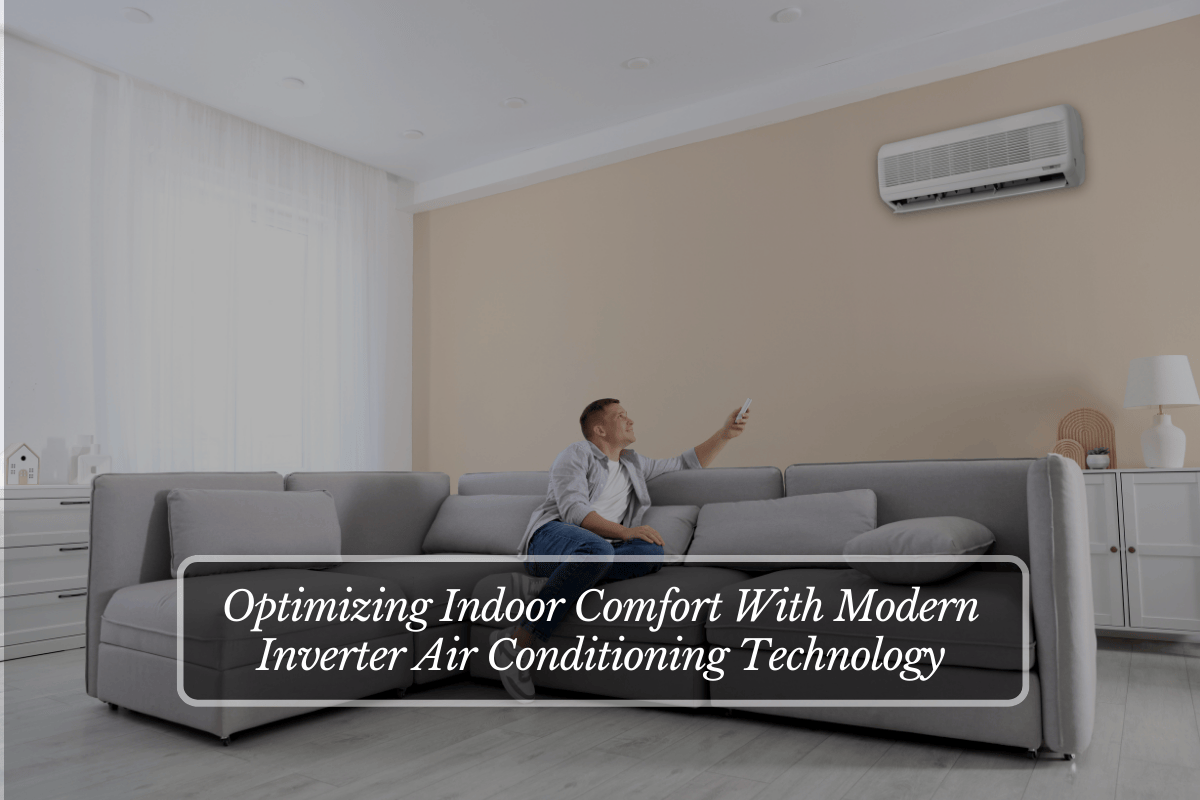
Inverter-driven compressors modulate speed instead of starting/stopping, avoiding temperature spikes from on-off cycles. Traditional units overshoot by 4-6°F on restarts; inverters ramp gradually, sustaining exact levels within 1°F. This delivers uniform cooling across rooms, even during peak loads like sunny afternoons.
Variable capacity matches demand precisely—low speed for maintenance, high for recovery—cutting energy use by 30-50% while ensuring no drafts or warm pockets.
Advanced Airflow and Distribution
Multi-directional louvers and oscillating fans circulate air evenly, eliminating stratification where ceilings heat up. Coanda effect directs flow along walls/ceilings for broader coverage, maintaining uniformity in large spaces. Smart sensors detect occupancy and hotspots, redirecting vents automatically.
Ductless mini-splits zone control, allowing independent room settings without affecting others, ideal for multi-level homes.
Humidity Regulation for True Comfort
Efficient ACs dehumidify as they cool, targeting 40-60% relative humidity to prevent clamminess or dryness. Overcooling alone drops temps but raises humidity; prosized units extract moisture via oversized evaporator coils, stabilizing perceived temperature. This avoids mold growth and respiratory issues from swings.
Dual functionality—heating in winter—ensures year-round consistency, blending modes seamlessly.
Smart Thermostats and Automation
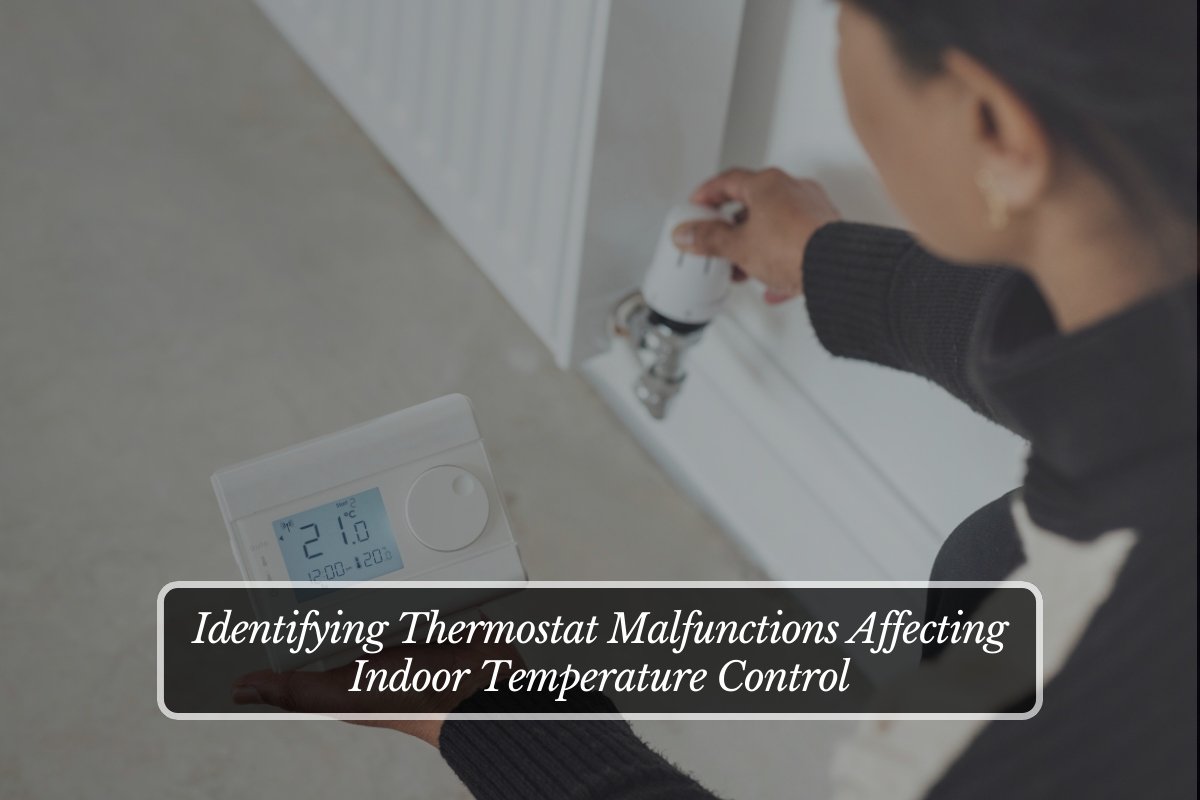
Wi-Fi thermostats learn patterns, pre-cooling before arrivals and adjusting for weather via apps. Geofencing activates on approach, holding temps remotely. AI predicts loads from insulation or sun exposure, preempting drifts for rock-steady environments.
Programmable schedules maintain office 68-72°F for productivity peaks, saving 10% energy without comfort loss.
Energy Efficiency and Cost Savings
SEER ratings above 16 indicate superior consistency; high-efficiency models recover from door opens or heat influxes faster, minimizing bills. ECM motors in blowers run variably, balancing static pressure for even delivery without strain.
Proper sizing—via Manual J calculations—prevents short-cycling, ensuring full dehumidification and stable output over cycles.
Health and Productivity Benefits
Consistent 70-74°F optimizes sleep cycles, reduces stress, and boosts focus—studies show 2-5% productivity gains per degree stability. Filtered air removes allergens, while even temps curb bacteria in stagnant zones.
In hot climates like India, it prevents heat-related illnesses, fostering well-being year-round.
Maintenance for Sustained Performance
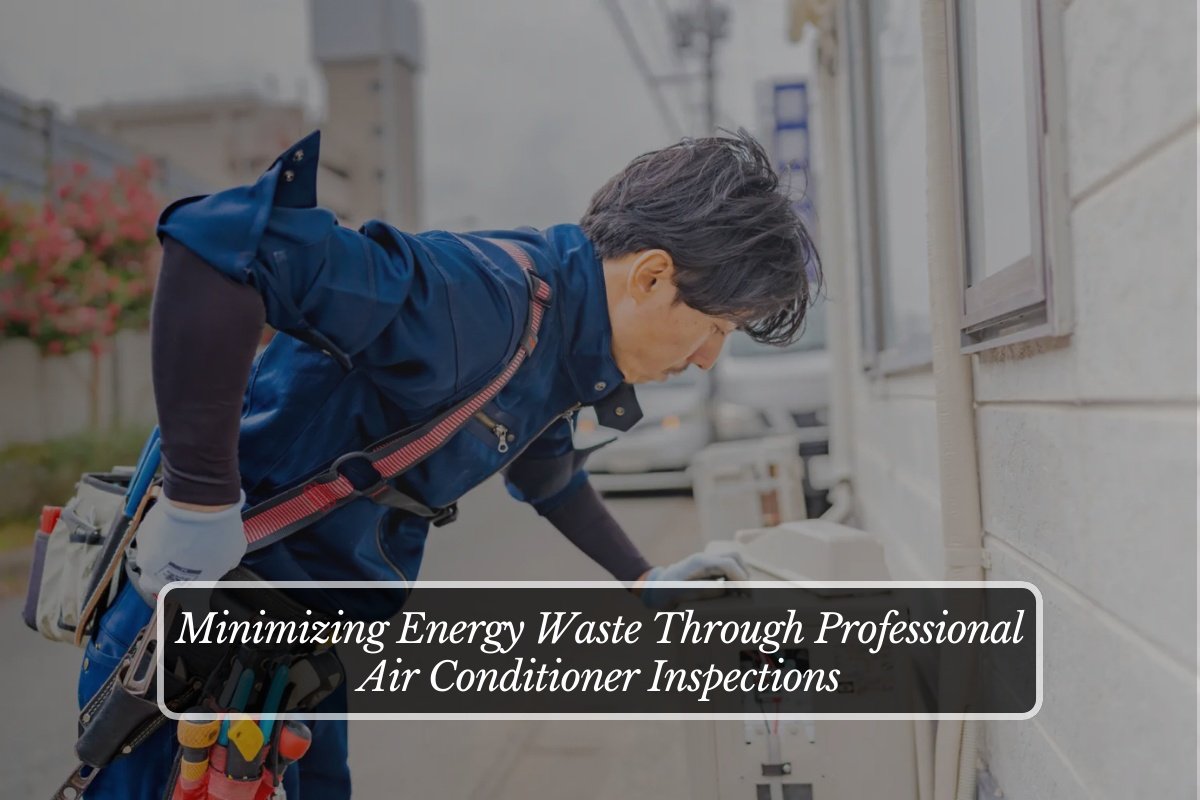
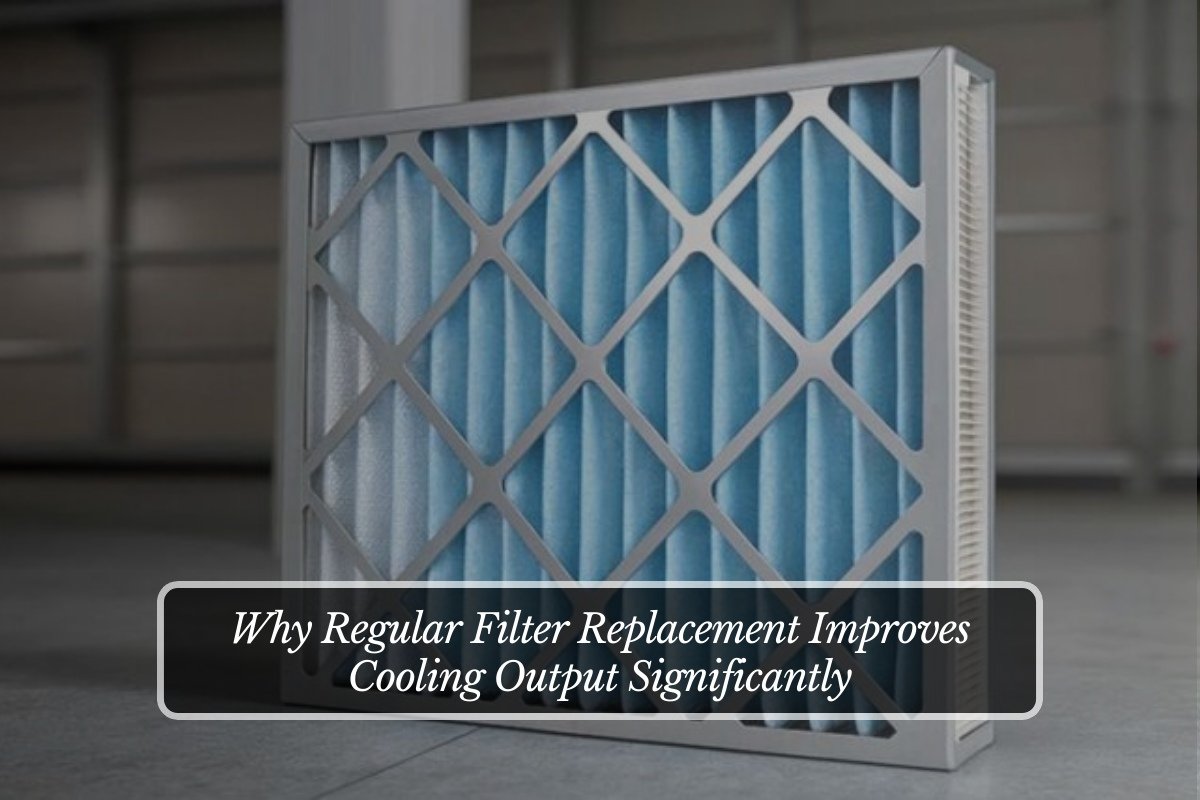
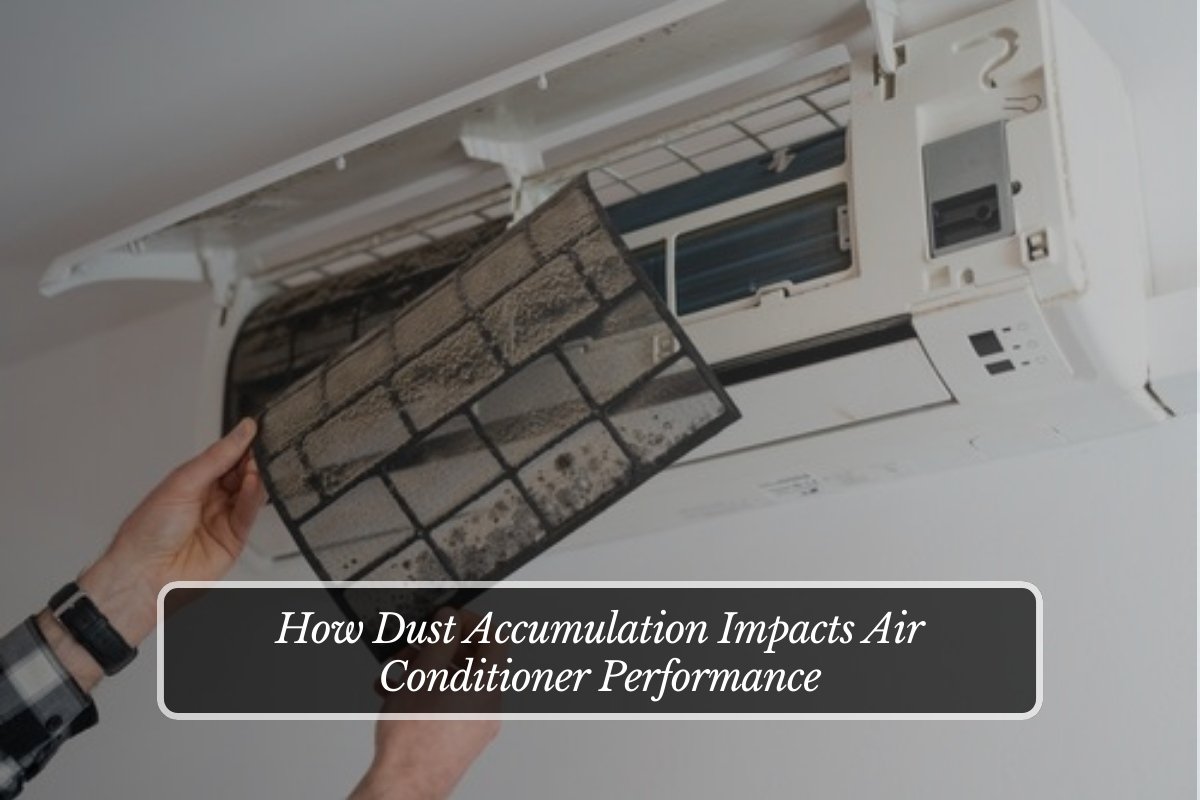
Annual tune-ups clean coils and calibrate sensors, preserving efficiency. Dirty filters cause 15% drops in consistency; quarterly changes sustain airflow. Pros monitor refrigerant and duct leaks, ensuring long-term reliability.
FAQ
Q1: How do inverters ensure temperature stability?
A: Variable speeds avoid on-off surges, holding levels within 1°F versus 4-6°F swings in non-inverters.
Q2: Why is airflow key to uniformity?
A: Oscillating louvers and Coanda effect distribute evenly, preventing hot ceilings or cold floors.
Q3: What role does dehumidification play?
A: Balances 40-60% RH for perceived comfort, avoiding clamminess without overcooling.
Q4: How do smart features help?
A: AI/geofencing preempt drifts, learning habits for precise, hands-free control.
Q5: Why maintain for consistency?
A: Clean coils/filters sustain efficiency; annual checks prevent 15% performance drops.