Dirty air filters block airflow in air conditioners, forcing systems to work harder and reducing cooling output by up to 15%. This leads to higher energy bills, uneven temperatures, and potential breakdowns. Regular maintenance restores efficiency and extends unit lifespan.
Airflow Restriction Mechanics
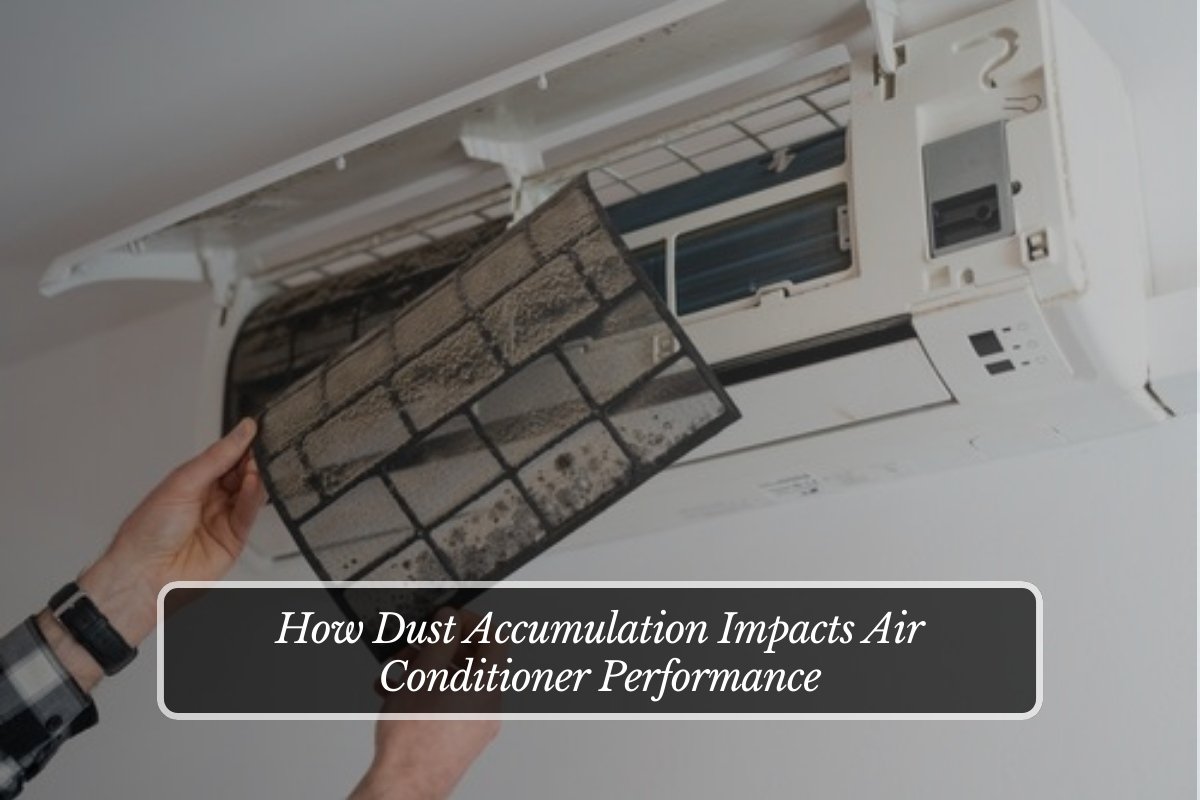
A clean filter allows unrestricted airflow, enabling the AC to pull in warm air, cool it via evaporator coils, and circulate it effectively. Dirty filters accumulate dust, debris, and allergens, creating resistance that starves the system of air intake. This reduced volume means less heat exchange, so rooms stay warmer longer despite constant operation.
The blower motor strains against this blockage, spinning faster to compensate, which generates excess heat and wears components prematurely. In extreme cases, low airflow causes evaporator coils to freeze, halting cooling entirely as ice buildup insulates the coils from air. Studies show airflow drops by 50% or more with heavy clogging, slashing cooling capacity proportionally.
Energy Consumption Surge
Clogged filters force the compressor and fan to overwork, increasing electricity use by 15% on average, per U.S. Department of Energy estimates. Heating and cooling already account for nearly 50% of home energy, so this inefficiency adds hundreds annually to bills. In hot climates like India’s summer peaks, the impact multiplies as units run nonstop.
Over time, this strain shortens system life from 15-20 years to under 10, with repair costs for motors or coils often exceeding filter replacements. A single dirty filter episode can mimic a 5-10% efficiency loss, compounding monthly.
Component Damage and Overheating
Restricted air cools the blower motor poorly, causing it to overheat and fail— a common $300-800 repair. Dust bypasses the filter, coating coils and reducing heat transfer by up to 20%, further dropping efficiency. Overheating risks compressor burnout, the priciest component at $1,500+ to replace.
Mold thrives in damp, dust-choked filters, spreading spores that degrade indoor air and irritate respiratory systems, especially in high-humidity areas like Haryana. Poor filtration recirculates allergens, worsening allergies or asthma.
Air Quality Decline
Filters trap 90%+ of particles when clean, but dirt-saturated ones let pollutants through, stagnating indoor air. This breeds bacteria on coils, emitting musty odors and health risks like headaches or fatigue. Families notice dustier surfaces and pet dander buildup faster.
In urban Panipat settings with pollution, dirty filters exacerbate PM2.5 infiltration, countering AC health benefits. Clean filters cut airborne contaminants by 30-50%, improving wellness alongside cooling.
Signs of Dirty Filter Impact
- Warm air from vents despite low thermostat settings.
- Uneven room temperatures or hot spots.
- Spiking utility bills without usage change.
- Whistling duct noises from strained fans.
- Ice on indoor coils or reduced humidity control.
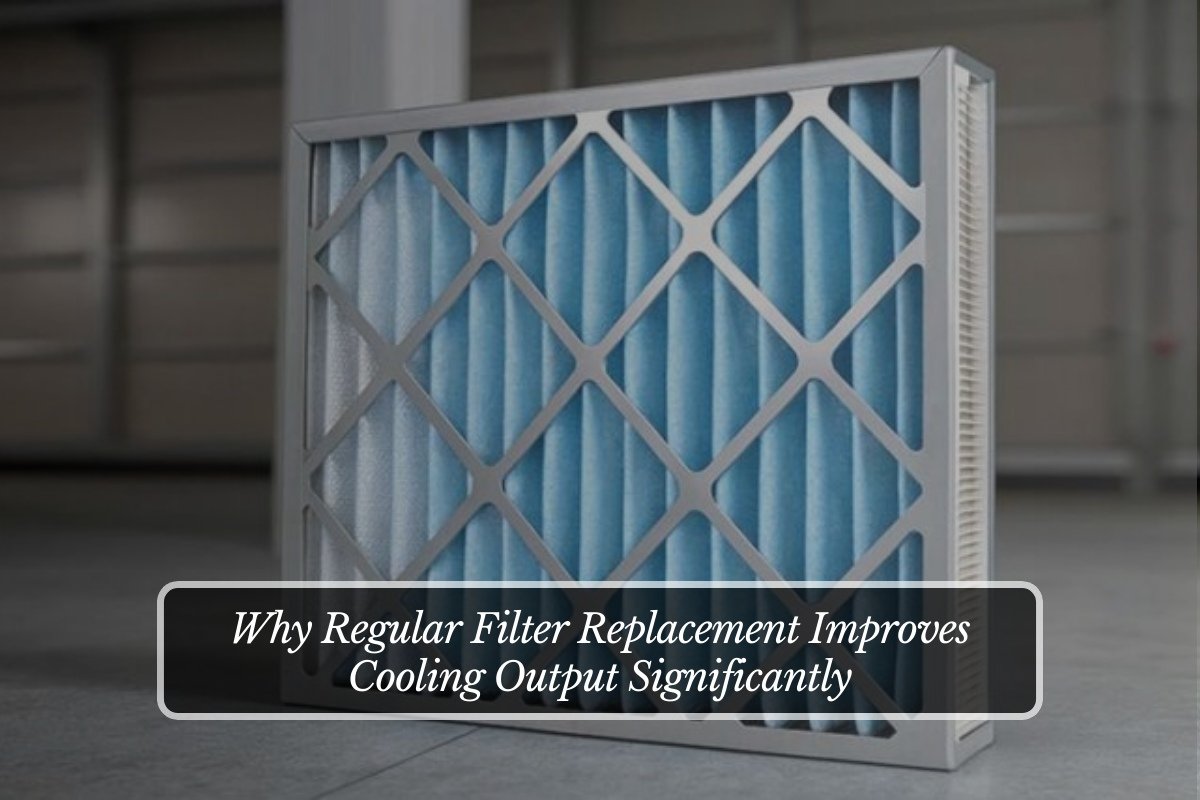
Check filters monthly; replace if gray or clogged. High-MERV filters (8-13) suit most homes without over-restricting flow.
Prevention and Maintenance Tips
Inspect filters every 1-3 months, more in dusty or pet-heavy homes. Vacuum reusable ones; swap disposables costing $10-20. Schedule pro tune-ups biannually to clean coils and verify static pressure.
Smart thermostats alert for changes, while whole-home filters in returns boost capture. In India, pre-monsoon checks prevent humidity-spiked clogs. Proper sizing avoids undersized filters that clog quickest.
Cost-Benefit Analysis
Switching routines yields quick ROI; one filter ($15) saves $50+ in energy monthly.
Long-Term System Health
Neglect cascades: dirty filters foul coils, strain compressors, and void warranties requiring clean proof. Efficient units qualify for rebates under schemes like India’s star ratings. Proactive owners report 20% better SEER ratings post-cleaning.
Investing in pleated or electrostatic filters enhances durability. Pair with sealed ducts to minimize bypass, maximizing every replacement’s value.
FAQ
How often should I replace AC filters?
Every 1-3 months, or monthly in high-dust areas; check visually for dirt buildup.
Can a dirty filter cause my AC to freeze?
Yes, restricted airflow ices evaporator coils, stopping cooling; thaw by running fan-only.
Does filter type affect efficiency loss?
High-MERV (11-13) traps more but may restrict if undersized; match to system specs.
Will cleaning improve cooling immediately?
Often yes, within hours, as airflow restores; full benefits post-coil clean.
How much do dirty filters raise bills in India?
Up to 15% hike, or ₹500-1500/year for average homes during peak summer.