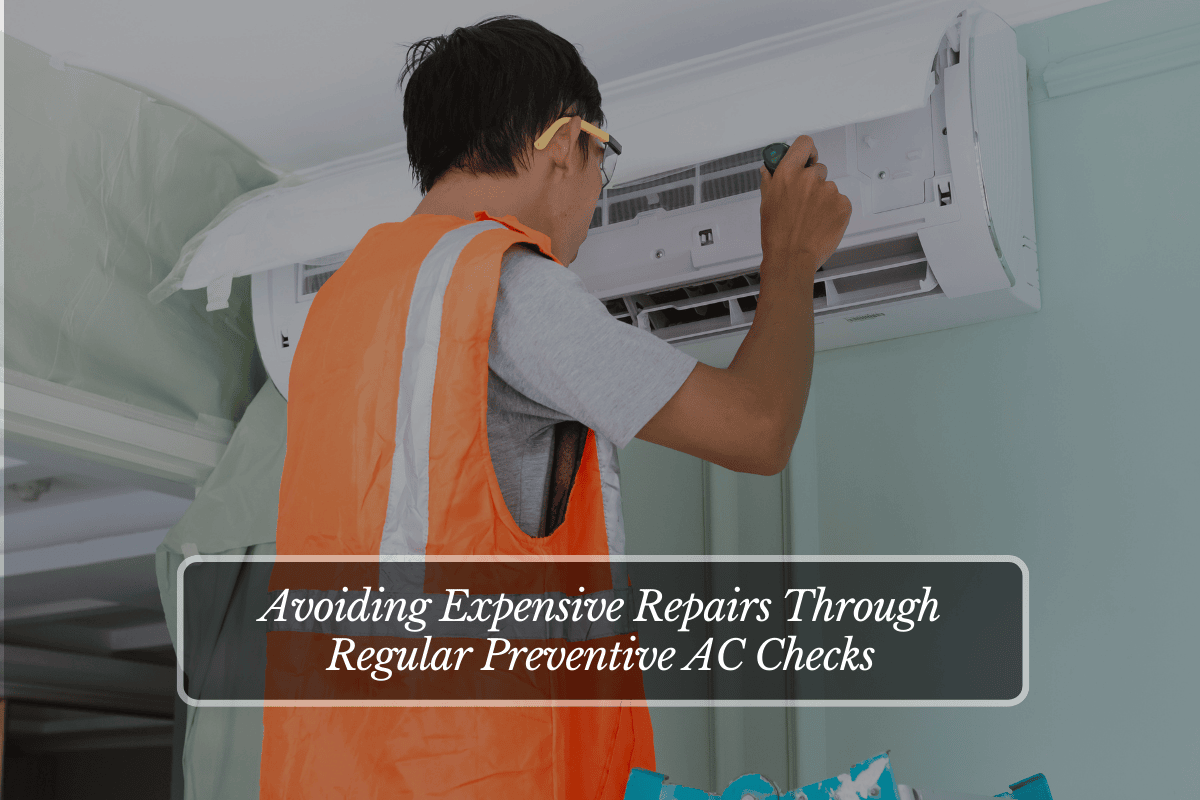
Essential cleaning steps extend air conditioning unit lifespan by 5-10 years, slashing repair bills by 20-30% through improved efficiency and reduced strain. US homeowners can handle most DIY tasks biannually, with pros recommended yearly for safety and refrigerant handling.
Safety First
Power off at the breaker and unplug before any work—electric shock risks drop to zero. Wait 30 minutes for residual current to dissipate. Wear gloves, eye protection, and avoid loose clothing near fans. Never handle refrigerant lines yourself; EPA certification required.
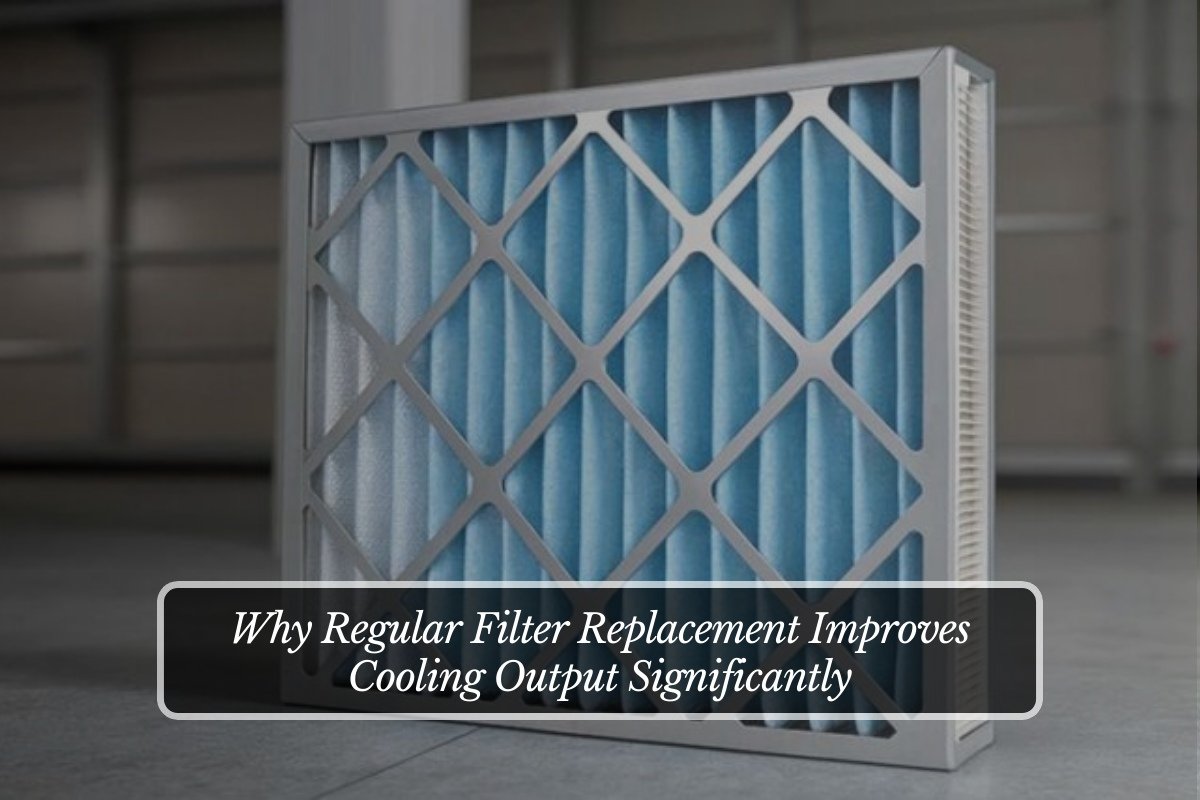
Clean or Replace Filters
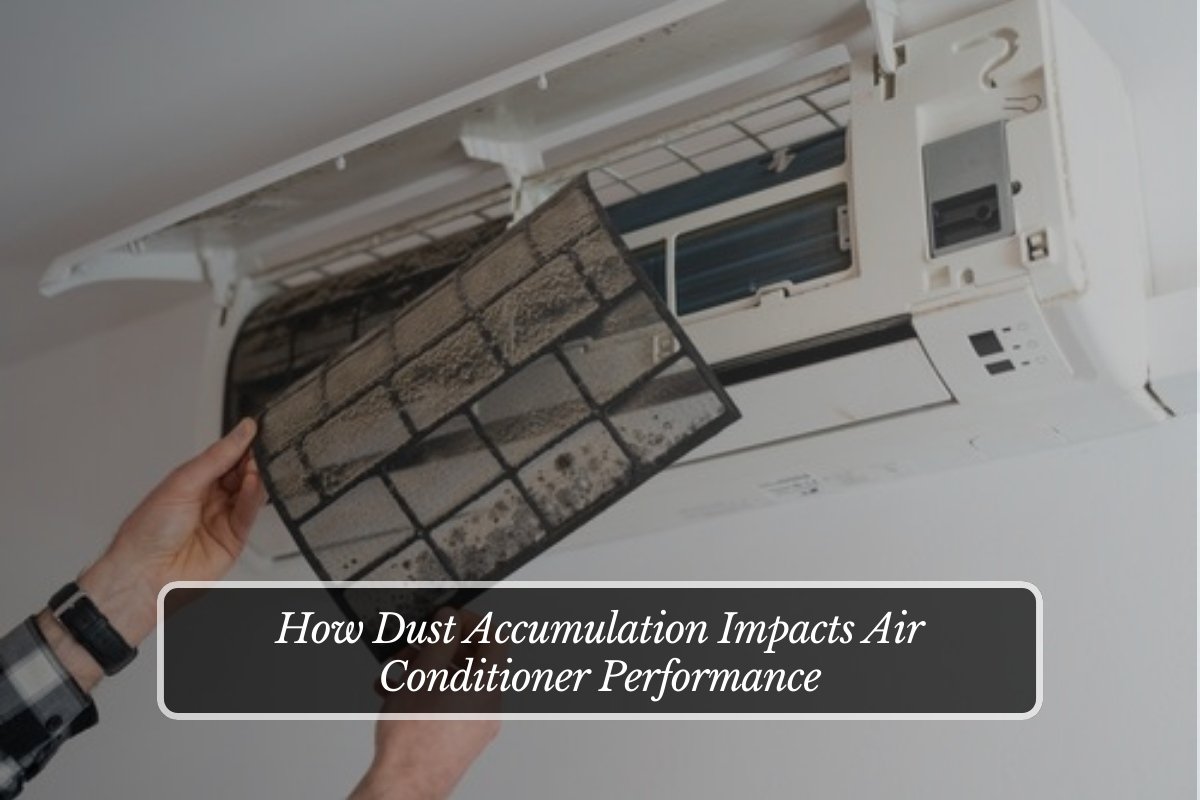
Filters trap 90% of dust—dirty ones cut airflow 15%, forcing overwork. Locate behind return grille (check manual). Vacuum reusable ones; wash with lukewarm soapy water, rinse, dry fully (2-4 hours). Replace disposables every 1-3 months ($10-20/pack). Pleated MERV 8-13 balances filtration and flow.
Test: Hold flashlight behind; light should pass freely.
Evaporator Coil Maintenance
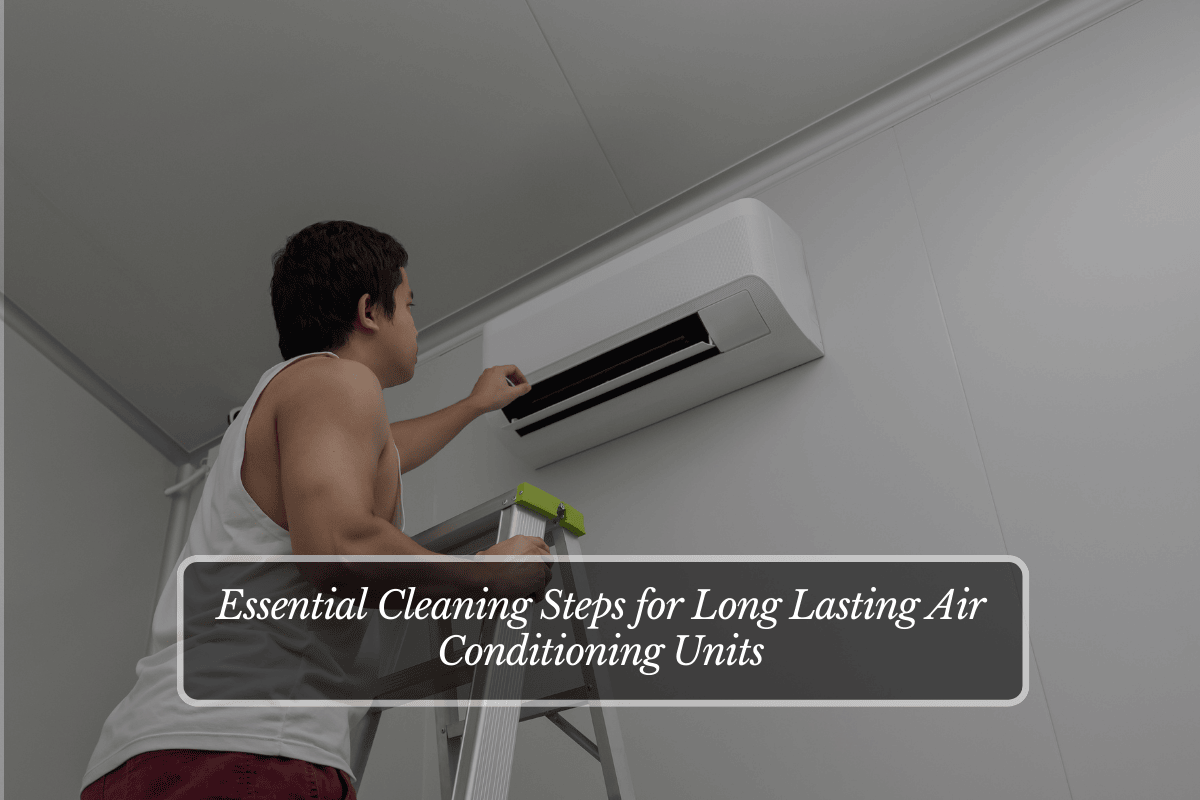
Indoor coils (above furnace/air handler) ice over from dirt, spiking energy 25%. Remove access panel; vacuum gently with brush attachment. Spray no-rinse coil cleaner ($10/can); let foam 10-15 min, drip dry. Straighten bent fins with fin comb ($15). Annual pro deep-clean prevents mold.
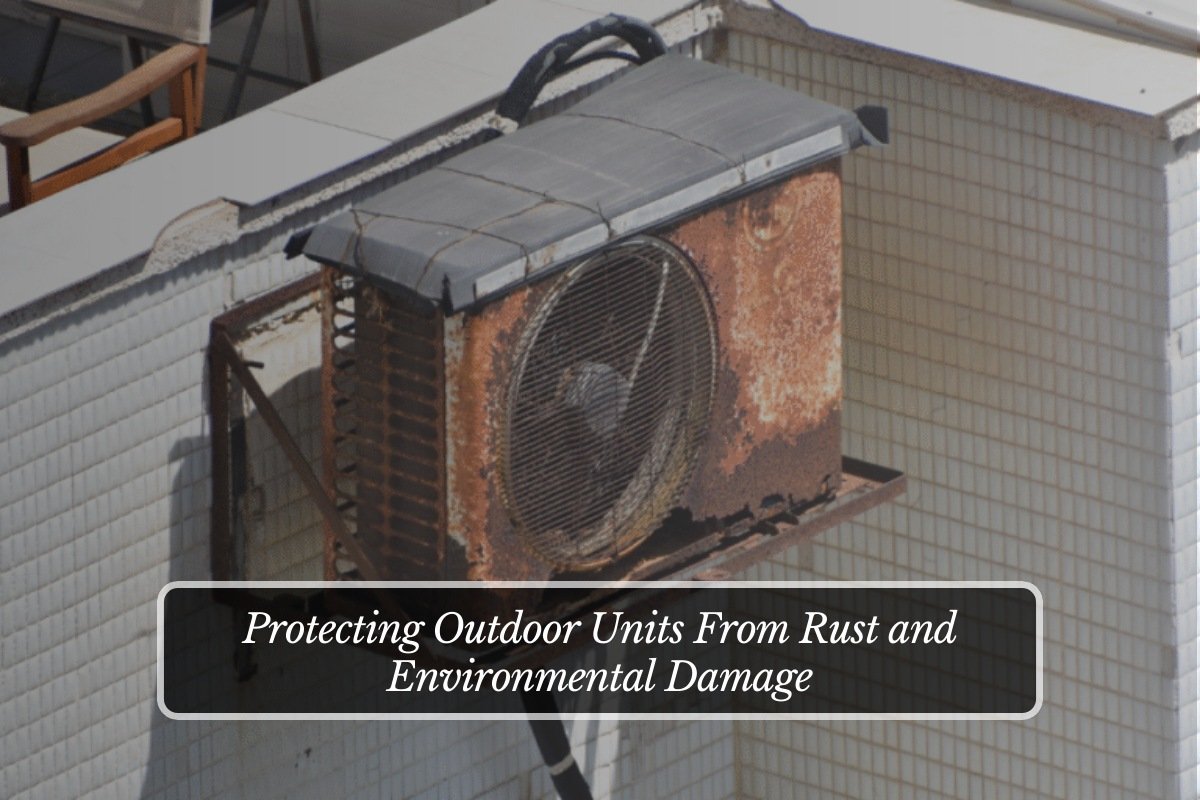
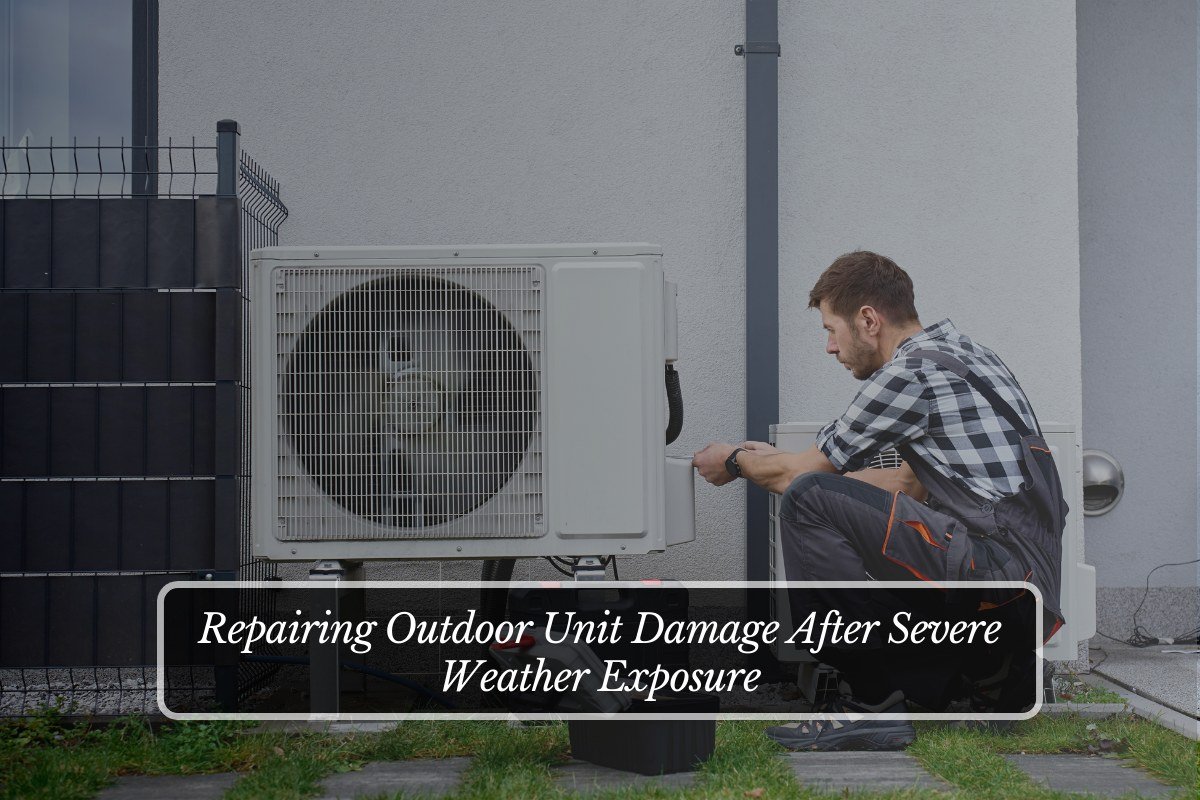
Outdoor Condenser Unit Care
Clear 2-ft radius of debris—leaves block 30% airflow. Hose fins top-down on low pressure (avoid bending); vacuum first. Straighten fins; check fan blades for cracks. Lubricate motor if accessible (oil ports). Ensure 6-12″ ground clearance.
Drain Line and Pan Cleaning
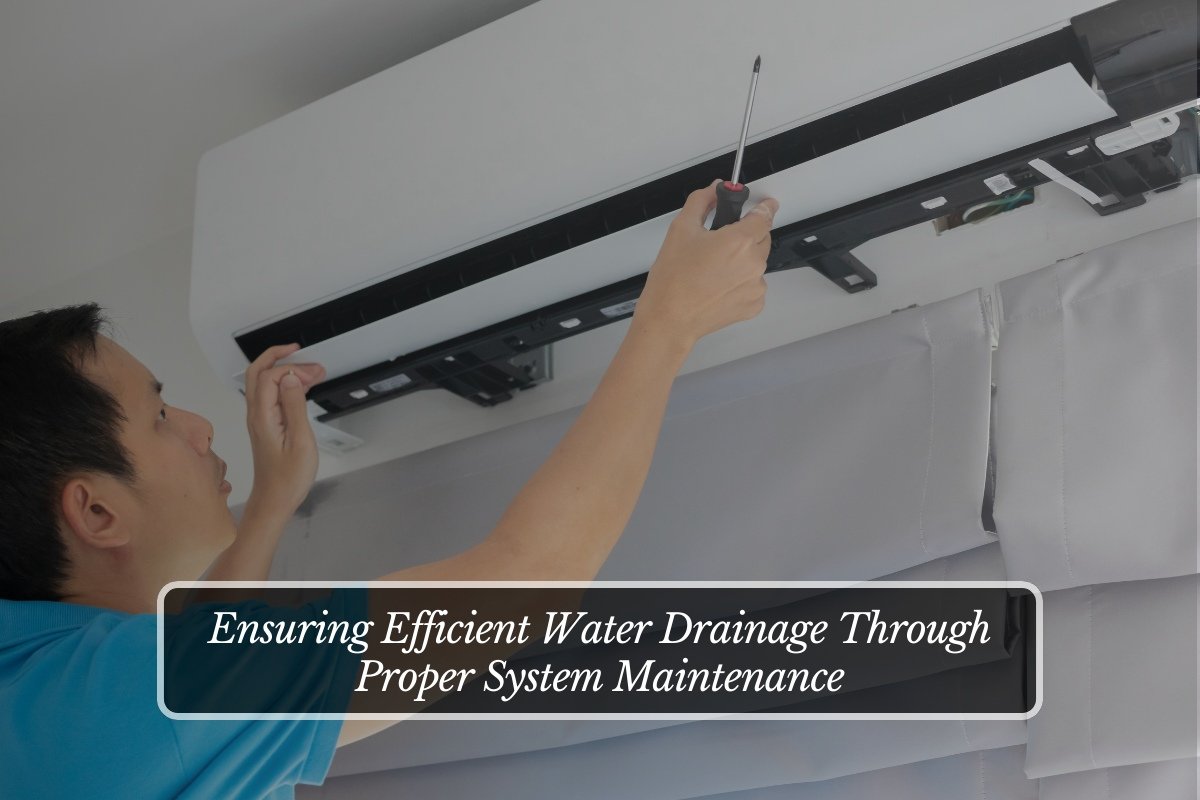
Clogged drains cause overflows, damaging floors ($1k+). Locate PVC line near indoor unit; flush with 1:10 bleach-water mix or vinegar using wet/dry vac. Clean pan beneath coils with bleach solution; dry fully to kill algae.
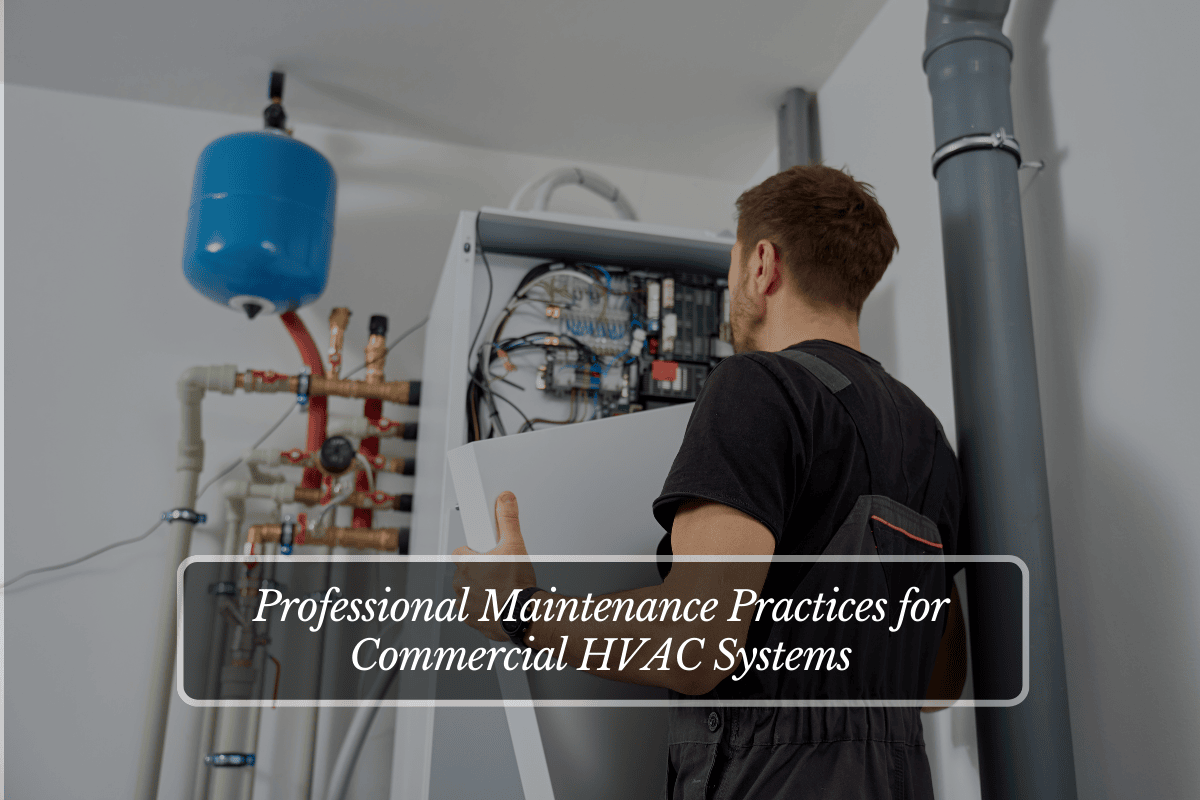
Electrical and Component Checks
Tighten loose wires/connections—vibration loosens 20% yearly. Inspect capacitor (humming? Replace $150). Test thermostat calibration; clean contacts. Check belts for cracks on older units. ENERGY STAR urges voltage/amperage reads via multimeter.
| Step | Frequency | Tools Needed |
|---|---|---|
| Filters | Monthly | Vacuum, soap |
| Evaporator Coils | Biannual | Brush, cleaner |
| Condenser | Biannual | Hose, fin comb |
| Drain Line | Quarterly | Vinegar, vac |
| Electrical | Annual | Screwdriver, tester |
Advanced Tips
Insulate suction lines if exposed. Verify duct seals (mastic tape). Run fan-only mode 1 hour post-clean to dry innards. Smart monitors like Sense alert issues early. For central systems, pro duct cleaning every 5 years adds 10% efficiency.
Seasonal schedule: Spring pre-cool, fall post-season. Signs needing pro: Weak air, odd noises, ice.
Cost-Benefit Reality
DIY cuts $100-200 service calls; pros ($100-150/visit) handle diagnostics. Lifespan jumps from 10-12 to 15-20 years, saving $2k+ in replacements. ENERGY STAR units amplify gains.
Track via utility bills; aim for 10-15% drop post-clean.
FAQs
1. Filter replacement interval?
1-3 months; wash reusables monthly.
2. Hose pressure for condenser?
Low—high bends fins.
3. Drain cleaner solution?
Bleach-water 1:10 or vinegar.