Annual air conditioning maintenance keeps systems running efficiently, cuts energy bills by 10-15%, and extends unit life up to 15 years in the USA’s varied climates from humid Southeast to arid Southwest. Homeowners scheduling these tasks prevent 80% of breakdowns, aligning with ENERGY STAR guidelines for optimal performance.
Replace or Clean Air Filters
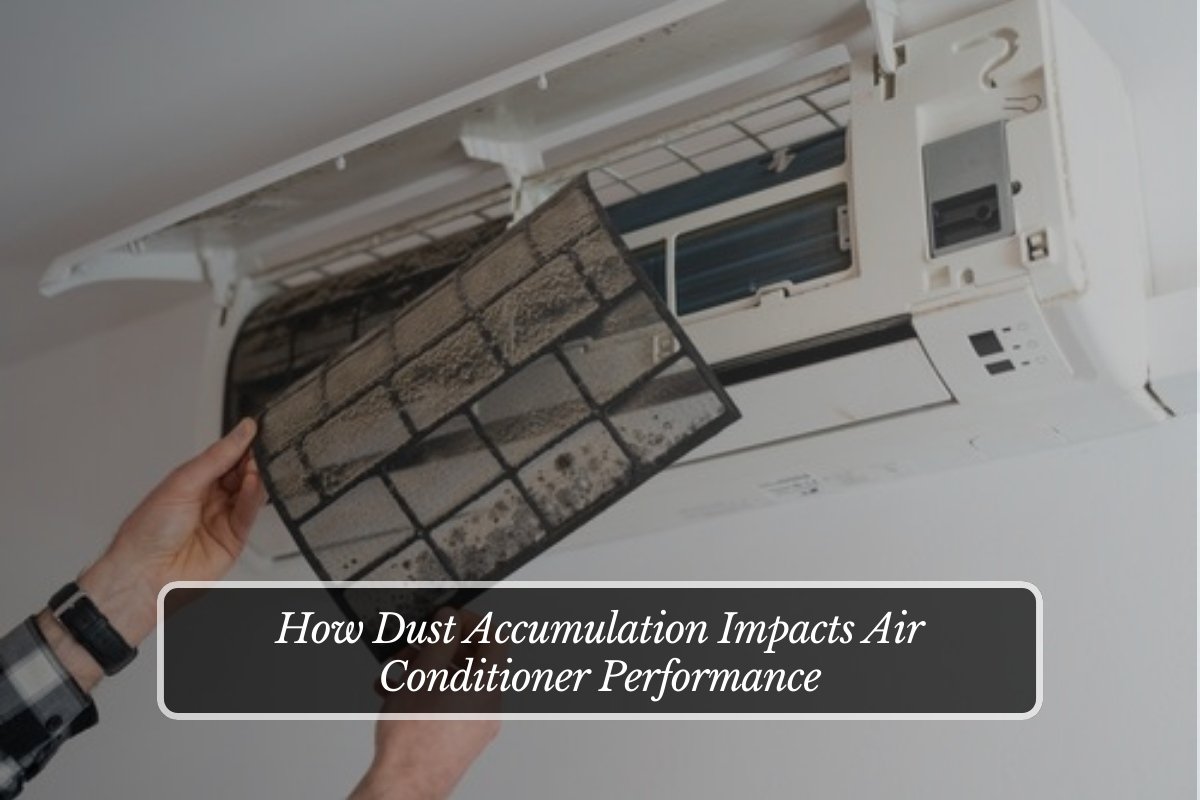
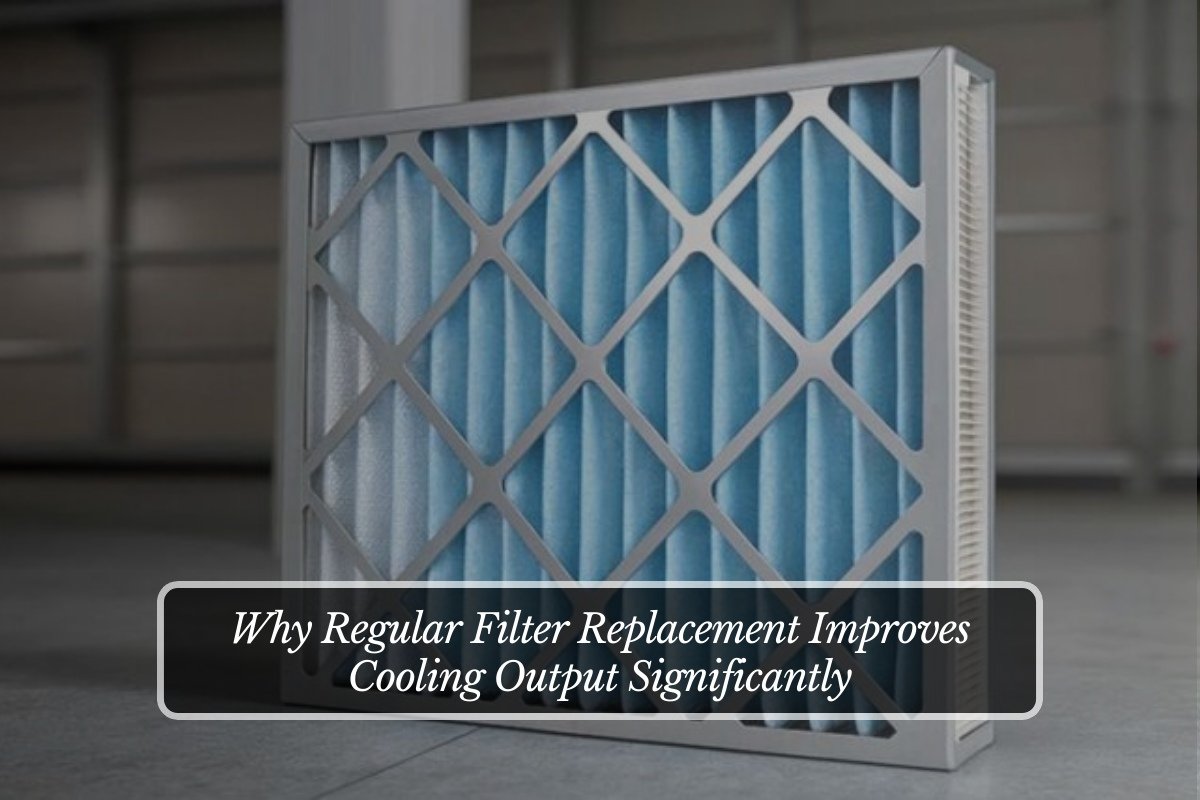
Dirty filters restrict airflow, forcing AC units to overwork and raising costs 15%. Check monthly, but annually inspect during spring tune-up; replace pleated filters (MERV 8-13) every 1-3 months based on pets, allergies, or usage. ENERGY STAR recommends vacuuming reusable filters or swapping disposables to maintain 400 CFM per ton efficiency. In dusty regions like Texas, pros clean during visits, preventing coil icing.
Inspect and Clean Coils
Evaporator (indoor) and condenser (outdoor) coils accumulate dirt, reducing heat transfer by 20-30%. Annually, straighten bent fins with a fin comb, gently clean with coil cleaner (no high pressure), and rinse. Pros use foaming agents for deep cleans, checking for oil/dust buildup that spikes energy use. Neglect shortens compressor life; aim for pre-summer service.
Clear Condensate Drain Lines
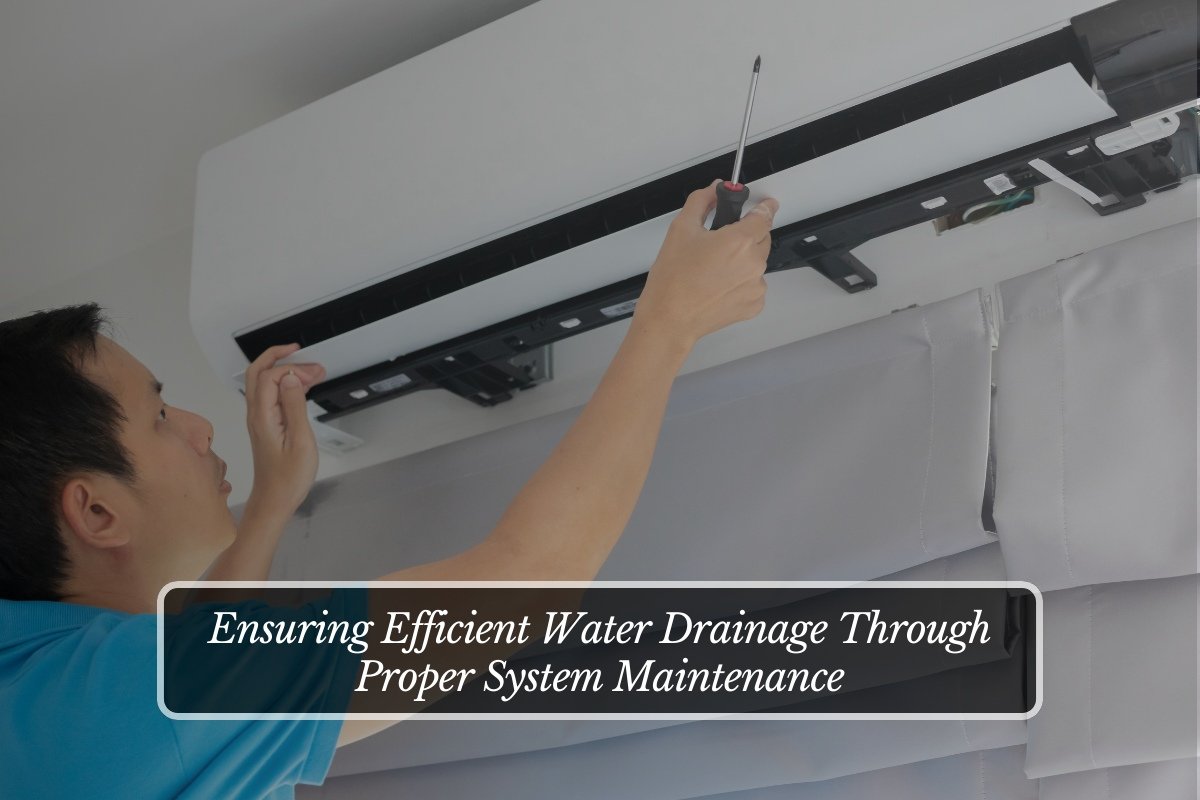
Clogged drains cause water backups, leaks, or mold, affecting 25% of service calls. Flush annually with vinegar/white bleach mix via T-pipe access, using wet vac for stubborn algae. Install float switches as backups per code in humid states like Florida. Empty drain pans; pros pressure-wash for thorough prevention.
Check and Tighten Electrical Connections
Loose wiring causes failures, fires, or uneven cooling. Annually, pros measure voltage/current on motors, capacitors, and contactors, tightening per NEC standards. Homeowners visually scan for fraying but avoid live circuits—capacitor tests require multimeters. Faulty connections cut efficiency 5-10%.
Lubricate Moving Parts
Fan motors, blowers, and bearings seize without oil, hiking noise/energy. Apply SAE 20 non-detergent oil annually to ports on accessible motors; pros handle sealed units. ENERGY STAR notes lubrication extends component life 50%.
Test Thermostat and Controls
Inaccurate thermostats waste 10% energy. Calibrate annually: compare digital to glass thermometer; upgrade to smart models (Nest/Ecobee) for 78°F setbacks. Verify fan/pilot lights cycle properly.
Examine Refrigerant Levels and Lines
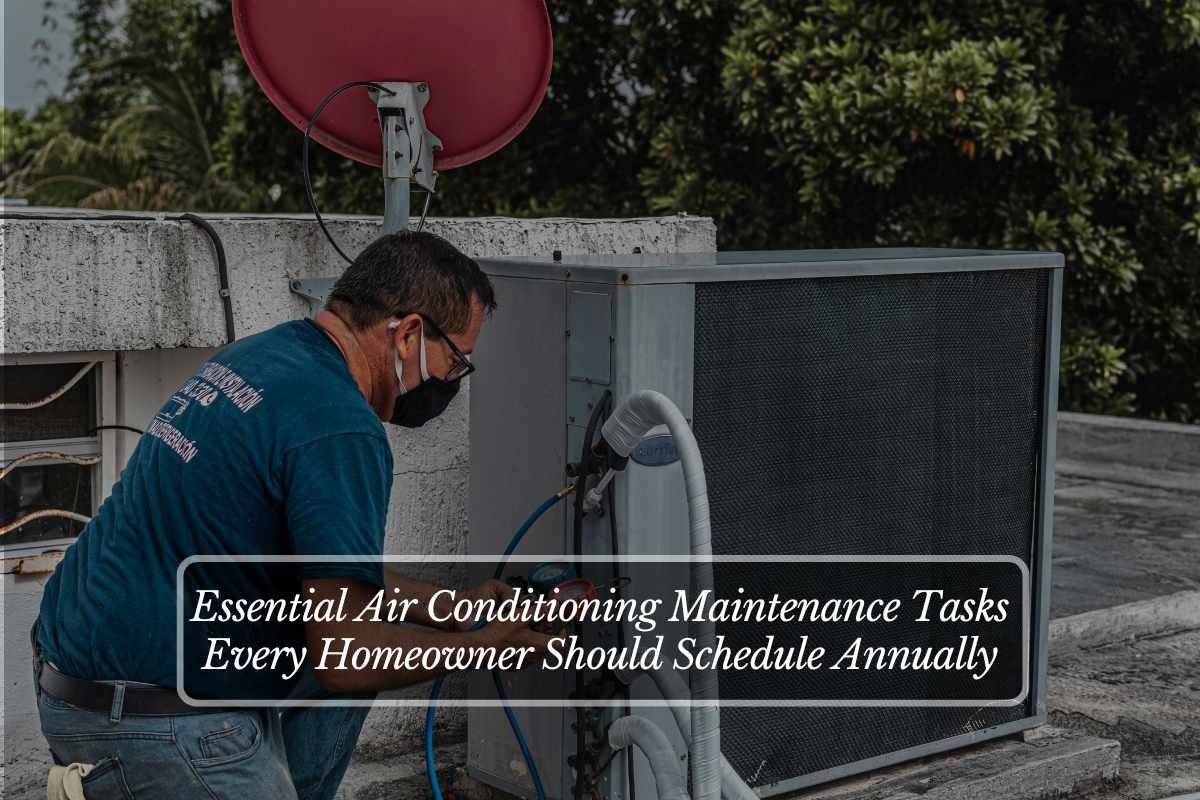
Low refrigerant leaks cut cooling 30%; EPA-certified techs check pressures annually (R-410A common post-2010). Inspect lines for insulation gaps/frost; seal minor leaks, recharge legally.
Clean Outdoor Unit and Area
Debris blocks airflow; trim vegetation 2 feet away, hose fins gently (unit off). Remove leaves/screens annually pre-season.
Inspect Ductwork and Blower
Leaky ducts lose 20-30% air; seal with mastic/tape annually, pros use smoke tests. Vacuum blower wheels for balance.
Schedule Professional Tune-Up
Combine tasks into bi-annual pro visits (spring/fall); 16-21 point inspections catch issues early, per ASHRAE. Costs $75-200 save $100s in repairs.
These routines ensure SEER 14+ efficiency, vital amid U.S. rising temps.
Frequently Asked Questions (FAQs)
1. How often replace AC filters?
Monthly checks, 1-3 month swaps; annually during pro service.
2. Why clean coils yearly?
Dirt reduces efficiency 20-30%, risks compressor failure.
3. Can homeowners flush drains?
Yes, vinegar annually; pros for deep cleans.
4. When schedule pro tune-up?
Spring pre-cooling, fall pre-heating.
5. Benefits of maintenance contracts?
Priority service, discounts, 10-15% savings.