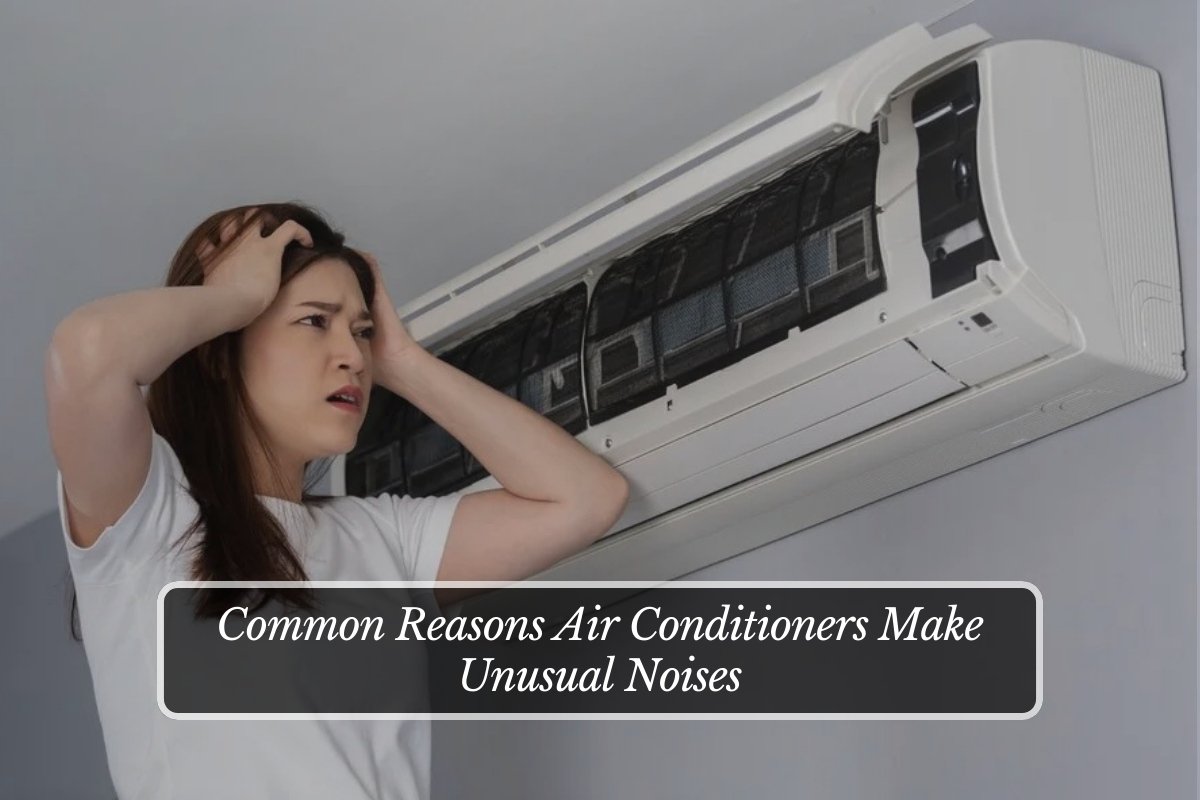
Air conditioners are essential appliances, especially during the hot summer months, providing comfort and relief from the heat. However, when an air conditioner starts making unusual noises, it can be concerning. These noises often indicate that something is wrong, ranging from minor issues to more serious problems. Understanding the reasons behind these sounds can help you diagnose the problem early and avoid costly repairs.
In this article, we’ll explore some common reasons air conditioners make unusual noises and what they could mean for your unit’s performance.
1. Buzzing or Humming Sounds
A buzzing or humming sound is one of the more common noises heard from an air conditioner. While some low humming is normal, loud or persistent buzzing may indicate an issue that needs attention.
Potential Causes:
- Loose or Worn-Out Parts: A buzzing noise may occur if parts like the fan, condenser, or motor are loose or worn out. Over time, vibrations from the unit can cause these components to become misaligned or disconnected, leading to buzzing sounds.
- Electrical Issues: In some cases, a buzzing sound could indicate an electrical issue, such as a failing capacitor or malfunctioning motor. Electrical problems can cause overheating, so it’s important to have these inspected and repaired by a professional.
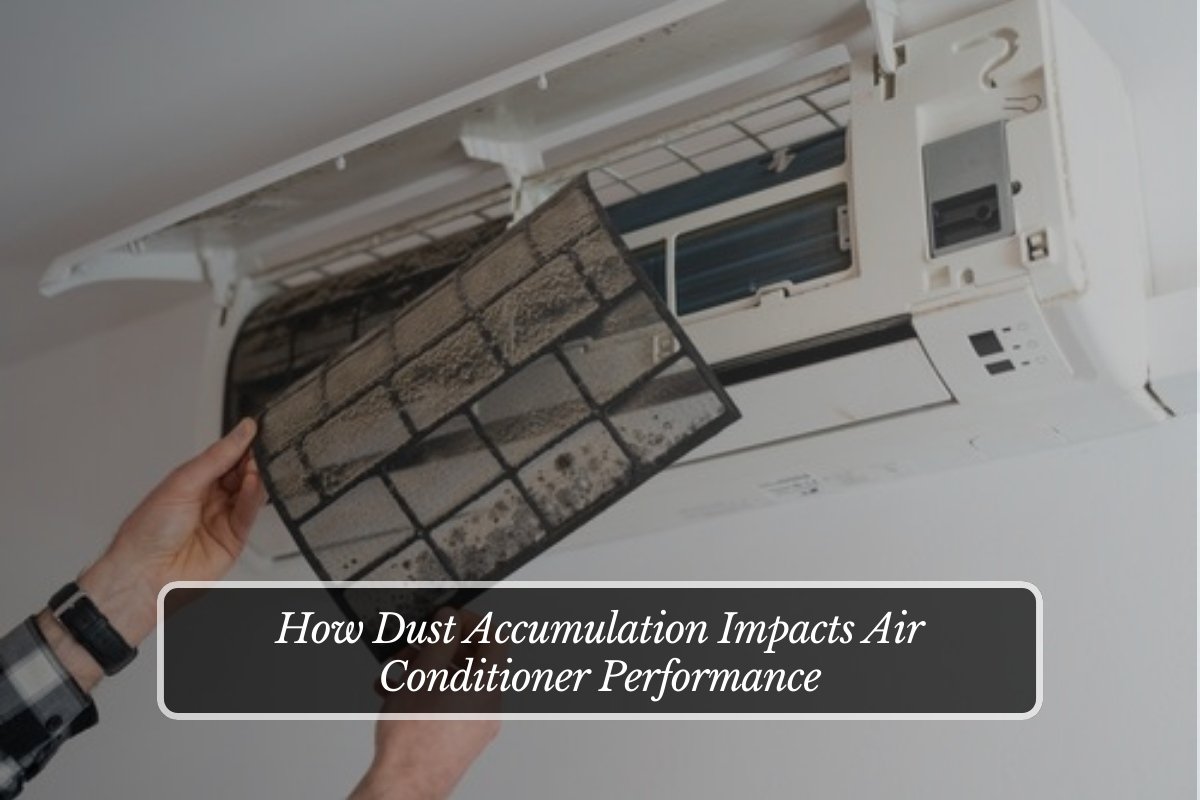
- Debris in the Unit: Sometimes, debris like leaves, twigs, or dust can get caught in the fan or condenser coils. This can create a buzzing noise as the fan blades try to spin. Cleaning the unit regularly can help prevent this.
What to Do:
If the buzzing is loud or continuous, it’s a good idea to turn off the air conditioner and have it checked by a professional technician.
2. Rattling or Clanking Noises
Rattling or clanking noises usually indicate that something is loose or out of place inside the air conditioner. These sounds can range from a mild rattle to a loud clanking sound, which could point to a more serious issue.
Potential Causes:
- Loose Parts or Screws: Over time, screws, bolts, or panels inside the unit can become loose due to vibration. This can cause rattling sounds as the parts move or shake when the unit is running.
- Fan Blades Hitting Obstacles: If the fan blades inside the unit are damaged, bent, or obstructed by debris, they may rattle or clank against other components.
- Compressor Problems: A clanking noise may also come from the compressor, especially if internal parts are worn out or there is damage to the compressor itself.
What to Do:
If you hear a rattling or clanking noise, it’s essential to check the air conditioner for any loose screws or parts. If the issue persists or if the compressor is the source of the noise, contact a professional for repairs.
3. Squealing or Screeching Sounds
A high-pitched squealing or screeching sound is often an indication that the air conditioner’s fan belt or motor is experiencing friction or wear. These sounds can be annoying and are usually a sign that a part needs attention.
Potential Causes:
- Worn-Out Fan Belt: Many air conditioners use a fan belt to drive the fan blades. If this belt becomes worn out, loose, or damaged, it can produce a squealing noise.
- Lubrication Issues: The moving parts inside an air conditioner, such as the fan and motor, require proper lubrication to function smoothly. A lack of lubrication can result in increased friction, causing squealing sounds.
- Faulty Motor: If the motor that drives the fan is malfunctioning, it can produce high-pitched squealing noises as it struggles to turn the fan blades.
What to Do:
If you hear squealing or screeching, it’s best to turn off the air conditioner and check the fan belt and motor. A technician can inspect and replace worn-out belts or add lubrication to the moving parts.
4. Gurgling or Bubbling Sounds
Gurgling or bubbling noises are often associated with issues in the refrigerant system. This type of sound typically indicates that the refrigerant is moving through the pipes, but it can also suggest a problem with the refrigerant levels or flow.
Potential Causes:
- Low Refrigerant Levels: If your air conditioner is low on refrigerant, it can cause gurgling noises as the refrigerant struggles to move through the coils. Low refrigerant levels are often the result of a leak in the system.
- Refrigerant Leaks: A refrigerant leak can create both gurgling and hissing sounds as the refrigerant escapes from the system. Leaks need to be repaired by a professional technician, and the refrigerant must be refilled to ensure optimal performance.
- Air in the Refrigerant Lines: Sometimes, air can get trapped in the refrigerant lines, causing gurgling sounds as the air moves through the system.
What to Do:
If you hear gurgling or bubbling sounds, it’s important to have the refrigerant levels checked by a professional. Handling refrigerant requires specialized knowledge, and leaks should be fixed immediately to avoid further damage to the system.
5. Hissing Noises
A hissing sound can be alarming, as it often indicates a problem with the air conditioning unit. This sound is typically associated with issues in the refrigerant system or airflow.
Potential Causes:
- Refrigerant Leak: A hissing sound is often caused by a refrigerant leak, where gas escapes from the system. This reduces the cooling efficiency of the air conditioner and can lead to more serious damage if not addressed promptly.
- Air Duct Issues: Hissing can also occur if there is a gap, crack, or leak in the air ducts. Air escaping through these holes can create a high-pitched sound.
- Pressure Imbalance: Sometimes, pressure imbalances in the system can cause a hissing noise, particularly when the unit is turning on or off.
What to Do:
If you hear a hissing sound, it’s crucial to check for refrigerant leaks and seal any ductwork issues. A qualified technician should address refrigerant leaks, as it requires specialized knowledge and equipment.
6. Clicking Sounds
Clicking sounds are usually brief and may occur when the unit turns on or off. While occasional clicking is normal, repeated or continuous clicking could indicate an issue.
Potential Causes:
- Thermostat or Control Board Issues: A clicking sound when turning the unit on or off can be caused by an issue with the thermostat or the control board. If the clicking continues during operation, the thermostat may be malfunctioning.
- Fan Blade Obstruction: If something is obstructing the fan blades, the unit may make a clicking sound as the blades struggle to turn. This could be due to debris or a misalignment of the fan components.
What to Do:
If the clicking persists or happens during normal operation, it’s important to have the thermostat or control board inspected. If the fan blades are obstructed, carefully clean the unit to remove any debris and ensure the fan can rotate freely.
7. Banging or Popping Noises
Banging or popping sounds are often more intense than other noises and are typically associated with issues in the air conditioner’s internal components.
Potential Causes:
- Loose Parts or Debris: Banging noises can occur when loose parts inside the unit, such as fan blades or coils, make contact with each other. Debris can also cause mechanical parts to hit one another, resulting in a loud bang.
- Compressor Problems: The compressor is a key component of the air conditioner, and a malfunctioning compressor can make a banging or popping sound. This issue often indicates a mechanical failure and may require replacement.
- Contraction or Expansion: In some cases, metal parts inside the air conditioner expand and contract due to temperature changes, creating popping or banging sounds. This is generally harmless but should still be monitored.
What to Do:
If you hear banging or popping noises, it’s essential to check for loose parts or debris. If the compressor is the source of the noise, contact a technician to evaluate and potentially replace the compressor.
FAQs
Why is my air conditioner making a buzzing sound?
A buzzing sound could be caused by loose parts, electrical issues, or debris in the unit. It may also indicate a malfunctioning capacitor or motor.
What does a gurgling sound mean in an air conditioner?
A gurgling sound often indicates low refrigerant levels, a refrigerant leak, or air trapped in the refrigerant lines.
Why is my air conditioner making a rattling sound?
Rattling noises can be caused by loose components, damaged fan blades, or debris inside the unit.
How do I fix a squealing noise in my air conditioner?
Squealing noises are usually caused by a worn-out fan belt or lack of lubrication. Check the fan belt for wear and ensure that all moving parts are properly lubricated.
When should I call a professional for unusual air conditioner noises?
If the noises persist, become louder, or if you suspect a mechanical or refrigerant issue, it’s best to contact a professional technician to inspect and repair your air conditioner.