Air conditioners are designed to keep your indoor environment cool and comfortable, but they also generate moisture as they cool the air. This moisture must be properly drained to avoid damage to both the unit and your home. Drainage blockages in your AC system are a common cause of water damage, leading to mold growth, water leaks, and even system malfunctions. Fortunately, most drainage issues are preventable with timely maintenance and quick action when blockages occur.
How AC Drainage Works
The cooling process in an air conditioner causes condensation to form on the evaporator coils. This water is collected in a drain pan and directed into a drain line, typically routed outside your home. The drain line removes the water, keeping the system running efficiently and preventing moisture buildup inside the unit.
However, when the drain line becomes clogged, water may back up into the pan, overflow, and leak into your home. If left untreated, this issue can lead to expensive repairs and potential damage to the structure.
Common Causes of Drainage Blockages
- Dirt and Debris: Dust, algae, and other particles can build up inside the drain line over time, leading to blockages.
- Mold and Mildew Growth: Warm and moist conditions inside the drain line can encourage mold and mildew, which can further clog the pipe.
- Rust and Corrosion: Over time, metal drain lines can rust and corrode, leading to partial blockages.
- Improper Installation: If the AC unit was not installed with proper drainage, there could be alignment issues that contribute to blockages.
Steps to Repair Drainage Blockages
If your AC unit is leaking water or you’ve noticed reduced cooling performance, it may be time to inspect and clean the drainage system. Here are the steps to follow:
1. Turn Off the Power to the AC
Before attempting any maintenance, turn off the power to your air conditioner to ensure safety. You can do this by switching off the thermostat and the breaker for the AC unit.
2. Inspect the Drain Pan
Start by checking the drain pan under the evaporator coil. If you find standing water, it could be a sign that the drainage system is blocked. Empty the pan carefully and check for any visible debris that could be causing the blockage.
3. Locate the Drain Line
Next, locate the condensate drain line. It’s usually a PVC pipe connected to the AC unit that directs water outside. The line may be found either near the unit’s base or at the side of the home. Follow the line to identify any visible obstructions or clogs.
4. Clear the Drain Line
If you spot debris, use a wet/dry vacuum to remove any blockage from the drain line. Place the vacuum hose over the drain line’s end and create a tight seal. Turn on the vacuum to suck out the debris. Alternatively, you can use a plumber’s snake or a flexible cleaning brush to dislodge any buildup.
If you’re dealing with a stubborn clog, consider flushing the line with warm water or a mixture of water and vinegar. This can help break down mold, algae, and other organic matter that may be blocking the line.
5. Check for Mold and Mildew
If mold or mildew is present, you may need to clean the entire drainage system. A mixture of vinegar and water (about 1:1 ratio) is effective in killing mold and mildew. Pour the solution into the drain line to disinfect it and prevent future growth.
6. Inspect the Condensate Pump (if applicable)
Some AC units use a condensate pump to help push water out of the drain line. If your unit has one, check to ensure it is functioning properly. A malfunctioning pump can also cause water to back up into the pan. If the pump is clogged or broken, it may need to be cleaned or replaced.
7. Test the System
After clearing the blockage, turn the power back on and test the system. Check for proper drainage by observing the unit for any signs of water accumulation or leaks. You should also listen for the sound of water flowing through the drain line.
8. Install a Drain Line Access Port (optional)
To make future maintenance easier, consider installing a drain line access port. This small fitting allows you to easily clean or flush the line without disassembling parts of the AC unit. It’s a quick and inexpensive solution that can prevent larger drainage problems down the line.
Preventing Future Blockages
To avoid recurring drainage issues, here are some preventive measures you can take:
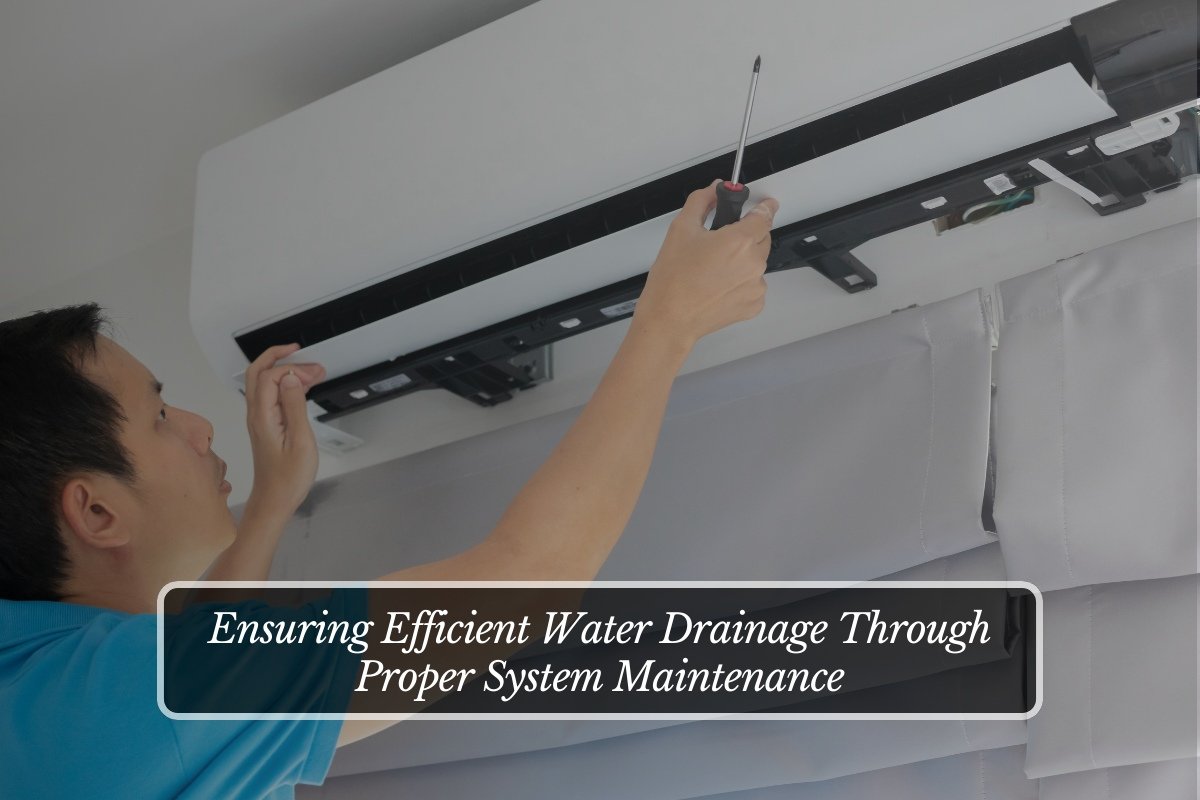
- Regular Maintenance: Schedule annual maintenance checks with an HVAC professional to inspect and clean the AC unit, including the drainage system.
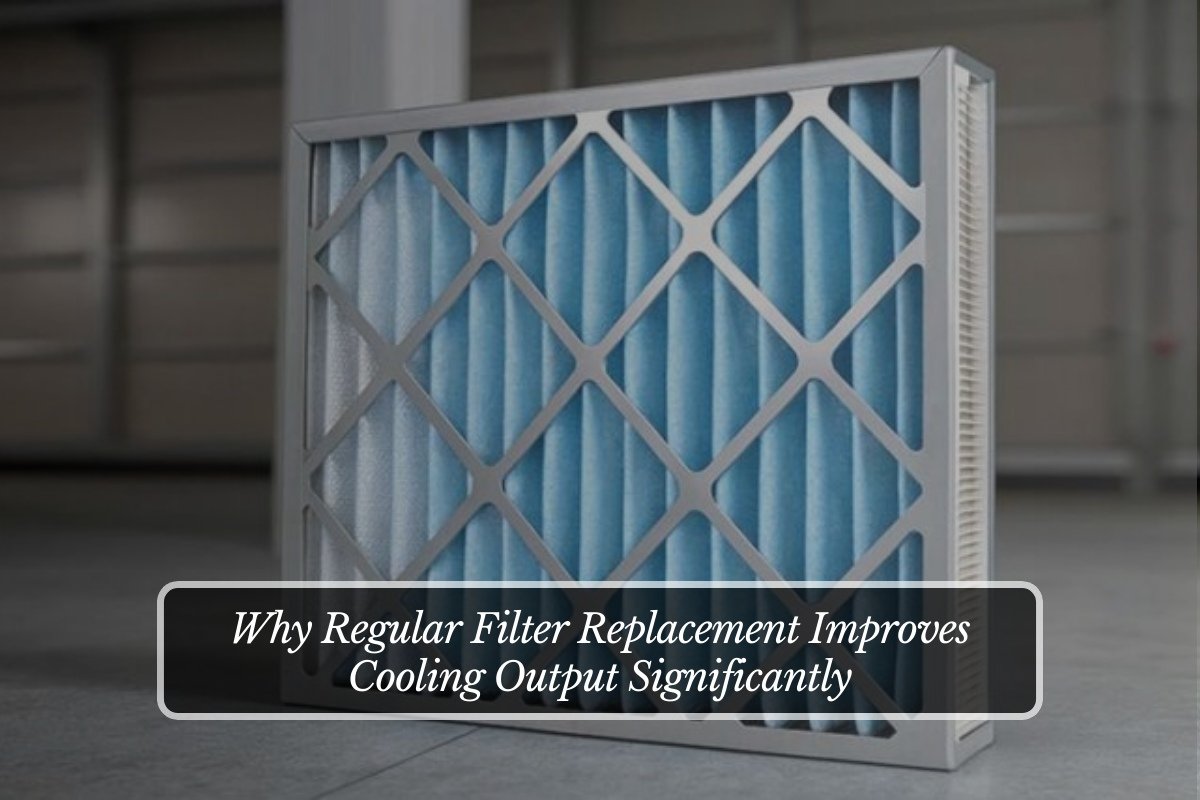
- Change Filters Regularly: A clogged air filter can lead to poor airflow, which increases condensation and places strain on the drainage system. Replace filters every 1-3 months.
- Keep the Area Clean: Regularly clear debris around the outdoor unit and ensure the condensate drain is not blocked by leaves, dirt, or other debris.
- Use a Drain Line Cleaner: Consider using a drain line cleaner monthly to keep the line free from buildup and prevent mold and algae growth.
When to Call a Professional
If you’ve followed these steps and the drainage issue persists, or if you’re unsure about performing the repair yourself, it’s time to call a professional HVAC technician. They can inspect the entire system, identify hidden blockages, and ensure your AC unit is functioning properly without risk of water damage.
FAQs
How often should I check my AC’s drainage system?
It’s recommended to check the drainage system at least once a year during your annual HVAC maintenance.
Can a clogged drain line cause my AC to stop cooling?
Yes, if the drain line is clogged, it can lead to poor airflow, freezing coils, and reduced cooling efficiency.
How do I know if my AC’s drain pan is full?
Look for standing water around the base of the unit or in the pan under the evaporator coil.
Can I use a chemical drain cleaner to clear the AC drain line?
While chemical cleaners can sometimes work, they can be harsh on the system. It’s usually better to use a wet/dry vacuum or a natural cleaner like vinegar.
What should I do if the problem persists?
If clearing the blockage doesn’t resolve the issue, call an HVAC professional to inspect your system for more serious issues.