When an air conditioner suddenly stops working—especially during hot weather—it can feel urgent and overwhelming. While some issues require a professional technician, many common AC problems can be diagnosed and temporarily resolved with quick, practical steps. Knowing what to check first can save time, reduce discomfort, and sometimes prevent a small issue from becoming a costly repair.
Start With the Basics
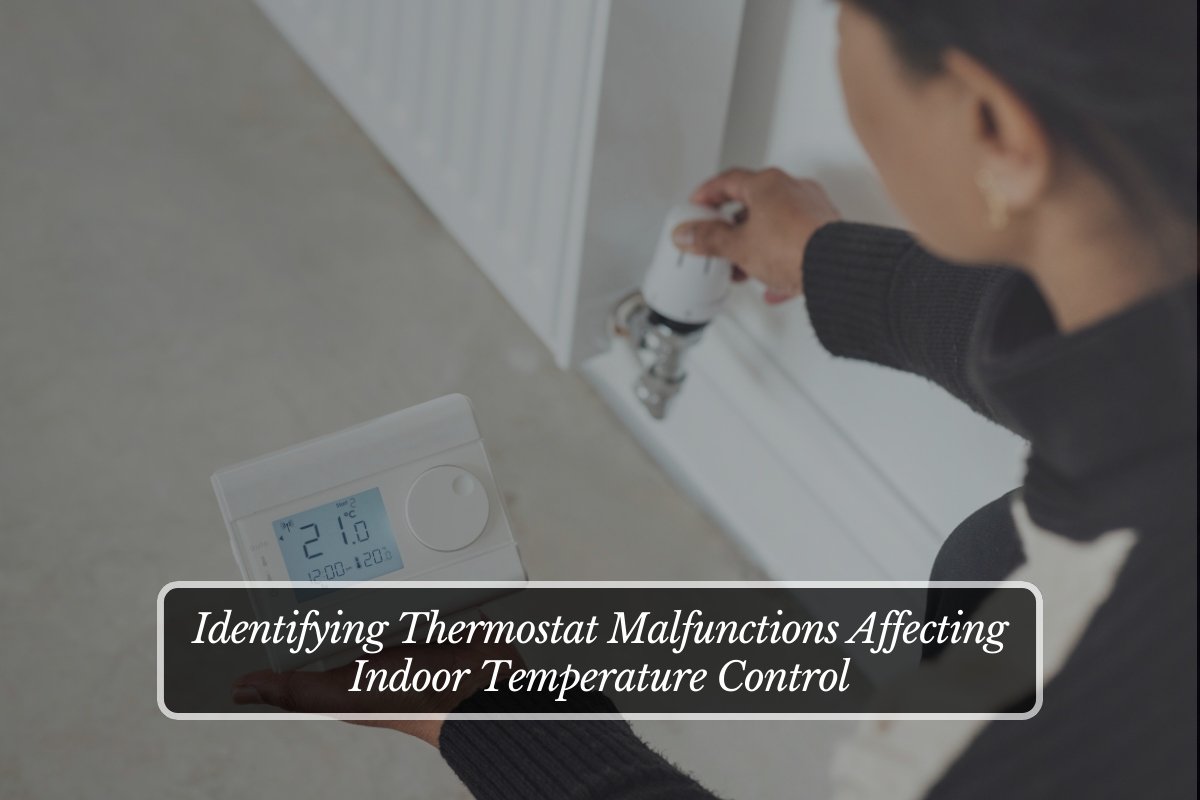
Before assuming a major failure, check the simplest and most common causes. Make sure the thermostat is set to cool, the temperature is set lower than the room temperature, and fresh batteries are installed if applicable. Next, confirm that the AC unit is receiving power. A tripped circuit breaker or blown fuse is a frequent culprit during power surges or heat waves.
Check and Replace the Air Filter
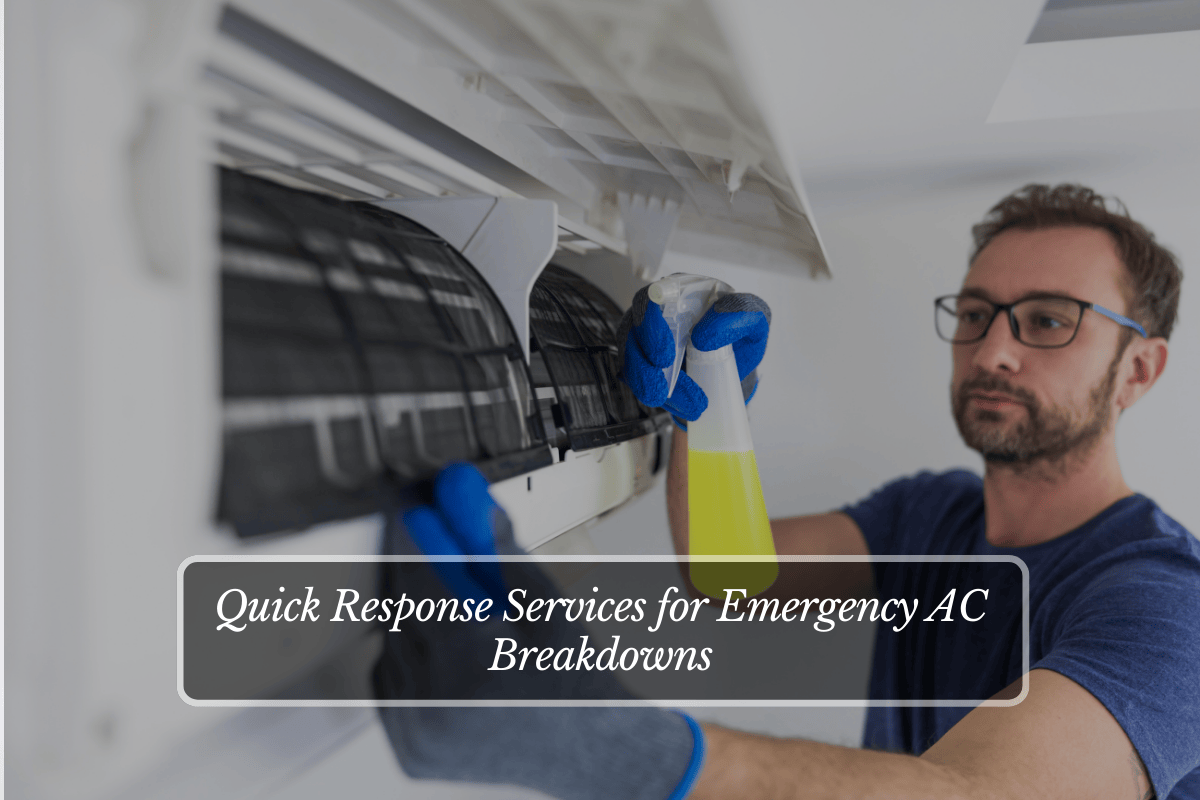
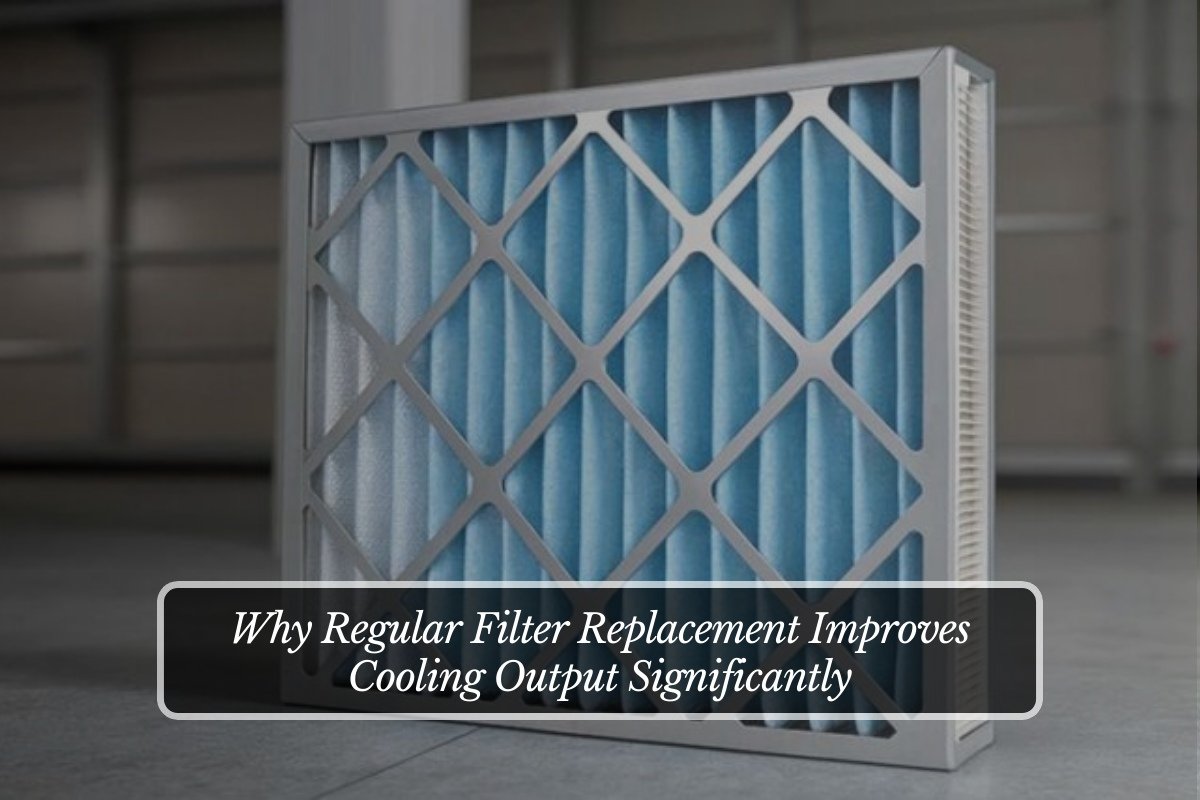
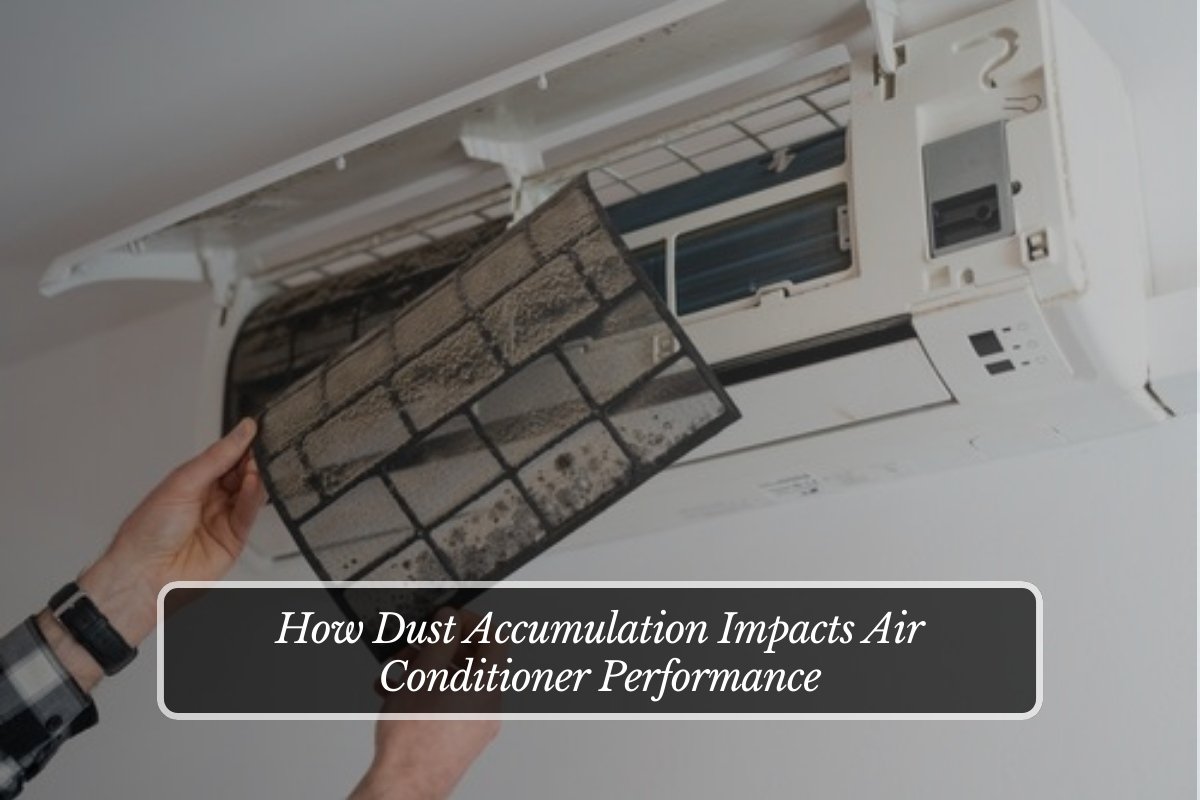
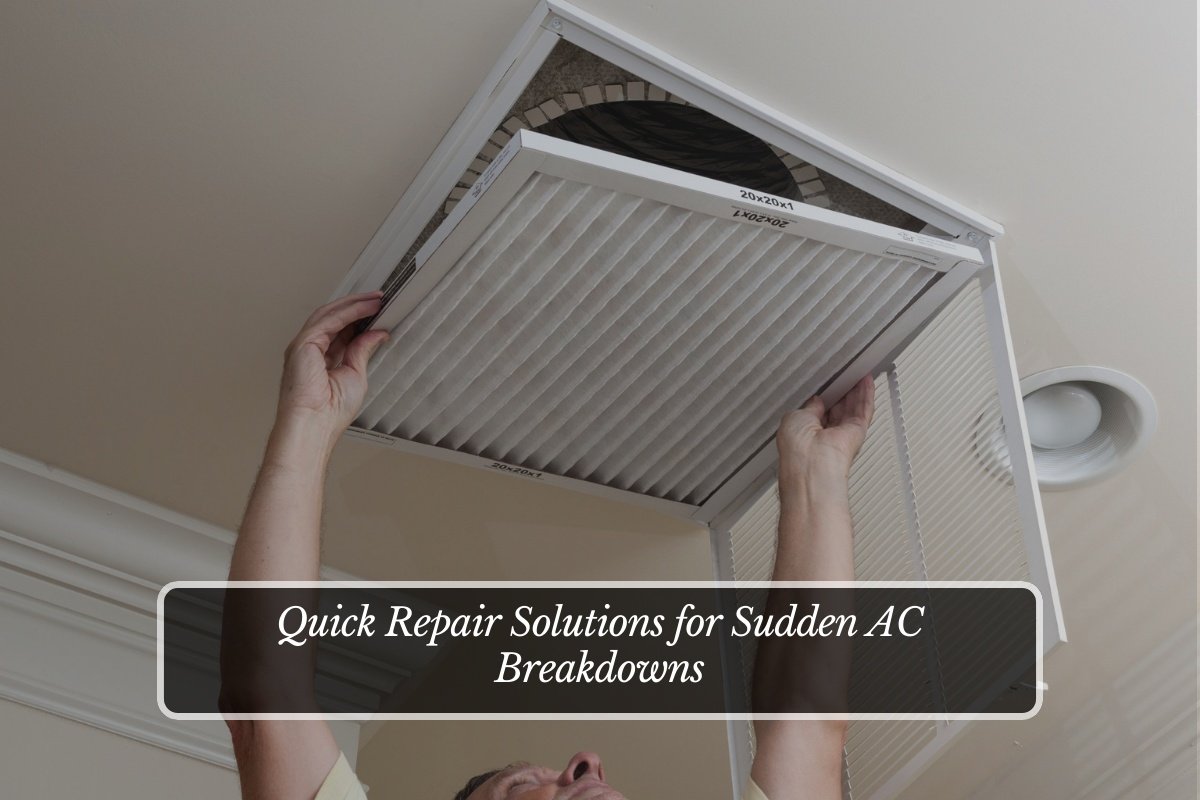
A clogged or dirty air filter can cause sudden cooling problems by restricting airflow. When airflow is blocked, the system may overheat or shut down entirely. If the filter looks dusty or gray, replace it immediately. This quick fix often restores airflow and can noticeably improve cooling within minutes.
Inspect the Outdoor Unit
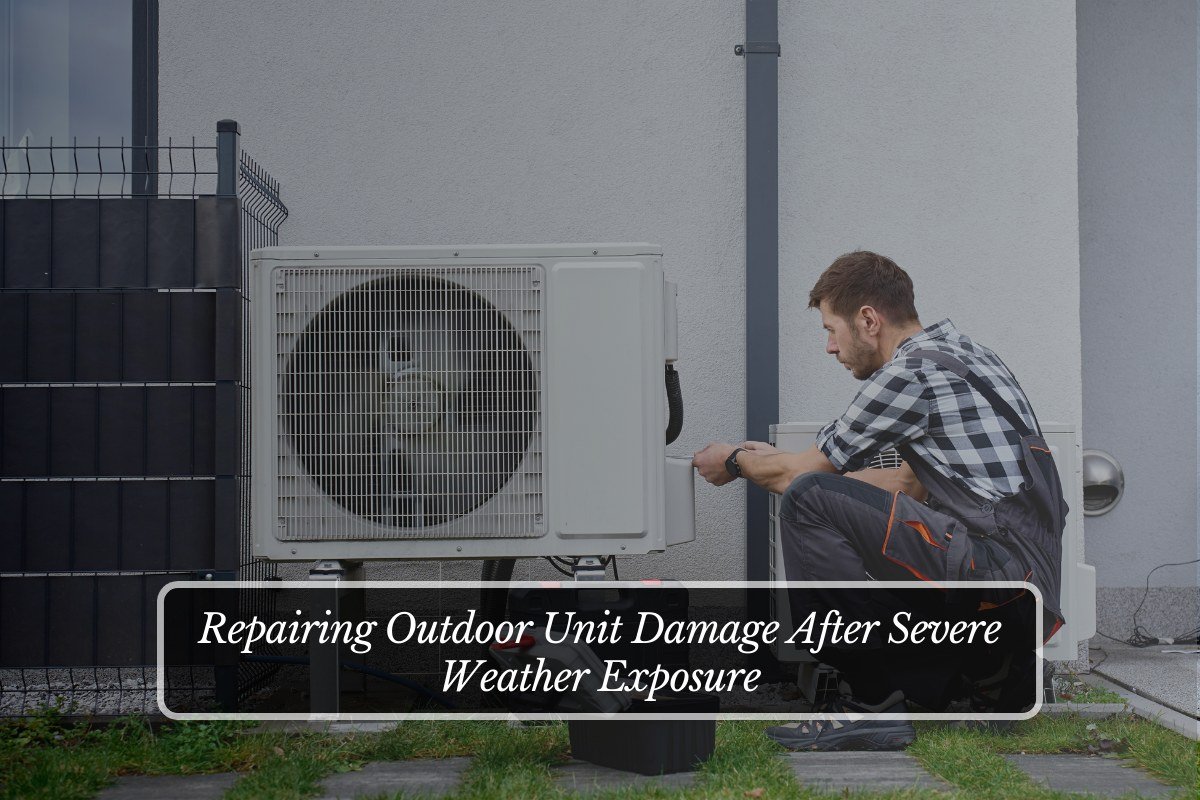
The outdoor condenser unit plays a critical role in releasing heat. If it is blocked by debris such as leaves, grass clippings, or dust, the system may stop functioning properly. Turn off the power and gently clear away visible obstructions. Ensure there is at least two feet of clear space around the unit to allow proper airflow.
Look for Frozen Evaporator Coils
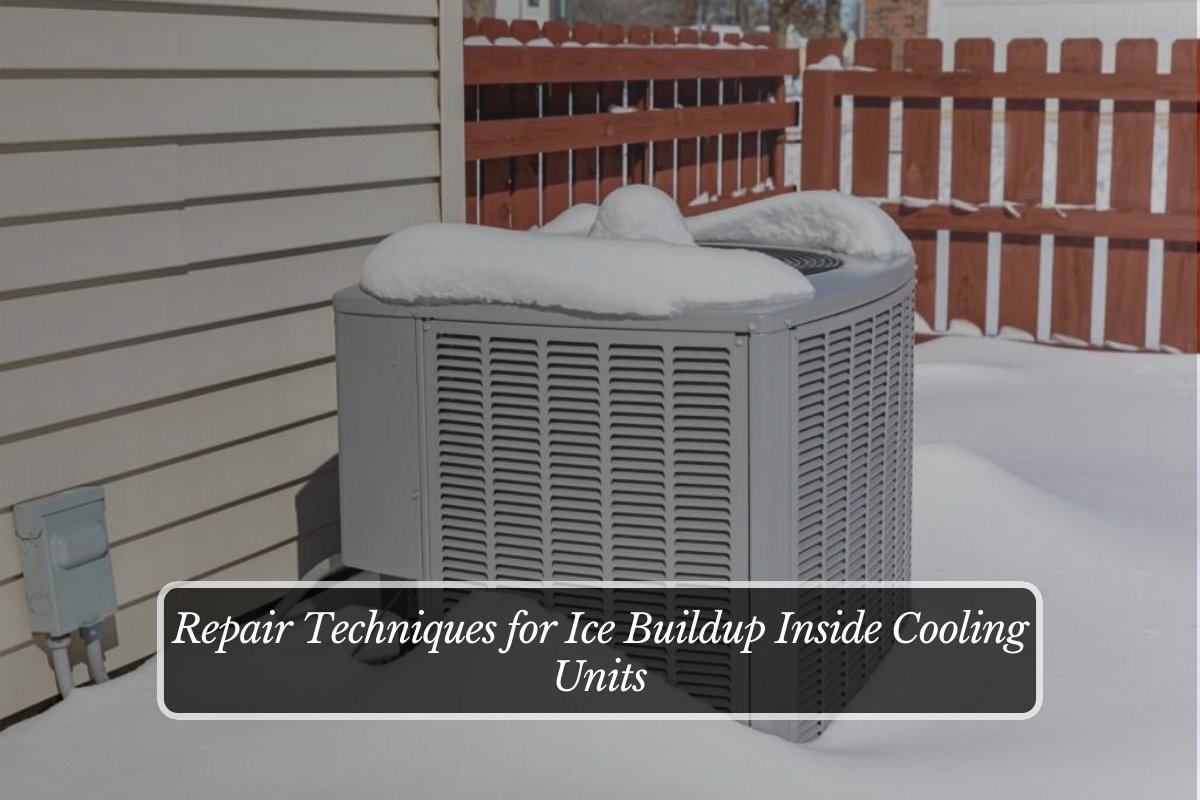
If your AC is running but not cooling, frozen coils may be the issue. Ice buildup is often caused by poor airflow or low refrigerant levels. Turn the system off and allow it to thaw completely—this may take several hours. Once thawed, replace the air filter and restart the system. If freezing happens again, professional service is likely needed.
Examine the Drain Line and Pan
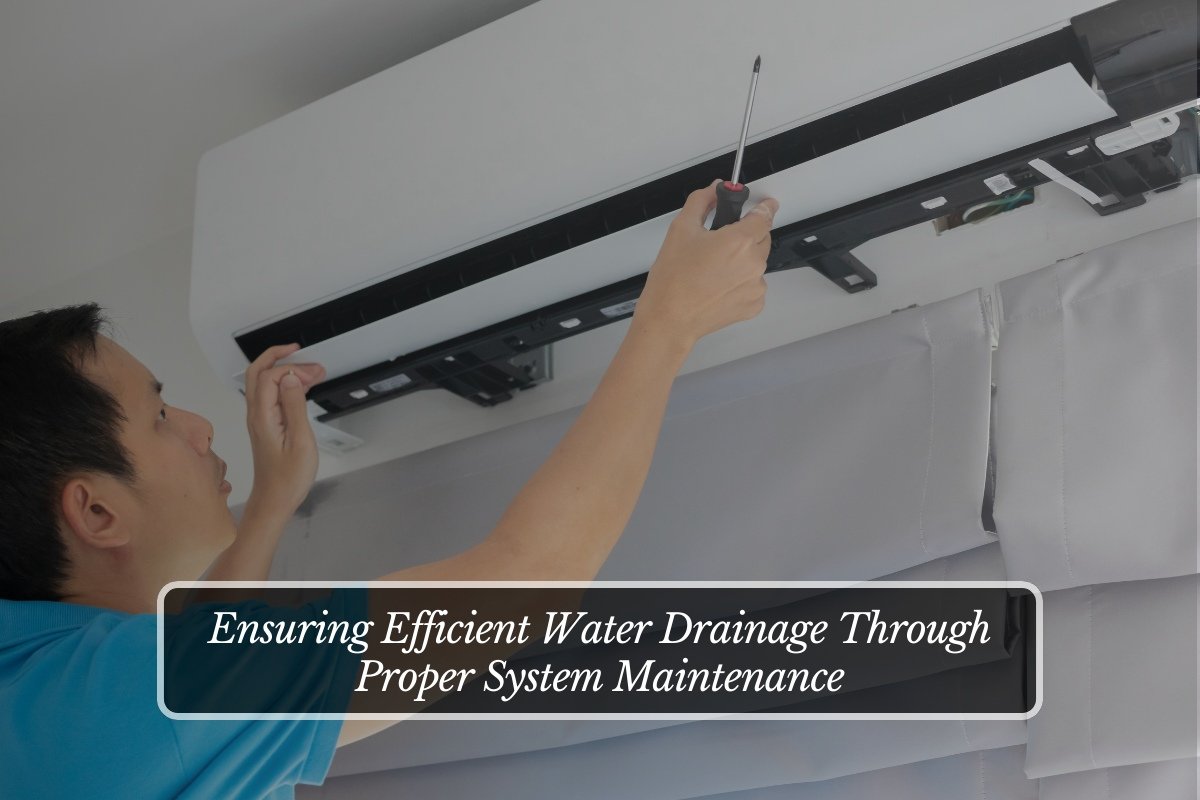
A clogged condensate drain line can trigger safety switches that shut the system down to prevent water damage. Check for standing water near the indoor unit. If visible, carefully clear the drain line using a wet/dry vacuum or gently flushing it with warm water. This simple step can quickly bring a system back online.
Reset the System
Sometimes, AC units shut down due to temporary electrical or sensor issues. After turning the system off at the thermostat and breaker, wait about five minutes before restarting. This reset can clear minor faults and restore normal operation, especially after power fluctuations.
Know When Not to Push It
If the AC is making loud grinding, screeching, or banging noises, or if you notice burning smells, turn the system off immediately. Continuing to run it may cause further damage. In these cases, quick action means stopping use and calling a qualified technician rather than attempting a fix.
Temporary Comfort While You Wait
If repairs cannot be completed immediately, use fans to improve air circulation, close curtains or blinds to reduce heat gain, and avoid using heat-producing appliances. These steps won’t fix the AC but can significantly improve comfort until professional help arrives.
Staying Prepared for Future Breakdowns
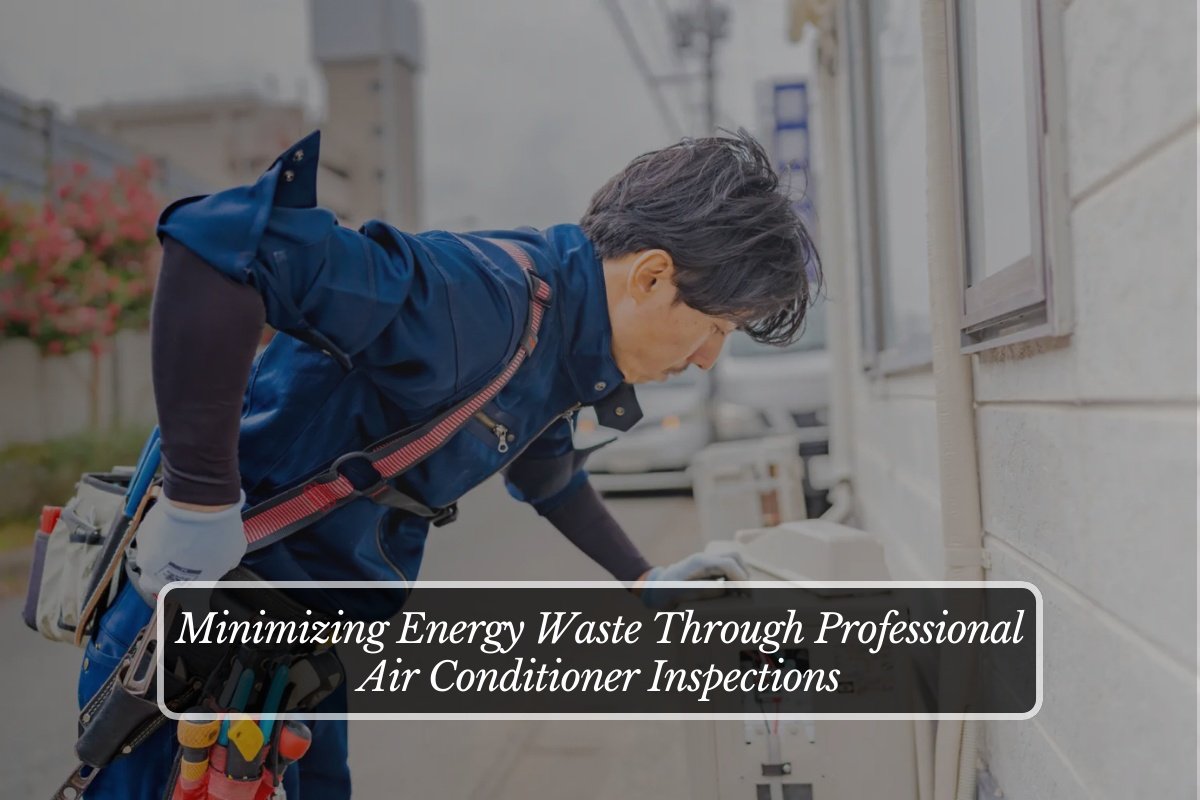
Many sudden AC failures are preventable with basic maintenance. Regular filter changes, seasonal inspections, and keeping the outdoor unit clean reduce the chances of emergency breakdowns. Knowing these quick repair solutions helps you respond calmly and effectively when problems arise.
FAQs
What is the most common cause of sudden AC failure?
Tripped breakers, dirty air filters, and thermostat issues are among the most common causes.
Can I run my AC if the coils are frozen?
No. Running the system with frozen coils can damage the compressor. Turn it off and let it thaw completely.
How often should AC filters be replaced?
Most filters should be replaced every one to three months, depending on usage and indoor air quality.
Is it safe to reset my AC unit?
Yes, resetting is safe for minor issues, as long as there are no unusual noises or burning smells.
When should I call a professional immediately?
Call a technician if there are electrical smells, loud mechanical noises, repeated freezing, or no power despite basic checks.