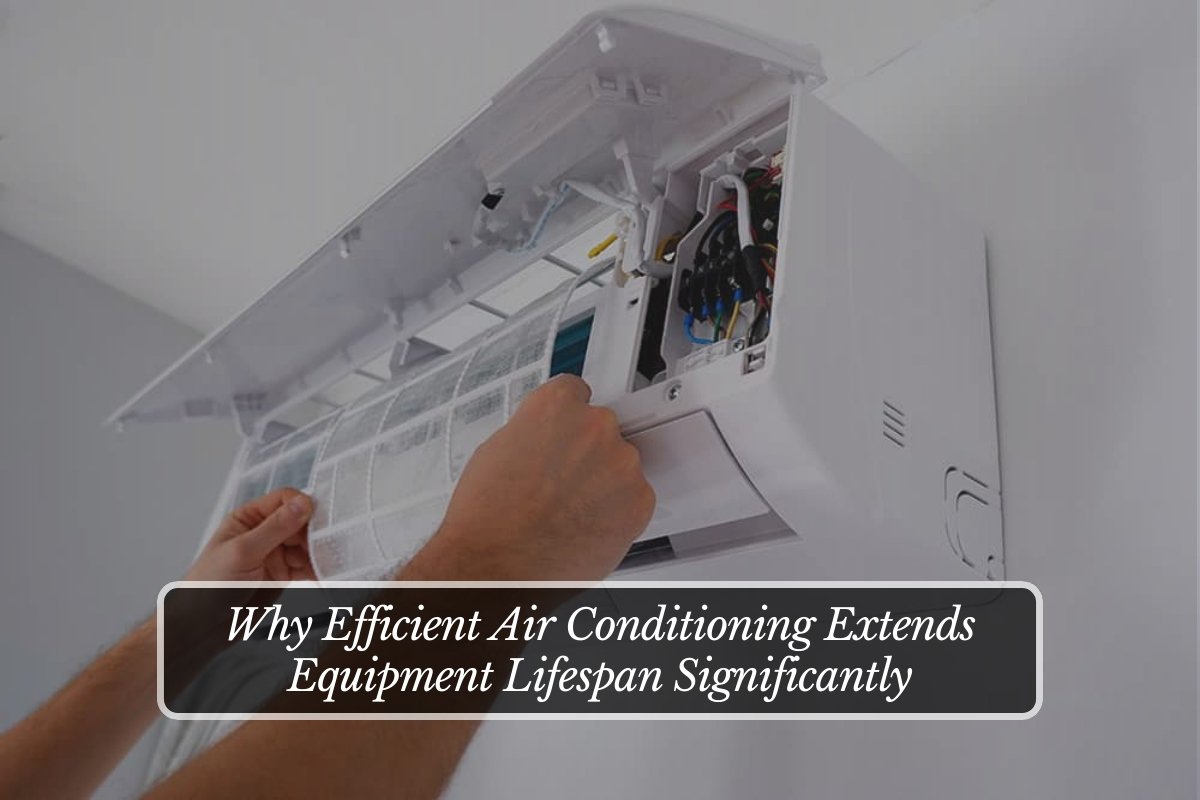
Air conditioning systems are major long-term investments, yet many fail earlier than expected due to avoidable strain and inefficiency. An efficient air conditioning system does more than reduce energy bills—it directly influences how long the equipment lasts. By operating under optimal conditions, efficient systems experience less wear, fewer failures, and significantly longer service lives compared to poorly maintained or inefficient units.
Reduced Mechanical Strain on Critical Components
Efficiency minimizes how hard an air conditioning system must work to cool a space. When airflow is balanced, coils are clean, and refrigerant levels are correct, components such as compressors, motors, and fans operate within their intended performance range.
Inefficient systems are forced to run longer and cycle more frequently to meet cooling demands. This constant strain accelerates mechanical wear, especially on compressors—the most expensive and failure-prone component in an AC system. Efficient operation protects these parts by reducing stress and heat buildup.
Fewer On-Off Cycles and Startup Stress
Every time an air conditioner starts, it experiences a surge of electrical and mechanical stress. Inefficient systems often short-cycle, turning on and off repeatedly due to poor airflow, incorrect sizing, or control issues.
Efficient systems maintain consistent cooling with longer, steadier run cycles. This stability reduces the number of startups, lowering cumulative stress on electrical components, capacitors, and motors—key factors in extending system lifespan.
Better Heat Transfer Protects Internal Components
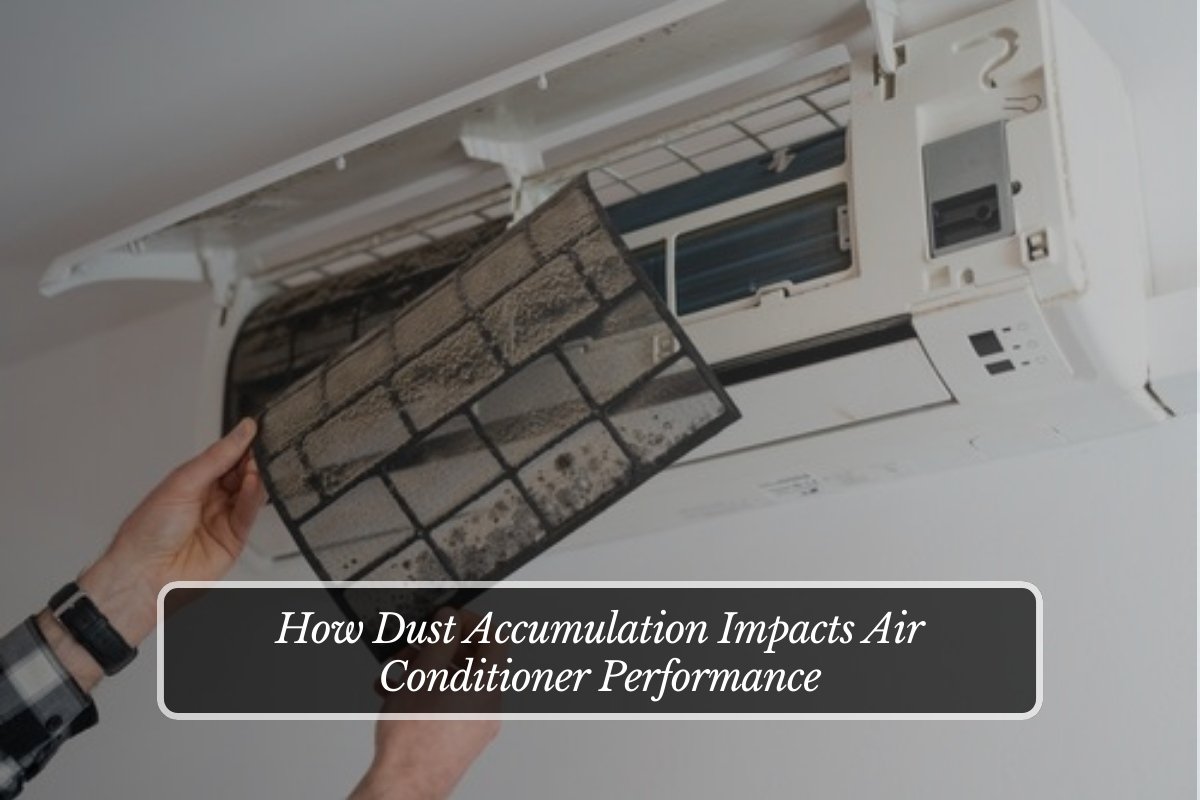
Efficiency depends heavily on effective heat transfer. Clean evaporator and condenser coils allow heat to move smoothly through the system. When coils are dirty or obstructed, heat becomes trapped, causing internal temperatures to rise.
Excess heat degrades insulation, weakens electrical connections, and accelerates component fatigue. Efficient systems disperse heat properly, keeping internal temperatures stable and preventing long-term damage.
Lower Risk of Refrigerant-Related Damage
Proper refrigerant charge is essential for efficiency. Systems operating with low or incorrect refrigerant levels must work harder to cool, often leading to overheating and compressor failure.
Efficient systems maintain correct pressure and flow, ensuring smooth operation and protecting internal seals and bearings. This balance prevents the cascading damage that often shortens the lifespan of inefficient units.
Improved Electrical Stability and Safety
Efficiency includes electrical integrity. Loose connections, voltage imbalances, or worn components force systems to draw excess power, increasing heat and failure risk.
Efficient systems operate with stable electrical loads, reducing stress on wiring, contactors, and control boards. Over time, this stability significantly lowers the likelihood of sudden electrical failures that can end a system’s life prematurely.
Reduced Moisture and Corrosion Damage
Efficient air conditioners manage humidity effectively. Proper moisture removal prevents condensation buildup inside the system, which can lead to corrosion, mold growth, and insulation damage.
By maintaining correct airflow and temperature differentials, efficient systems limit internal moisture exposure—another critical factor in extending equipment lifespan.
Maintenance Efficiency Compounds Longevity
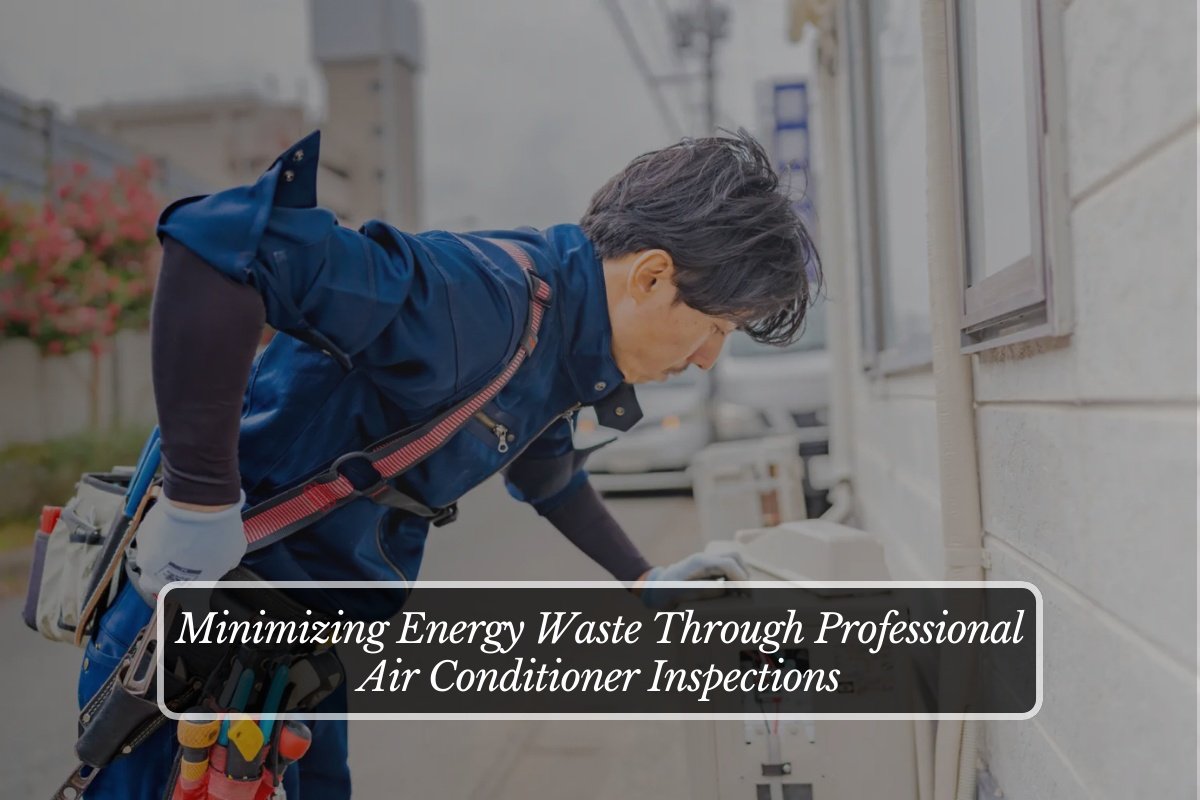
Efficiency and maintenance reinforce each other. Systems that run efficiently are easier to maintain, while regular maintenance preserves efficiency. This positive cycle slows degradation and keeps components operating within design tolerances year after year.
Neglected systems lose efficiency quickly, triggering a downward spiral of strain, repairs, and early failure.
Long-Term Financial and Performance Benefits
An efficient air conditioning system ages more gracefully. Fewer breakdowns, lower repair costs, and extended service life deliver better return on investment. Rather than replacing equipment prematurely, homeowners and businesses benefit from reliable performance over the full intended lifespan of the system.
Efficiency is not just about saving energy—it is about protecting the system itself.
FAQs
How does efficiency directly affect AC lifespan?
Efficient systems operate with less strain, heat, and cycling, which slows wear on critical components.
Can poor efficiency really shorten AC life?
Yes. Inefficiency forces systems to work harder and longer, accelerating mechanical and electrical failure.
What maintenance actions improve efficiency most?
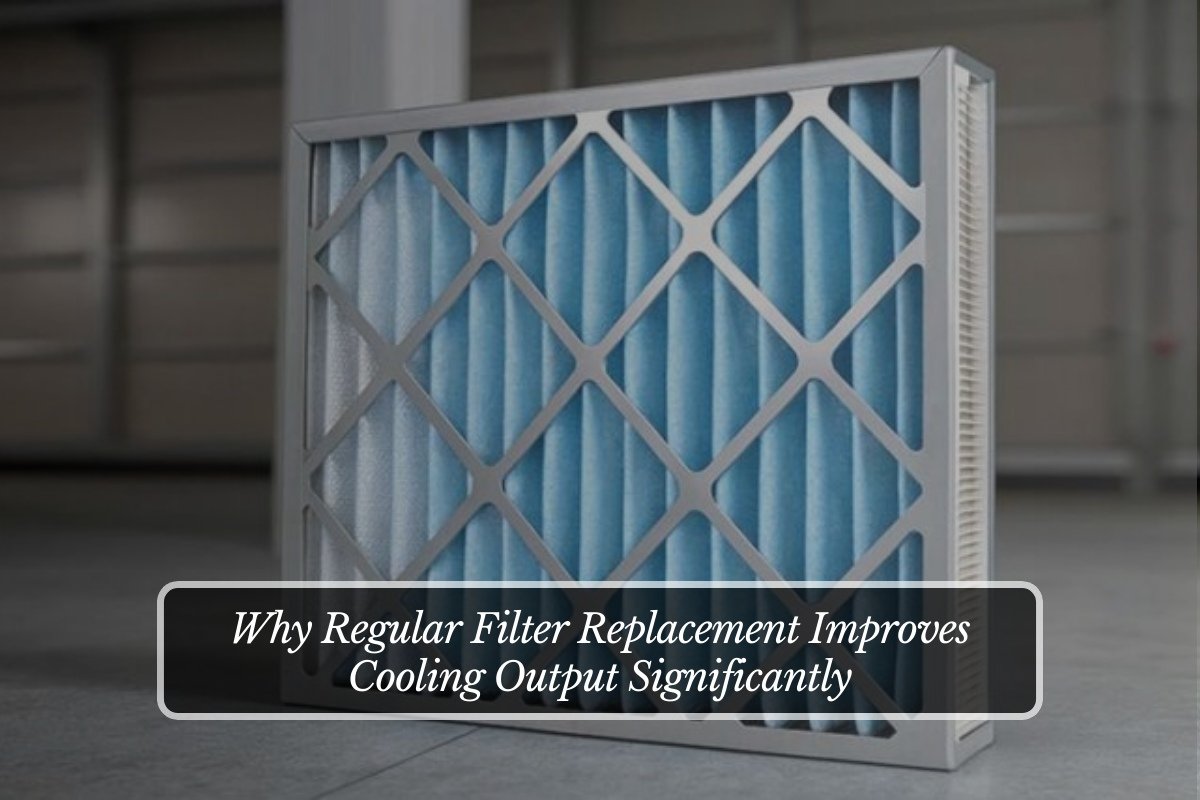
Cleaning coils, maintaining airflow, checking refrigerant levels, and inspecting electrical components have the greatest impact.
Does upgrading to a high-efficiency AC extend lifespan?
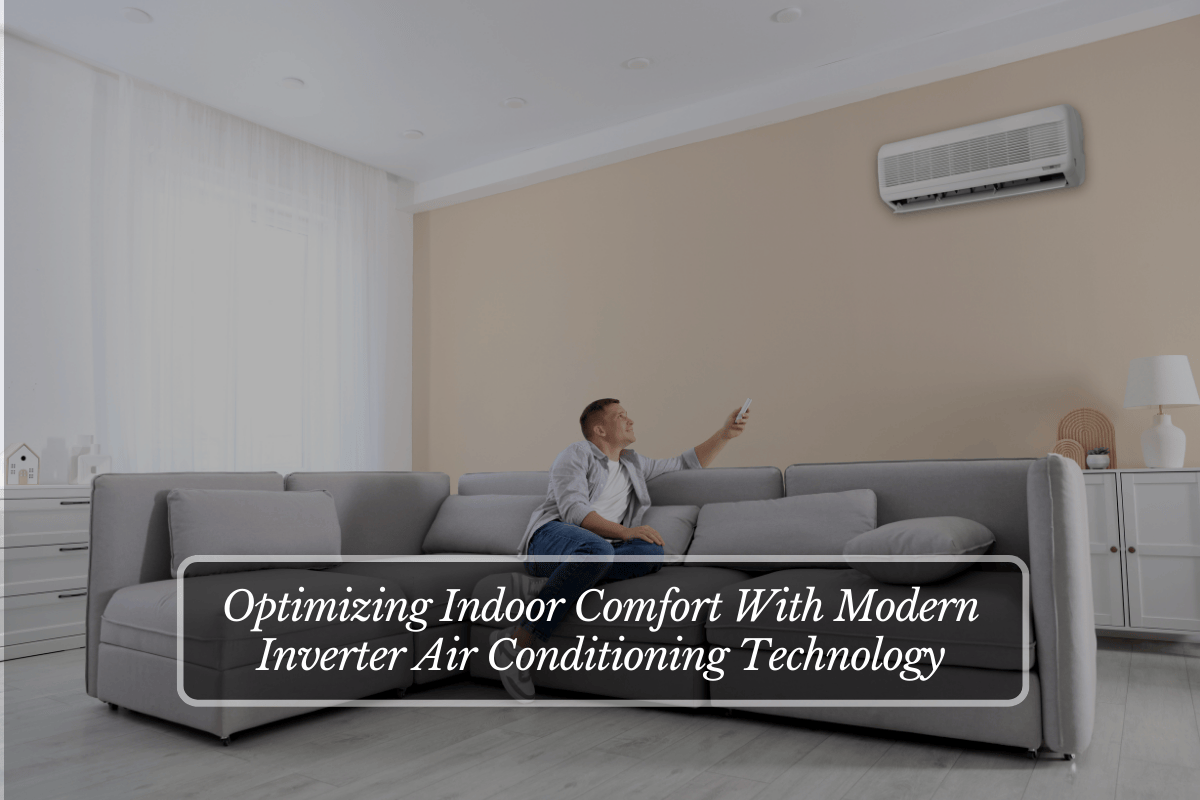
Modern high-efficiency systems are designed to operate more smoothly, often resulting in longer service life when properly maintained.
Is efficiency more important than system age?
Both matter, but an older system running efficiently often lasts longer than a newer system operating under constant strain.