Air conditioning systems often give little warning before performance drops or failures occur. Many problems develop quietly inside the unit, beyond what homeowners can see or hear. Professional AC inspections are designed to uncover these hidden issues early—before they escalate into breakdowns, comfort loss, or expensive repairs. Early detection protects both system longevity and indoor comfort.
Identifying Issues Beyond Surface Symptoms
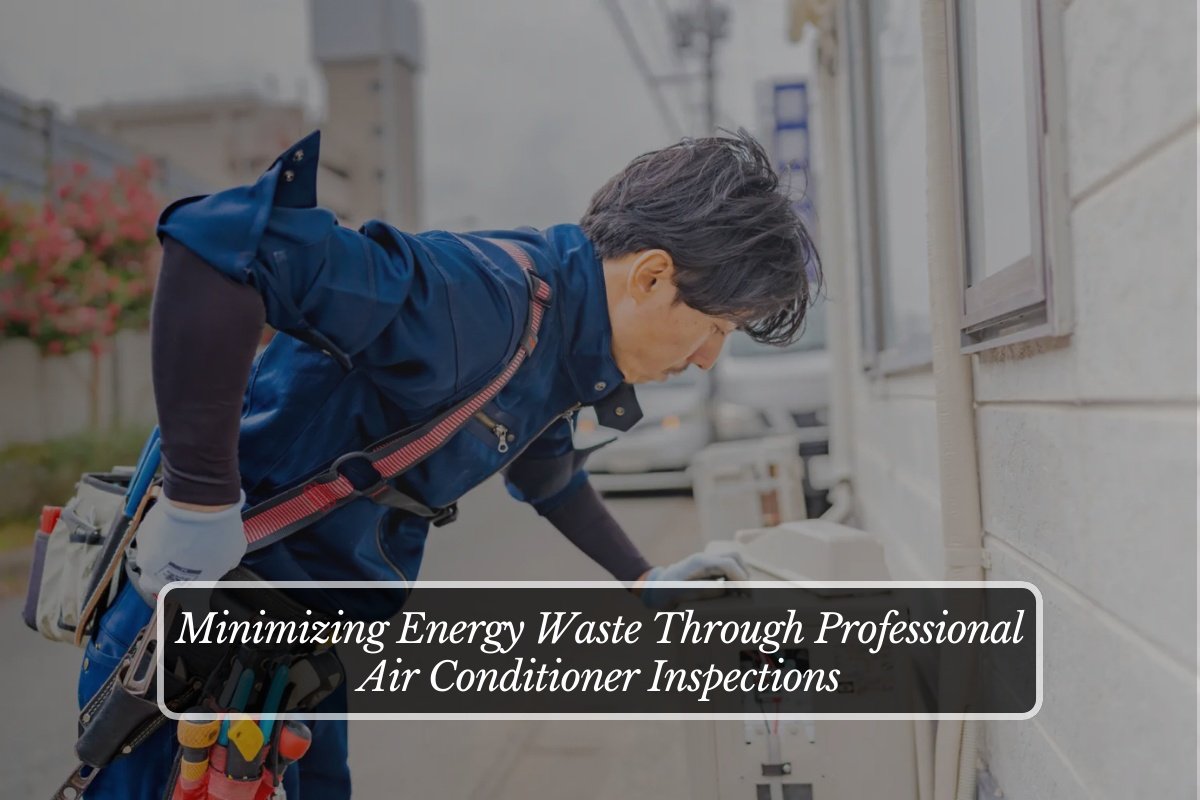
Homeowners typically notice AC problems only when cooling weakens, energy bills rise, or the system stops working altogether. By that point, damage is often advanced. Professional inspections go deeper, examining internal components that don’t show obvious symptoms.
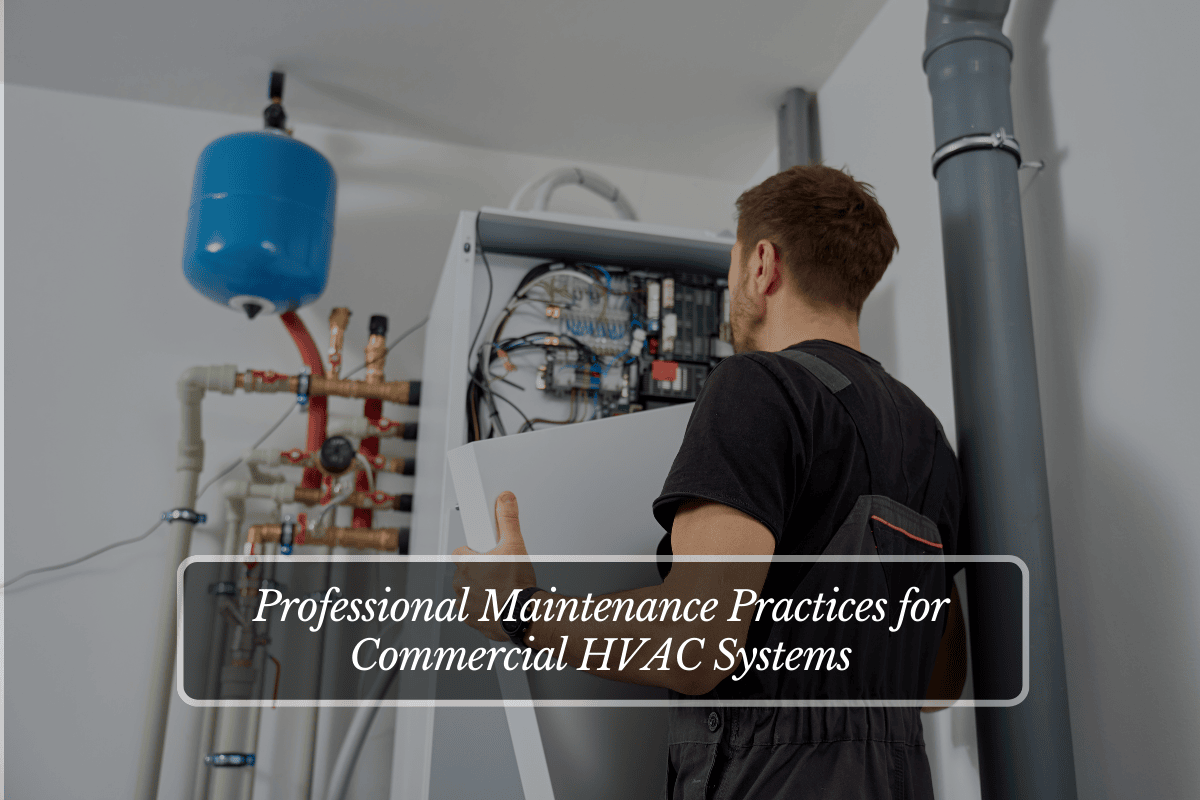
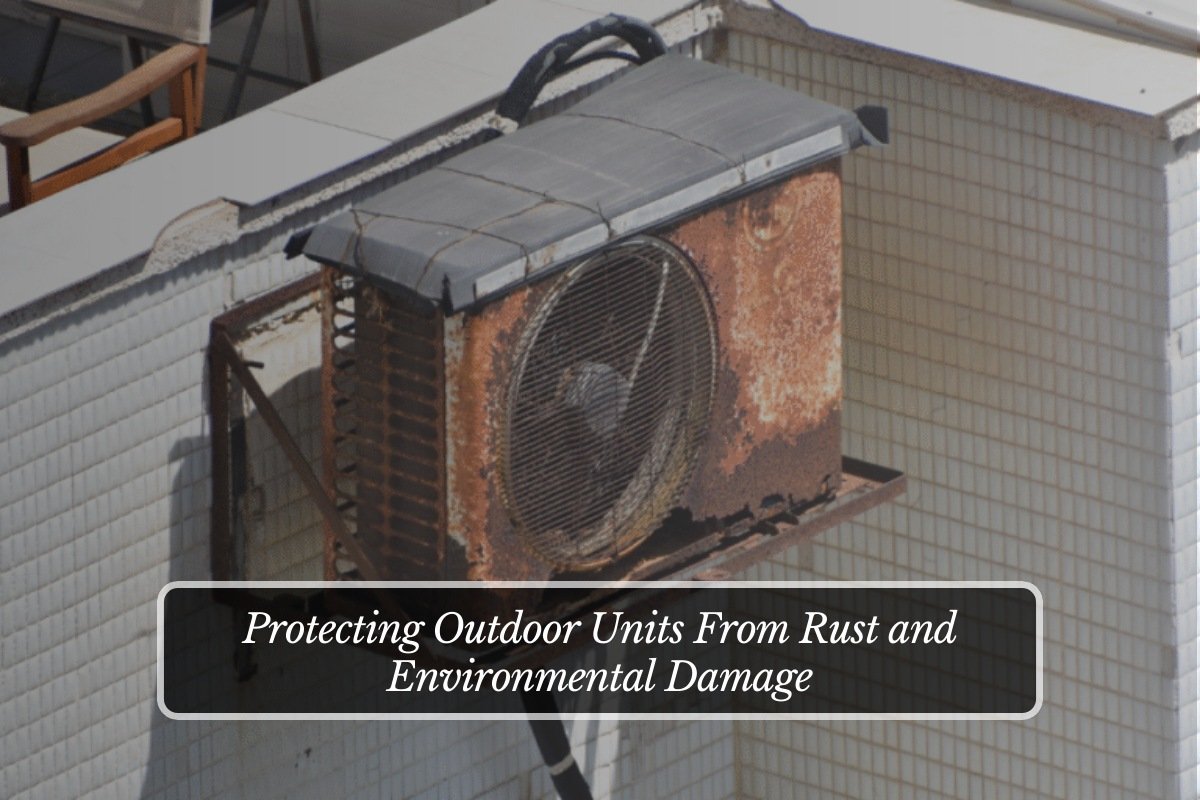
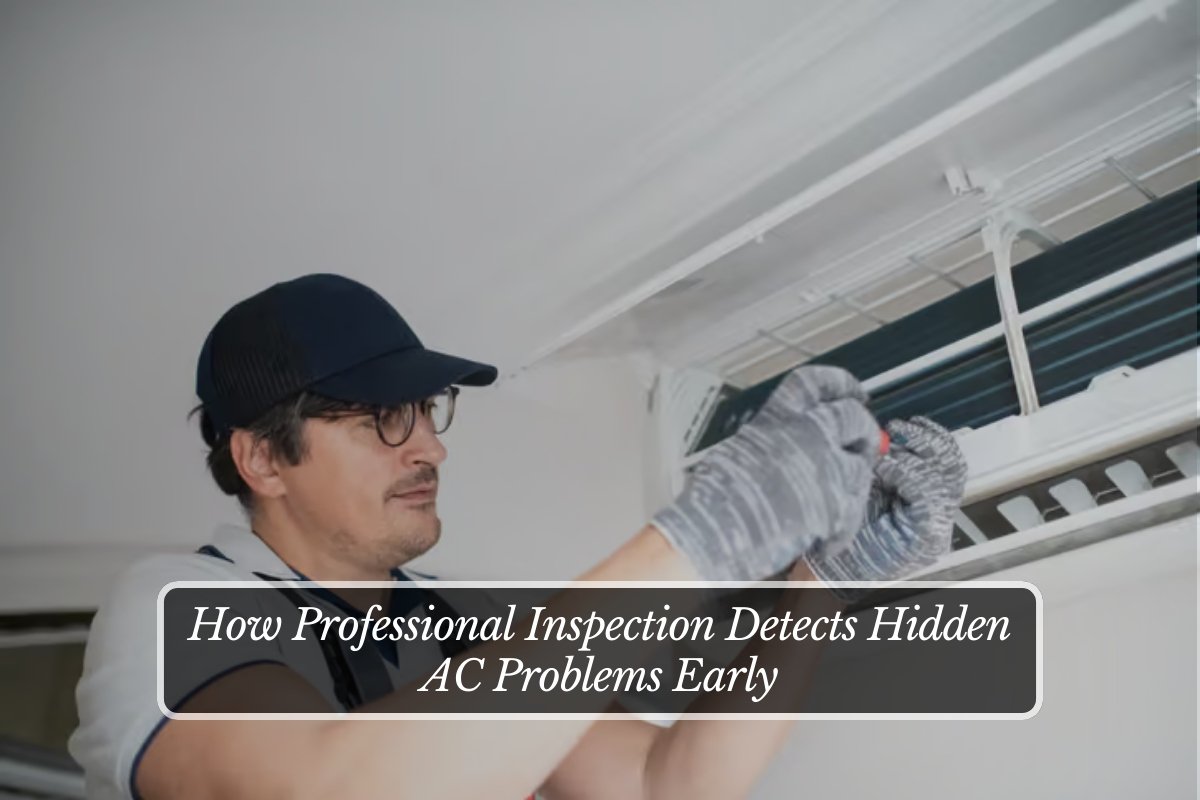
Technicians assess refrigerant levels, electrical connections, airflow balance, and mechanical wear. Small irregularities—like minor pressure imbalances or early corrosion—can signal developing problems long before performance visibly declines.
Detecting Refrigerant and Airflow Problems Early
Refrigerant issues are among the most damaging hidden AC problems. Low refrigerant may result from slow leaks that develop over time. Without inspection tools, these leaks often go unnoticed until the system struggles to cool or the compressor is damaged.
Professionals measure pressure levels, inspect coils, and test for leaks. Early detection allows for targeted repairs instead of full system replacement. Similarly, airflow problems caused by dirty coils, failing blower motors, or duct restrictions are identified through performance testing—not guesswork.
Preventing Electrical Failures and Safety Risks
Electrical components degrade gradually. Loose connections, worn capacitors, and stressed contactors can function intermittently for months before failing suddenly. These failures often occur during peak usage, when the system is under the greatest load.
Professional inspections include electrical testing to identify overheating, voltage irregularities, and component fatigue. Addressing these issues early reduces the risk of sudden shutdowns, system damage, or safety hazards.
Uncovering Hidden Wear and Mechanical Stress
AC systems rely on precise mechanical balance. Bearings wear, belts loosen, and motors strain over time—often without noticeable noise at first. Professional inspections identify subtle signs of mechanical stress, such as vibration patterns, uneven operation, or abnormal temperature readings.
Correcting these issues early reduces strain on major components like the compressor, which is one of the most expensive parts of the system.
Improving Energy Efficiency Through Early Detection
Hidden problems rarely remain isolated. A slightly dirty coil or minor airflow restriction forces the entire system to work harder. This leads to increased energy consumption and higher utility bills long before cooling performance drops noticeably.
By identifying inefficiencies early, professional inspections restore optimal operation. Improved efficiency not only lowers energy costs but also reduces wear, extending the system’s lifespan.
Protecting Indoor Comfort and Air Quality
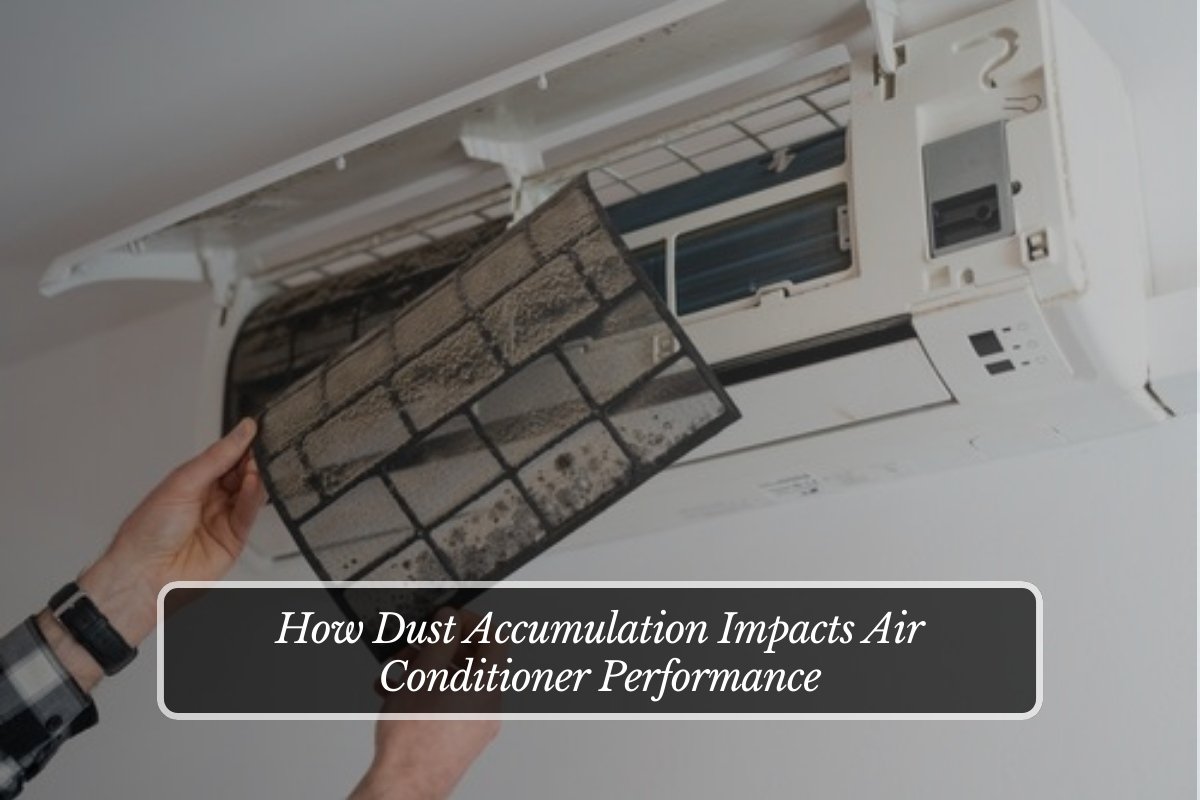
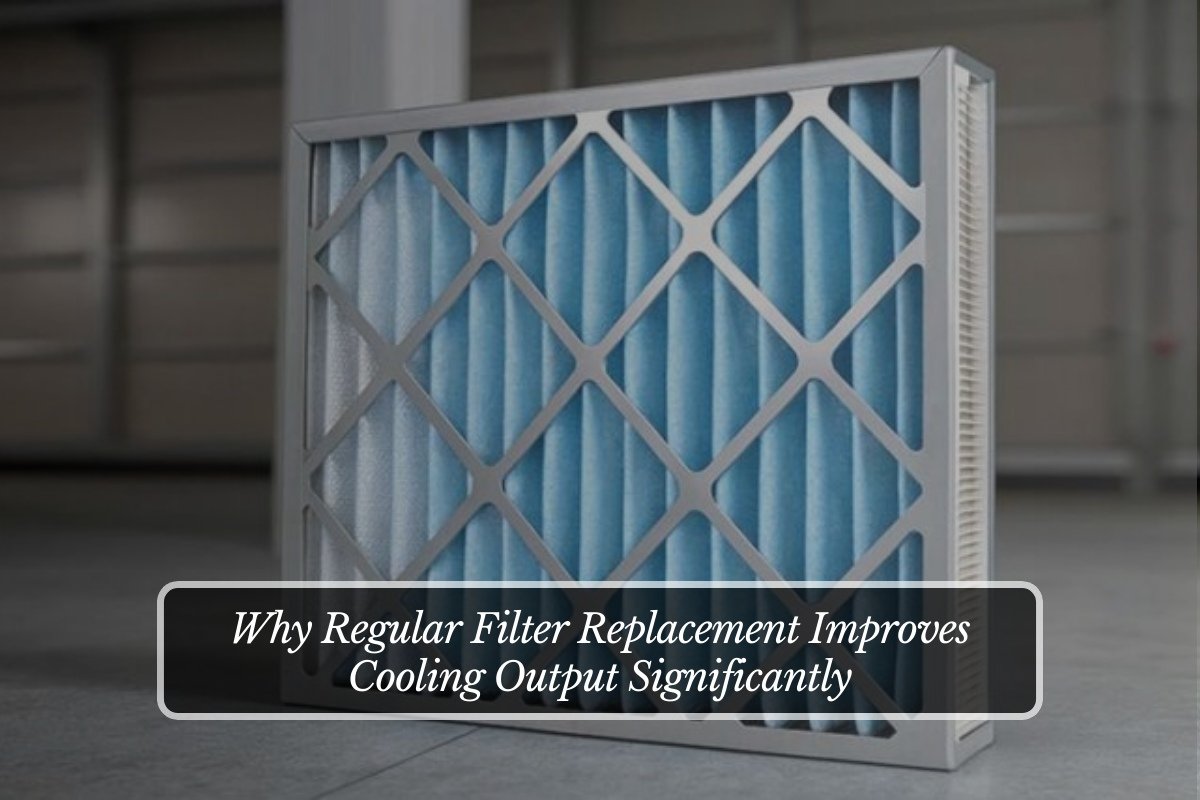
Hidden AC issues often affect more than temperature. Moisture imbalance, poor filtration, and reduced airflow can impact indoor air quality. Mold growth on coils, excess humidity, or dust circulation frequently develops unnoticed.
Professional inspections include cleaning, moisture assessment, and filter evaluation. Early intervention helps maintain healthier indoor air while preserving consistent comfort throughout the home.
Reducing Long-Term Repair Costs
One of the most important benefits of early detection is cost control. Small adjustments—tightening connections, cleaning components, or replacing inexpensive parts—prevent major failures later.
Professional inspections shift AC maintenance from reactive to proactive. Instead of emergency repairs during extreme heat, homeowners gain predictability, reliability, and long-term savings.
FAQs
What hidden AC problems are most commonly found during inspections?
Refrigerant leaks, electrical wear, airflow restrictions, dirty coils, and early mechanical stress are among the most common.
How often should an AC system be professionally inspected?
At least once a year, ideally before the peak cooling season begins.
Can inspections really prevent major AC breakdowns?
Yes. Most major failures develop from smaller issues that inspections are designed to catch early.
Do professional inspections improve energy efficiency?
Absolutely. Identifying and correcting inefficiencies helps systems run with less strain and lower energy use.
Is a professional inspection necessary if the AC seems to be working fine?
Yes. Many serious issues develop silently and are only detectable through professional testing and evaluation.