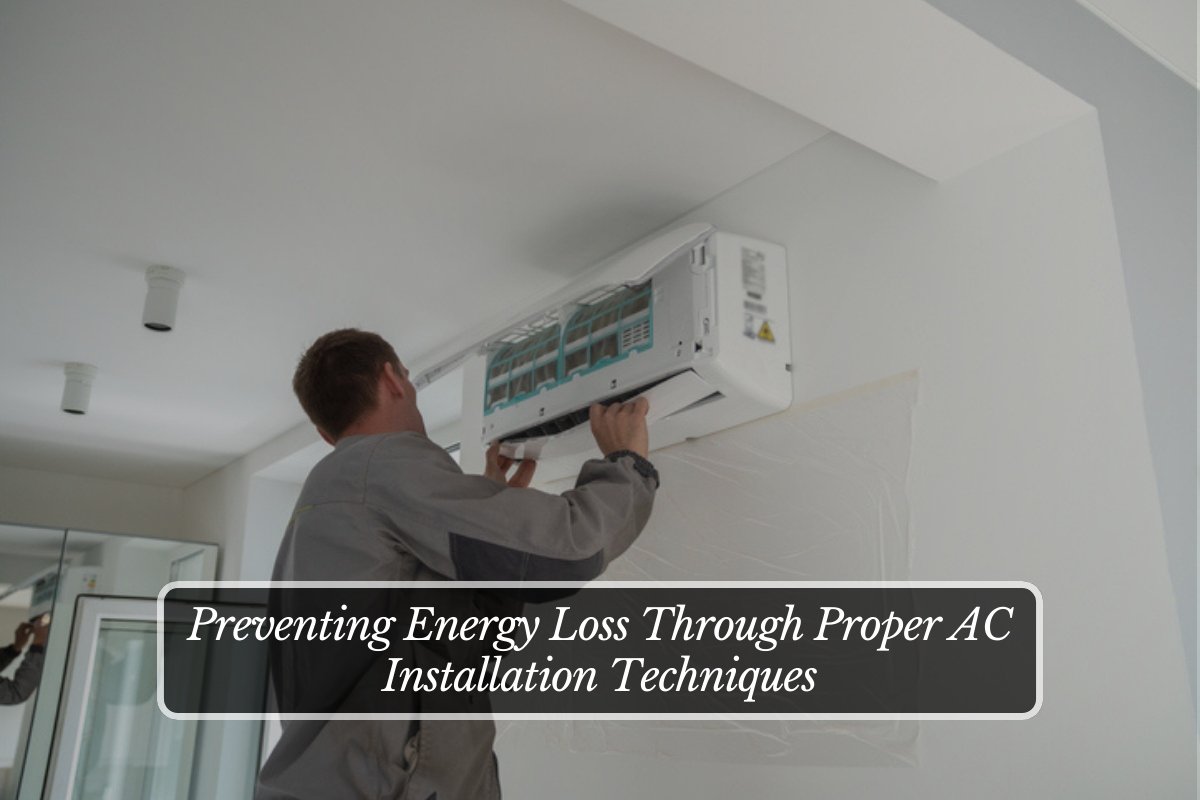
An air conditioning system’s efficiency is determined not only by its brand or rating, but by how well it is installed. Even the most energy-efficient AC unit can lose a significant portion of its performance if installation is rushed, inaccurate, or poorly planned. Proper AC installation techniques are essential for preventing energy loss, ensuring consistent comfort, and protecting long-term system reliability.
Why Installation Quality Matters More Than Many Realize
Studies consistently show that improper installation can reduce AC efficiency by 20–30% or more. Energy loss occurs when airflow, refrigerant flow, electrical connections, or system sizing are incorrect. These losses translate directly into higher utility bills, uneven cooling, and premature equipment wear.
Good installation ensures the system operates as designed, delivering maximum cooling with minimal energy waste.
Correct System Sizing Prevents Major Energy Waste
One of the most common installation mistakes is improper sizing. An oversized AC cools the space too quickly, cycling on and off frequently. This wastes energy, increases wear, and fails to control humidity. An undersized unit runs continuously, consuming excess power without reaching comfort levels.
Proper sizing involves a detailed load calculation that considers:
- Home size and layout
- Insulation quality
- Window placement and sun exposure
- Local climate
Accurate sizing is the foundation of energy-efficient operation.
Proper Ductwork Design and Sealing
Ductwork plays a major role in energy retention. Leaky, poorly designed, or uninsulated ducts can lose 20–40% of cooled air before it reaches living spaces.
Energy loss is prevented by:
- Sealing all duct joints and connections
- Using properly sized ducts to avoid pressure loss
- Insulating ducts in unconditioned spaces
Well-installed duct systems ensure cooled air is delivered efficiently and evenly.
Ensuring Correct Refrigerant Charge
Refrigerant levels must be precisely matched to manufacturer specifications. Too little refrigerant reduces cooling capacity and forces the system to work harder. Too much refrigerant increases pressure and reduces efficiency.
Professional installation includes:
- Measuring refrigerant using proper instruments
- Verifying system pressures and temperatures
- Adjusting charge based on actual operating conditions
Correct refrigerant charge is critical for preventing hidden energy loss.
Optimizing Airflow Across the System
Airflow issues are a major but often invisible cause of energy waste. Poor airflow forces the AC to run longer to achieve the same result.
Proper airflow installation includes:
- Correct blower speed settings
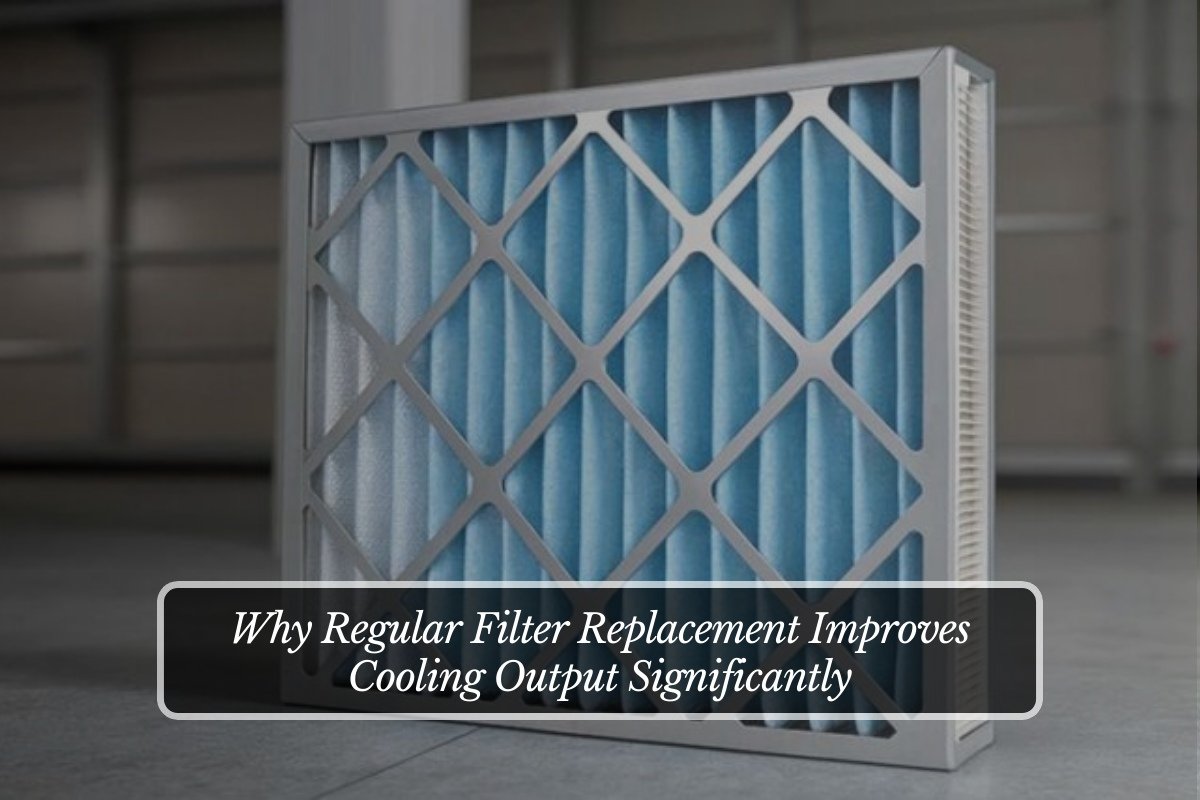
- Clean, properly sized air filters
- Balanced supply and return vents
Balanced airflow ensures efficient heat removal and consistent comfort throughout the home.
Strategic Placement of Indoor and Outdoor Units
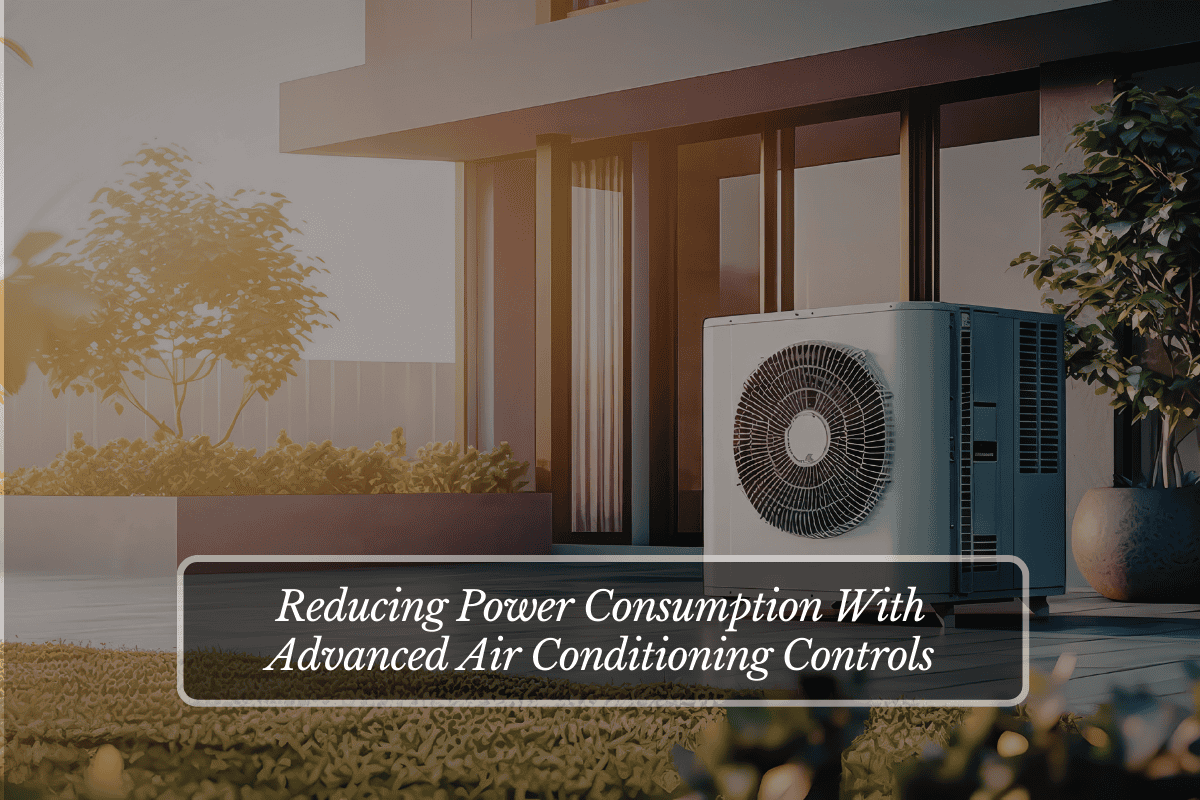
Where AC components are installed affects efficiency. Outdoor units placed in direct sunlight or near heat sources must work harder to release heat. Indoor units installed without regard to air circulation may cool unevenly.
Energy-efficient placement involves:
- Shading and ventilation for outdoor units
- Centralized indoor unit positioning
- Avoiding obstructions that restrict airflow
Thoughtful placement reduces unnecessary energy demand.
Electrical Connections and Control Calibration
Loose wiring, incorrect voltage, or misconfigured controls can lead to inefficiency and system stress. Professional installation ensures all electrical components are secure, correctly rated, and properly calibrated.
Thermostat placement and setup are equally important. Incorrect sensor location or poor calibration can cause overcooling and wasted energy.
Insulation and Sealing Around Installation Points
Energy loss often occurs around the AC installation itself. Gaps around refrigerant lines, drain lines, and wall penetrations allow cooled air to escape and warm air to enter.
Sealing and insulating these areas:
- Prevents thermal leakage
- Improves indoor temperature stability
- Reduces overall system runtime
Small gaps can create surprisingly large efficiency losses.
Commissioning and Performance Testing
A complete installation ends with system commissioning—testing the AC under real operating conditions. This step verifies airflow, temperatures, pressures, and electrical performance.
Commissioning ensures:
- The system performs as designed
- No hidden inefficiencies remain
- Energy loss is minimized from day one
Skipping this step often leads to ongoing inefficiency that goes unnoticed.
FAQs
Can poor installation really increase energy bills significantly?
Yes. Improper installation can reduce efficiency by up to 30%, leading to noticeably higher energy costs.
Is AC sizing more important than the unit’s efficiency rating?
Both matter, but even the highest-rated unit will waste energy if it is incorrectly sized.
How can homeowners tell if their AC was installed properly?
Signs include even cooling, stable humidity, reasonable energy bills, and quiet, consistent operation.
Does duct sealing really make a big difference?
Yes. Leaky ducts are one of the largest sources of energy loss in cooling systems.
Should installation always include system testing?
Absolutely. Performance testing and commissioning are essential to confirm efficient operation and prevent hidden energy loss.