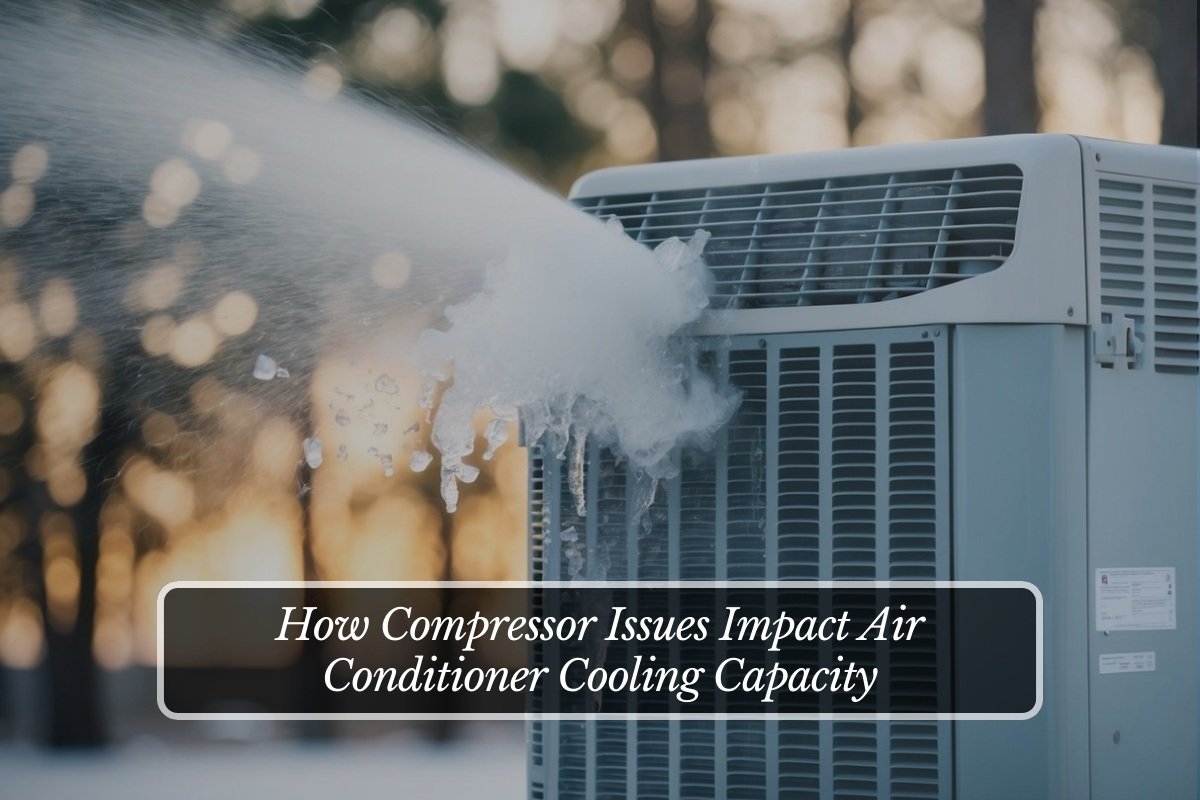
The compressor is often called the heart of an air conditioning system—and for good reason. It is responsible for circulating refrigerant and enabling heat transfer, which makes cooling possible. When compressor issues arise, the air conditioner’s cooling capacity drops sharply, leading to poor comfort, higher energy bills, and potential system failure. Understanding how compressor problems affect cooling helps homeowners recognize issues early and avoid costly repairs.
The Role of the Compressor in Cooling
An air conditioner cools by moving heat from inside the home to the outdoors. The compressor plays a central role in this cycle by compressing low-pressure refrigerant gas into a high-pressure, high-temperature state. This allows the refrigerant to release heat outdoors before returning indoors to absorb more heat.
If the compressor cannot maintain proper pressure or circulation, the entire cooling process becomes inefficient or stops altogether. Even small compressor faults can significantly reduce cooling output.
Reduced Refrigerant Flow and Cooling Loss
One of the most direct impacts of compressor issues is reduced refrigerant flow. A weak or failing compressor cannot move refrigerant at the required rate. As a result, less heat is absorbed from indoor air, and the system struggles to lower room temperatures.
This often appears as an air conditioner that runs continuously but delivers only lukewarm air. The system is technically “on,” but its cooling capacity is severely compromised.
Pressure Imbalances and Inefficient Heat Transfer
Compressors are designed to maintain precise pressure differences between the high-pressure and low-pressure sides of the system. Mechanical wear, valve damage, or electrical faults can disrupt this balance.
When pressure levels are incorrect:
- The evaporator coil may not get cold enough to absorb heat
- The condenser may fail to release heat efficiently
- The system may short cycle or overheat
These issues reduce overall cooling performance and increase strain on other components.
Overheating and Automatic Shutdowns
A malfunctioning compressor often overheats due to friction, electrical resistance, or poor lubrication. Modern air conditioners are equipped with safety mechanisms that shut the system down when overheating is detected.
While these shutdowns protect the compressor from catastrophic damage, they also interrupt cooling. Frequent shutdowns prevent the air conditioner from maintaining consistent indoor temperatures, making cooling unreliable and uneven.
Electrical Problems and Start-Up Failures
Compressors rely on electrical components such as capacitors and contactors to start and run properly. Electrical faults can prevent the compressor from starting at all or cause it to stop intermittently.
When the compressor fails to start:
- The fan may run without cooling
- Indoor air circulation continues, but temperatures rise
- Energy is wasted without effective cooling
These symptoms are often mistaken for thermostat or airflow problems, delaying proper diagnosis.
Increased Energy Consumption With Less Cooling
A struggling compressor often draws more power while delivering less cooling. This inefficiency leads to higher electricity bills without improved comfort. Over time, the added strain accelerates wear on the compressor and other system components.
Ignoring early compressor issues can turn a minor repair into a full compressor replacement—or even the need for a new air conditioning system.
Long-Term Impact on System Lifespan
Compressor problems rarely exist in isolation. Reduced cooling capacity forces the system to run longer cycles, increasing stress on coils, fans, and electrical parts. This chain reaction shortens the overall lifespan of the air conditioner.
Timely maintenance and professional inspections help identify compressor issues before they escalate, preserving both cooling performance and system longevity.
Conclusion
Compressor issues have a direct and serious impact on an air conditioner’s cooling capacity. From reduced refrigerant flow and pressure imbalances to overheating and electrical failures, any problem with the compressor weakens the system’s ability to remove heat effectively. Addressing compressor issues early is essential for maintaining reliable cooling, controlling energy costs, and avoiding major system breakdowns.
FAQs
Can an air conditioner run if the compressor is failing?
Yes, but cooling capacity will be reduced. The system may run continuously, blow warm air, or shut down frequently due to safety controls.
What are early signs of compressor problems?
Common signs include weak cooling, loud noises, frequent cycling, higher energy bills, and the AC running without lowering temperatures.
Does low refrigerant damage the compressor?
Yes. Low refrigerant can cause the compressor to overheat and operate under improper pressure, leading to long-term damage.
Can compressor issues be repaired, or do they require replacement?
Some issues, such as electrical component failures, can be repaired. Severe mechanical damage often requires compressor replacement.
How can compressor problems be prevented?
Regular maintenance, proper refrigerant levels, clean coils, and prompt attention to unusual noises or performance changes help prevent compressor damage.