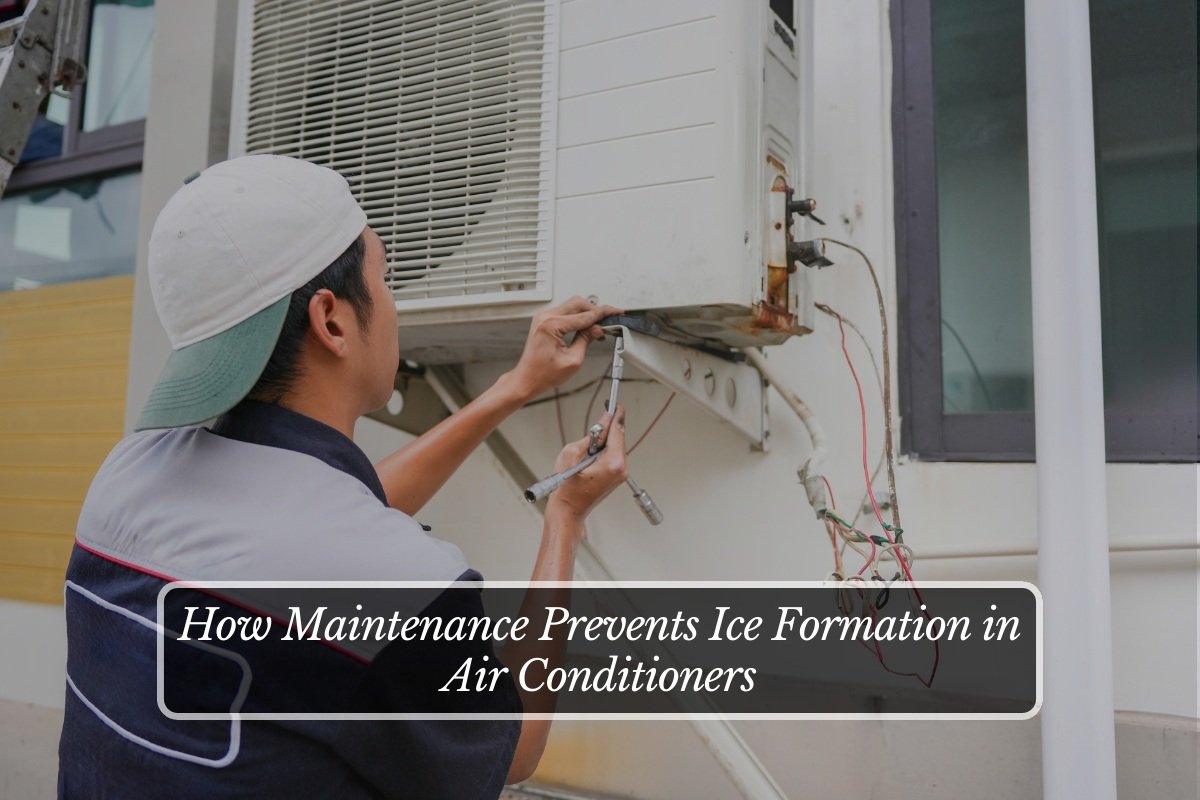
Ice formation on air conditioners is a common problem that reduces cooling efficiency, increases energy consumption, and can eventually damage the system. While ice may seem like a sign that the unit is “working hard,” it actually indicates an underlying issue—most often related to airflow, refrigerant balance, or moisture control. Regular maintenance plays a crucial role in preventing these conditions and keeping an air conditioner running efficiently.
Understanding Why Ice Forms in Air Conditioners
Ice forms when the temperature of the evaporator coil drops below freezing while moisture is present. Under normal conditions, warm indoor air flows over the coil, allowing refrigerant to absorb heat and cool the air. If something disrupts this balance, condensation on the coil can freeze and gradually build into a layer of ice.
Common causes include restricted airflow, low refrigerant levels, dirty components, or faulty controls. Maintenance addresses these root problems before ice has a chance to form.
Maintaining Proper Airflow
Adequate airflow is essential to prevent ice buildup. When airflow is restricted, the evaporator coil cannot absorb enough heat, causing its temperature to fall below freezing.
Routine maintenance ensures airflow remains unobstructed by:
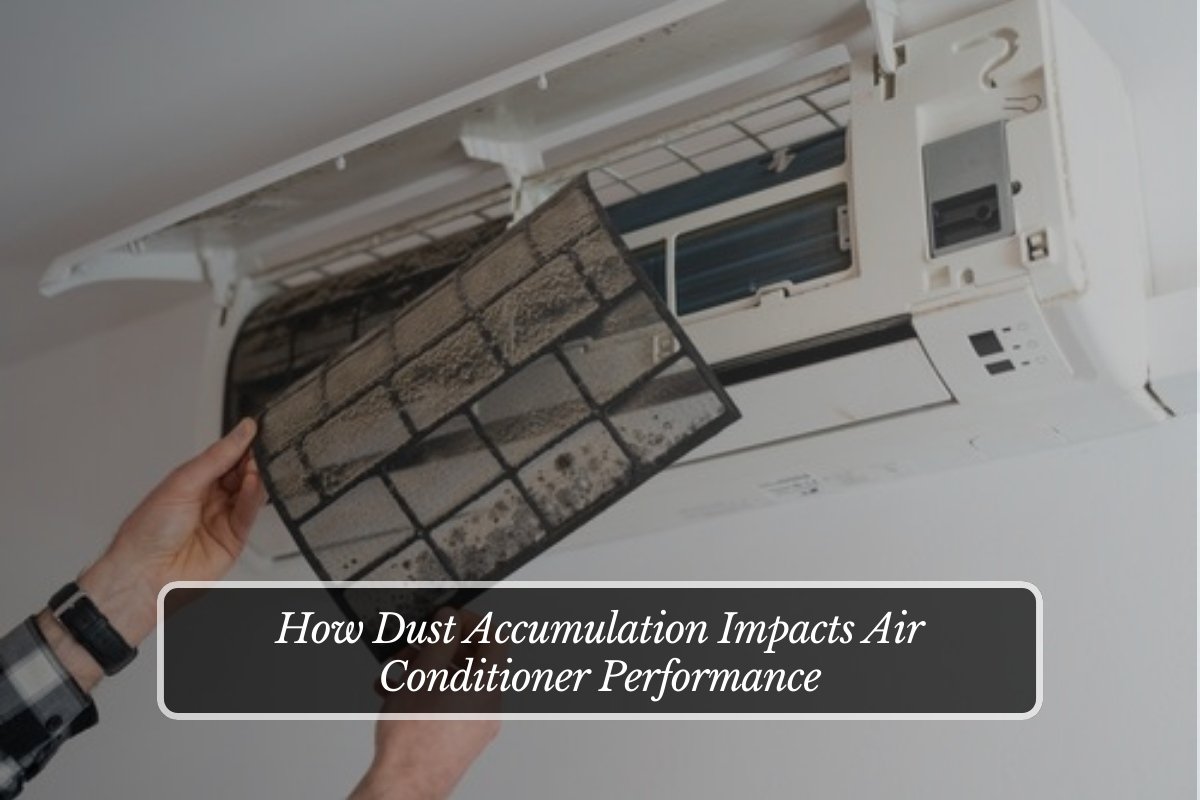
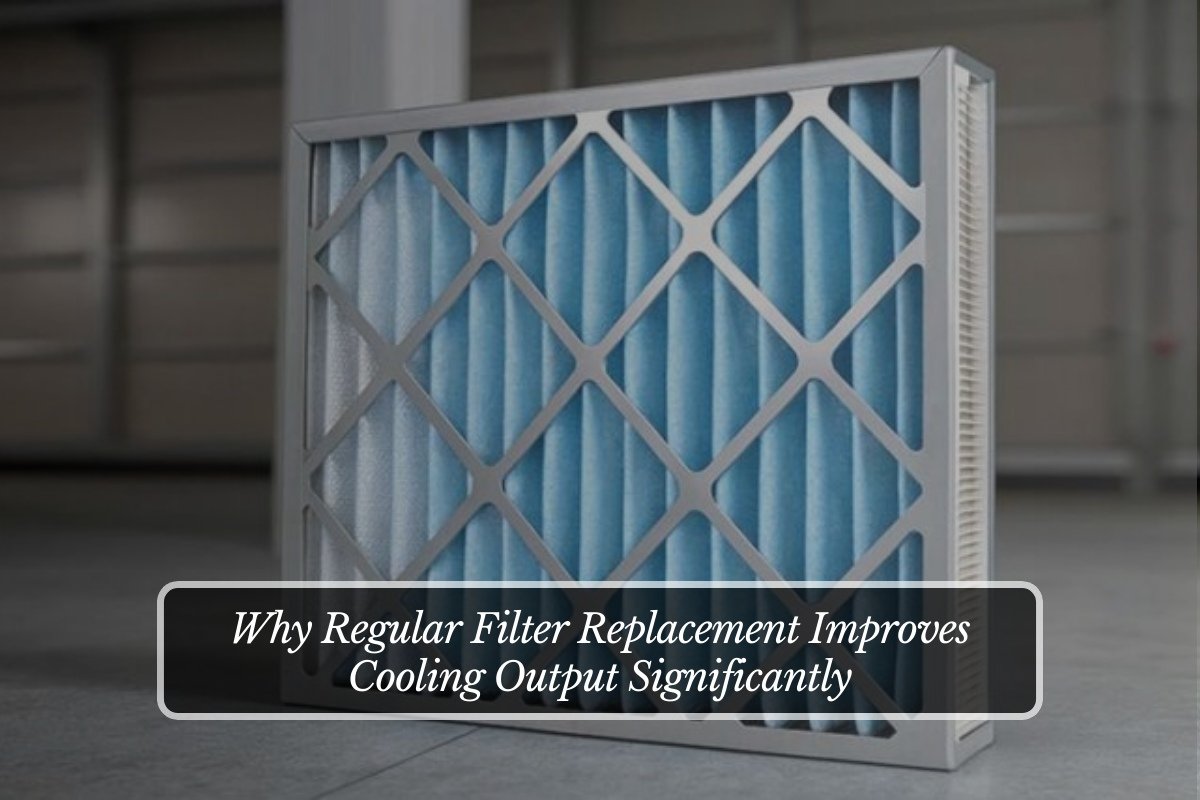
- Cleaning or replacing clogged air filters
- Removing dust and debris from evaporator and condenser coils
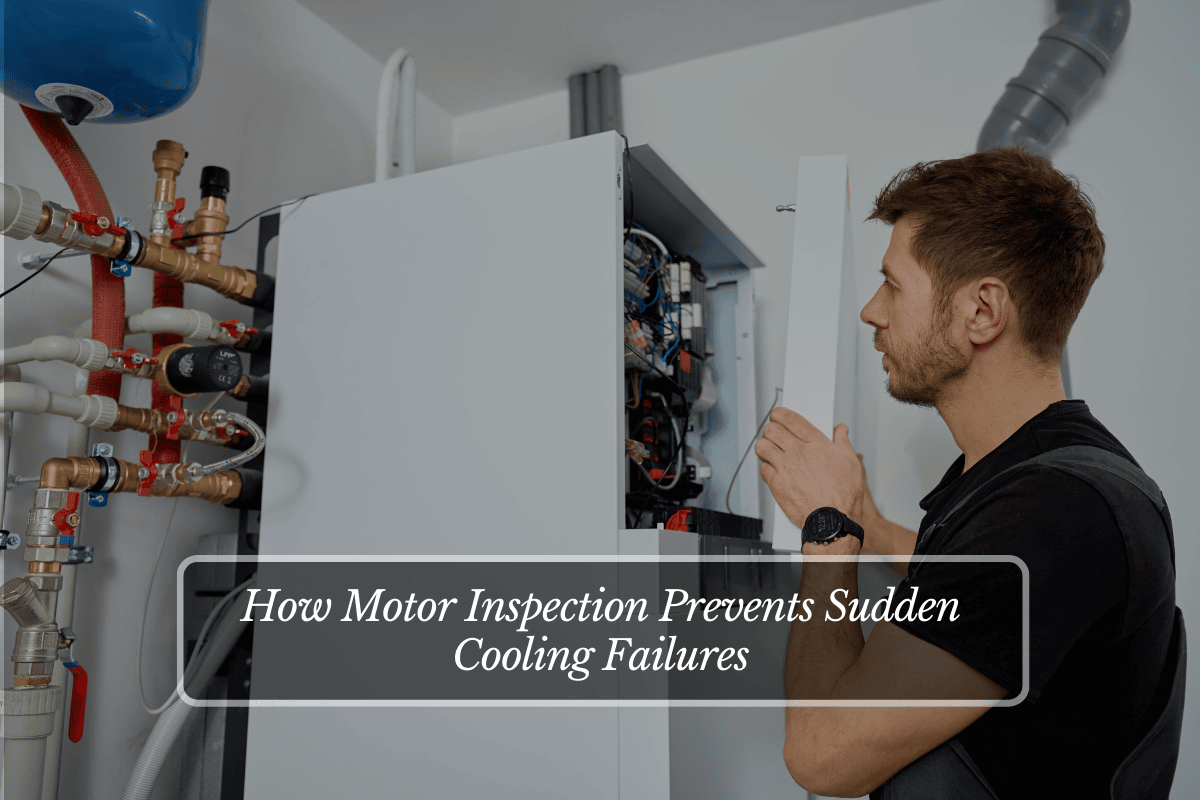
- Checking blower fans and ducts for blockages or damage
Clean components allow warm air to circulate freely, keeping coil temperatures above freezing and preventing condensation from turning into ice.
Keeping Evaporator Coils Clean
Dirty evaporator coils are one of the most common contributors to icing. Dust and grime act as insulation, reducing the coil’s ability to absorb heat efficiently. As a result, refrigerant remains too cold for too long, encouraging ice formation.
Regular coil cleaning during maintenance restores proper heat exchange. This keeps coil temperatures stable and ensures moisture drains away as water rather than freezing on the surface.
Ensuring Correct Refrigerant Levels
Low refrigerant levels reduce pressure in the system, which lowers the boiling point of the refrigerant. This can cause the evaporator coil to become excessively cold, leading to ice buildup.
Professional maintenance includes checking refrigerant levels and inspecting for leaks. By maintaining the correct refrigerant charge, technicians help the system operate within safe temperature ranges, preventing icing and protecting the compressor from damage.
Inspecting Drainage Systems
Moisture removal is a normal part of air conditioning. Condensation forms on the evaporator coil and drains away through a condensate line. If this drainage system becomes clogged, water can collect and freeze on or near the coil.
Maintenance involves clearing drain lines, inspecting drain pans, and ensuring proper slope and flow. Efficient moisture removal significantly reduces the risk of ice forming inside the unit.
Verifying Thermostat and Sensor Accuracy
Faulty thermostats or temperature sensors can cause the system to run longer than necessary or misread coil temperatures. This can result in overcooling and freezing.
During maintenance, technicians test and calibrate these controls to ensure the air conditioner cycles on and off correctly. Accurate sensors help maintain stable operating temperatures and prevent unnecessary ice formation.
Long-Term Benefits of Preventive Maintenance
Preventing ice formation is just one advantage of regular air conditioner maintenance. Consistent servicing also:
- Improves energy efficiency
- Extends system lifespan
- Reduces repair costs
- Maintains consistent indoor comfort
By addressing small issues early, maintenance prevents the chain reactions that often lead to icing and major system failures.
Ice formation in air conditioners is rarely a random occurrence—it is usually the result of neglected maintenance. Clean airflow paths, proper refrigerant levels, effective moisture drainage, and accurate controls all work together to keep the system operating above freezing temperatures. Regular maintenance not only prevents ice buildup but also ensures reliable, efficient, and long-lasting cooling performance.
FAQs
Why does my air conditioner freeze up even in warm weather?
An air conditioner can freeze in warm weather if airflow is restricted, refrigerant levels are low, or components like coils and filters are dirty. These conditions cause the evaporator coil to become too cold, leading to ice formation.
How often should AC maintenance be done to prevent ice buildup?
Routine maintenance should be performed at least once a year, ideally before the cooling season begins. In dusty environments or heavy-use systems, filter checks and cleaning may be needed more frequently.
Can a dirty air filter really cause ice on the AC?
Yes. A clogged air filter restricts airflow over the evaporator coil, reducing heat absorption and allowing moisture on the coil to freeze.
Is it safe to run an air conditioner when ice is present?
No. Running an air conditioner with ice buildup can damage the compressor and other components. The system should be turned off and inspected before further use.
Will adding refrigerant fix an icing problem?
Only if low refrigerant is the root cause. Adding refrigerant without fixing leaks or airflow issues can worsen the problem. A professional inspection is recommended.
Can homeowners prevent AC icing without professional help?
Homeowners can help by regularly replacing filters, keeping vents clear, and ensuring outdoor units are clean. However, refrigerant checks and coil servicing should be handled by professionals.
Does regular maintenance reduce energy costs as well?
Yes. A well-maintained air conditioner runs more efficiently, consumes less energy, and maintains consistent cooling without overworking the system.