Ice formation on an air conditioning unit is a common but serious issue that signals underlying performance problems. When left unaddressed, ice buildup can reduce cooling efficiency, increase energy costs, and eventually damage the compressor—the most expensive component of the system. Understanding the causes of ice formation and applying the correct repair solutions helps restore proper operation and extend the lifespan of the unit.
Why Ice Forms on Air Conditioning Systems
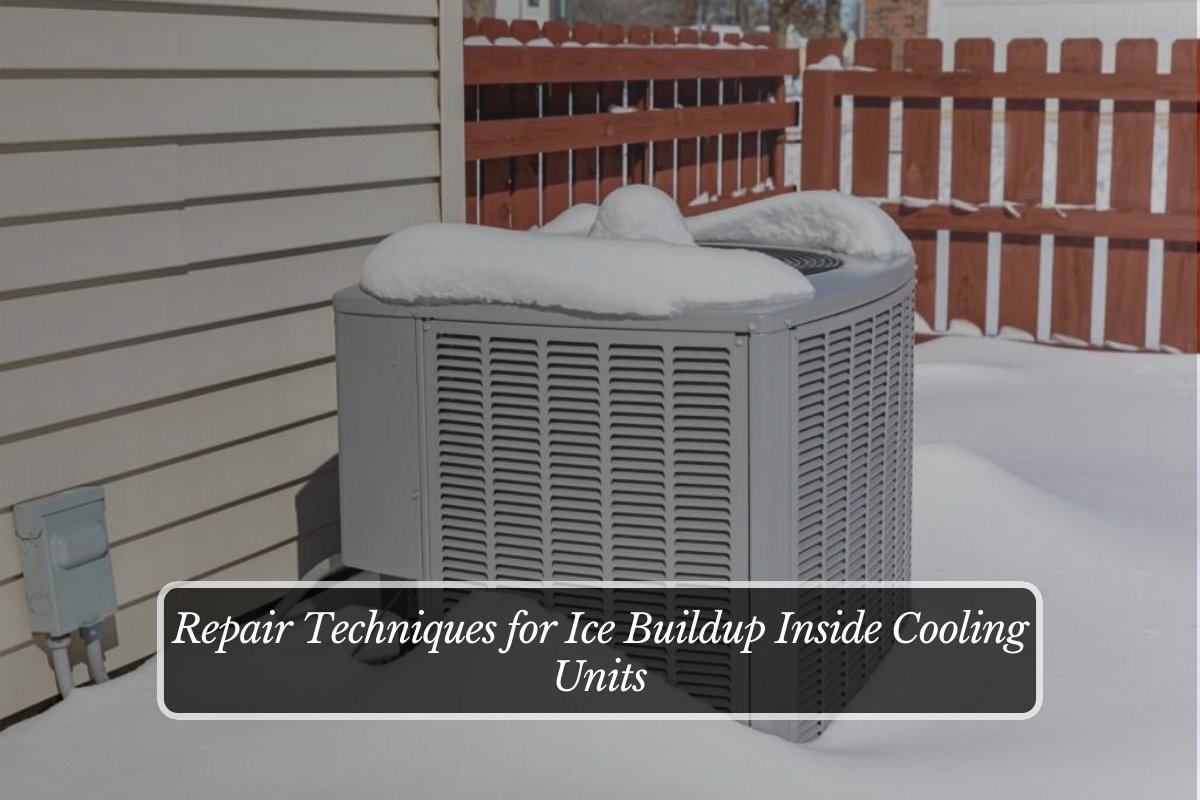
Ice typically forms when the evaporator coil becomes too cold and moisture in the air freezes on its surface. This usually happens due to restricted airflow, low refrigerant levels, or mechanical faults that disrupt normal heat exchange. Instead of absorbing heat efficiently, the coil temperature drops below freezing, leading to ice accumulation that worsens over time.
Recognizing the root cause is essential before attempting repairs, as simply melting the ice does not resolve the underlying issue.
Restore Proper Airflow
Restricted airflow is one of the most frequent causes of ice formation. When insufficient warm air passes over the evaporator coil, the coil temperature drops excessively.
Common airflow-related repairs include:
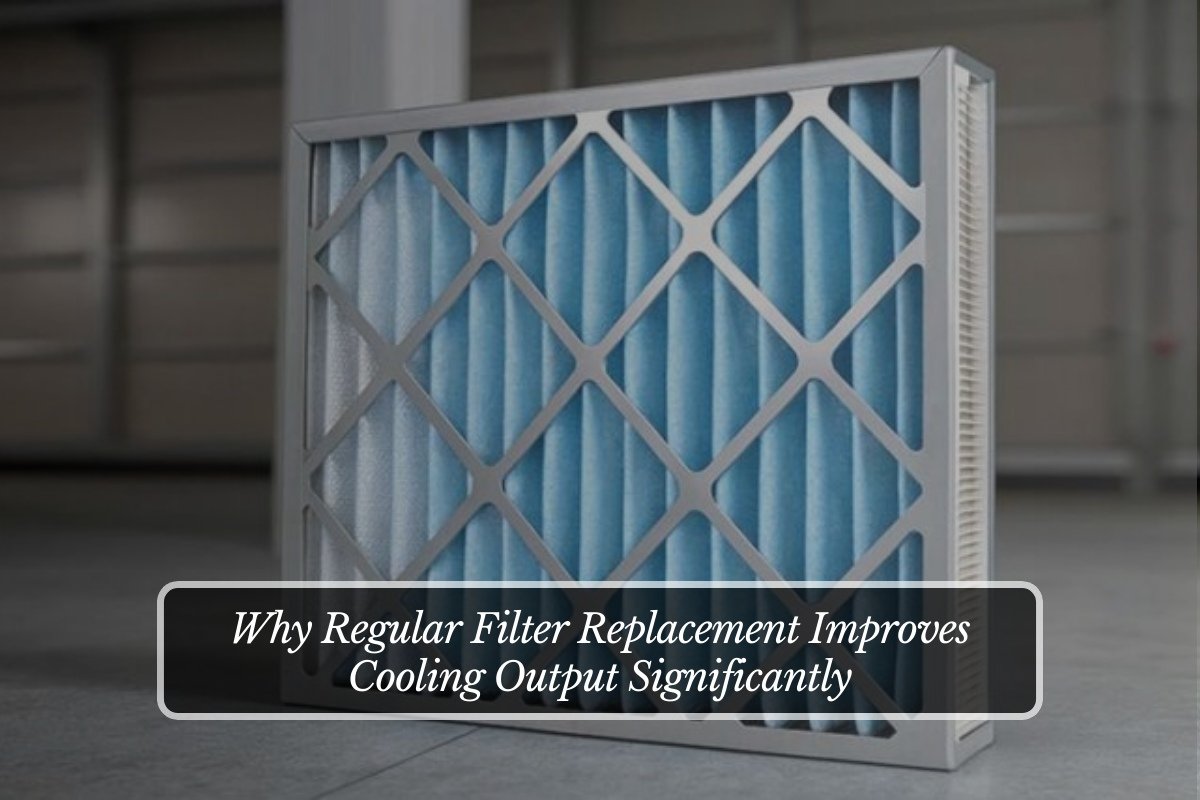
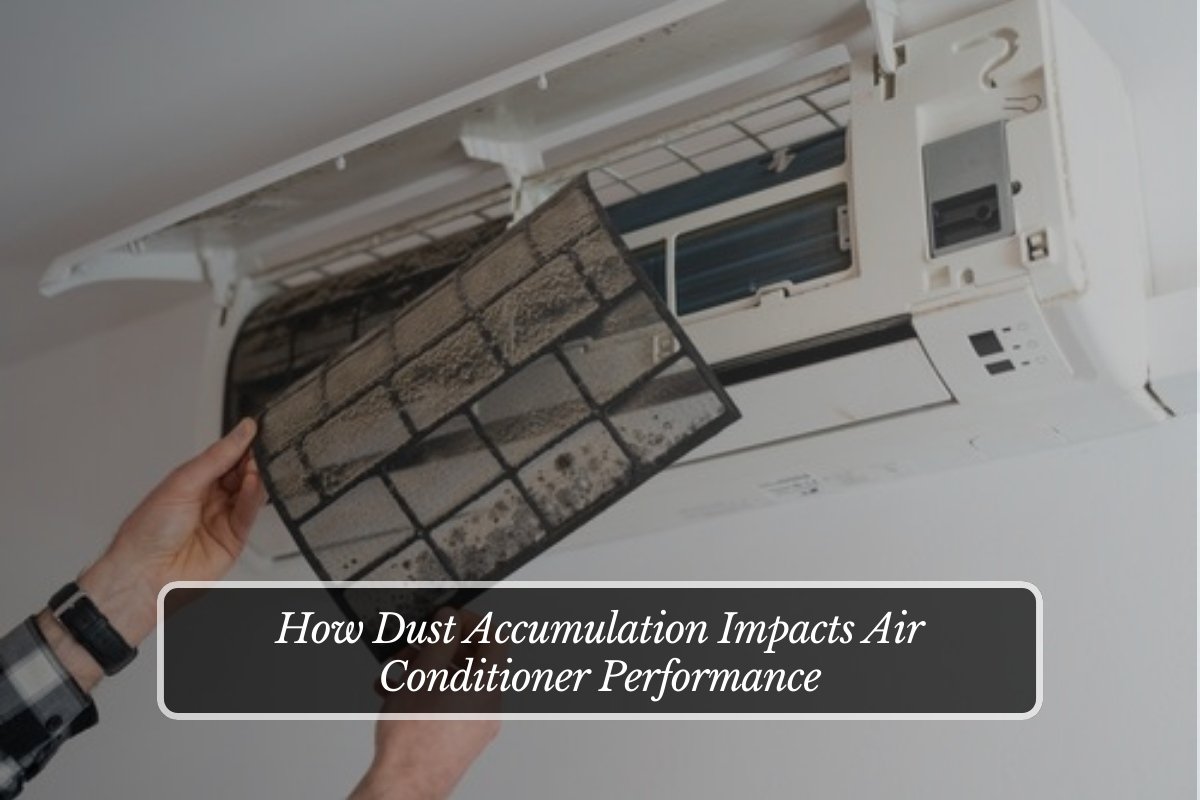
- Replacing dirty or clogged air filters
- Clearing blocked or closed supply and return vents
- Cleaning dust and debris from the evaporator coil
- Repairing or sealing damaged ductwork
Ensuring consistent airflow allows the system to regulate coil temperature properly and prevents refreezing.
Check and Correct Refrigerant Levels
Low refrigerant levels reduce pressure within the system, causing the evaporator coil to become colder than designed. This condition is often caused by leaks rather than normal consumption.
Repair solutions include:
- Inspecting the system for refrigerant leaks
- Sealing leaks using approved HVAC methods
- Recharging refrigerant to manufacturer specifications
Because refrigerant handling requires certification, this repair should always be performed by a licensed HVAC technician.
Inspect the Blower Motor and Fan Components
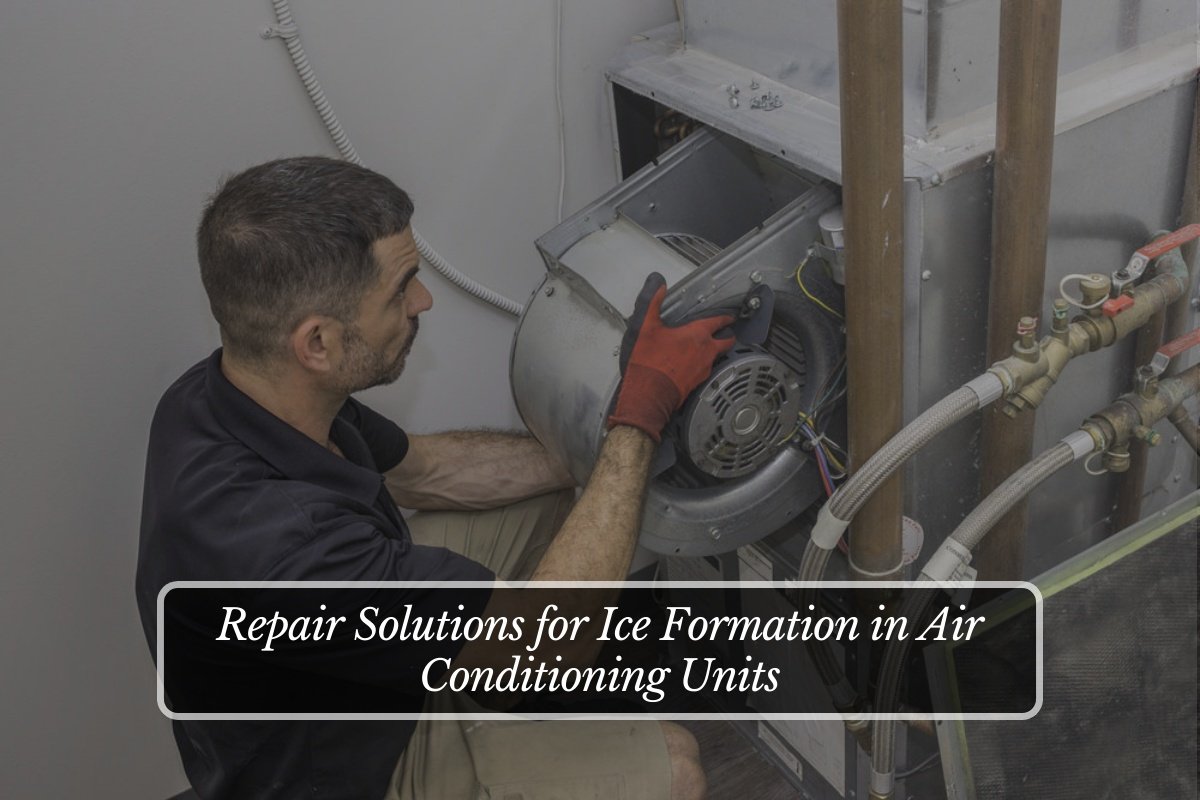
The blower motor is responsible for moving air across the evaporator coil. If it fails or operates inefficiently, airflow drops and ice can form.
Repairs may involve:
- Replacing a faulty blower motor
- Repairing worn belts or bearings
- Fixing electrical connections or control boards
Proper fan operation ensures steady heat absorption and balanced system performance.
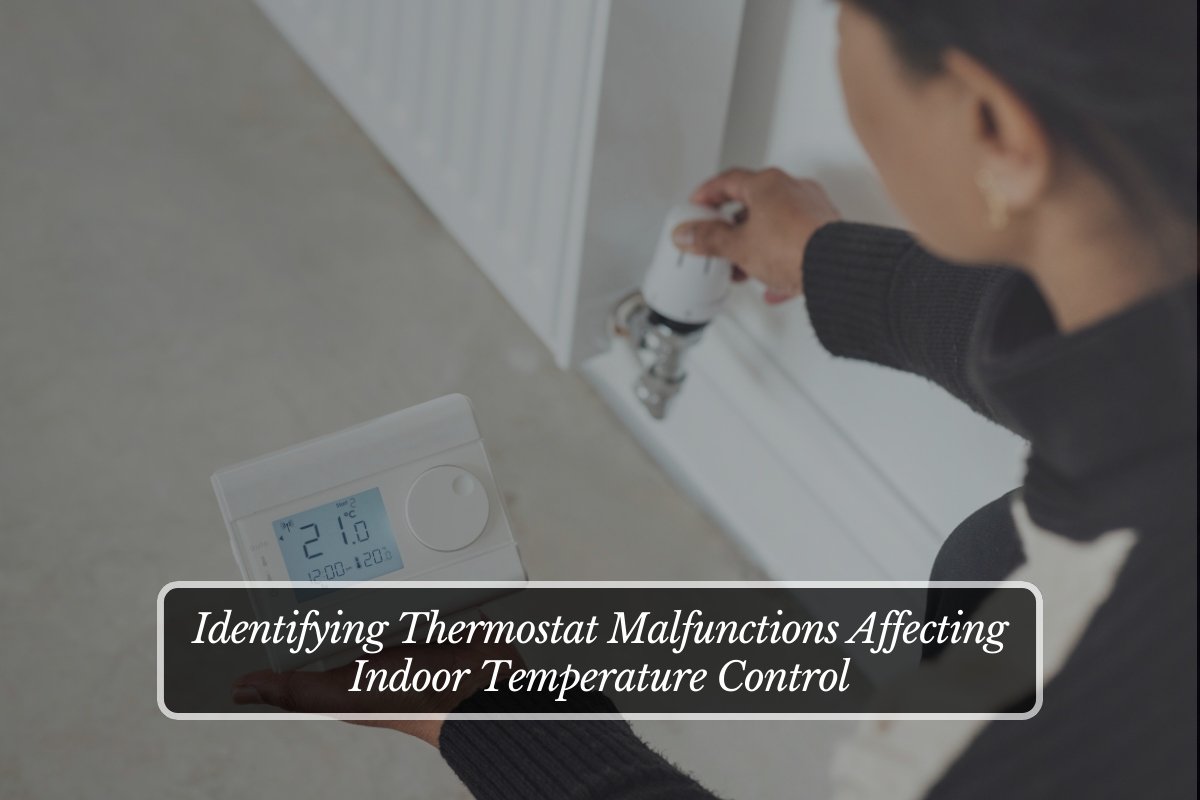
Address Thermostat and Control Issues
Faulty thermostats or control systems can cause the unit to run continuously without adequate cycling, leading to excessive cooling of the coil.
Solutions include:
- Recalibrating or replacing malfunctioning thermostats
- Verifying correct system settings
- Checking sensors and control boards for faults
Accurate temperature regulation helps prevent overcooling and ice formation.
Allow the System to Fully Defrost
Before restarting an iced-over unit, it must be fully defrosted to avoid damaging components. This typically involves turning the system off and running the fan-only mode to circulate warm air over the coil.
Never chip away ice manually, as this can puncture coils or damage fins. Once defrosted, repairs should be completed before resuming normal operation.
Preventive Maintenance to Avoid Recurrence
Preventing future ice formation relies on consistent maintenance. Scheduled inspections, filter changes, coil cleaning, and airflow checks keep the system operating within design parameters.
Regular professional servicing not only prevents icing issues but also improves efficiency, reduces breakdowns, and lowers long-term repair costs.
Restoring Reliable Cooling Performance
Ice formation in air conditioning units is a warning sign—not just an inconvenience. Effective repair solutions focus on correcting airflow, refrigerant balance, mechanical function, and system controls. By addressing the root cause rather than the symptom, homeowners and facility managers can restore reliable cooling performance and protect their HVAC investment.
FAQs
Is it safe to run an air conditioner with ice on it?
No. Running an iced-over unit can damage the compressor and worsen system failure.
How long should I wait for my AC to defrost?
Defrosting can take several hours, depending on ice buildup. The system should be completely clear before restarting.
Can low refrigerant cause ice even in hot weather?
Yes. Low refrigerant pressure can cause coil temperatures to drop below freezing regardless of outdoor temperature.
How often should air filters be replaced to prevent icing?
Most filters should be replaced every 1–3 months, depending on usage and indoor air quality.
When should I call a professional HVAC technician?
If icing persists after airflow checks or if refrigerant issues are suspected, professional service is required.