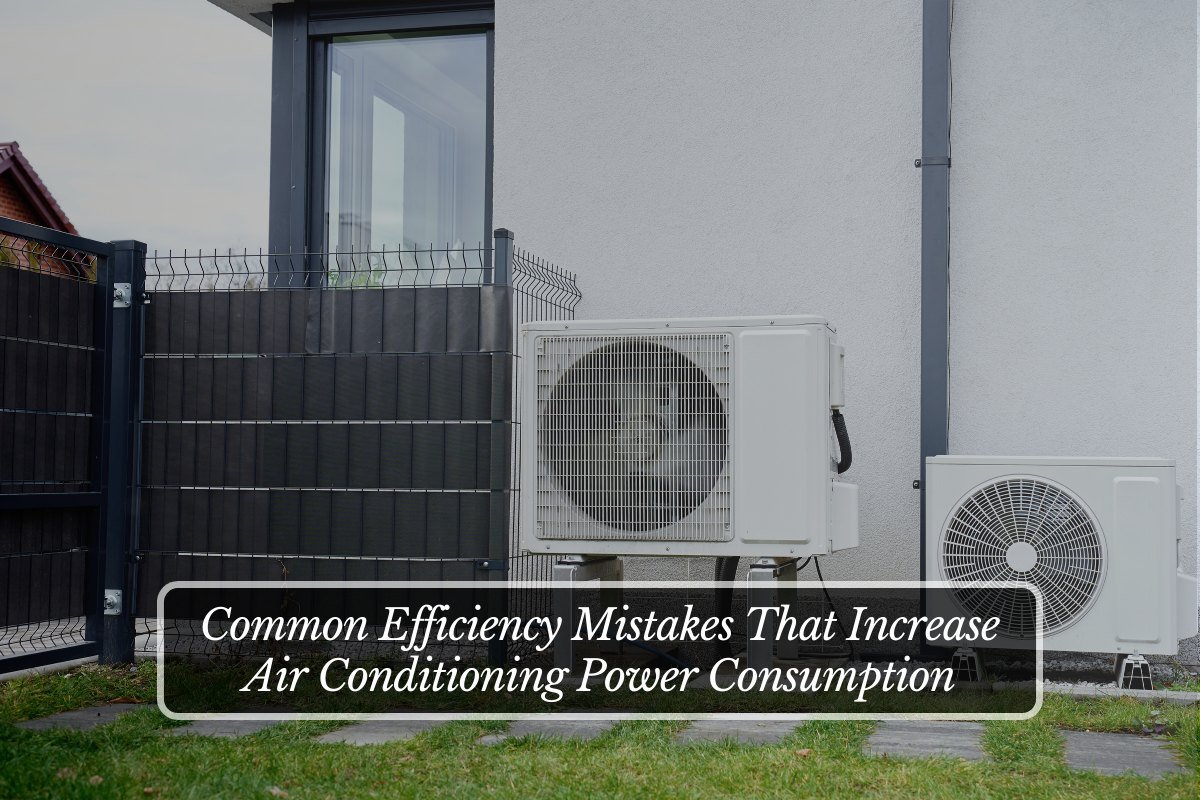
Air conditioning systems are essential for maintaining comfort during the warmer months, but they can also be a significant contributor to your energy bills if not used efficiently. Many homeowners make common mistakes that lead to increased energy consumption and higher costs.
Recognizing these errors and taking corrective action can help you reduce your AC’s power consumption, improve efficiency, and save money. In this article, we will discuss some of the most common efficiency mistakes that increase air conditioning power consumption.
1. Setting the Thermostat Too Low
One of the most common mistakes people make when using their air conditioner is setting the thermostat too low. While it might feel more comfortable initially, lowering the temperature drastically doesn’t cool your home any faster—it only makes your system work harder.
Why it wastes energy: When you set your thermostat much lower than needed, the air conditioner runs for longer periods to reach that set temperature. This leads to higher energy consumption without achieving significantly cooler air.
Solution: Set your thermostat to a moderate temperature, around 78°F (25-26°C) for cooling. If you’re away, increase the temperature by a few degrees to reduce the workload on your AC.
2. Neglecting Regular Maintenance
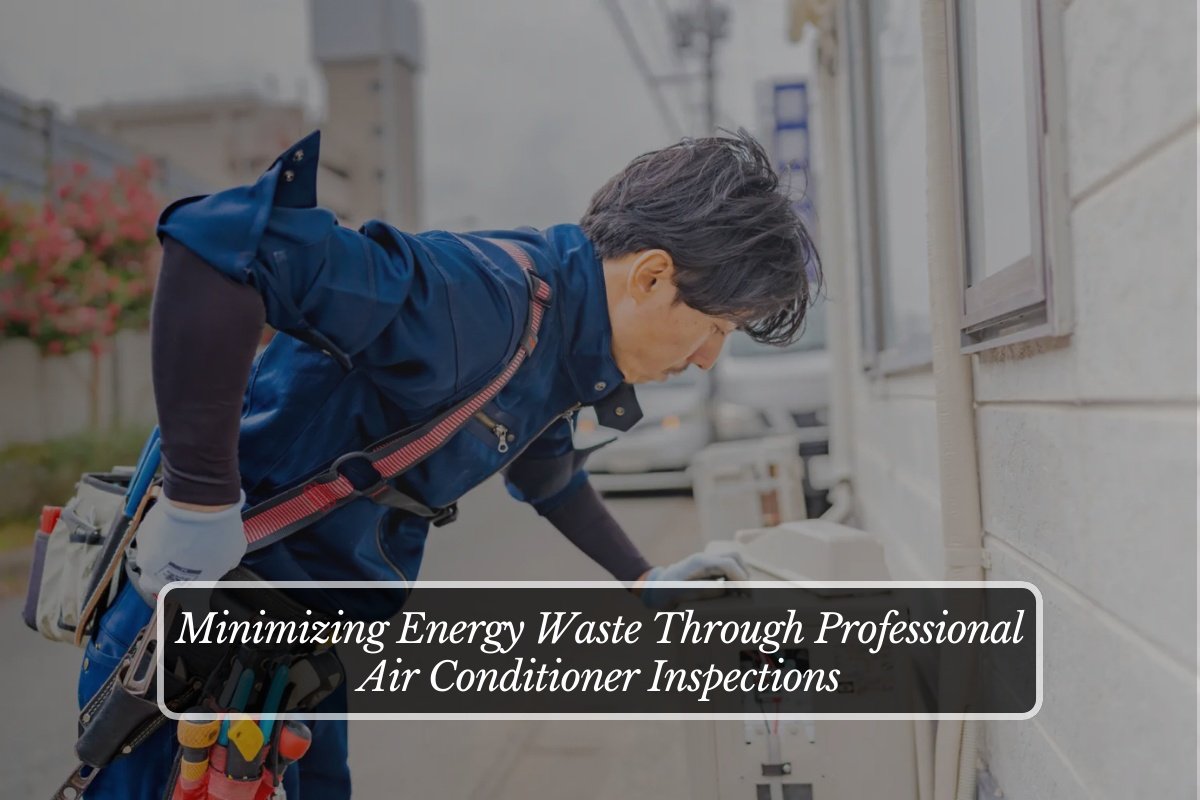
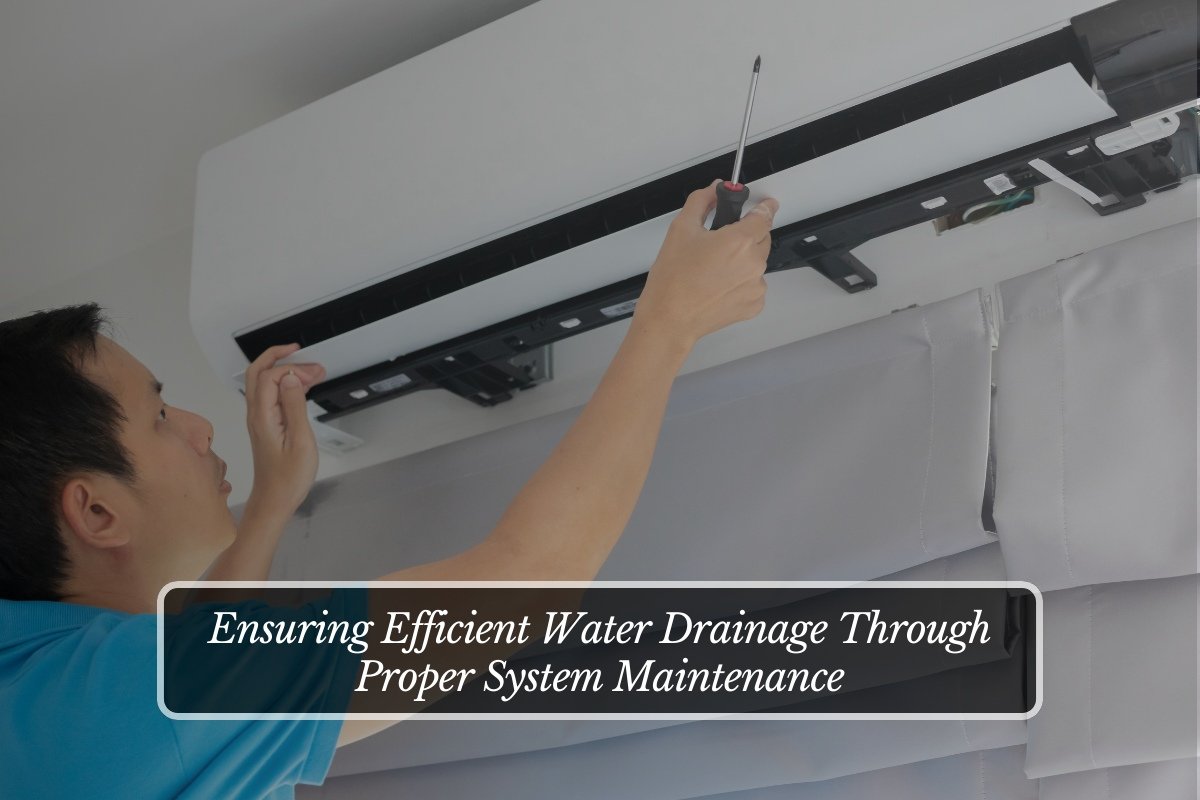
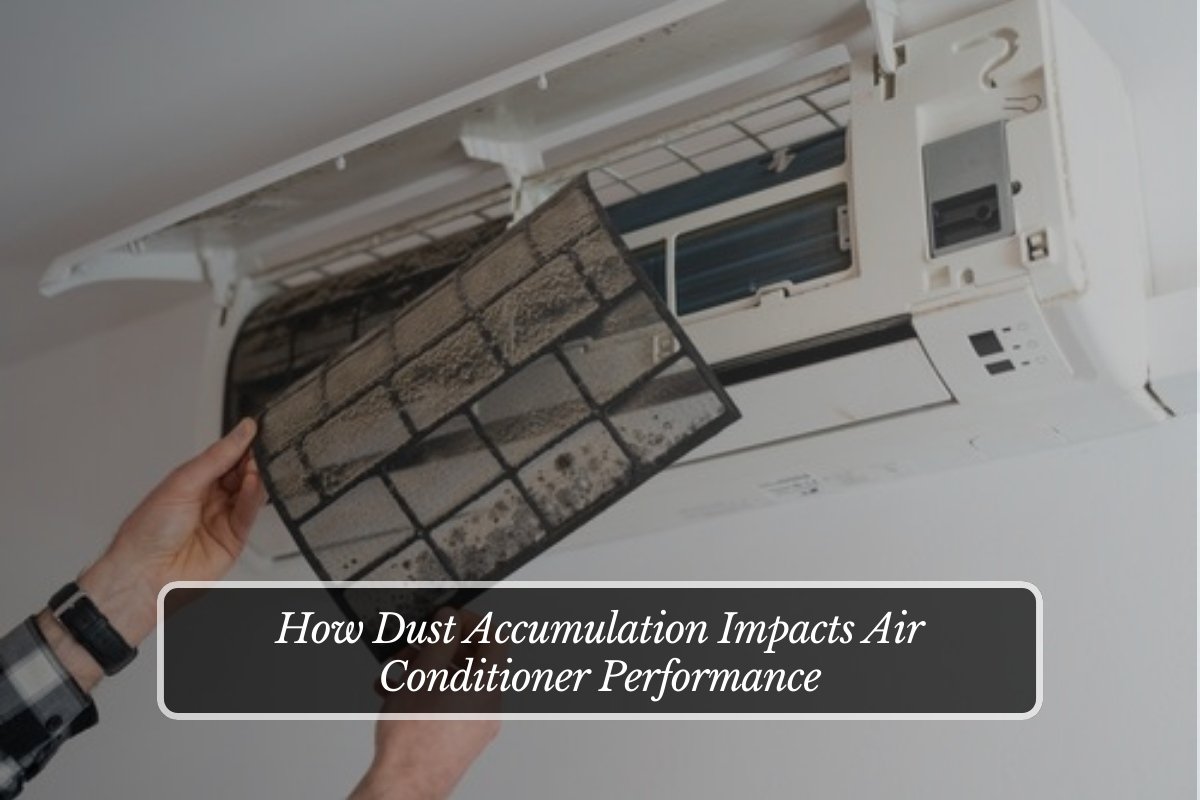
An air conditioner that hasn’t been properly maintained will naturally consume more power. Dust, dirt, and debris build-up on internal components, such as the coils and filters, which restrict airflow and force the unit to work harder.
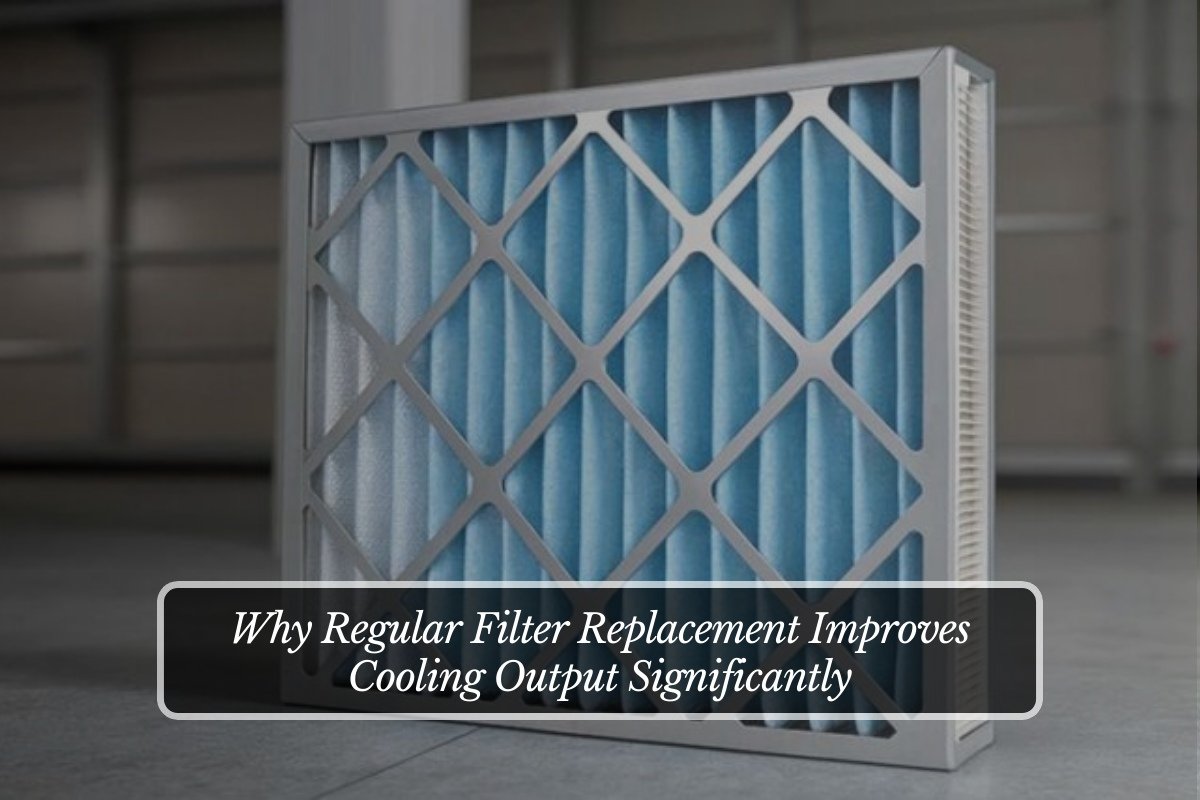
Why it wastes energy: A clogged air filter reduces airflow, making the air conditioner work harder to cool the air. Similarly, dirty coils prevent efficient heat transfer, causing the system to run for longer periods.
Solution: Regularly clean or replace the air filter every 1-3 months, and schedule annual professional maintenance for coil cleaning and system inspection.
3. Using the Wrong Sized AC Unit
Choosing an air conditioning system that is too large or too small for the space can lead to inefficient operation. If your system is too large, it will cool the space too quickly, causing it to cycle on and off frequently. If it’s too small, it will run continuously to try to meet the temperature demand.
Why it wastes energy: An oversized unit uses more power than needed to cool the space, while an undersized one works overtime and consumes excessive energy trying to maintain a comfortable temperature.
Solution: Have a professional assess the size of the AC unit required for your space. This ensures optimal energy efficiency and prevents overuse of electricity.
4. Leaving Doors and Windows Open
Leaving windows and doors open while the air conditioner is running is one of the simplest yet most common efficiency mistakes. This allows warm air to enter and cool air to escape, forcing your air conditioner to work harder to maintain the set temperature.
Why it wastes energy: When air from the outside enters your home, the AC has to work harder to cool the indoor environment, using more energy.
Solution: Always close windows and doors when the AC is on. Seal any drafts or leaks in windows and doors to prevent cool air from escaping and warm air from entering.
5. Not Using a Programmable Thermostat
Many people leave their thermostat settings unchanged, even when they are not home or during the night when temperatures tend to be cooler. This constant cooling leads to unnecessary energy use.
Why it wastes energy: A constant cooling setting wastes energy by running the AC even when it’s not needed. This results in a higher energy bill without added comfort.
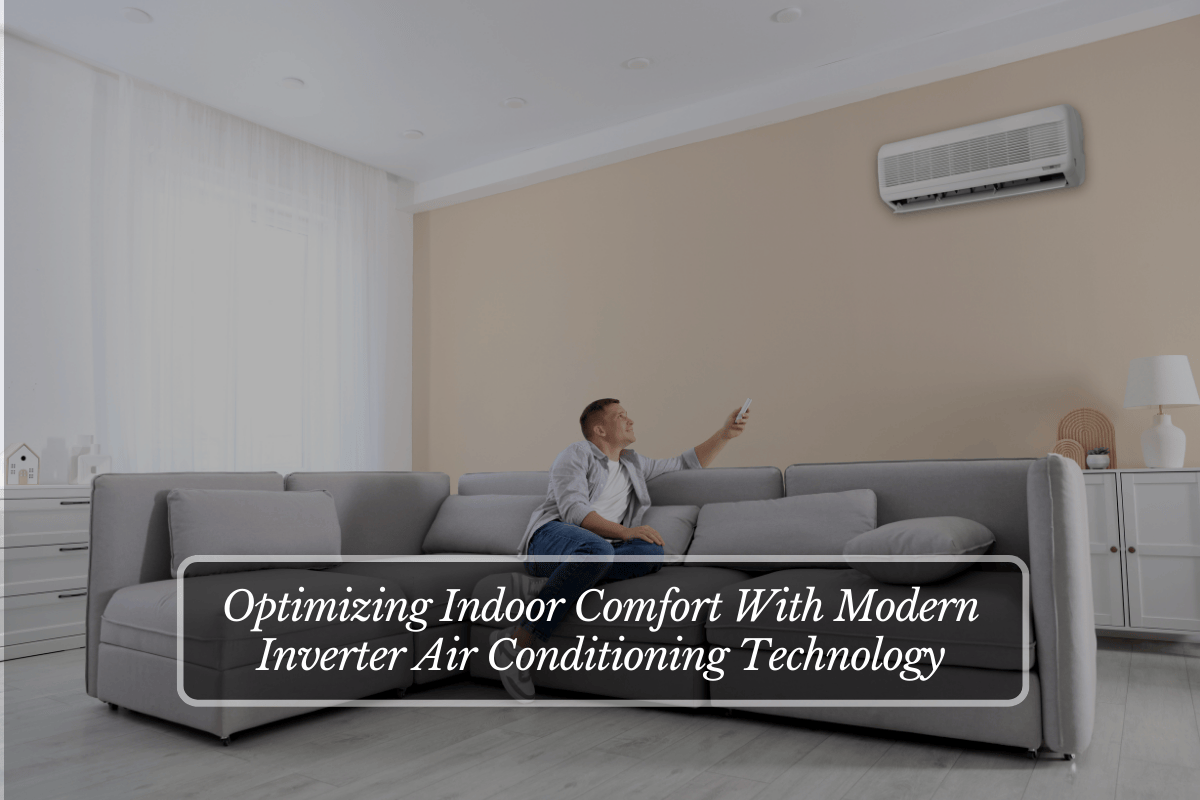
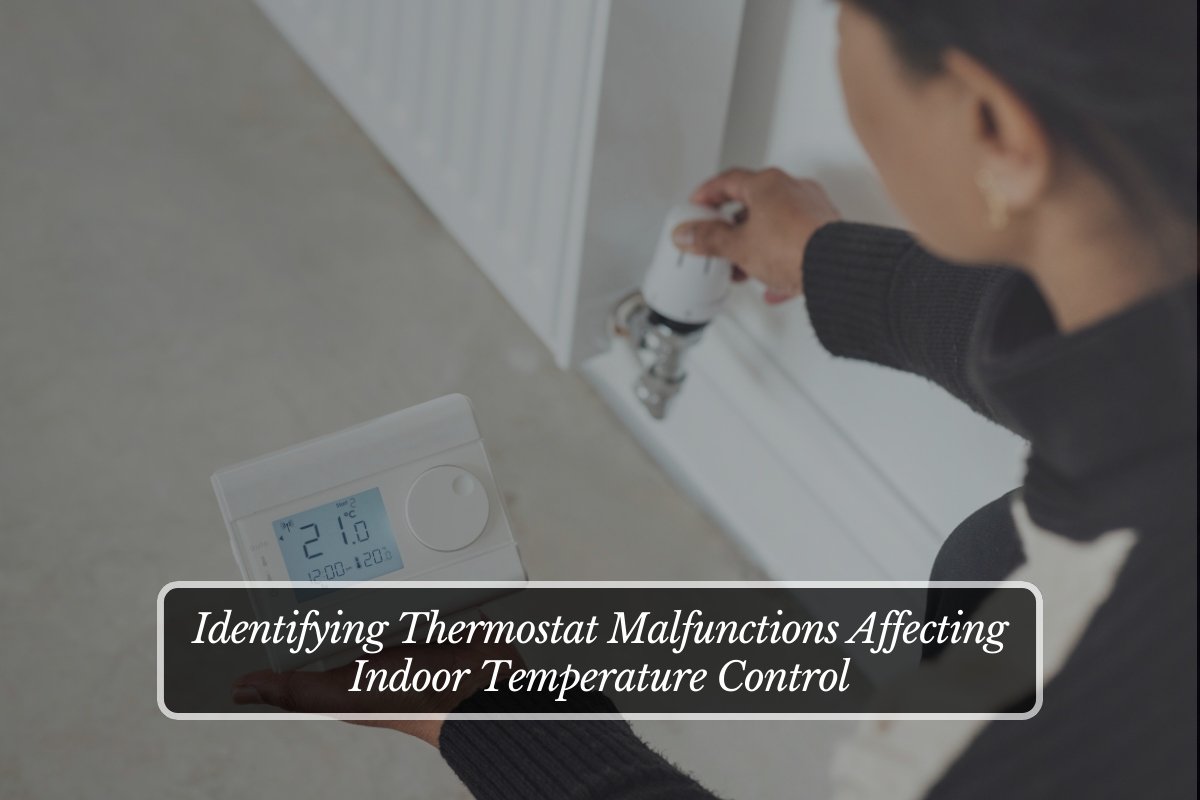
Solution: Invest in a programmable thermostat that automatically adjusts the temperature when you’re away or asleep. This allows your AC to run only when necessary and can save a significant amount of energy.
6. Not Using Ceiling Fans or Circulation Fans
Fans can be a great complement to your air conditioner by improving air circulation and making the room feel cooler. Some people rely solely on their air conditioner without utilizing ceiling fans, which increases the load on the AC system.
Why it wastes energy: Without fans, your AC must cool the entire room by itself, requiring more energy. Fans can help distribute cool air evenly and reduce the need for the AC to run at full capacity.
Solution: Use ceiling fans or other circulating fans in conjunction with your air conditioner. Fans can make the room feel cooler, allowing you to set your thermostat a few degrees higher without sacrificing comfort.
7. Ignoring Insulation and Sealing Issues
Poor insulation and leaky windows or doors can allow cool air to escape and warm air to enter your home, causing your air conditioner to work harder to maintain the desired temperature.
Why it wastes energy: When cool air escapes through gaps in insulation or seals, your air conditioner will need to run continuously to cool the space, leading to higher energy consumption.
Solution: Inspect and repair insulation and seals around windows, doors, and other openings. Adding more insulation to your attic, walls, or floors can significantly improve energy efficiency and prevent unnecessary cooling costs.
8. Running the AC When It’s Not Necessary
Sometimes, air conditioners are turned on when the outside temperature is already cool or when there’s no one in the room. This leads to unnecessary energy consumption.
Why it wastes energy: Running the AC when the temperature is comfortable or when there are no occupants in the room uses energy without providing any benefit.
Solution: Turn off the AC when it’s not needed, especially if you’re not at home or the outside temperature is pleasant. You can also use natural ventilation by opening windows or using fans during cooler evenings.
9. Blocking Vents or Airflow
Some people inadvertently block AC vents with furniture, curtains, or other objects. This restricts airflow and forces the air conditioner to work harder to distribute cool air throughout the room.
Why it wastes energy: Restricted airflow reduces the efficiency of the AC unit, causing it to consume more energy to cool the room.
Solution: Ensure that air vents are unblocked and unobstructed. Keep furniture, curtains, and other objects clear from vents to ensure proper airflow.
FAQs
How often should I clean my AC filter?
It’s recommended to clean or replace your AC filter every 1 to 3 months, depending on usage and whether you have pets or live in a dusty environment.
Can a ceiling fan help my AC work more efficiently?
Yes, using a ceiling fan or circulation fan alongside your AC can help cool the room more effectively, allowing you to set the thermostat higher and reduce energy consumption.
Is it better to run the AC continuously or turn it off when I leave?
It’s more energy-efficient to turn off your AC when you’re not home. Use a programmable thermostat to adjust the temperature when you’re away or asleep.
What is the ideal temperature setting for my thermostat?
The ideal temperature for cooling is around 78°F (25-26°C). If you’re away or sleeping, you can increase the temperature by a few degrees to save energy.
How can I reduce the energy consumption of my AC without sacrificing comfort?
Using a programmable thermostat, sealing gaps, maintaining the system regularly, and utilizing ceiling fans can all help reduce energy consumption while keeping your home comfortable.