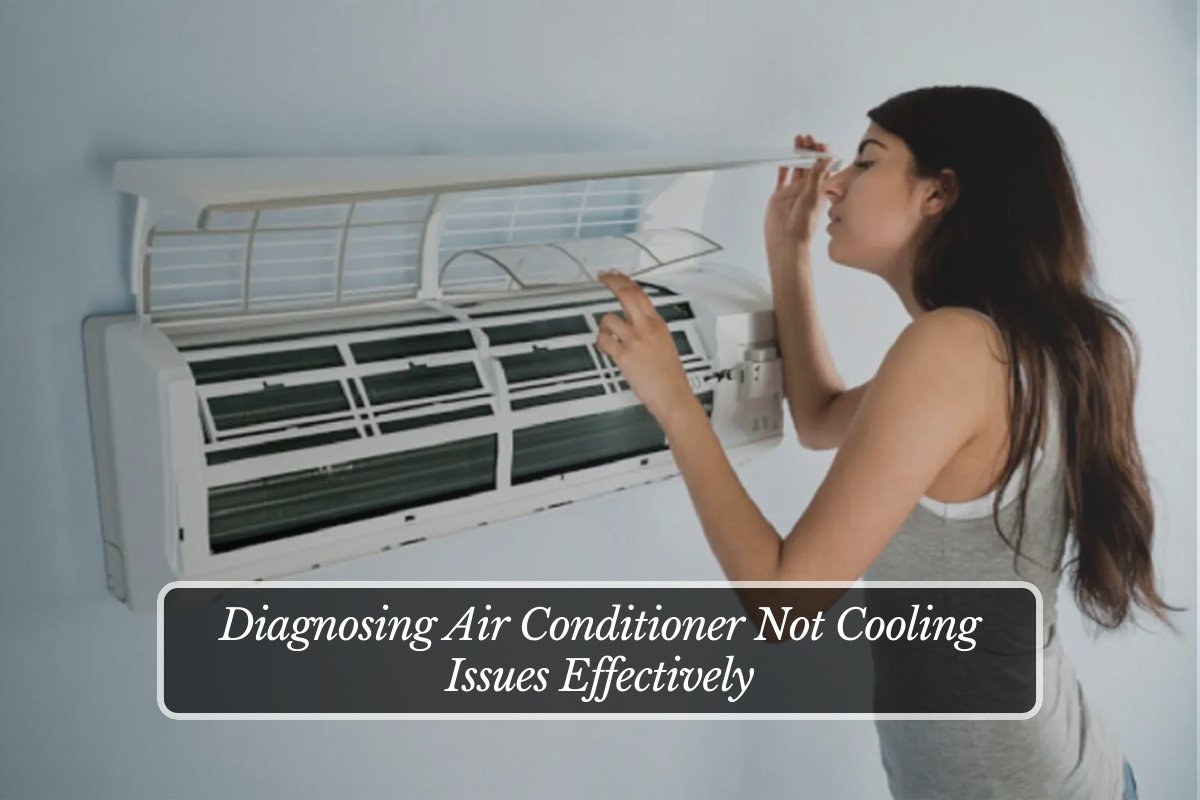
When an air conditioner runs but fails to cool effectively, it can be frustrating—especially during hot weather. Poor cooling performance is often a symptom of underlying issues related to airflow, maintenance, or system components rather than a complete system failure. Understanding how to diagnose these problems helps homeowners address minor issues early and determine when professional service is necessary.
Checking Thermostat Settings and Controls
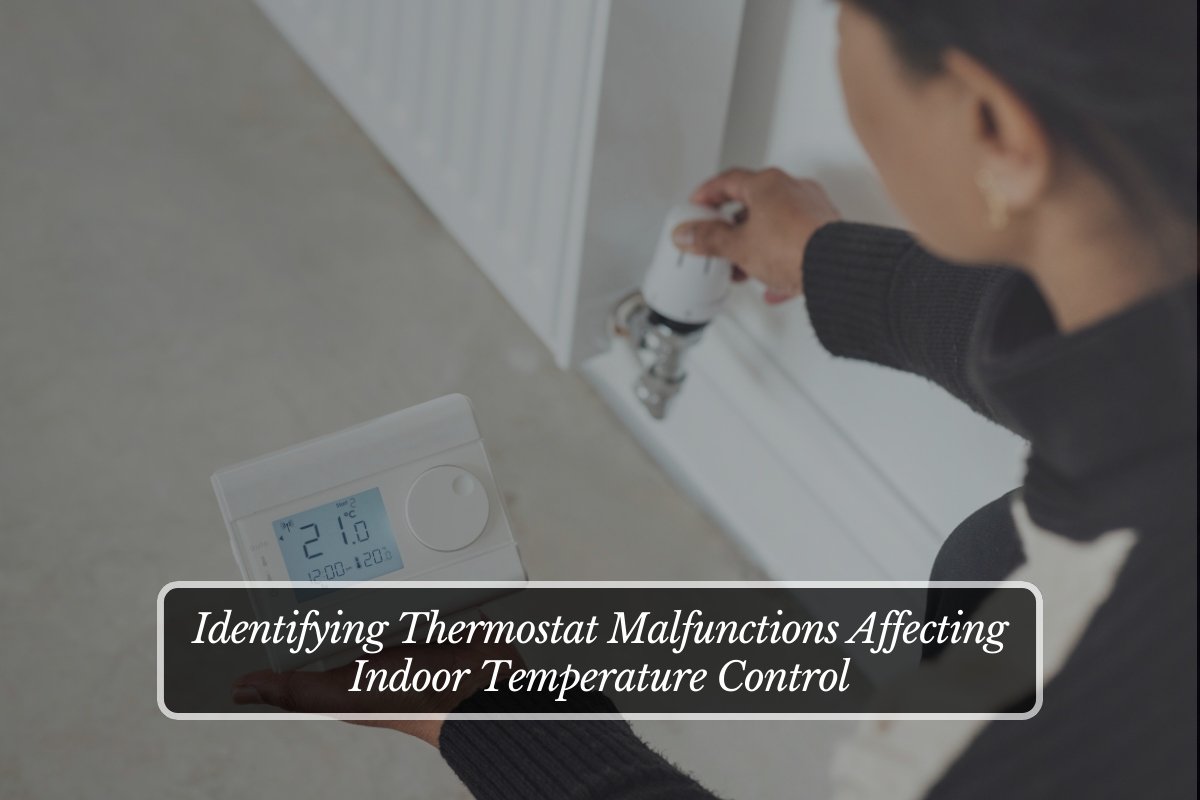
The first step in diagnosing cooling issues is verifying thermostat settings. Incorrect mode selection, such as setting the thermostat to “fan” instead of “cool,” can prevent cooling altogether. Temperature settings that are too close to room temperature may also make it seem like the system is not working.
Thermostat placement matters as well. If it is exposed to direct sunlight or heat-producing appliances, it may misread room temperature and limit cooling operation.
Inspecting Air Filters and Airflow
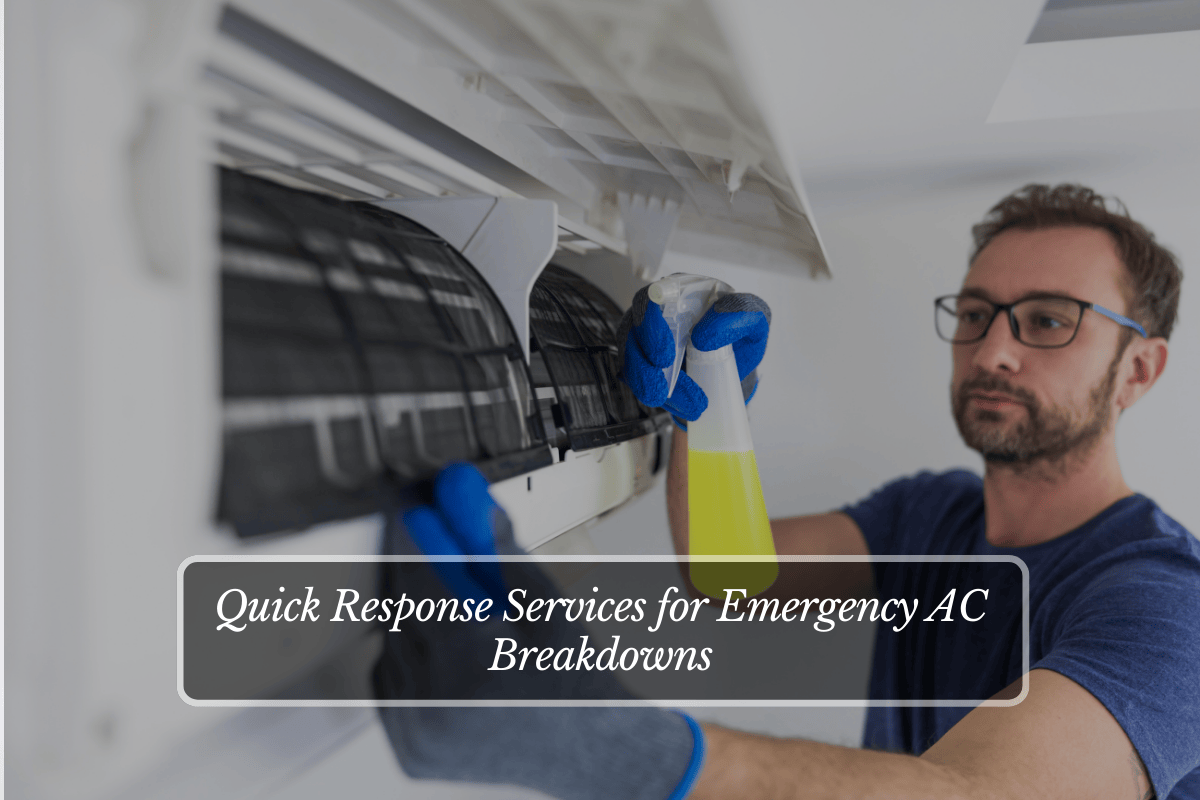
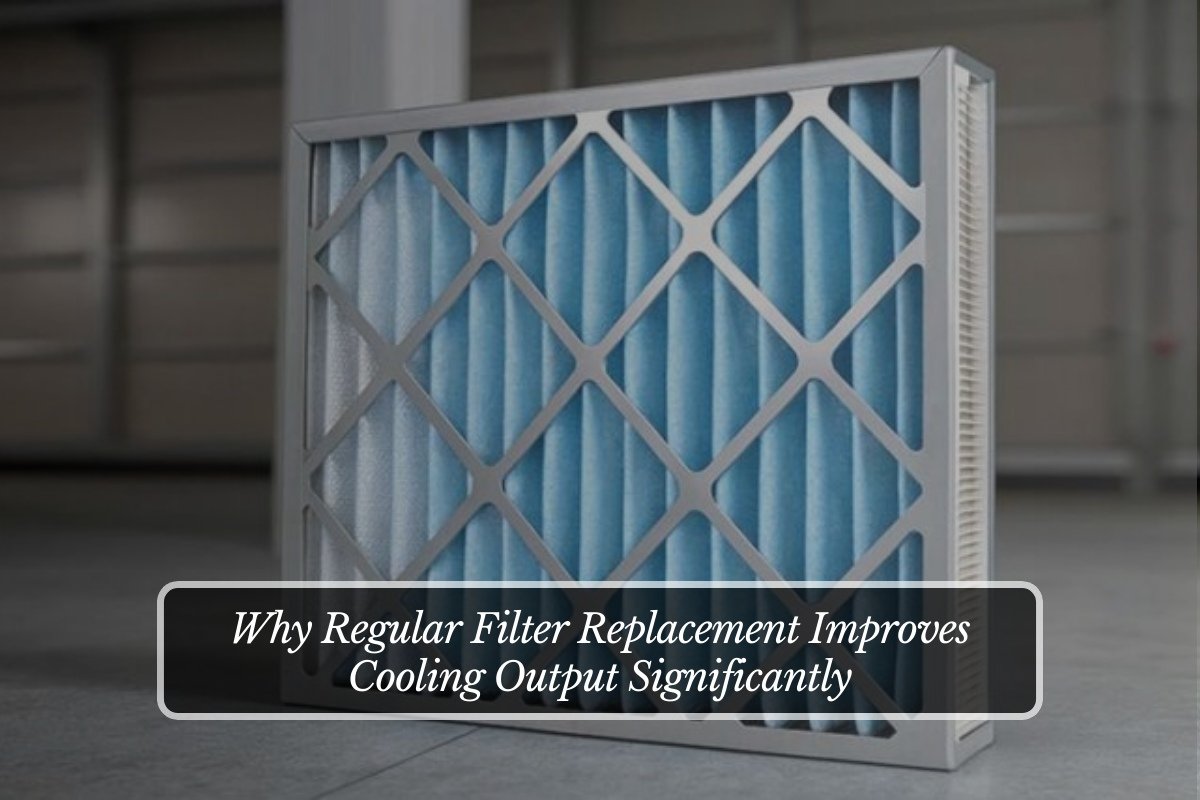
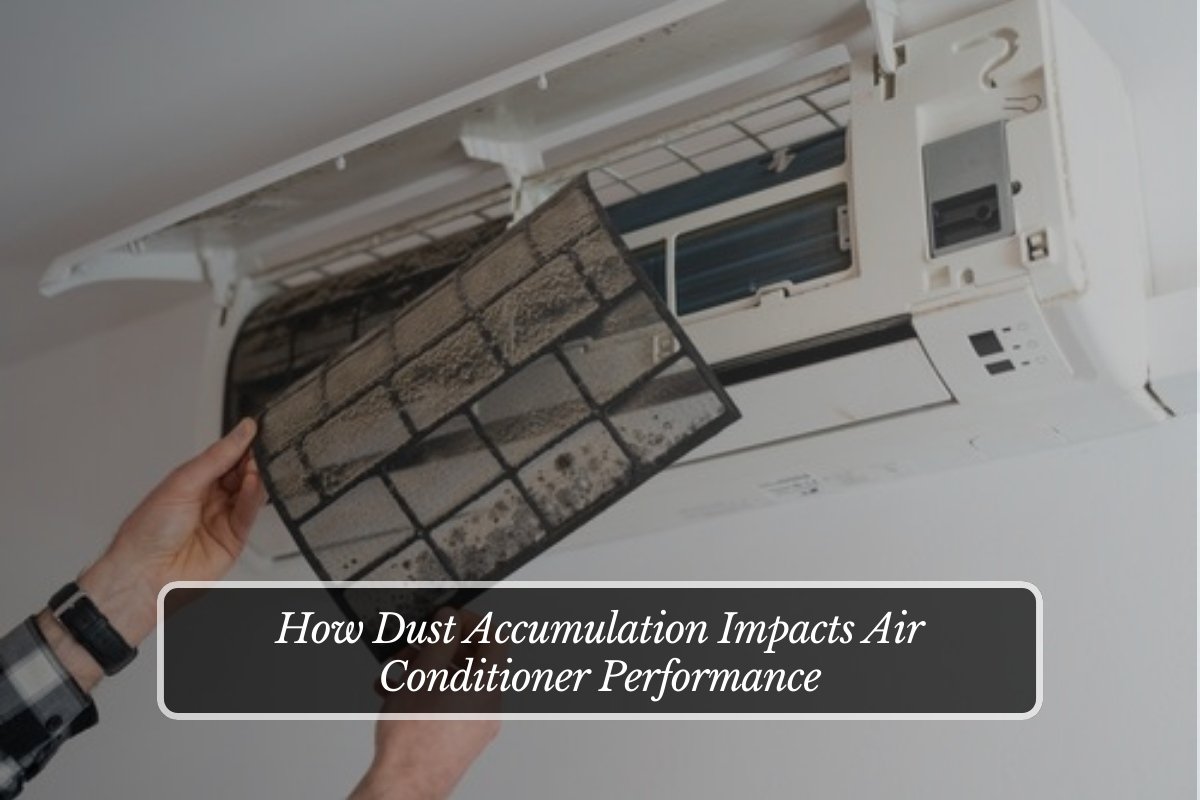
Restricted airflow is one of the most common reasons an air conditioner does not cool effectively. Dirty or clogged air filters block airflow, reducing the amount of cool air entering living spaces. This forces the system to work harder while delivering less cooling.
Filters should be checked regularly and cleaned or replaced as needed. In addition, supply vents and return grilles should be open and unobstructed. Furniture, curtains, or dust buildup can significantly affect airflow and cooling efficiency.
Evaluating the Outdoor Condenser Unit
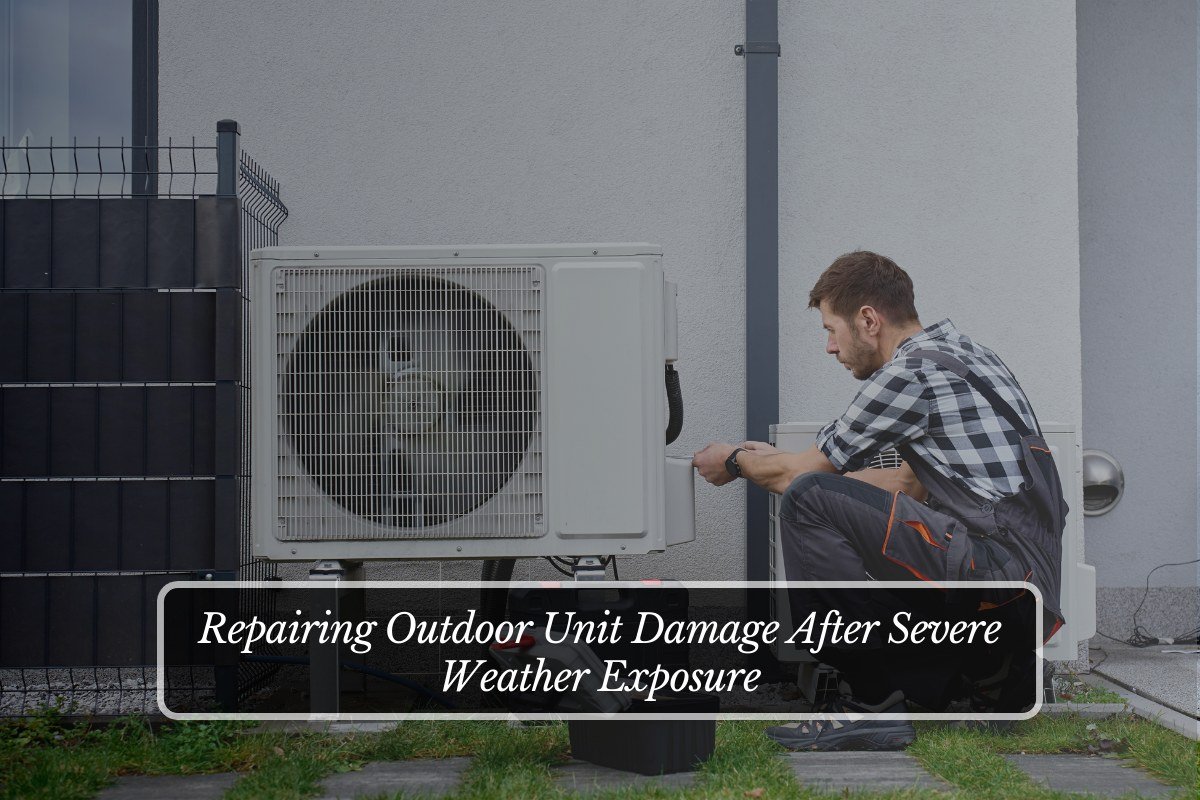
The outdoor condenser unit plays a critical role in releasing heat from the system. If it is covered with dirt, leaves, or debris, heat transfer is reduced, limiting cooling capacity.
Homeowners should visually inspect the outdoor unit to ensure there is adequate clearance around it. Gently cleaning dirt from the condenser fins and removing debris from the surrounding area can restore performance. Bent fins or damaged components may require professional attention.
Assessing Refrigerant Levels
Low refrigerant levels are a common but serious cause of poor cooling. Refrigerant is responsible for absorbing and releasing heat, and insufficient levels prevent effective temperature reduction. Signs of low refrigerant include warm air from vents, ice forming on coils, or unusually long cooling cycles.
Refrigerant does not get “used up” during normal operation, so low levels usually indicate a leak. Handling refrigerant requires specialized tools and certification, making professional diagnosis essential.
Examining Evaporator Coils and Ice Buildup
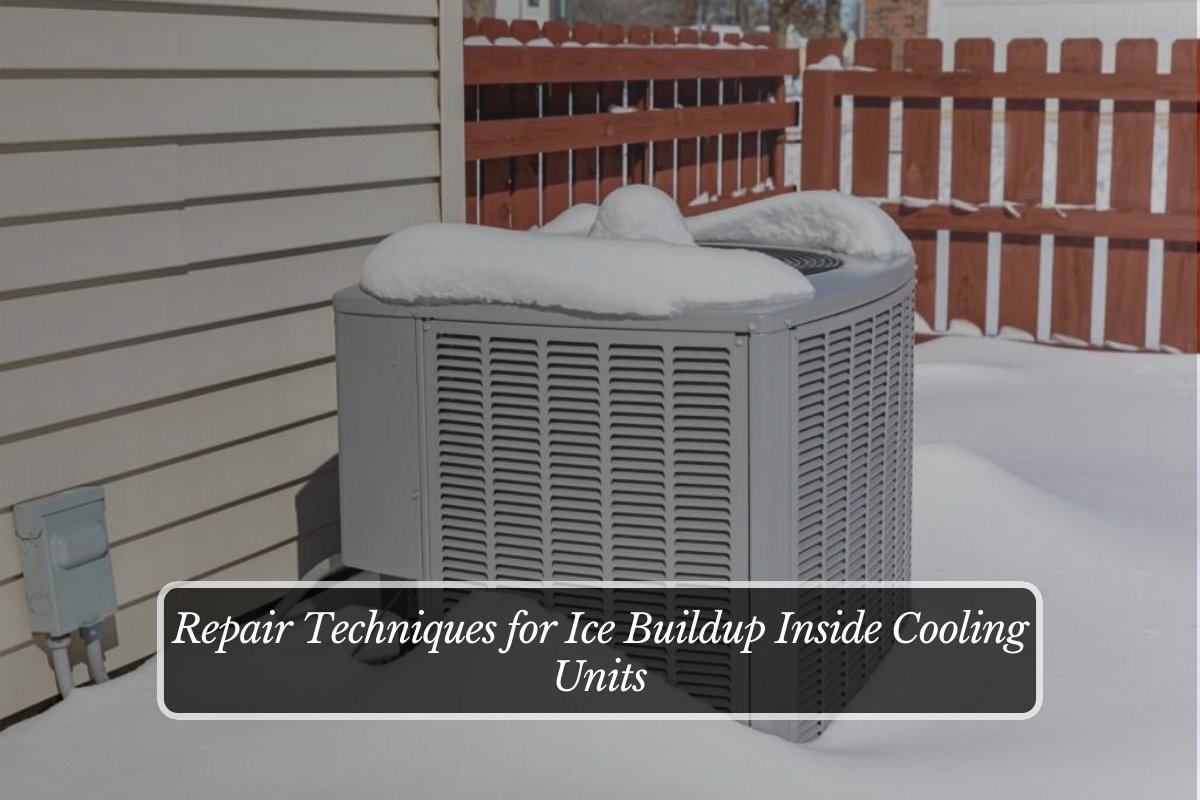
The evaporator coil absorbs heat from indoor air, but dirt or ice buildup can interfere with this process. Dirty coils reduce heat absorption, while frozen coils block airflow entirely.
Ice buildup is often caused by restricted airflow or low refrigerant. If ice is present, the system should be turned off to allow it to thaw before further inspection. Persistent freezing indicates a deeper issue that should be addressed promptly.
Listening for Unusual Sounds or Short Cycling
Unusual noises such as buzzing, rattling, or clicking can indicate electrical problems, loose components, or fan issues. Short cycling—when the system turns on and off frequently—reduces cooling efficiency and increases wear.
These symptoms often point to electrical, sensor, or compressor-related issues that require professional evaluation to prevent further damage.
Considering Ductwork and Insulation Issues
Even if the air conditioner itself is functioning properly, cooling can be lost through leaky ducts or poor insulation. Cracks, gaps, or disconnected duct sections allow cooled air to escape before reaching living spaces.
Poor insulation allows heat to enter the home faster than the system can remove it, creating the impression of inadequate cooling. Addressing these structural factors can significantly improve comfort and system efficiency.
Knowing When to Call a Professional
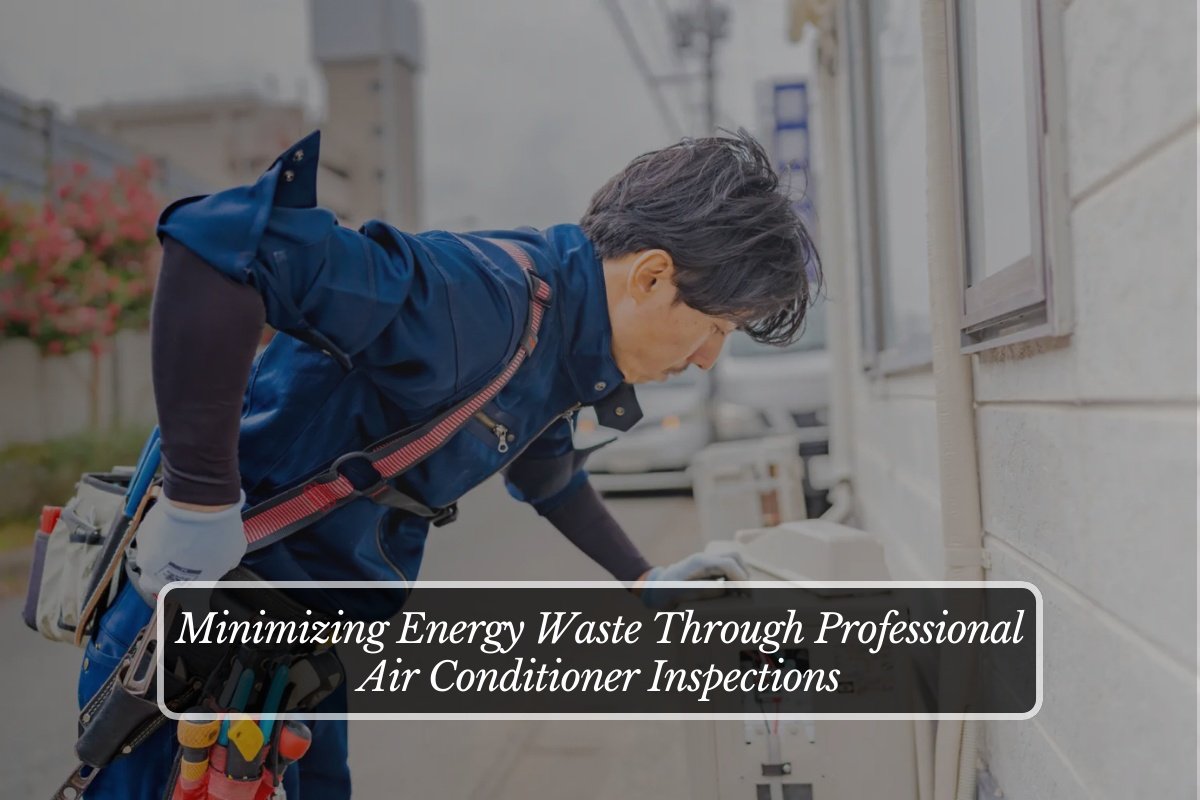
Some cooling issues can be resolved with basic maintenance, but others require expert diagnosis. Persistent warm air, refrigerant concerns, electrical issues, or repeated system shutdowns should be handled by a qualified technician.
Professional servicing ensures accurate diagnosis, safe handling of components, and restoration of optimal cooling performance without risking further damage.
FAQs
Why is my air conditioner running but not cooling?
Common reasons include dirty filters, blocked airflow, low refrigerant, or a dirty outdoor condenser unit.
Can a dirty air filter really stop cooling?
Yes, clogged filters restrict airflow and significantly reduce cooling efficiency.
What does ice on AC coils indicate?
Ice usually indicates restricted airflow or low refrigerant levels and should be addressed promptly.
Should I check refrigerant levels myself?
No, refrigerant handling requires professional tools and certification due to safety and environmental regulations.
When should I call an HVAC professional?
If basic maintenance does not restore cooling or if you notice refrigerant issues, electrical problems, or repeated shutdowns.