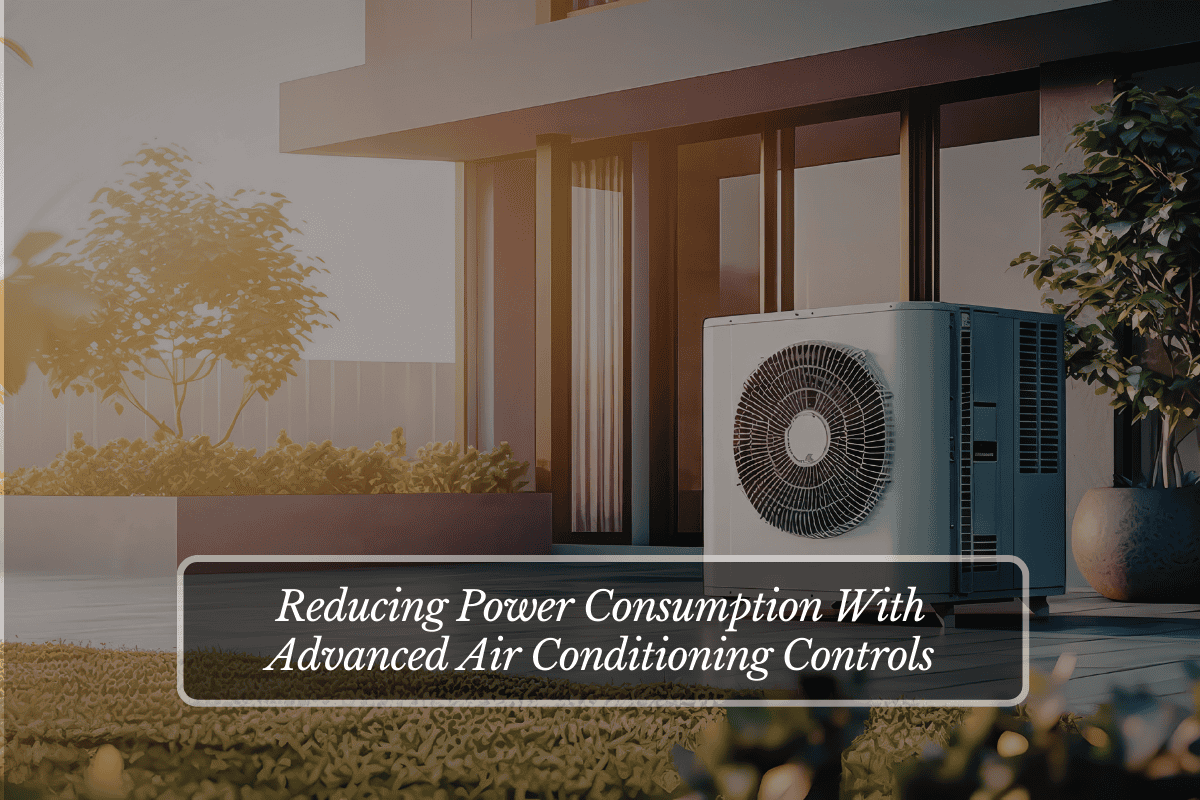
Air conditioning is essential for comfort in homes and productivity in commercial spaces, but it is also one of the largest contributors to energy consumption and utility costs. Fortunately, improving efficiency does not require sacrificing comfort.
With the right habits, maintenance practices, and system choices, both residential and commercial users can significantly reduce energy use while extending the lifespan of their equipment. Understanding practical energy-saving strategies helps individuals and organizations make smarter decisions that benefit both budgets and the environment.
Optimize Thermostat Settings for Efficiency
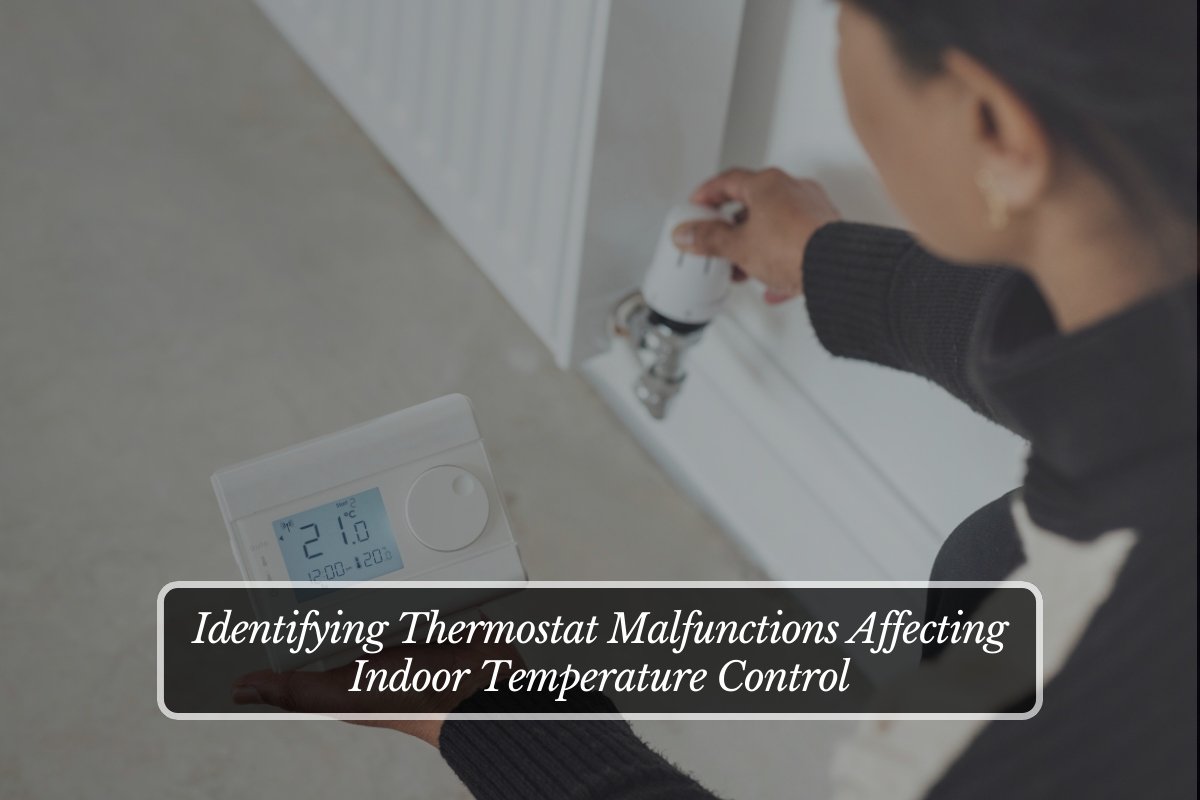
One of the simplest and most effective ways to reduce energy use is adjusting thermostat settings. Lowering the temperature excessively forces the system to work harder and consume more electricity.
For homes, setting the thermostat slightly higher during warm months while using fans for air circulation can reduce cooling costs without reducing comfort. In commercial spaces, programmable or smart thermostats allow businesses to adjust temperatures automatically based on occupancy patterns. This prevents unnecessary cooling during off-hours and supports consistent energy savings.
Use Programmable and Smart Controls
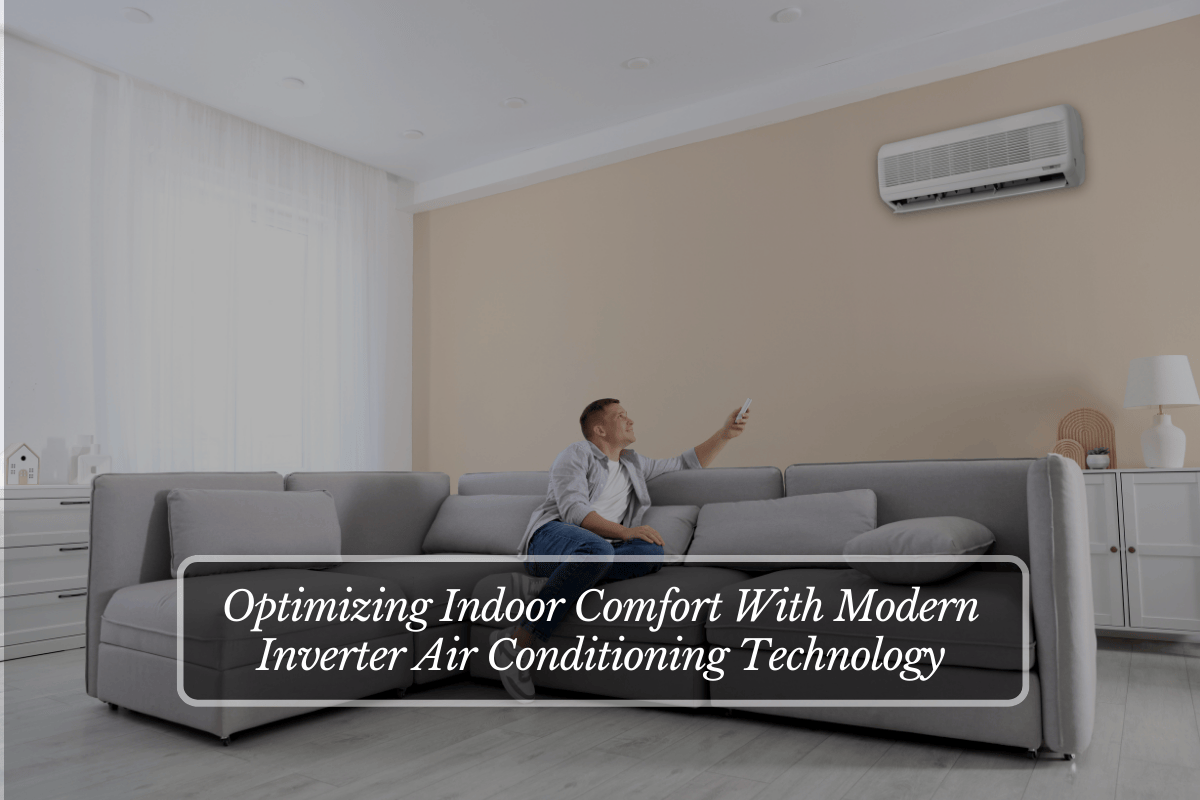
Modern thermostats offer advanced features that significantly improve efficiency. Programmable thermostats allow users to schedule cooling cycles according to daily routines. Smart thermostats go further by learning usage patterns and adjusting automatically.
For commercial buildings, centralized building management systems can coordinate multiple zones and adjust cooling based on real-time needs. These technologies reduce wasted energy by ensuring systems only operate at full capacity when truly necessary.
Prioritize Regular Maintenance
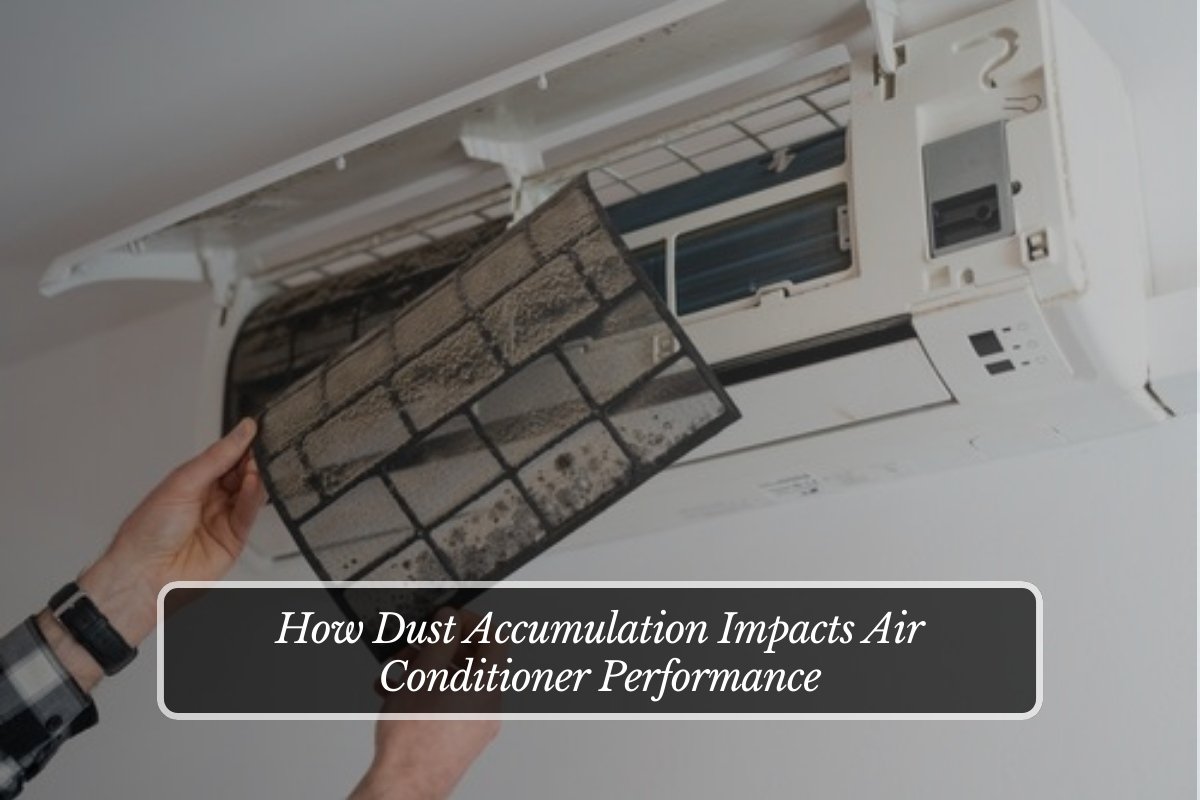
Well-maintained air conditioning systems operate more efficiently. Dust buildup, worn components, and airflow restrictions force systems to work harder to achieve the same cooling effect.
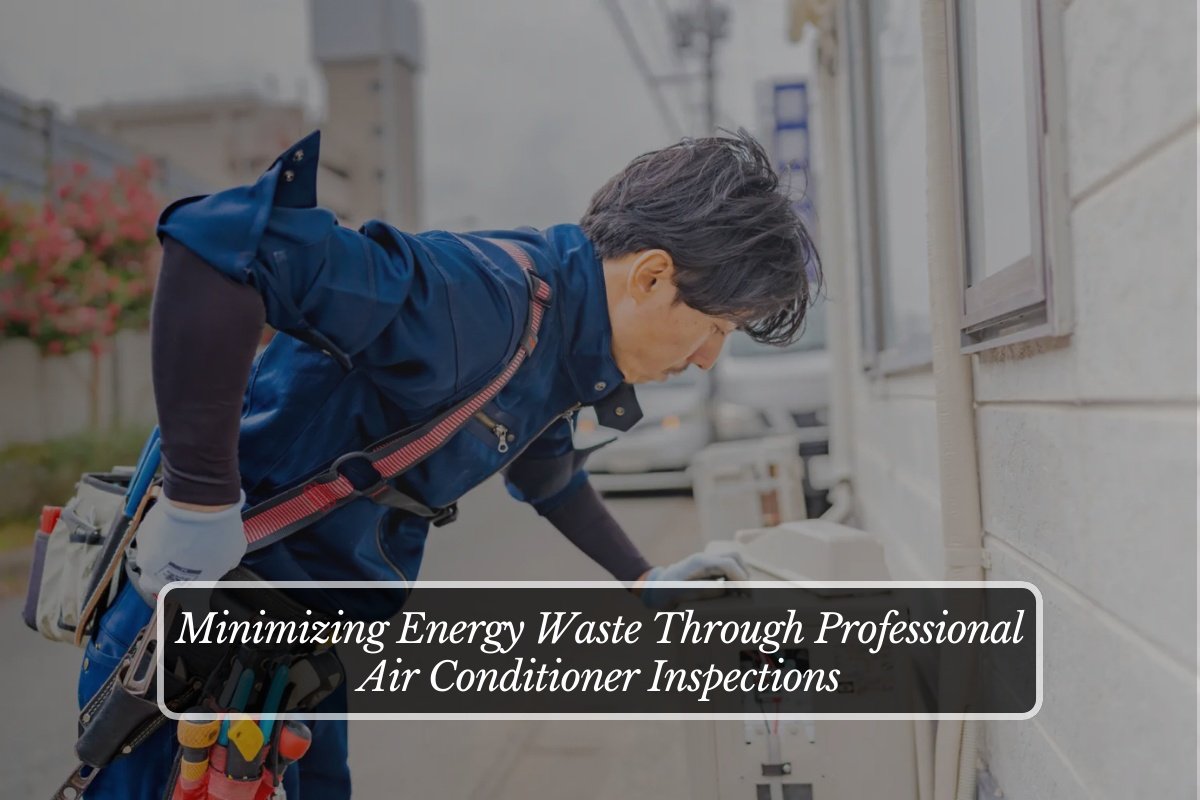
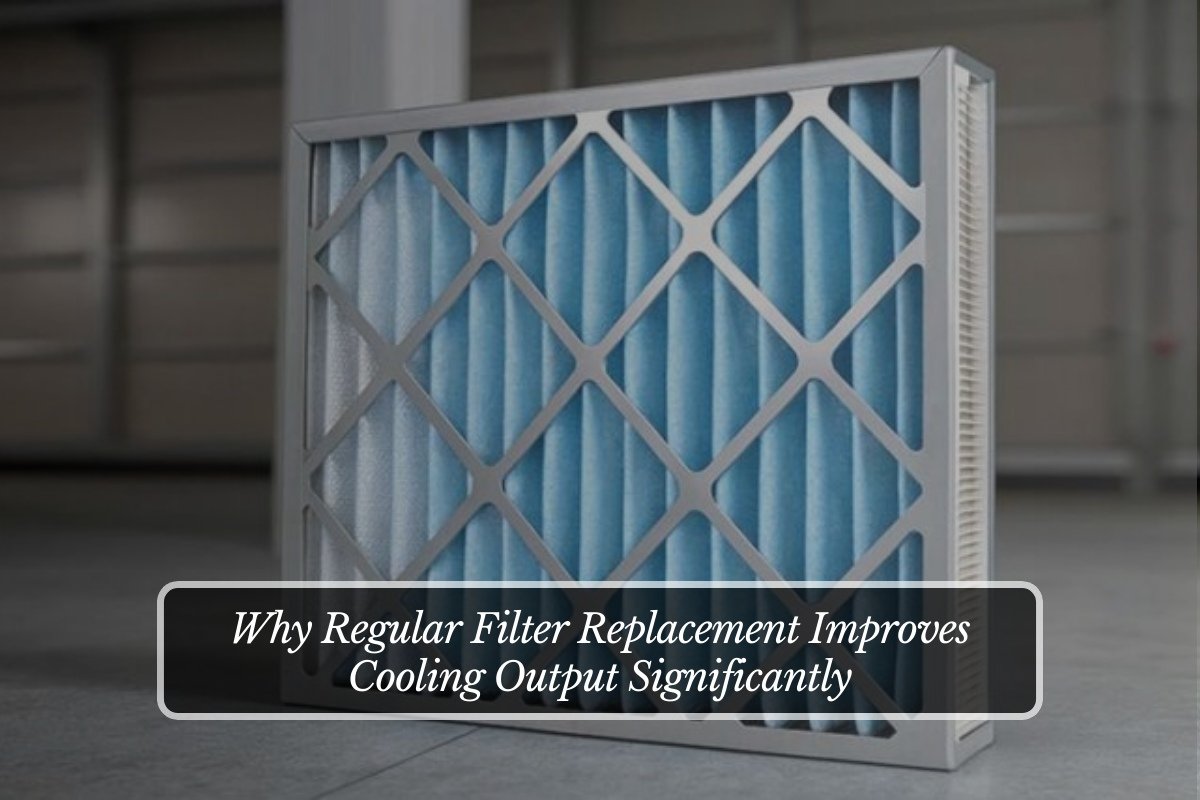
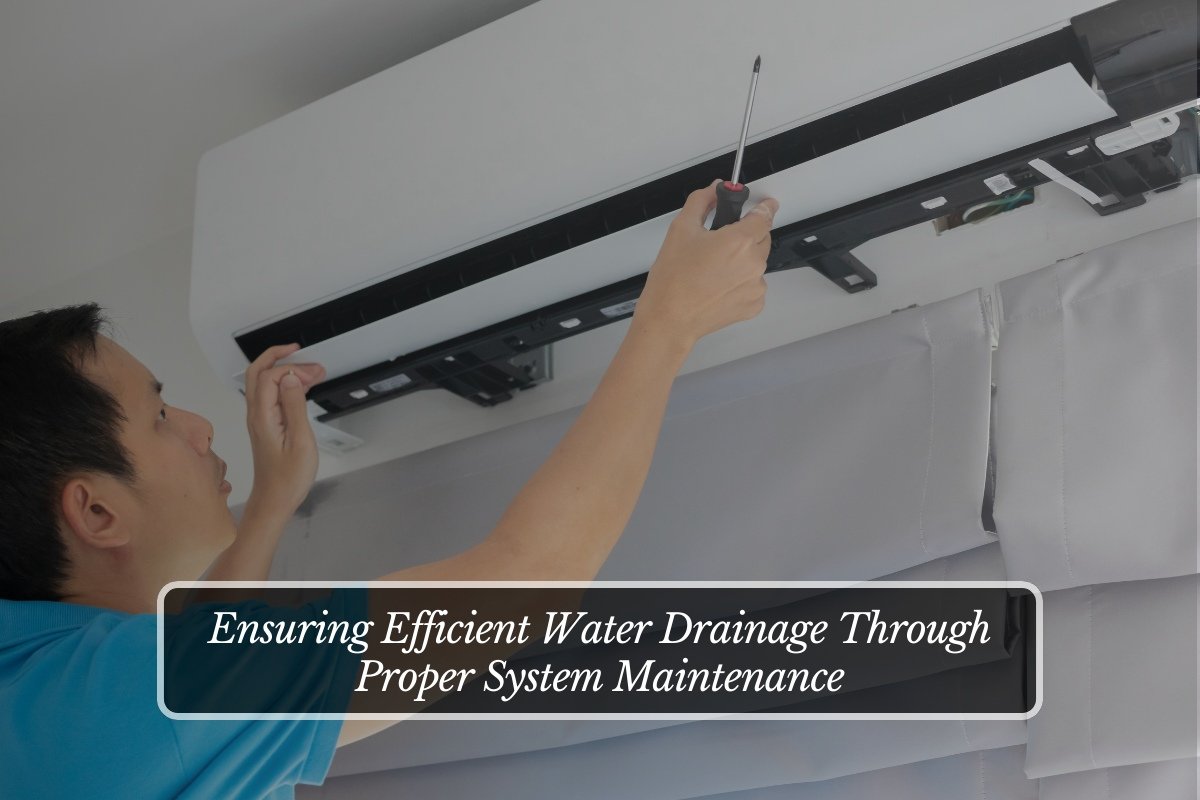
Routine maintenance tasks such as replacing air filters, cleaning coils, checking refrigerant levels, and inspecting electrical components help maintain optimal performance. Both residential and commercial systems benefit from scheduled professional servicing, which can prevent efficiency loss and reduce the likelihood of costly repairs.
Improve Airflow and Reduce Obstructions
Airflow plays a major role in how efficiently an air conditioner operates. Blocked vents, dirty filters, and clutter around indoor or outdoor units restrict airflow and reduce system performance.
In homes, furniture placement should allow vents to remain unobstructed. In commercial environments, regular inspection of duct systems and ventilation pathways helps ensure balanced airflow across large spaces. Proper airflow allows systems to cool more effectively using less energy.
Use Energy-Efficient Equipment
When replacing or upgrading systems, choosing energy-efficient models can lead to substantial long-term savings. Modern air conditioners are designed with improved technology that uses less electricity while delivering stronger performance.
Look for systems with high energy efficiency ratings and advanced features such as variable-speed compressors and eco-friendly refrigerants. In commercial environments, investing in energy-efficient HVAC systems often results in lower operating costs and improved sustainability performance over time.
Take Advantage of Zoning Systems
Zoning allows different areas of a building to be cooled independently. This is especially valuable in larger homes and commercial spaces where some rooms or areas are used more frequently than others.
By cooling only the spaces that are occupied, zoning systems reduce unnecessary energy consumption. Offices, conference rooms, and shared workspaces can benefit significantly from zoning strategies that match cooling output to real usage patterns.
Reduce Heat Gain Through Building Design
Cooling systems must work harder when buildings absorb excessive heat. Simple design and usage adjustments can help reduce this load.
Using blinds or curtains to block direct sunlight, installing reflective window films, improving insulation, and sealing air leaks all reduce indoor heat buildup. In commercial buildings, architectural features such as shading systems and energy-efficient windows can make a noticeable difference in overall cooling demand.
Encourage Efficient Habits Among Users
Technology alone cannot maximize efficiency without user awareness. Everyday habits have a significant impact on energy consumption.
Turning off air conditioning in unoccupied rooms, keeping doors and windows closed while systems are running, and using natural ventilation when outdoor conditions allow can all contribute to reduced energy use. In commercial settings, educating employees about energy-conscious behaviors supports collective responsibility and long-term savings.
Use Fans to Complement Cooling Systems
Ceiling fans and portable fans help circulate air, allowing air conditioners to operate more efficiently. Moving air creates a cooling effect that can make higher thermostat settings feel more comfortable.
In homes, fans can reduce reliance on continuous AC use. In commercial spaces, strategically placed fans support better air distribution and help reduce the load on central systems. Fans use significantly less energy than air conditioners, making them an effective complementary solution.
Monitor Energy Usage to Identify Inefficiencies
Tracking energy consumption helps identify patterns and inefficiencies. Many modern systems offer monitoring features that show usage data over time.
For homeowners, reviewing utility bills and smart meter data can highlight unusual spikes. For businesses, energy management systems provide detailed insights that support data-driven decisions. Monitoring usage allows users to adjust settings, schedules, and practices to improve overall efficiency.
Long-Term Benefits of Energy-Efficient Cooling Practices
Energy-saving practices deliver more than lower utility bills. Efficient systems experience less wear, which extends equipment lifespan and reduces maintenance costs. Reduced energy consumption also supports environmental sustainability by lowering carbon emissions.
For businesses, efficient cooling systems contribute to stronger corporate responsibility and can enhance reputation. For households, energy savings provide greater financial flexibility. Over time, consistent efficiency practices create lasting benefits across both personal and professional environments.
Frequently Asked Questions
What is the ideal thermostat setting for energy savings?
A moderate setting that balances comfort and efficiency is best. Setting the temperature slightly higher during cooling seasons often leads to noticeable savings.
Do smart thermostats really reduce energy consumption?
Yes. Smart thermostats adjust cooling based on patterns and occupancy, helping reduce unnecessary system operation.
How often should AC systems be serviced?
Professional maintenance is typically recommended at least once per year, though commercial systems may require more frequent inspections.
Can upgrading to an energy-efficient system be worth the cost?
In many cases, yes. Energy-efficient systems often reduce operating costs significantly over their lifespan, making them a strong long-term investment.
Do fans actually help reduce air conditioning use?
Yes. Fans improve air circulation and comfort, allowing higher thermostat settings while maintaining a comfortable environment.
Is energy efficiency only about equipment, or does behavior matter too?
Behavior plays a major role. Efficient habits combined with well-maintained equipment lead to the greatest overall energy savings.