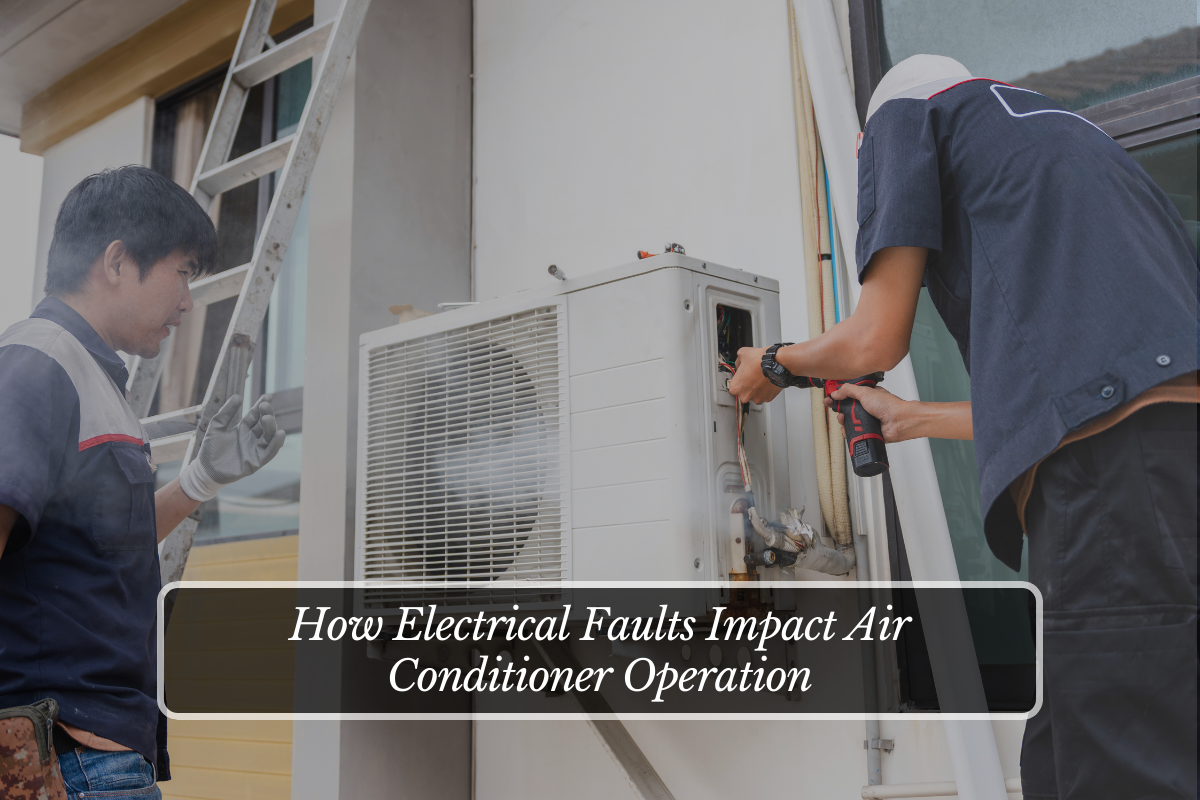
Air conditioners rely on a complex network of electrical components to function safely and efficiently. While many cooling problems are caused by mechanical wear or airflow issues, electrical faults are among the most common and most disruptive causes of AC failure.
These issues often begin subtly, showing up as inconsistent performance or unusual behavior before escalating into system shutdowns or safety risks. Understanding how electrical faults impact air conditioner operation helps homeowners recognize early warning signs and seek timely professional support.
The Role of Electrical Systems in AC Performance
Every air conditioning system depends on electricity to power its major components, including the compressor, condenser fan, blower motor, control board, thermostat, and safety switches. Electrical wiring connects these parts and ensures signals and power are delivered correctly.
When the electrical system is functioning properly, the AC operates smoothly and predictably. When faults occur, communication between components breaks down, power delivery becomes unstable, and the system can no longer function as designed. Even small electrical issues can have a ripple effect across the entire unit.
Power Interruptions Can Cause System Malfunctions
Inconsistent power supply is a common electrical issue affecting air conditioners. Voltage fluctuations, frequent power outages, or surges can interfere with system operation.
When voltage drops too low, motors may struggle to start, causing the system to shut down or run inefficiently. Power surges can damage sensitive components such as control boards and capacitors. Over time, repeated electrical stress can weaken parts and lead to premature system failure.
Faulty Capacitors Affect Motor Performance
Capacitors are small but critical components that help start and run motors within the AC system. They provide the extra electrical boost needed to start the compressor and fan motors.
When a capacitor begins to fail, the AC may struggle to start, make humming noises, or shut down unexpectedly. In some cases, the system may run intermittently. A completely failed capacitor can prevent the unit from turning on at all. Because capacitors directly affect motor function, ignoring this issue can lead to more serious motor damage.
Wiring Problems Disrupt System Communication
Air conditioners rely on wiring to carry both power and communication signals between components. Over time, wiring can become loose, corroded, damaged, or worn.
Loose connections may cause the system to cycle unpredictably, shut off without warning, or fail to respond to thermostat commands. Damaged wiring can also create safety hazards, including the risk of electrical shorts or fire. These issues often require professional inspection because they are not visible from the outside.
Control Board Failures Affect Overall Operation
The control board acts as the brain of the air conditioner. It receives signals from the thermostat and sensors, then tells different components when to turn on and off.
When the control board is damaged by electrical surges, moisture, or wear, the system may behave erratically. This can include short cycling, failure to start, inconsistent cooling, or unresponsive controls. Because the control board coordinates system functions, faults in this component can affect nearly every aspect of AC operation.
Tripped Breakers and Blown Fuses Signal Electrical Stress
Circuit breakers and fuses are safety devices designed to protect the system and the home’s electrical system. When an air conditioner draws too much power, these devices shut off electricity to prevent damage.
Frequent tripping of breakers often indicates an underlying electrical problem such as a failing motor, short circuit, or overloaded circuit. Simply resetting the breaker without addressing the cause can lead to further damage and potential safety risks.
Electrical Faults Can Reduce Energy Efficiency
Even when an air conditioner continues to run with electrical issues, its efficiency often suffers. Motors that receive inconsistent power may work harder than necessary. Components may cycle incorrectly, causing longer run times and higher energy consumption.
Homeowners may notice rising utility bills without understanding why. Electrical faults often contribute to these hidden efficiency losses. Addressing the issue early can restore performance and reduce operating costs.
Thermostat Wiring Problems Affect System Control
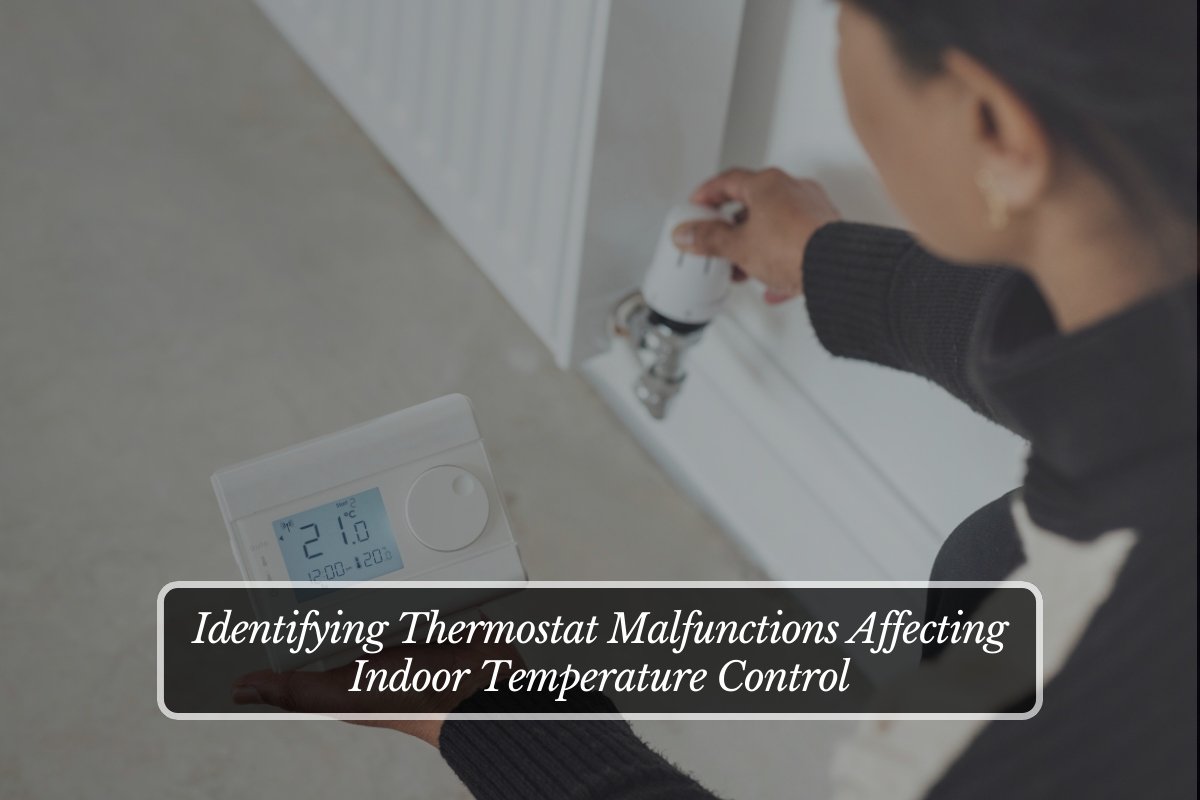
The thermostat plays a key role in regulating temperature, but it depends on proper wiring to communicate with the AC system.
If thermostat wiring becomes loose or damaged, the system may not receive accurate signals. This can lead to temperature inconsistencies, delayed responses, or failure to turn on or off at the correct times. In some cases, the problem may appear to be the thermostat itself when the real issue lies in the wiring.
Electrical Issues Can Lead to Complete System Shutdown
Some electrical faults trigger safety mechanisms that shut the system down entirely. This is designed to protect the unit from damage or prevent hazardous situations.
While this shutdown may seem like a malfunction, it is often the system’s way of preventing more serious harm. Repeated shutdowns should never be ignored, as they usually indicate an unresolved electrical problem that requires professional diagnosis.
Why Professional Diagnosis Is Essential for Electrical Faults
Electrical issues in air conditioning systems are not only complex but also potentially dangerous. Attempting DIY repairs on electrical components can lead to injury, further damage, or voided warranties.
Professional technicians have the tools and training to safely test electrical components, identify faults, and make proper repairs. Early professional intervention often prevents minor electrical issues from becoming costly system failures.
Frequently Asked Questions
What are common signs of electrical problems in an air conditioner?
Frequent breaker trips, strange noises, delayed startup, inconsistent cooling, burning smells, or the system not turning on are all potential signs of electrical issues.
Can electrical faults damage the compressor?
Yes. Voltage problems, failing capacitors, and wiring issues can place excessive strain on the compressor, leading to expensive damage.
Is it safe to keep running the AC if I suspect an electrical issue?
No. Continuing to run the system can increase the risk of damage or safety hazards. It is best to turn off the system and seek professional service.
How often should electrical components be checked?
Electrical components should be inspected during regular professional maintenance, typically once per year.
Do power surges affect air conditioners?
Yes. Power surges can damage sensitive electronics like control boards and capacitors. Surge protection can help reduce this risk.
Can a bad thermostat cause electrical issues?
A faulty thermostat or wiring issue can disrupt communication with the system and cause improper operation, but the root issue is often in the electrical connections rather than the thermostat itself.