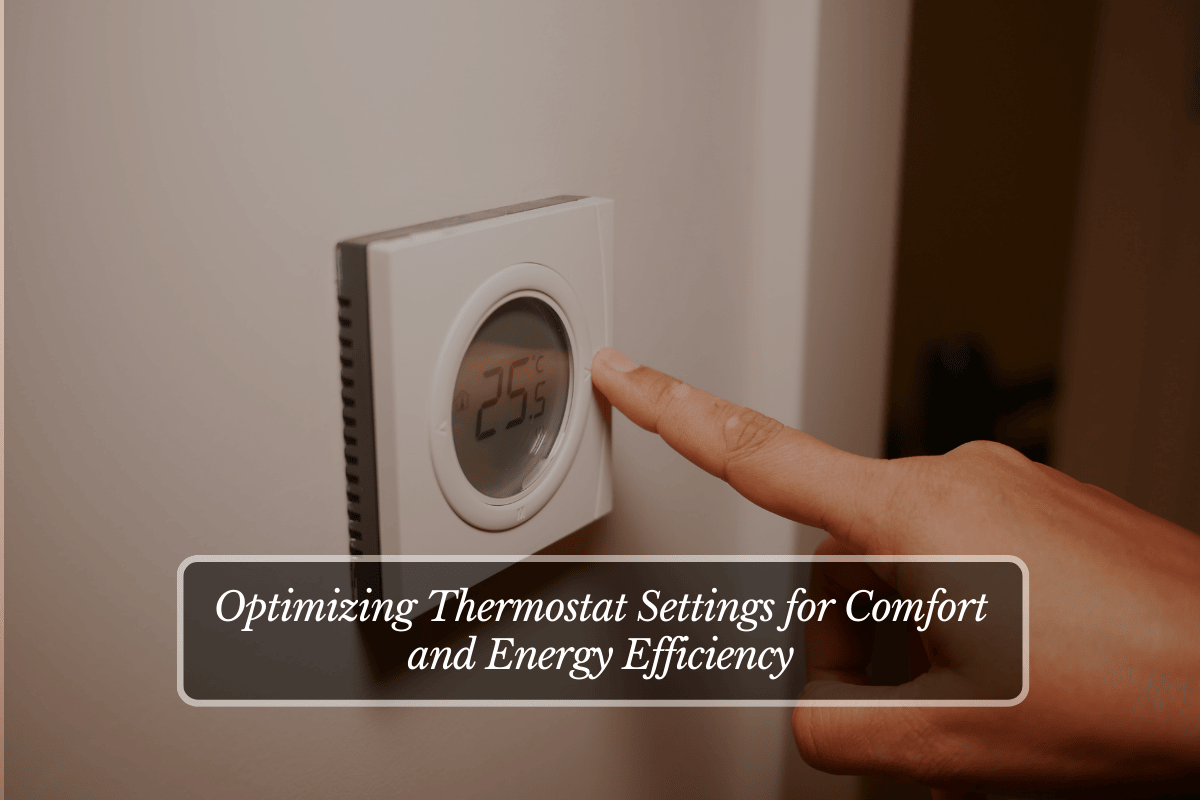
Thermostat settings strike a balance between maintaining cozy indoor temperatures and slashing energy bills, with small adjustments yielding big savings in American homes. Energy Star recommends 68°F in winter and 78°F in summer as sweet spots, potentially cutting HVAC costs—nearly half of household energy use—by 10% per degree shifted when away or asleep. Smart use of programmable or WiFi models automates these tweaks, ensuring comfort without waste.
Winter Heating Strategies
Set daytime home temperatures to 68°F, aligning comfort with efficiency as per DOE guidelines—each degree lower saves 1-3% on bills. Drop to 60-65°F at night under blankets or when absent for 8 hours, reaping 5-15% savings without morning chills. Programmable thermostats preheat 30 minutes before return, avoiding energy spikes.
Layer clothing, rugs, and humidifiers enhance perceived warmth at lower settings; ceiling fans on low reverse circulate heat downward.
Summer Cooling Guidelines
Aim for 78°F daytime when home, raising to 85°F away—Energy Star notes 8-degree setbacks slash cooling by 10%. Nighttime holds 78°F for dehumidification, preventing mold while sleeping comfortably. Fans aid cooling sensation by 4°F, allowing higher settings.
Close blinds midday; ventilate evenings to flush hot air, minimizing AC runtime.
Seasonal and Transitional Tips
Spring/fall flex 68-78°F based on forecasts—mornings cooler, afternoons warmer. Use “auto-changeover” modes on dual-fuel systems for seamless shifts. Humidity control matters: 30-50% RH prevents summer overcooling or winter overdrying.
Programmable and Smart Thermostats
Nest or Ecobee learn routines, auto-adjusting via geofencing—away mode activates at doors, saving 10-12% yearly. Schedule four cycles daily: Wake, Leave, Return, Sleep. Manual overrides preserve flexibility; app alerts flag filter changes.
Energy Star-certified models qualify for rebates up to $100; Alexa integration voices commands hands-free.
Room-by-Room and Zoned Optimization
Multi-zone systems tailor settings—68°F living areas, 60°F unused basements. Window AC units suit additions; portable heaters target single rooms in winter. Ceiling fans year-round: counterclockwise summer, clockwise winter.
Insulation audits precede tweaks—seal ducts, add R-49 attics for 20% gains.
Behavioral Adjustments for Savings
Dress seasonally: sweaters permit 65°F winter; light linens tolerate 80°F summer. Cook outdoors or use slow cookers to avoid oven heat. Programmable plugs cut vampire loads; occupants vote on “comfort compromises.”
Track via apps like Sense, adjusting based on bills—aim 10% quarterly drops.
Health and Comfort Considerations
Avoid extremes: below 60°F winter risks pipes; above 80°F summer breeds bacteria. Elderly/pets need 68-72°F steady; asthma sufferers prioritize humidity. Sleep studies favor 60-67°F bedrooms for deeper rest.
Measuring Efficiency Gains
Baseline pre-change bills; post-adjustment math shows ROI—$100 thermostat pays back in 1 year at $200 savings. Utility audits confirm; apps forecast usage.
Advanced Features and Upgrades
WiFi models integrate weather APIs, preempting storms. Heat pumps thrive at moderate setbacks; geothermal ignores swings entirely. Utility demand-response programs pay for peak-off usage.
FAQs
1. What’s the single best year-round setting?
68°F winter/78°F summer daytime home; setback 7-10°F away/asleep per Energy Star.
2. Do smart thermostats really save money?
Yes, 10-20% via learning/geofencing; rebates accelerate payback.
3. Should I turn off AC when away in summer?
Raise to 85°F, not off—prevents humidity buildup, saves more.
4. How much does one degree save?
1-3% per degree shifted 8 hours daily; compounds yearly.
5. Are fans enough without changing thermostat?
Fans cool via wind chill (4°F feel); pair with 2-degree raises for same comfort.