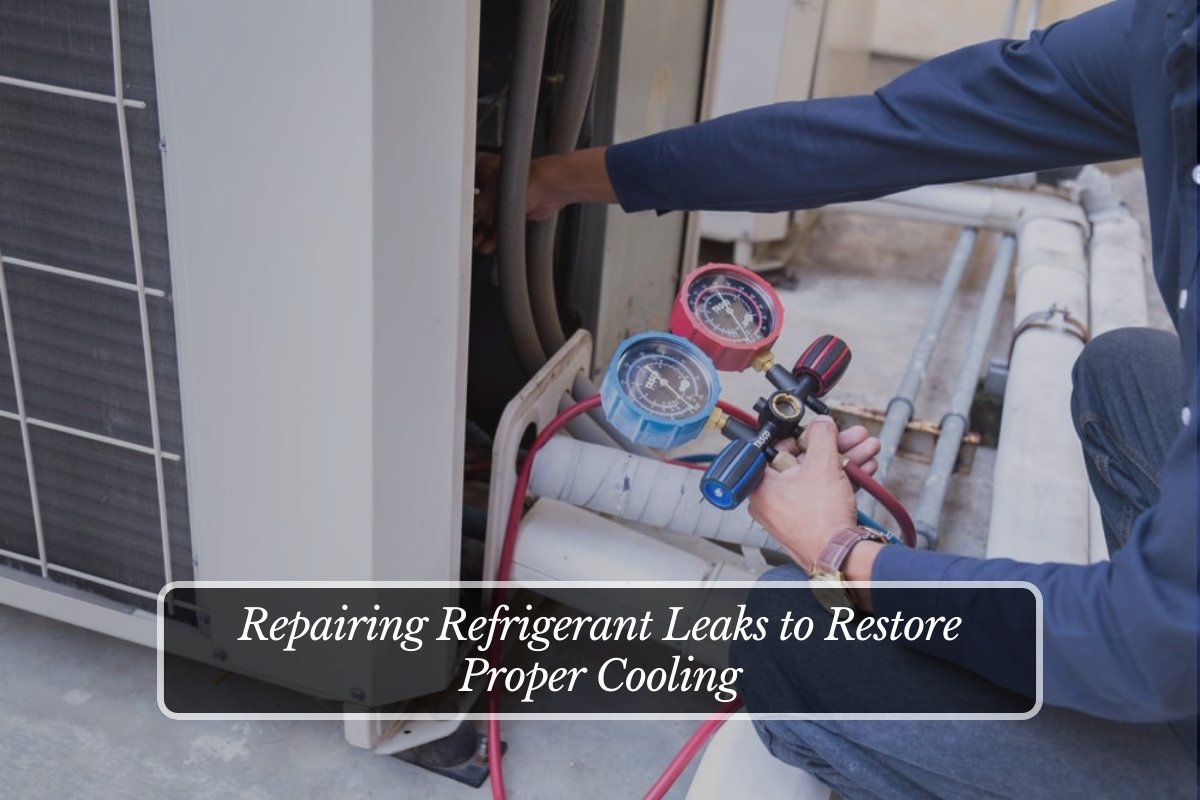
An air conditioning system that struggles to cool your home effectively often has more going on than normal wear and tear. One of the most common and serious issues behind poor cooling performance is a refrigerant leak. Refrigerant is essential to the cooling process, and when levels drop due to a leak, the entire system suffers.
Repairing refrigerant leaks promptly is critical for restoring proper cooling, protecting system components, and avoiding unnecessary energy costs. This article explains why refrigerant leaks matter, how they affect performance, and what proper repair involves.
Why Refrigerant Is Essential to Cooling Performance
Refrigerant is the substance that absorbs heat from inside your home and releases it outdoors. It circulates through the evaporator coil, compressor, and condenser coil in a continuous loop, allowing your system to maintain comfortable indoor temperatures.
When refrigerant levels are correct, the system can efficiently remove heat and regulate humidity. However, when a leak occurs, this balance is disrupted. The system can no longer absorb enough heat, leading to reduced cooling capacity and increased strain on key components.
Common Signs of a Refrigerant Leak
Refrigerant leaks often develop gradually, so the symptoms may appear subtle at first. One of the most noticeable signs is that your home no longer cools as effectively as it used to, even when the system runs continuously.
Other common indicators include warm air coming from vents, ice forming on the indoor evaporator coil, hissing or bubbling sounds near the unit, and higher-than-usual energy bills. You may also notice longer cooling cycles and inconsistent temperatures throughout your home. Recognizing these signs early can help prevent more extensive damage.
How Refrigerant Leaks Damage Your System
Low refrigerant levels force your air conditioner to work harder to achieve the same cooling result. This increased workload puts extra stress on the compressor, which is one of the most expensive components to replace.
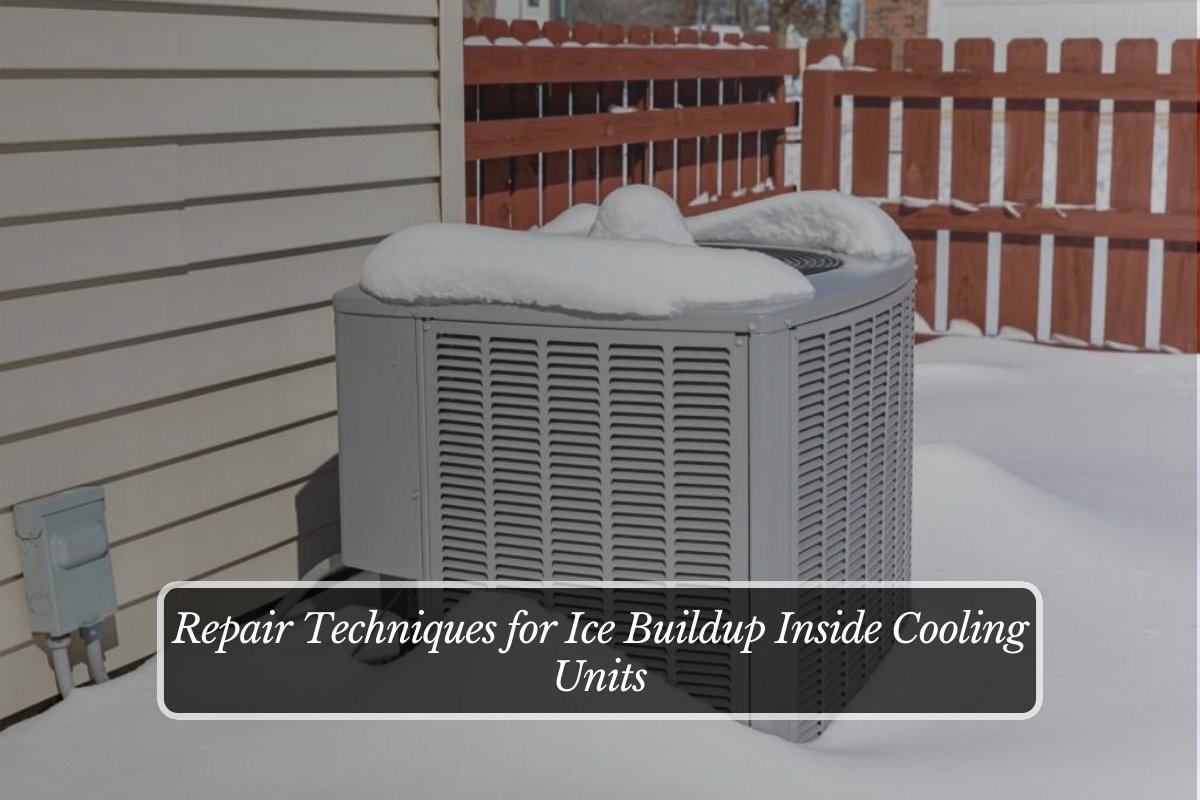
When refrigerant is insufficient, the evaporator coil can become too cold and freeze over, further restricting airflow. Over time, this can lead to complete system failure. What starts as a manageable leak repair can turn into a costly replacement if ignored too long.
Why Simply Adding Refrigerant Is Not the Solution
Some homeowners assume that topping off refrigerant will fix the problem. However, refrigerant does not get “used up” under normal operation. If levels are low, it means there is a leak.
Adding refrigerant without repairing the leak only provides temporary relief. The system will continue to lose refrigerant, the underlying issue will worsen, and the risk of long-term damage will increase. Proper repair always involves locating and fixing the leak before recharging the system.
How Professionals Locate and Repair Refrigerant Leaks
Repairing refrigerant leaks requires specialized training and tools. HVAC technicians use methods such as electronic leak detectors, ultraviolet dye, and pressure testing to pinpoint the source of the leak.
Once identified, the technician will repair or replace the damaged component. This may involve sealing small leaks, replacing faulty valves, repairing coils, or tightening connections. After the repair, the system is carefully recharged with the correct amount of refrigerant and tested to ensure proper operation.
Restoring Energy Efficiency Through Leak Repair
A system with low refrigerant runs longer and consumes more electricity to try to maintain the desired temperature. This inefficiency often results in noticeably higher utility bills.
Repairing refrigerant leaks restores the system’s efficiency. With proper refrigerant levels, the system cools more effectively, cycles more normally, and uses less energy. Over time, this can lead to meaningful cost savings on monthly energy expenses.
Protecting Indoor Comfort and Air Quality
Refrigerant leaks do not only affect temperature control; they can also impact overall comfort. Poor cooling performance often leads to higher indoor humidity, uneven temperatures, and stuffy indoor conditions.
When the system is operating correctly, it removes both heat and excess moisture from the air. Repairing leaks helps restore balanced comfort and supports healthier indoor air conditions.
Preventing Future Refrigerant Issues
Preventative maintenance plays an important role in avoiding refrigerant problems. Regular inspections can help identify early signs of corrosion, worn components, or pressure irregularities before they turn into leaks.
Scheduling annual HVAC maintenance, keeping coils clean, and addressing minor issues early all contribute to extending the life of your system and reducing the likelihood of future refrigerant leaks.
Frequently Asked Questions
Can I continue using my air conditioner if it has a refrigerant leak?
It is not recommended. Running the system with low refrigerant can cause serious damage to the compressor and lead to more expensive repairs.
Is a refrigerant leak dangerous?
While most modern refrigerants are relatively safe, leaks can still pose health and environmental concerns and should always be handled by a professional.
How much does it cost to repair a refrigerant leak?
Costs vary depending on the location and severity of the leak. Minor repairs may be affordable, while major component replacements can be more costly.
How long does refrigerant last in an AC system?
Refrigerant should last the lifetime of the system. If levels are low, it indicates a leak that needs to be repaired.
Can I fix a refrigerant leak myself?
No. Refrigerant handling requires certification and specialized equipment. Repairs should always be performed by a licensed HVAC technician.
How can I reduce the risk of refrigerant leaks in the future?
Regular professional maintenance, prompt attention to performance issues, and keeping your system clean and well-maintained are the best preventive measures.