Air conditioner water leakage is a common issue faced by homeowners and businesses, especially during warmer months when cooling systems work harder. While a certain amount of condensation is normal, visible water dripping or pooling around the unit is a sign that something is wrong.
Understanding the common causes of air conditioner water leakage can help you identify problems early, prevent damage, and maintain efficient system performance.
Clogged or Blocked Condensate Drain Line
One of the most frequent causes of water leakage is a clogged condensate drain line. As an air conditioner cools the air, moisture condenses and is directed through this drain line to exit safely. Over time, dust, dirt, mold, algae, and debris can build up inside the line, causing blockages. When the drain line is blocked, water has nowhere to go and begins to back up, eventually leaking from the unit.
Dirty or Frozen Evaporator Coils
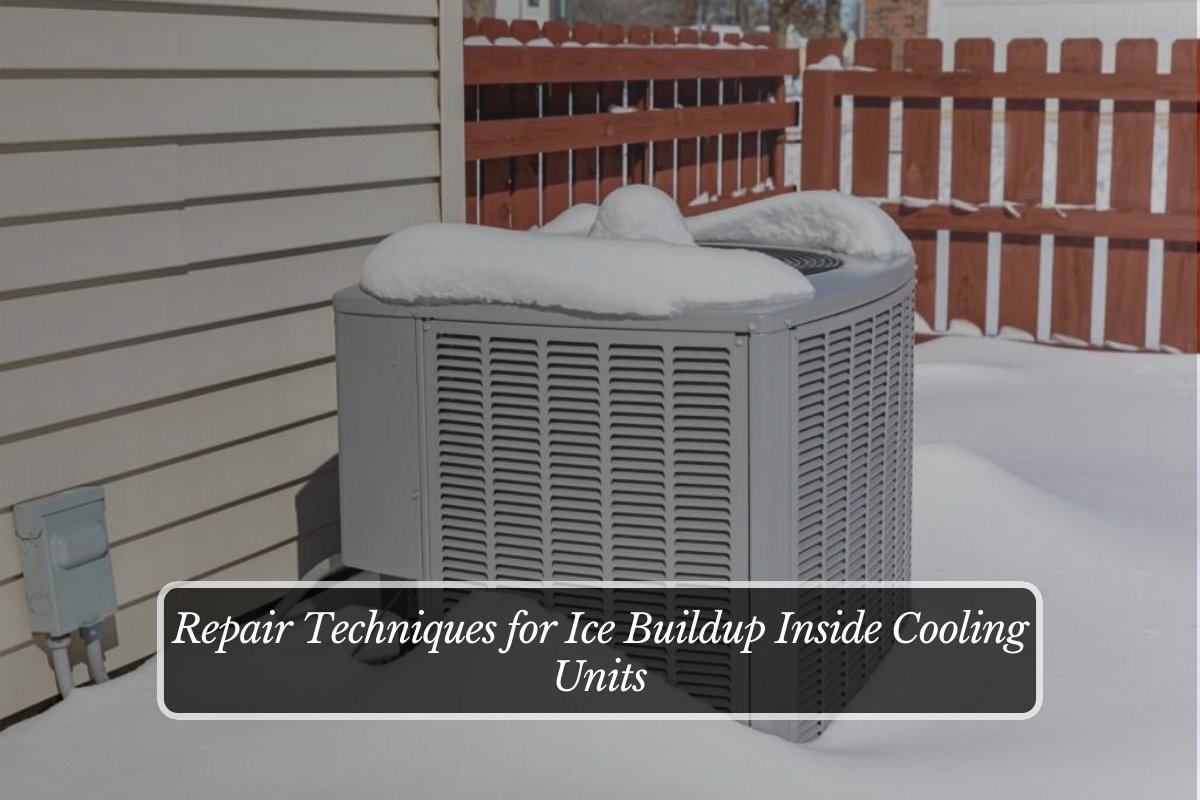
Evaporator coils play a key role in the cooling process by absorbing heat from indoor air. If these coils become dirty, airflow is restricted, causing the coils to become excessively cold. This can lead to ice formation on the coils. When the system turns off and the ice melts, the drain pan may overflow, resulting in water leakage. Frozen coils are often linked to poor maintenance or restricted airflow.
Damaged or Rusted Drain Pan
The drain pan is designed to catch condensation and direct it into the drain line. Over time, especially in older systems, the drain pan can crack, rust, or become misaligned. A damaged drain pan allows water to leak directly from the unit instead of flowing out properly. In some cases, the pan may be too small or improperly installed, increasing the risk of overflow.
Low Refrigerant Levels
Low refrigerant levels can also contribute to water leakage problems. When refrigerant levels drop due to leaks or improper charging, the evaporator coils may become too cold and freeze. As with dirty coils, the ice eventually melts and produces excess water that overwhelms the drainage system. Low refrigerant levels are a serious issue that requires professional attention, as they affect both performance and efficiency.
Improper Installation or Poor Leveling
An air conditioner must be properly installed and level to function correctly. If the unit is tilted incorrectly, condensation may not flow toward the drain line as intended. Instead, water can collect in unwanted areas and leak out of the system. Improper installation is more common with window units or newly installed systems and can often be corrected by adjusting the unit’s position.
Air Filter Issues and Restricted Airflow
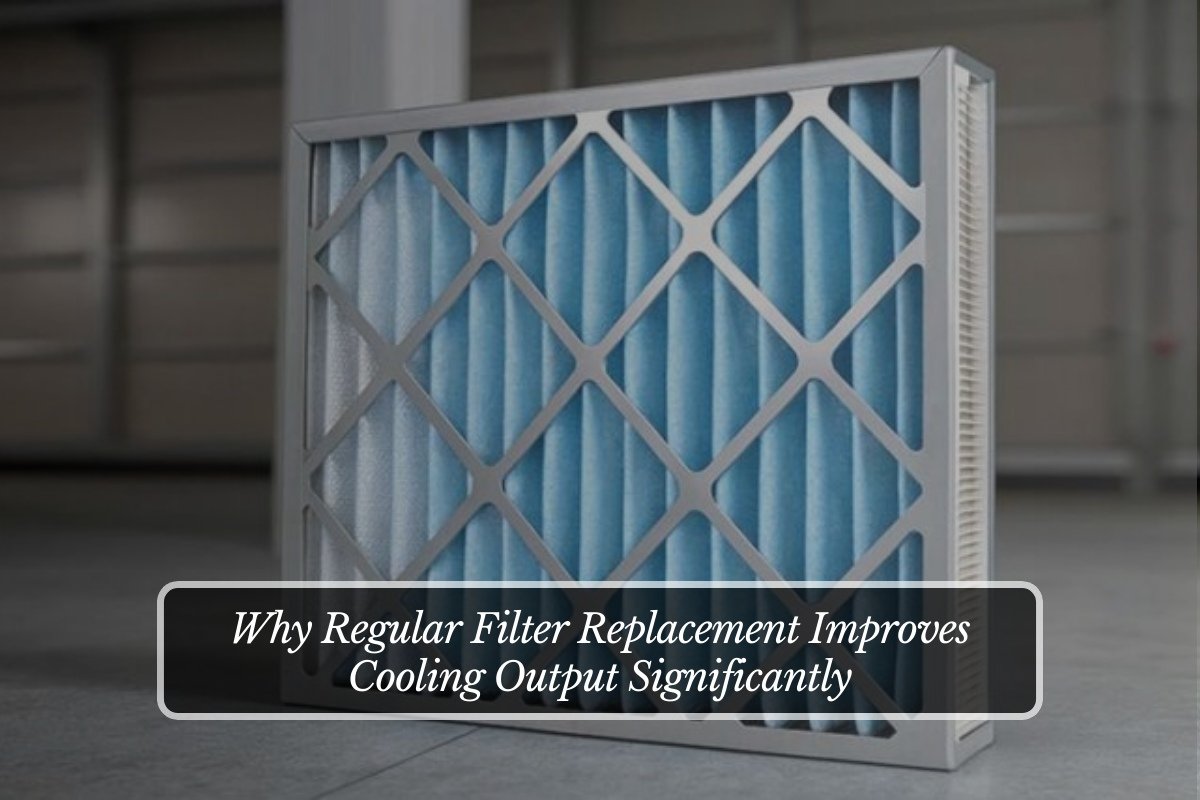
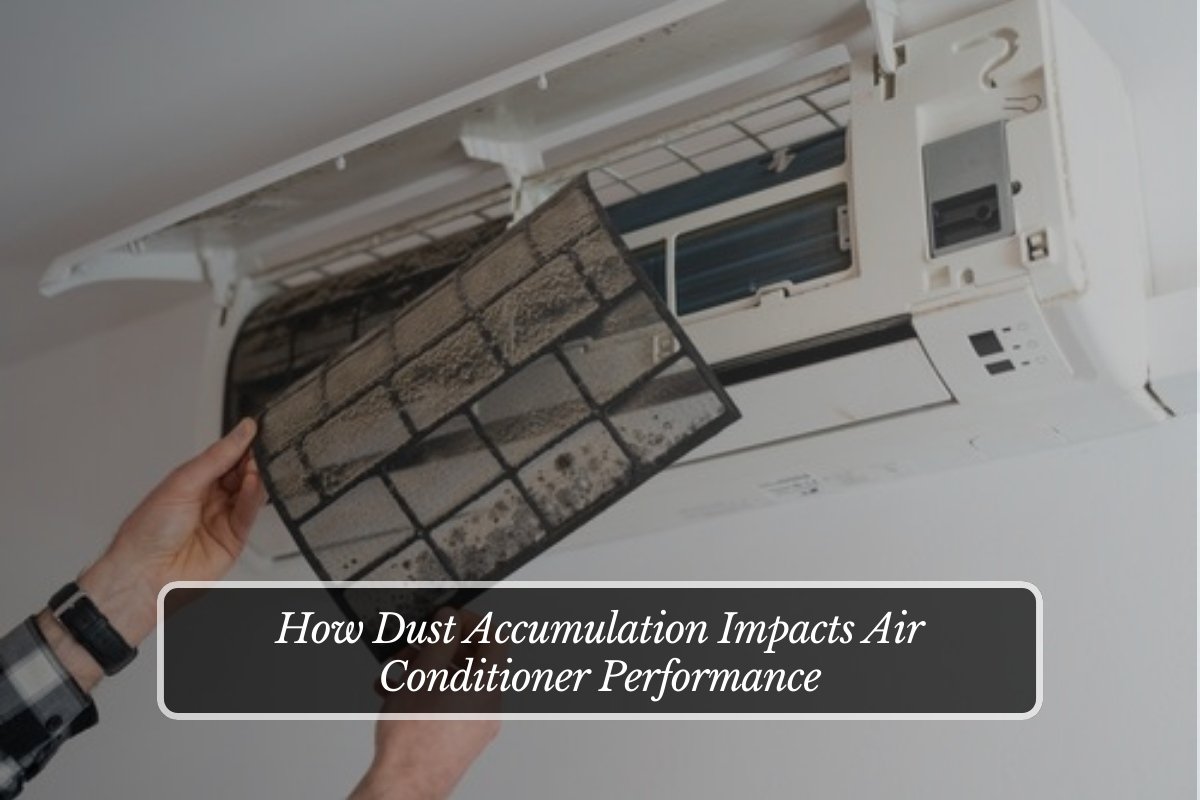
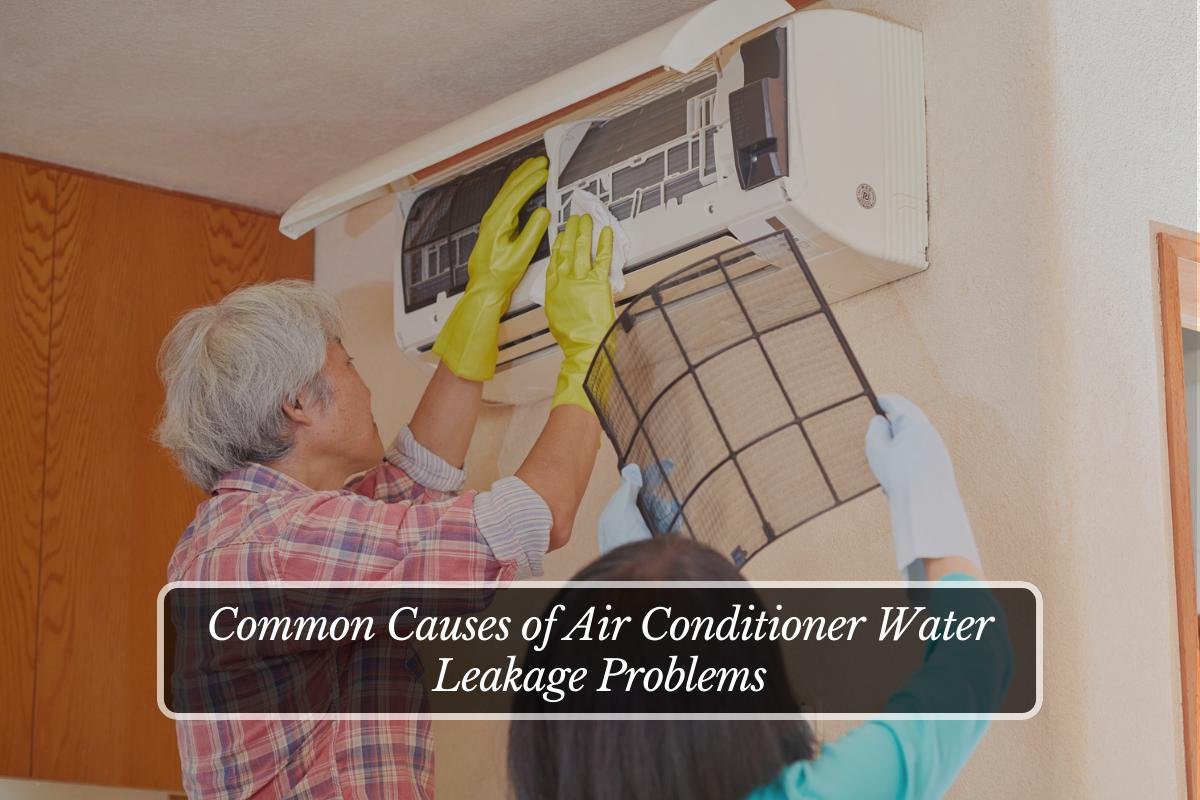
Dirty or clogged air filters restrict airflow across the evaporator coils. When airflow is reduced, the coils can become too cold and freeze, leading to water leakage once the ice melts. Regularly changing or cleaning air filters is one of the simplest and most effective ways to prevent this type of issue and maintain proper system operation.
Excessive Humidity Levels
In environments with high humidity, air conditioners produce more condensation than usual. If the system is not designed to handle the excess moisture or if drainage components are already compromised, water leakage can occur. While humidity alone may not cause leakage, it can worsen existing problems and make them more noticeable.
The Importance of Regular Maintenance
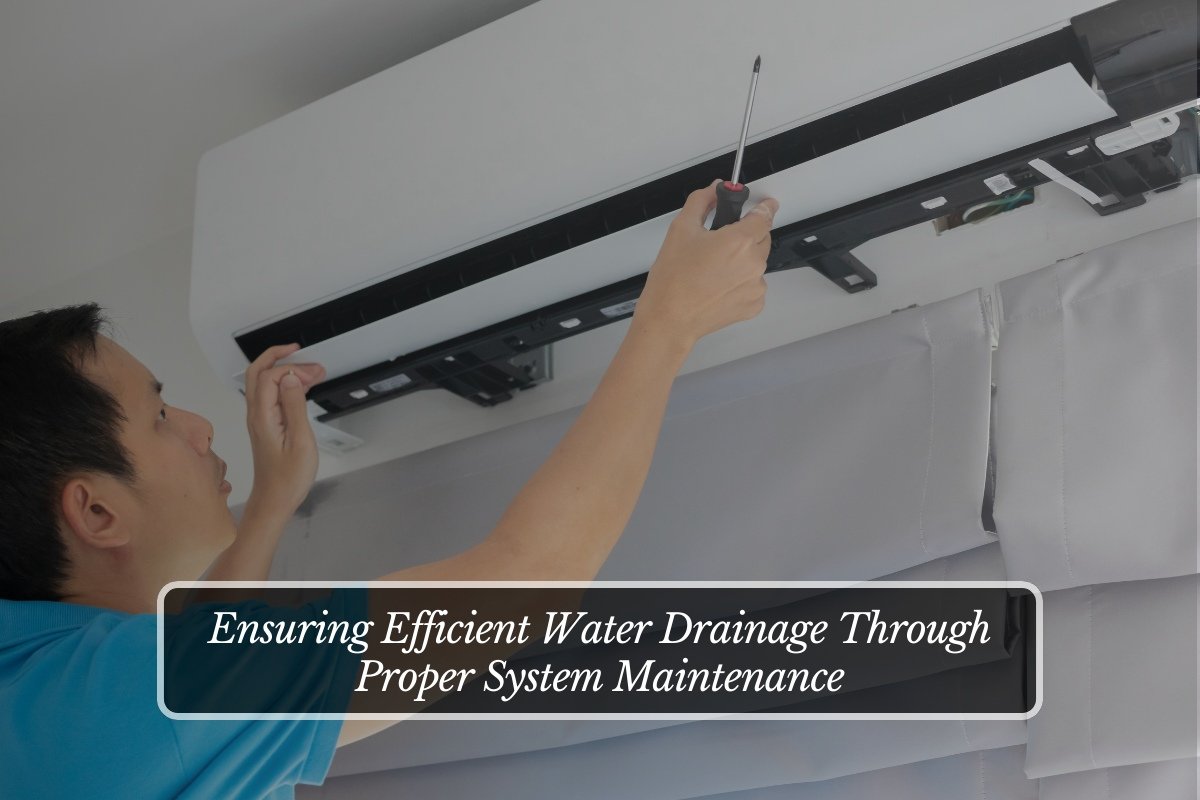
Routine maintenance is essential for preventing air conditioner water leakage. Regular inspections help identify clogged drain lines, dirty coils, damaged components, and airflow issues before they lead to visible leaks. Preventive maintenance not only reduces the risk of water damage but also improves energy efficiency and extends the lifespan of the system.
FAQs
Why is my air conditioner leaking water inside the house?
Indoor leaks are often caused by clogged drain lines, frozen evaporator coils, or damaged drain pans that prevent proper drainage.
Is air conditioner water leakage dangerous?
While the water itself is not dangerous, leaks can cause structural damage, promote mold growth, and indicate underlying system issues.
Can I fix an AC water leak myself?
Simple tasks like cleaning filters or checking for visible drain line clogs can be done by homeowners, but persistent leaks should be handled by a professional.
How often should AC drain lines be cleaned?
Drain lines should typically be inspected and cleaned at least once a year, or more often in humid environments.
Does a leaking air conditioner affect efficiency?
Yes, water leakage often signals airflow, refrigerant, or maintenance issues that can reduce cooling efficiency and increase energy costs.