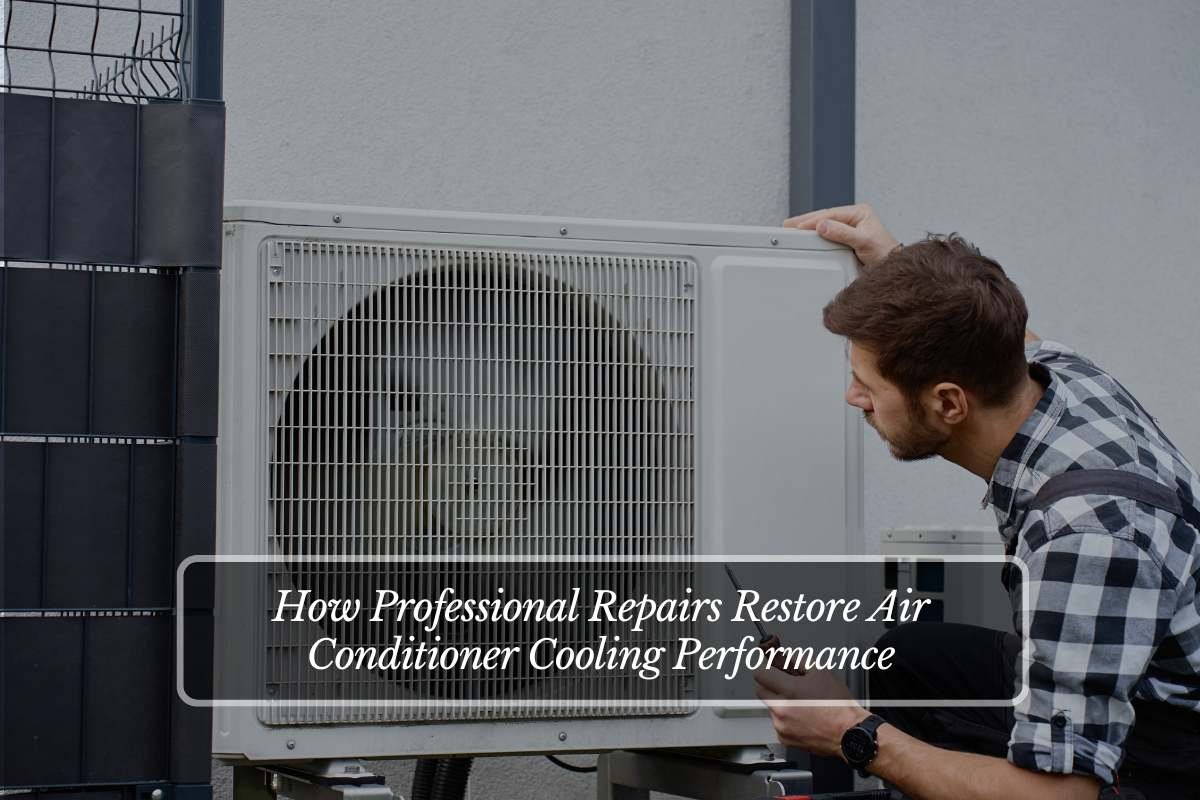
Professional repairs restore air conditioner cooling performance by diagnosing root causes like dirty coils or low refrigerant and using specialized tools to optimize efficiency, often boosting SEER ratings and cutting energy bills. In the USA, NATE-certified technicians follow EPA Section 608 rules for safe refrigerant handling, ensuring systems meet ENERGY STAR standards.
Diagnosing common cooling failures
Technicians start with comprehensive inspections to pinpoint issues reducing airflow or heat exchange.
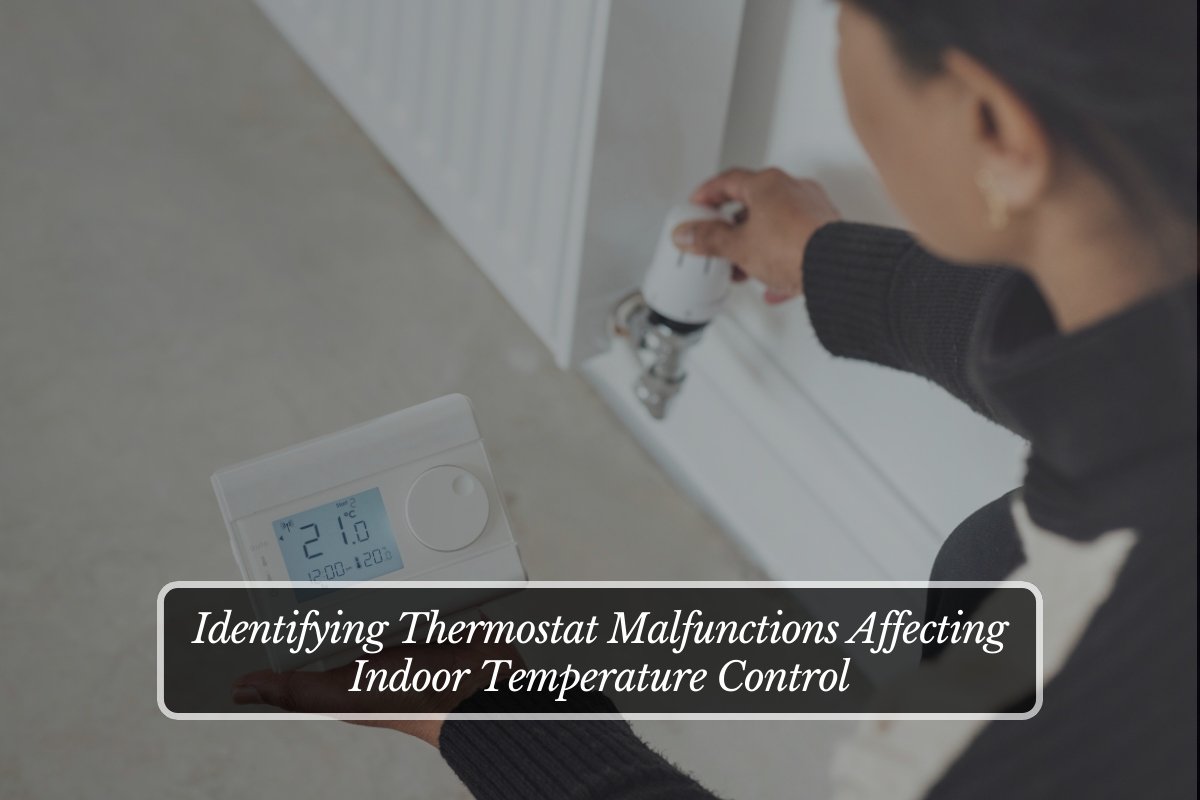
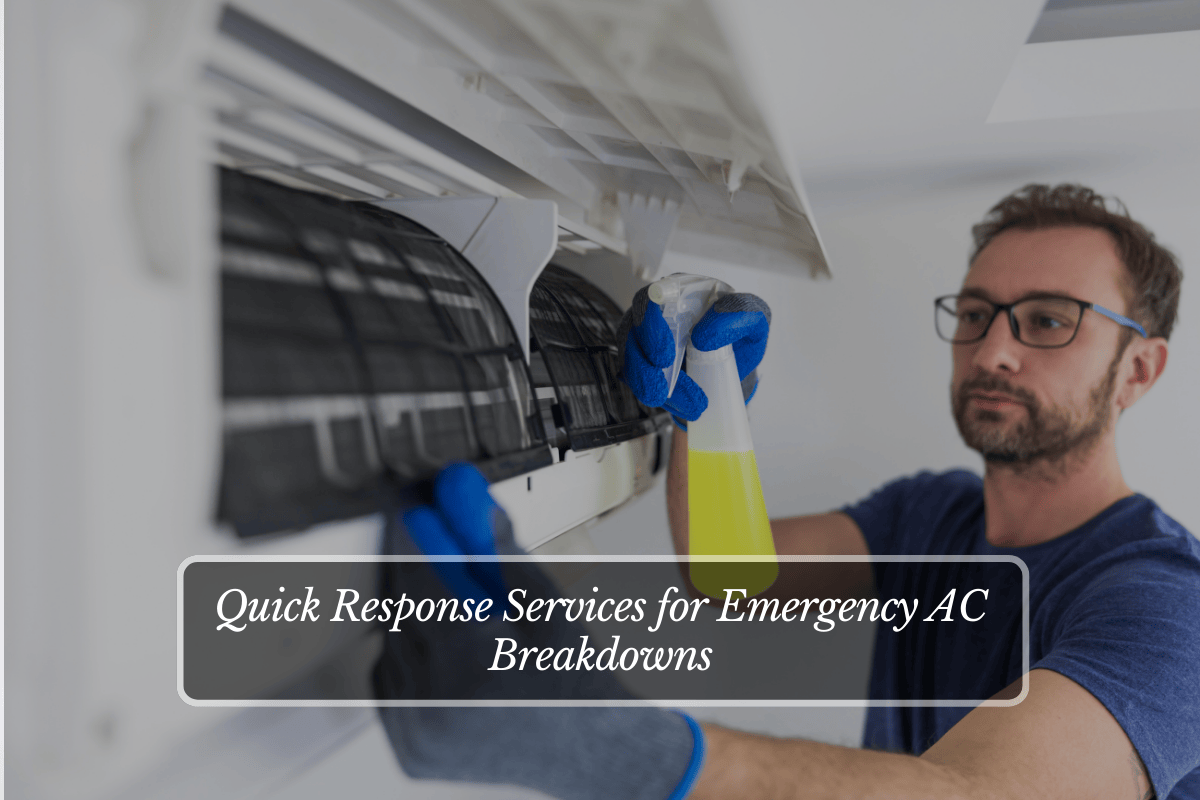
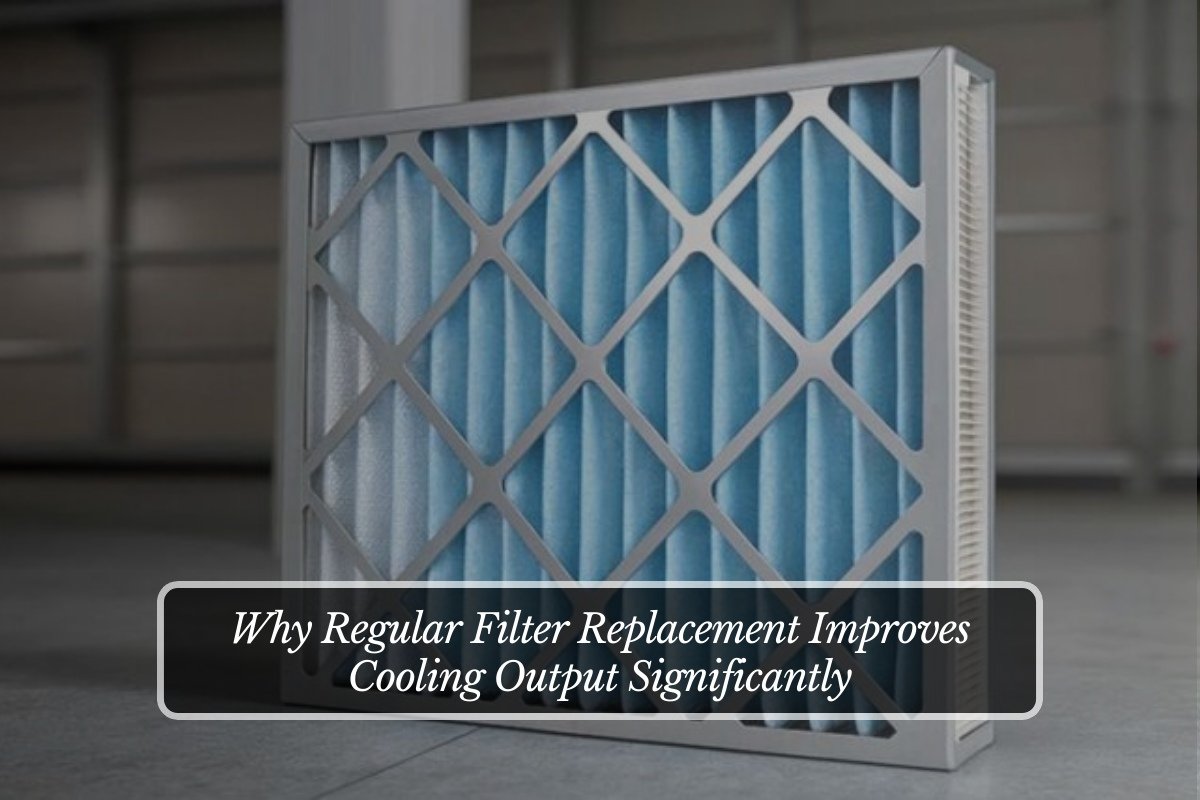
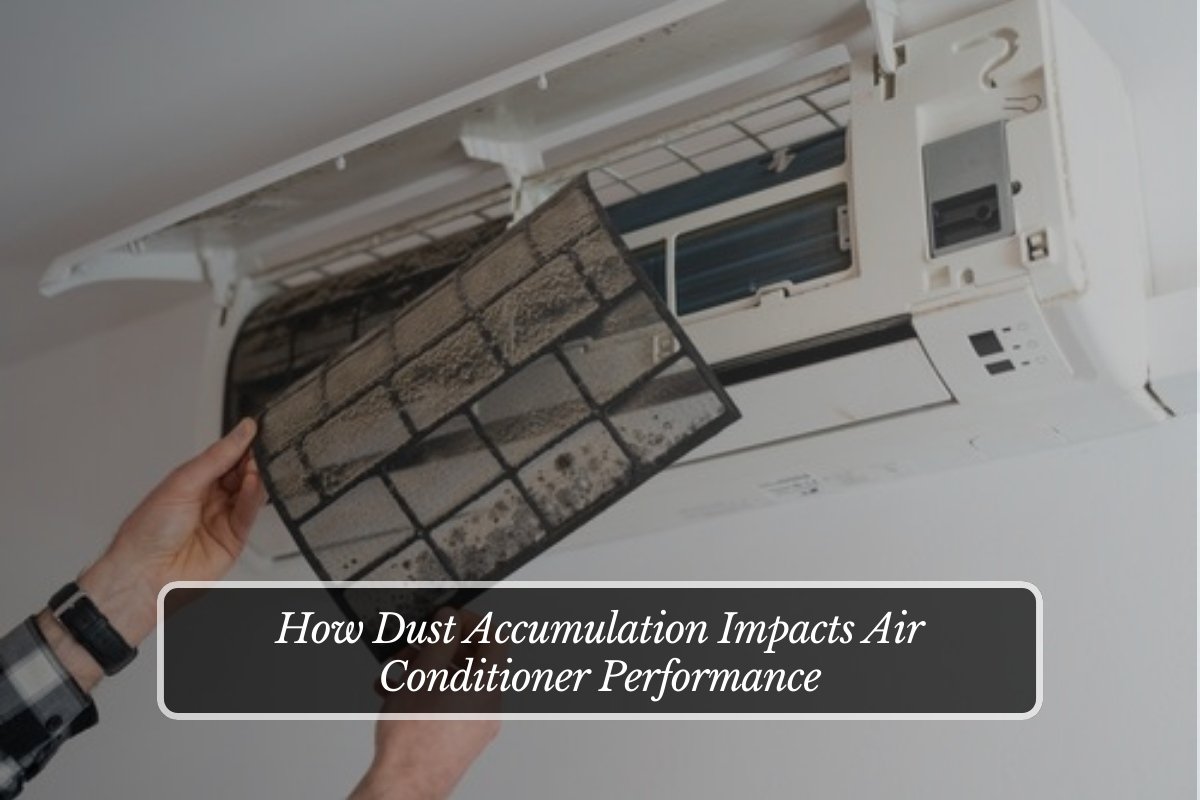
Dirty evaporator or condenser coils block heat transfer, causing warm air; pros clean with coils cleaners and brushes. Clogged filters restrict airflow, straining compressors; replacement restores balance. Low refrigerant from leaks cuts cooling capacity; EPA-certified recovery and recharge fix this safely. Faulty thermostats or sensors misread temperatures, leading to short-cycling; calibration or replacement ensures accuracy.
Electrical and mechanical fixes
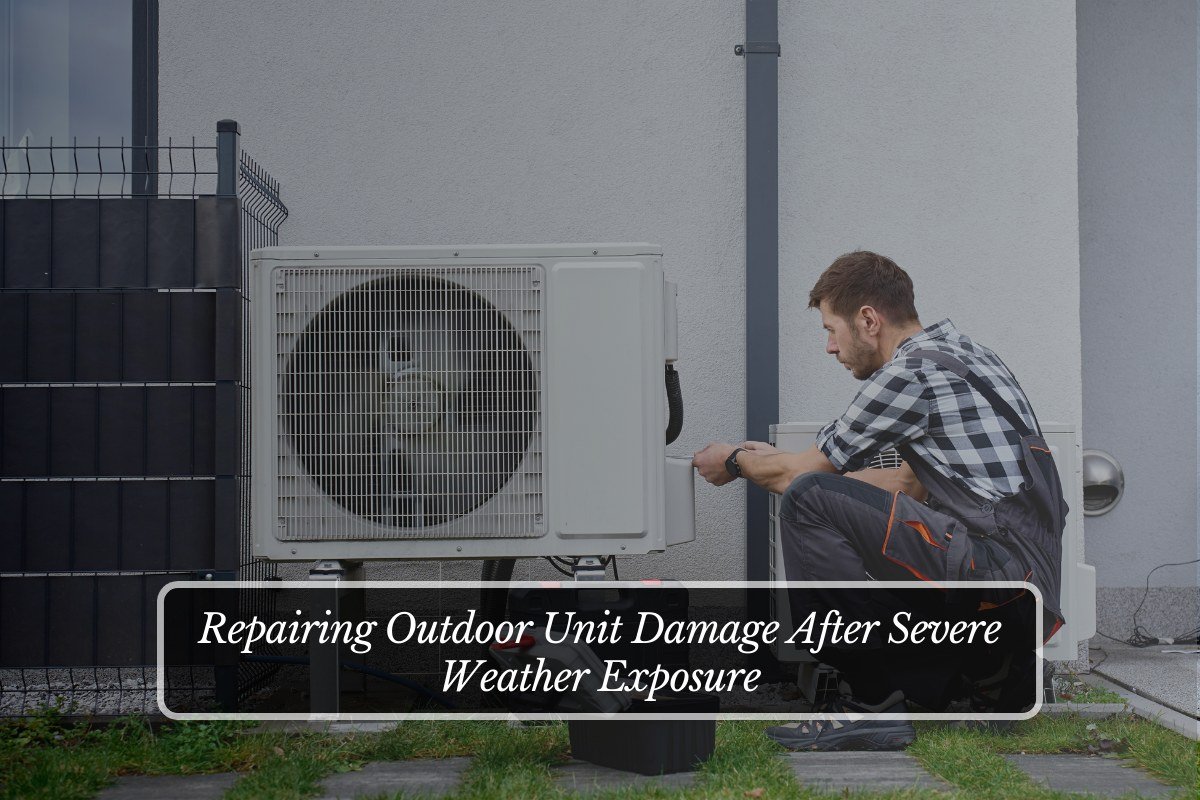
Worn capacitors, contactors, or fans prevent startup or cause uneven cooling; testing and OEM parts replacement restores reliability.
Loose wiring or failing motors increase energy use; secure connections and lubrication optimize operation. Compressor issues, common in older units, demand precise diagnostics to avoid total failure.
Refrigerant and leak management
Low charge mimics poor cooling; pros detect leaks with electronic detectors, repair (e.g., braze coils), evacuate, and recharge to manufacturer specs.
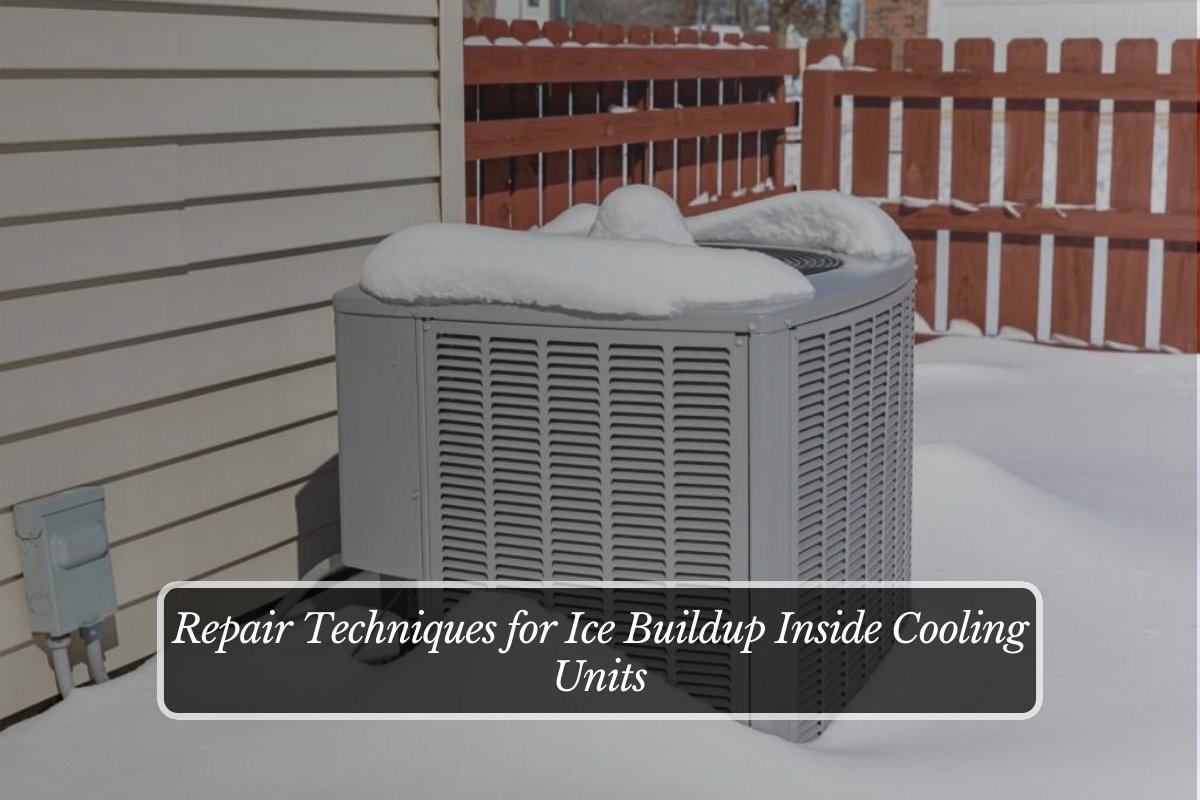
This prevents freezing coils and compressor damage, complying with U.S. refrigerant phase-downs.
Post-repair optimization
After fixes, techs test static pressure, airflow (CFM), temperature drop (15–20°F), and amp draw for peak performance.
Duct sealing addresses leaks wasting 20–30% efficiency; cleaning debris ensures longevity. Tune-ups recalibrate for ENERGY STAR levels, verifying SEER improvements.
Preventive benefits and warranties
Repairs extend life 5–10 years, slashing breakdowns; pros recommend maintenance schedules. Warranties cover parts/labor; memberships offer priority service.
Signs needing pro intervention
Poor airflow, weak cooling, noises, leaks, or high bills signal issues DIY can’t fix safely.
FAQs
1. What causes most cooling loss?
Dirty coils, clogged filters, low refrigerant; pros clean/recharge to restore heat exchange.
2. How do techs check refrigerant safely?
EPA 608-certified recovery, leak detection, repair, recharge per manufacturer specs.
3. What tests confirm restored performance?
Temperature drop (15–20°F), airflow CFM, amp draw, static pressure for efficiency.
4. Can repairs improve energy efficiency?
Yes, fixing leaks/filters boosts SEER, cuts bills 10–20%; duct sealing adds gains.
5. When to call a pro vs. DIY?
Refrigerant, electrical, compressor issues need certification; filters easy DIY.