Air conditioners keep homes comfortable during scorching U.S. summers, but they wear out over time and show clear warning signs when repairs become urgent. Ignoring these signals risks breakdowns, skyrocketing energy bills, and health hazards like poor indoor air quality.
Homeowners across states like Texas, Florida, and Arizona face intense heat waves, making timely AC maintenance essential under U.S. building codes and EPA refrigerant regulations.
Weak or Inconsistent Airflow
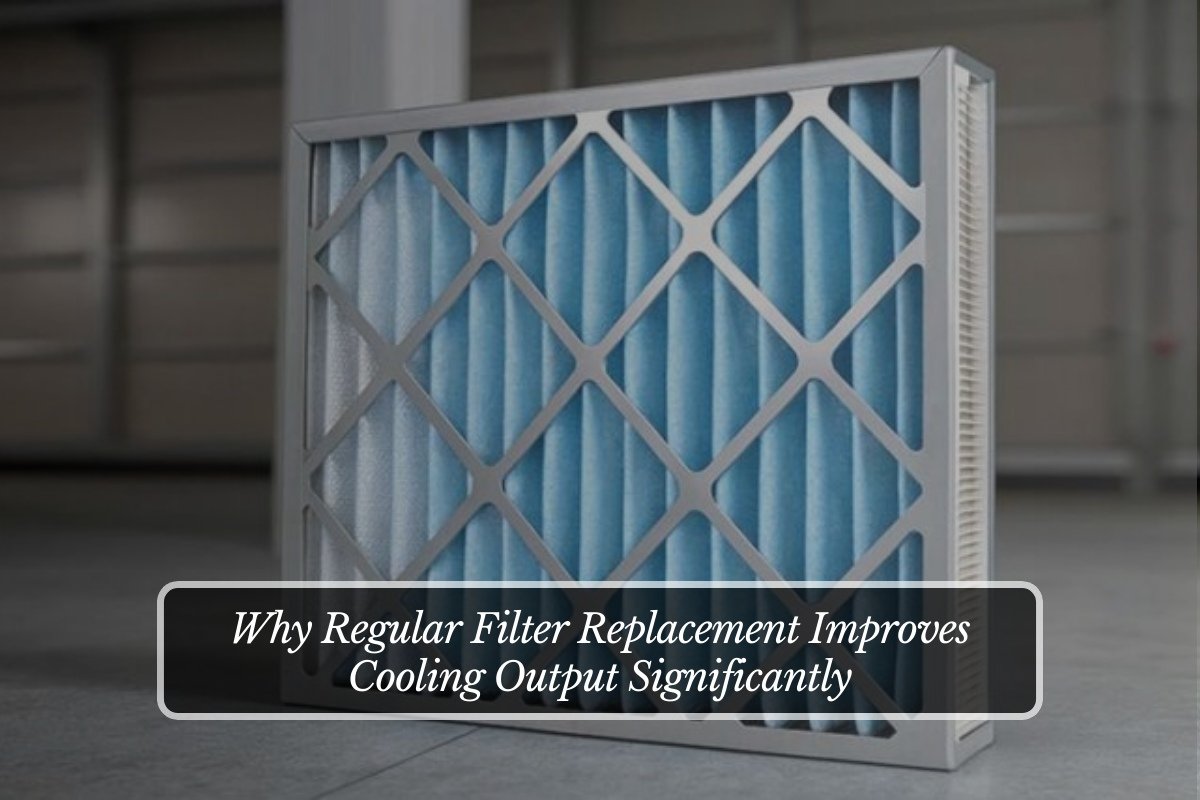
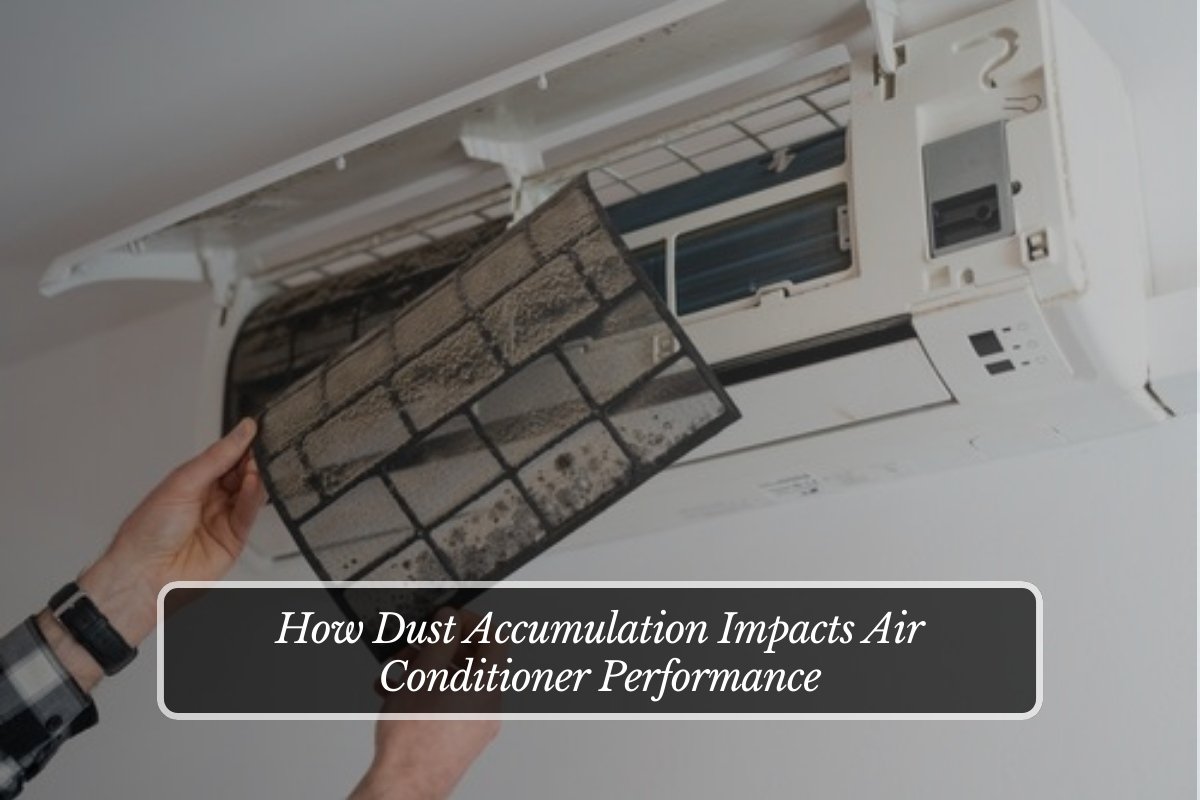
Reduced airflow from vents signals a serious issue, often starting with a clogged air filter that restricts air movement. Dirty filters force the blower motor to overwork, leading to inefficiency and potential motor failure common in humid regions like the Southeast. Check vents in every room; if some blow weakly while others don’t, ductwork blockages or a failing blower fan demand immediate professional inspection to prevent uneven cooling and higher utility costs.
Failing to address this quickly strains the compressor, the AC’s most expensive component, which can cost $1,500–$2,500 to replace in typical U.S. homes. Technicians use airflow meters during routine service to diagnose, ensuring compliance with ENERGY STAR efficiency standards promoted nationwide.
Warm Air Blowing from Vents
The most obvious red flag is warm air emerging instead of cool, indicating low refrigerant levels, a broken compressor, or faulty evaporator coils. Refrigerant leaks violate EPA rules requiring repairs within 30 days for systems over certain thresholds, as they harm the environment and reduce cooling capacity. In hot climates like California’s Central Valley, this failure leaves homes sweltering above 80°F indoors despite the unit running nonstop.
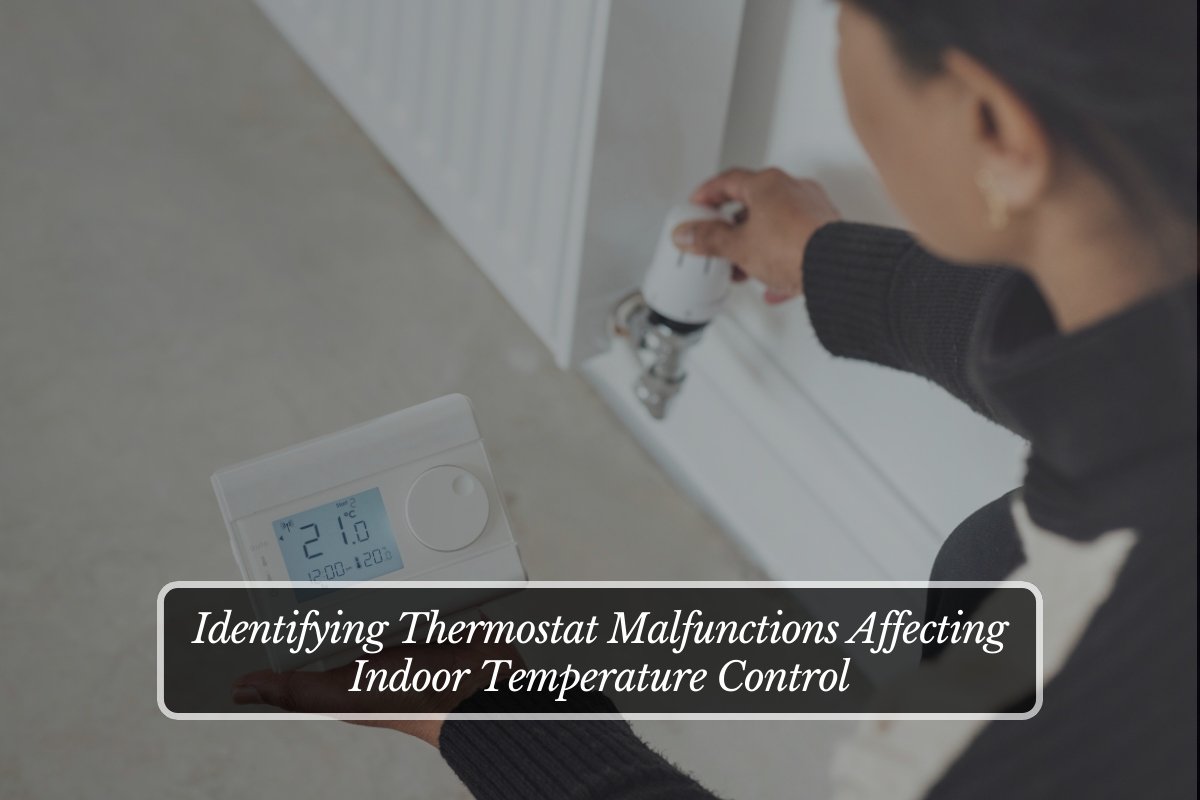
Thermostat malfunctions exacerbate this, misreading temperatures and cycling improperly. Immediate service restores refrigerant safely—handling requires certified technicians under U.S. law—and prevents coil freezing that leads to full system shutdowns.
Unusual Noises from the Unit
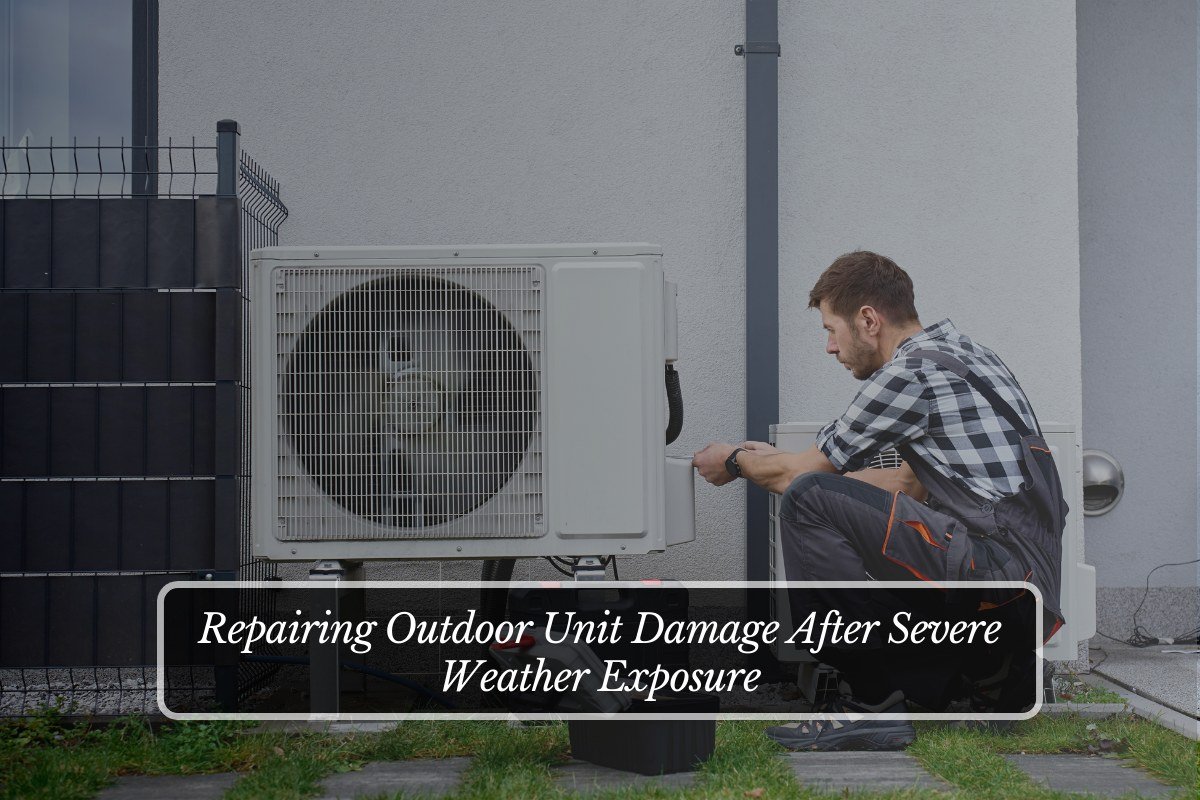
Normal AC operation produces a soft hum, but grinding, screeching, banging, or buzzing noises point to loose parts, worn bearings, or failing motors. Metal-on-metal sounds often mean debris in the outdoor condenser fan, prevalent after summer storms in the Midwest. These issues worsen rapidly, turning minor fixes into major overhauls if ignored.
Electrical arcing creates buzzing or crackling, signaling wiring problems that risk fire—shut off power immediately per National Fire Protection Association guidelines. Rattling ducts might indicate loose connections, but persistent sounds require vibration analysis by HVAC pros to safeguard against breakdowns during peak heat.
Frequent Short Cycling
Short cycling—when the AC turns on and off rapidly—wears out components prematurely and spikes energy use by 20-30% in affected systems. Causes include oversized units, dirty coils, or thermostat errors, common in older homes built before modern U.S. efficiency codes. This uneven operation fails to maintain steady temperatures, especially challenging in variable climates like the Northeast.
Overheating triggers safety shutoffs, but repeated cycles damage the compressor. Pros recalibrate or replace faulty parts, often saving owners from premature unit replacement costing $5,000–$10,000.
Water Leaks or Moisture Around the Unit
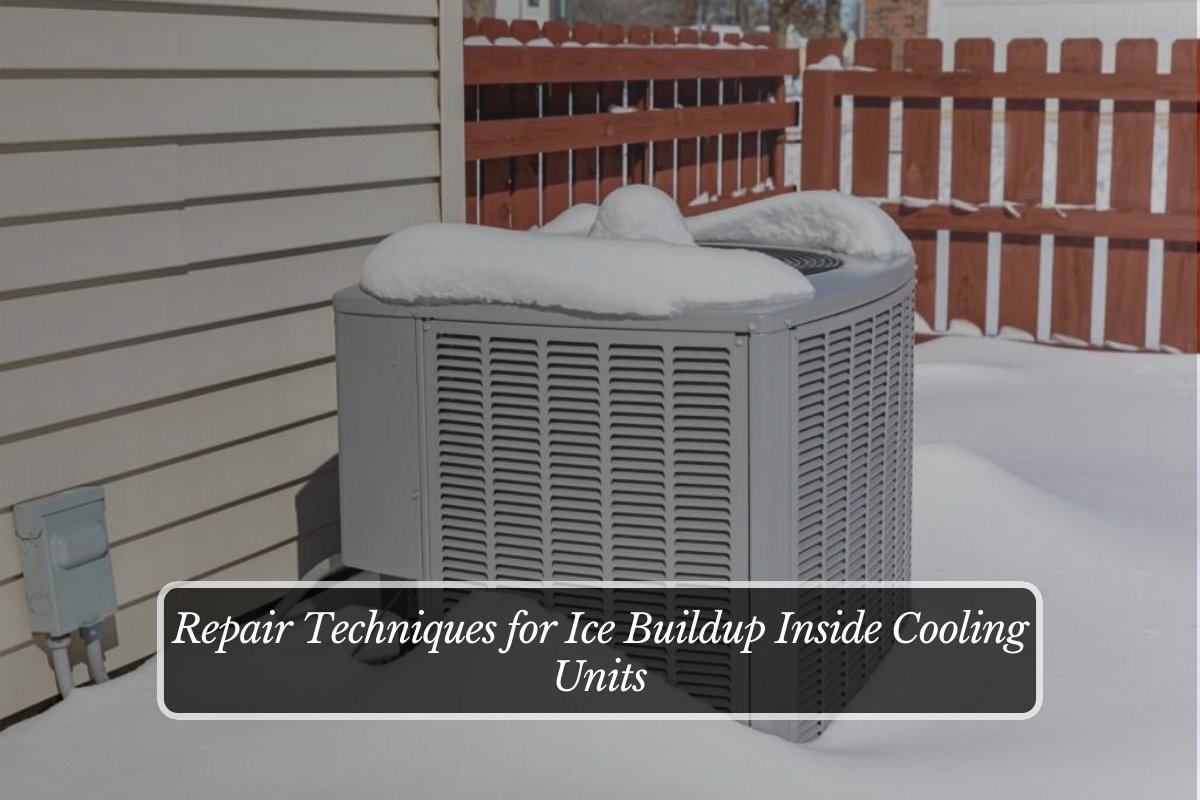
Puddles near indoor or outdoor units signal clogged condensate drains, frozen coils, or pump failures, fostering mold growth—a major indoor air quality concern under U.S. EPA standards. In high-humidity areas like Florida, unchecked leaks damage floors and walls, leading to costly remediation. Refrigerant leaks mimic water but emit a sweet odor and cause ice buildup, requiring EPA-certified handling.
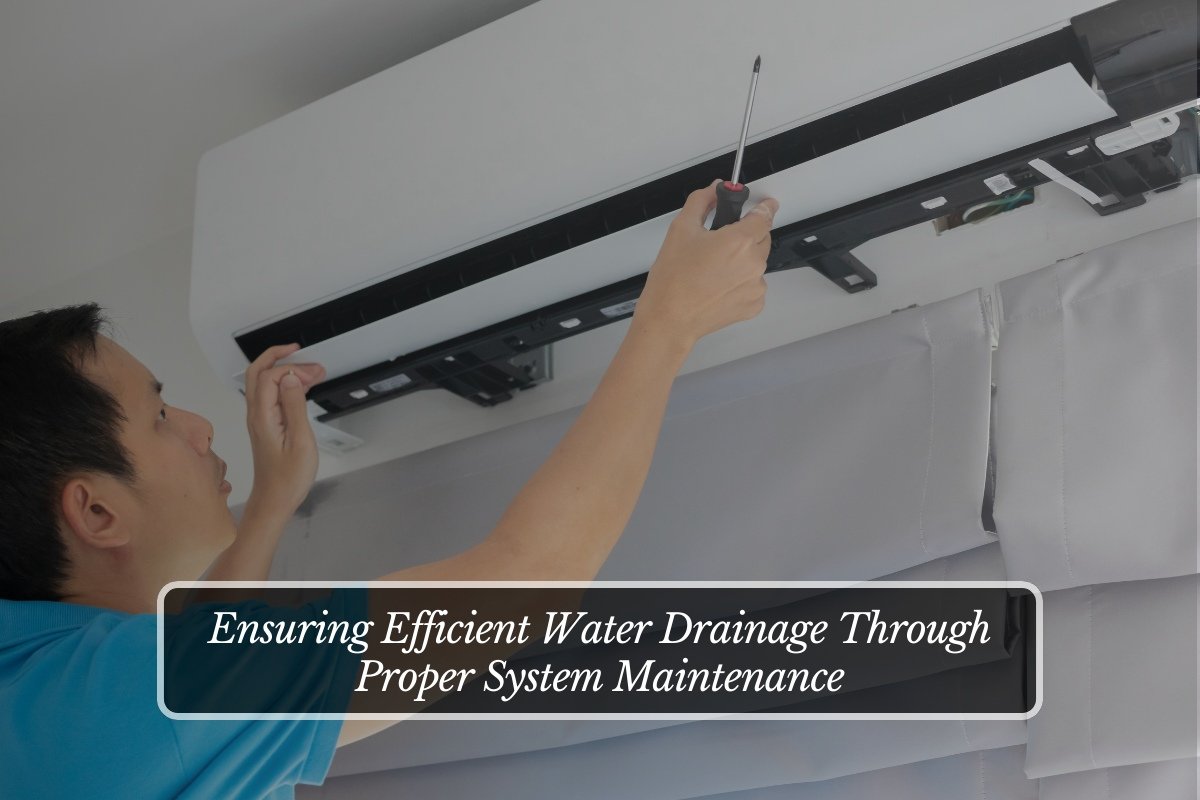
Turn off the system to avoid electrical shorts. Technicians clear lines with specialized tools and inspect for corrosion, preventing $1,000+ in secondary water damage.
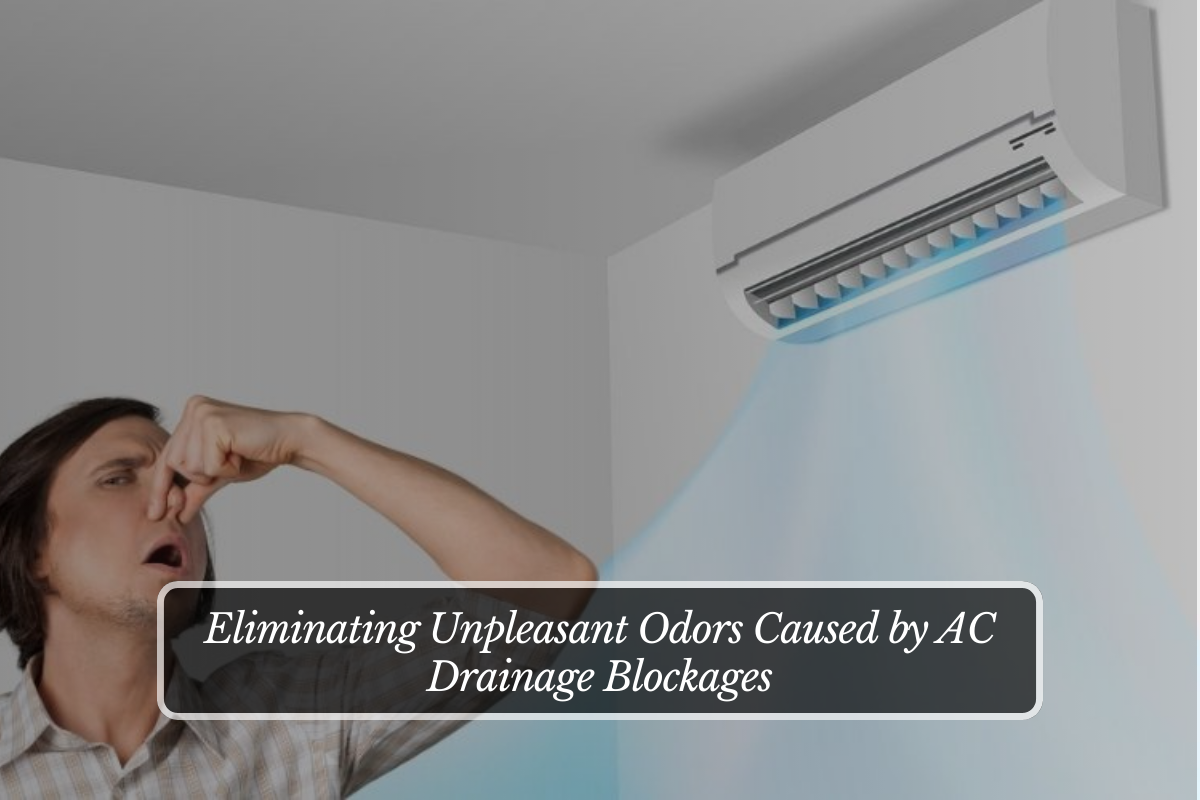
Foul Odors or Burning Smells
Strange smells—like musty odors from moldy coils or burning from overheated wires—demand instant shutdown. Electrical burning indicates frayed insulation, a fire hazard responsible for thousands of U.S. home fires yearly per NFPA data. Musty scents signal moisture buildup, breeding allergens that aggravate asthma in 25 million American households.
Chemical odors suggest refrigerant leaks, toxic to humans and illegal to ignore. Ventilation clears temporary issues, but pros use gas detectors for safe diagnosis.
High Energy Bills and Breaker Trips
Unexpected bill surges, even without increased usage, mean inefficiency from dirty coils or duct leaks, forcing 20-50% more runtime. In energy-conscious states like California, this violates rebate programs tied to SEER ratings. Frequent breaker trips signal electrical overloads from failing capacitors or compressors, risking panel damage.
Monitor usage via smart thermostats; spikes over 10% warrant audits. Repairs restore efficiency, qualifying for federal tax credits under the Inflation Reduction Act.
Why Act Fast in the USA
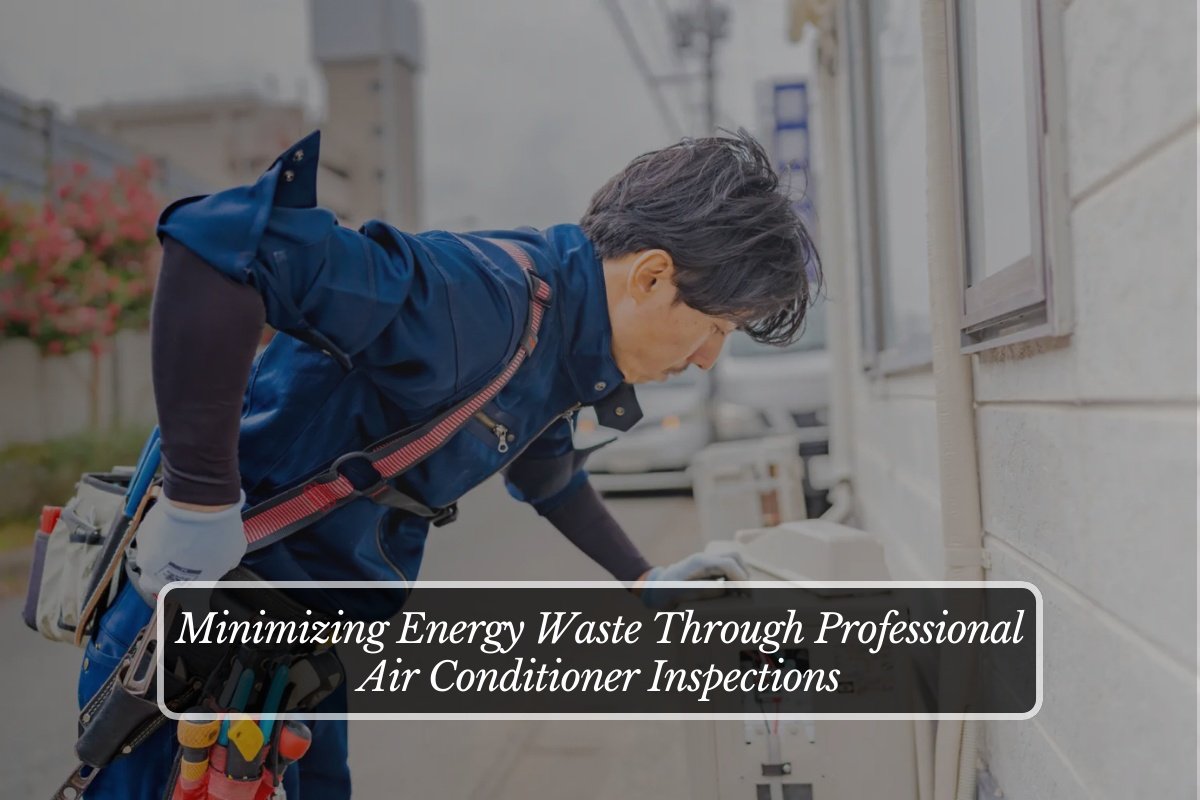
U.S. summers strain ACs, with 90% of homes relying on them per Census data. Delaying repairs shortens unit lifespan from 15-20 years, inflating costs amid rising energy prices. Licensed pros ensure code compliance, warranties, and rebates. Schedule annual tune-ups; early detection via these signs prevents emergencies.
FAQs
Q. What causes weak airflow in my AC?
Weak airflow often stems from clogged filters, blocked vents, or failing blower motors. Replace filters monthly during summer and inspect ducts annually for optimal performance in U.S. homes.
Q. Is warm air from vents an emergency?
Yes, it signals refrigerant issues or compressor failure, requiring same-day service to avoid total breakdown and comply with EPA leak rules.
Q. Why does my AC make banging noises?
Banging indicates loose fan blades or debris; screeching points to belt wear. Shut off immediately to prevent motor damage.
Q. How do I handle water leaks from my unit?
Turn off the AC, clean visible drains, but call a pro for clogs or refrigerant checks to avoid mold and structural harm.
Q. Can high energy bills mean AC repair?
Absolutely—inefficiencies like dirty coils raise costs 30%. A tune-up often cuts bills and qualifies for U.S. energy rebates.