Your air conditioner’s indoor unit plays a critical role in both cooling performance and indoor air quality. While outdoor components handle heat exchange, the indoor unit is responsible for circulating cooled air throughout your home. Proper maintenance keeps your system efficient, extends its lifespan, and helps ensure the air you breathe is clean and healthy.
Why Indoor Unit Maintenance Matters
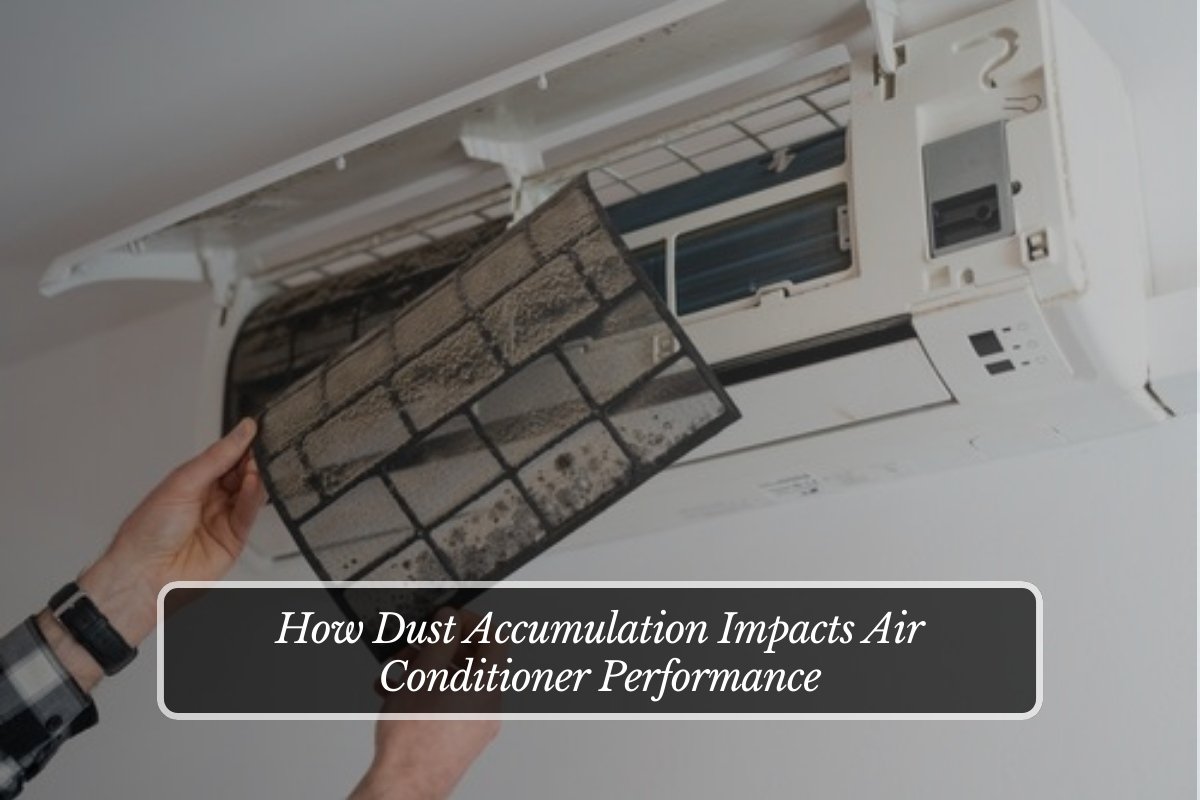
The indoor unit processes large volumes of air every day. Dust, moisture, and debris naturally accumulate over time, reducing performance and contaminating airflow.
Neglecting indoor unit maintenance can lead to:
- Weak or uneven cooling
- Higher energy bills
- Musty or dusty odors
- Increased allergens in the air
- Premature system wear
Simple maintenance habits can prevent most of these issues.
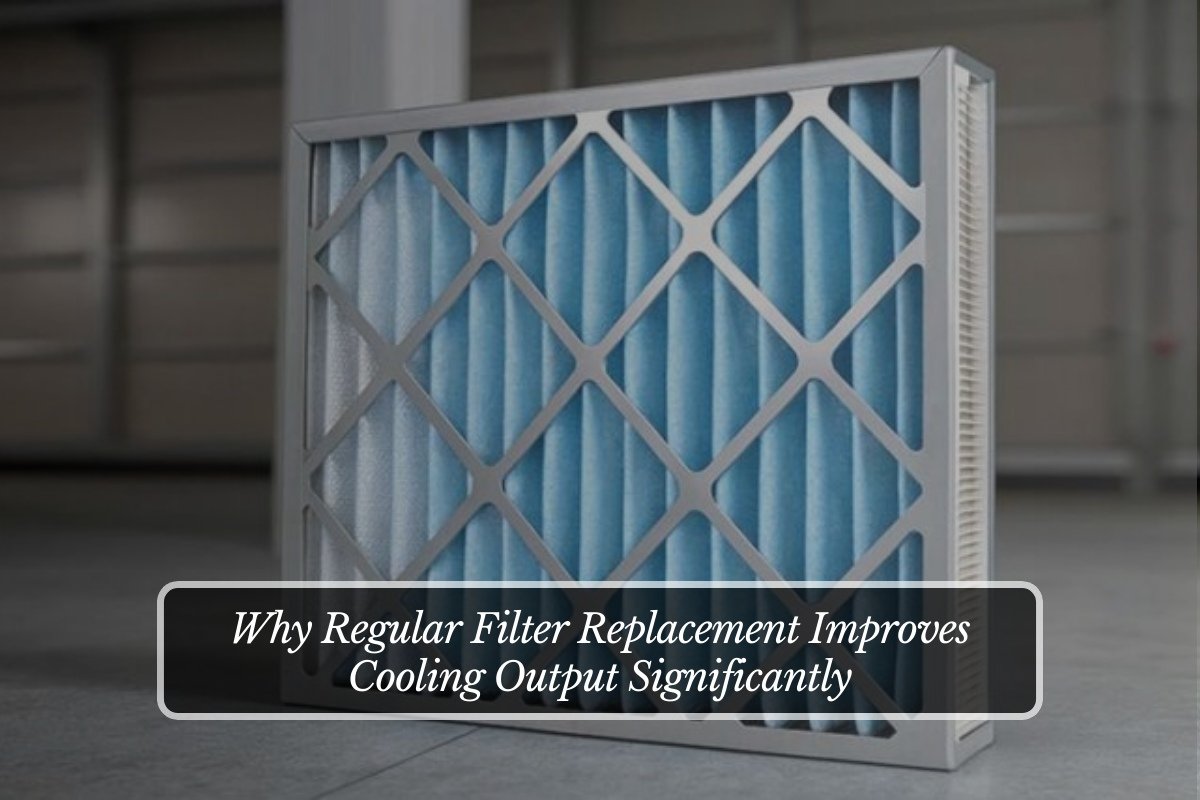
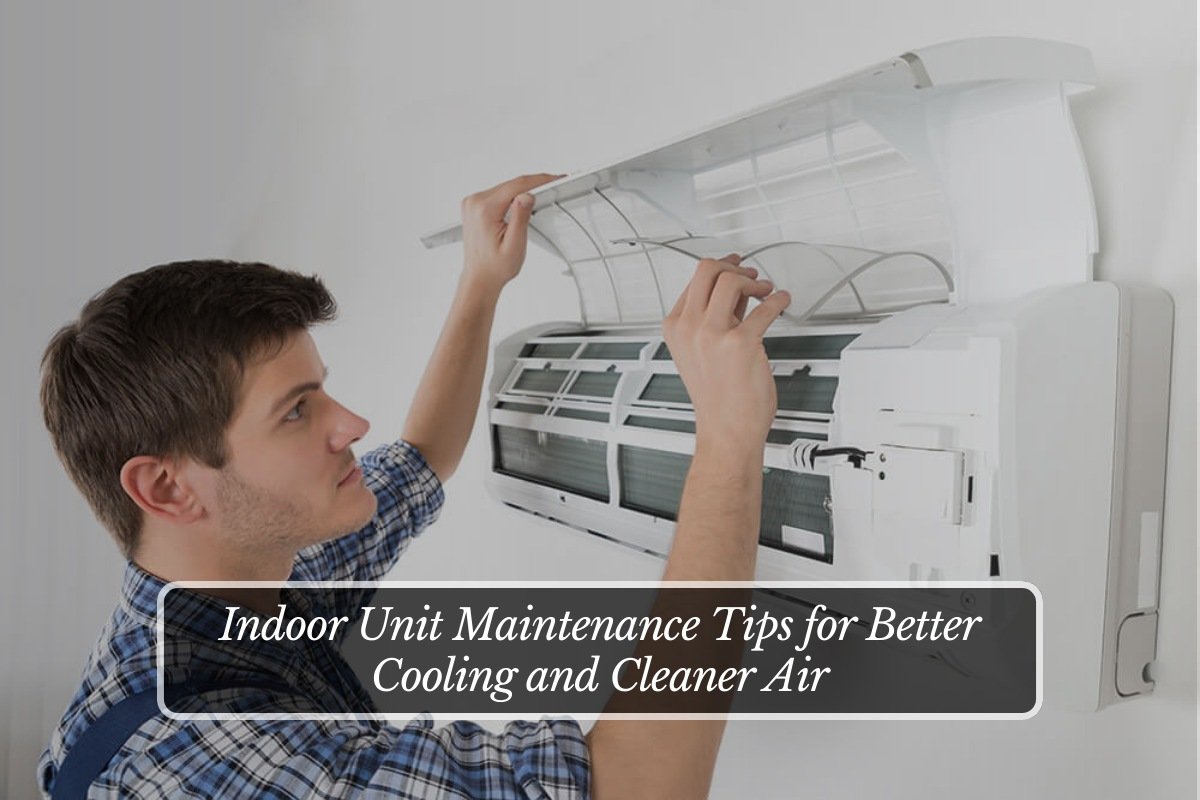
Clean or Replace Air Filters Regularly
Air filters are the first line of defense against dust and airborne particles. When clogged, they restrict airflow and force the system to work harder.
Best practices include:
- Checking filters every 30 days
- Cleaning reusable filters as recommended
- Replacing disposable filters on schedule
Clean filters improve airflow, enhance cooling efficiency, and significantly improve indoor air quality.
Keep Air Vents and Grilles Clear
Blocked vents reduce airflow and strain the system. Furniture, curtains, or dust buildup can all interfere with proper air circulation.
To maintain clear airflow:
- Ensure vents are not obstructed
- Vacuum vent covers regularly
- Wipe away dust buildup
Proper airflow helps maintain consistent temperatures throughout your space.
Clean the Evaporator Coil Periodically
The evaporator coil absorbs heat from indoor air. Over time, dust and grime form an insulating layer that reduces heat transfer.
Signs the coil may need cleaning include:
- Reduced cooling effectiveness
- Longer run times
- Increased humidity indoors
Professional coil cleaning is recommended, as improper handling can damage delicate fins.
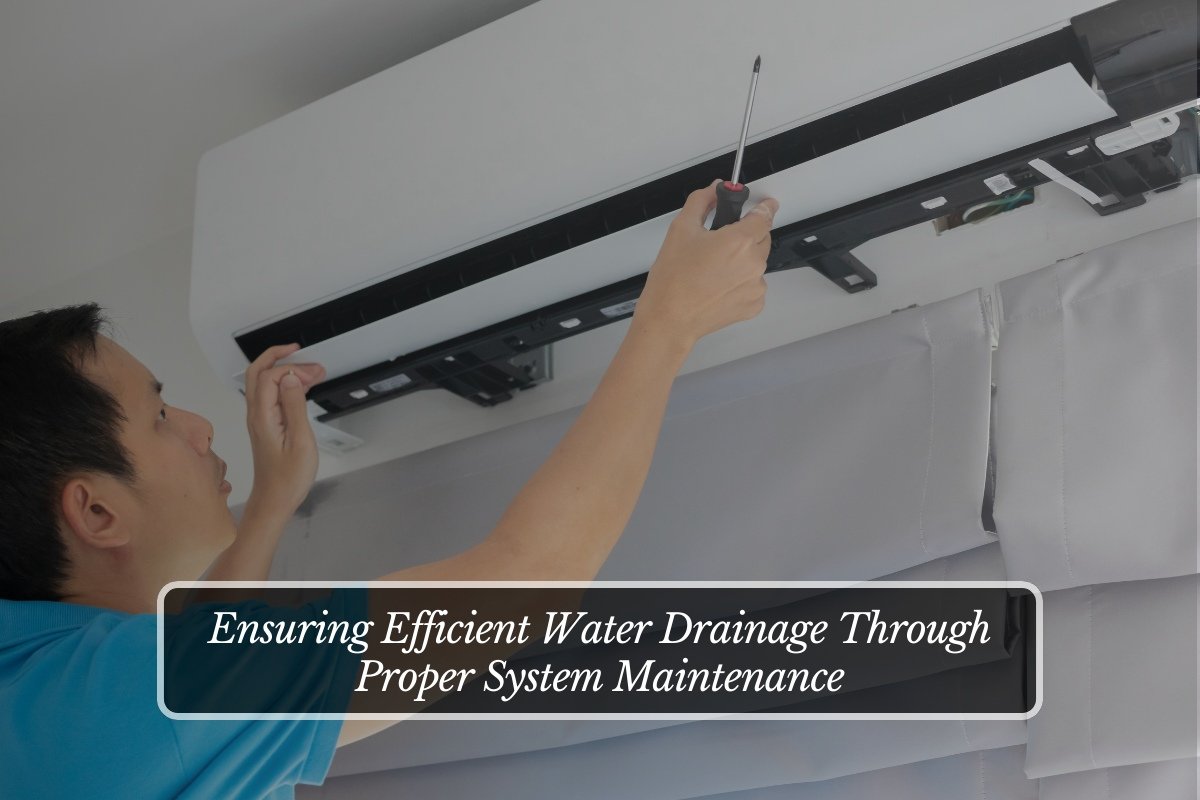
Inspect and Clean the Condensate Drain Line
Indoor units remove humidity as they cool. This moisture drains through a condensate line, which can clog with algae or debris.
A clogged drain line can cause:
- Water leaks
- Mold growth
- Musty odors
Periodic inspection and flushing help prevent backups and water damage.
Watch for Unusual Odors
Odors from the indoor unit often indicate maintenance issues.
Common smells include:
- Musty odors from mold or mildew
- Dusty smells from dirty filters
- Sour or chemical smells from moisture buildup
Addressing odors early improves air quality and prevents bigger problems.
Maintain Proper Humidity Levels
Indoor units help regulate humidity. Poor maintenance can reduce this capability, leading to discomfort and air quality issues.
Proper maintenance helps:
- Prevent excess moisture
- Reduce mold and mildew growth
- Improve overall comfort
Balanced humidity makes cooling feel more effective at higher thermostat settings.
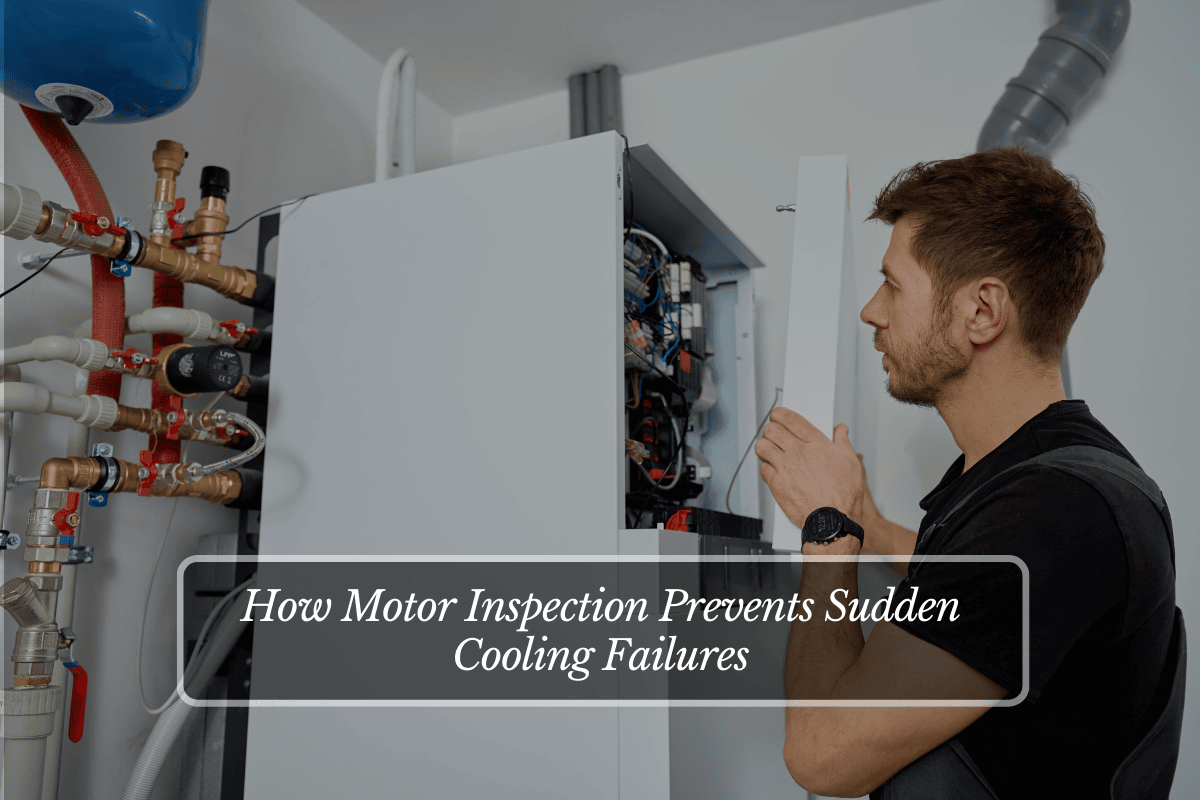
Check Blower Fan Performance
The blower fan circulates cooled air throughout your home. Dust buildup on fan blades reduces efficiency and airflow.
Professional inspections ensure:
- Smooth fan operation
- Proper air distribution
- Reduced system strain
A clean blower supports consistent, quiet cooling.
Keep the Indoor Unit Exterior Clean
Dust accumulation on the unit’s exterior and intake areas can be pulled into the system.
Simple steps include:
- Wiping down the unit casing
- Vacuuming intake grills
- Keeping the surrounding area clean
Clean surroundings contribute to cleaner air inside the system.
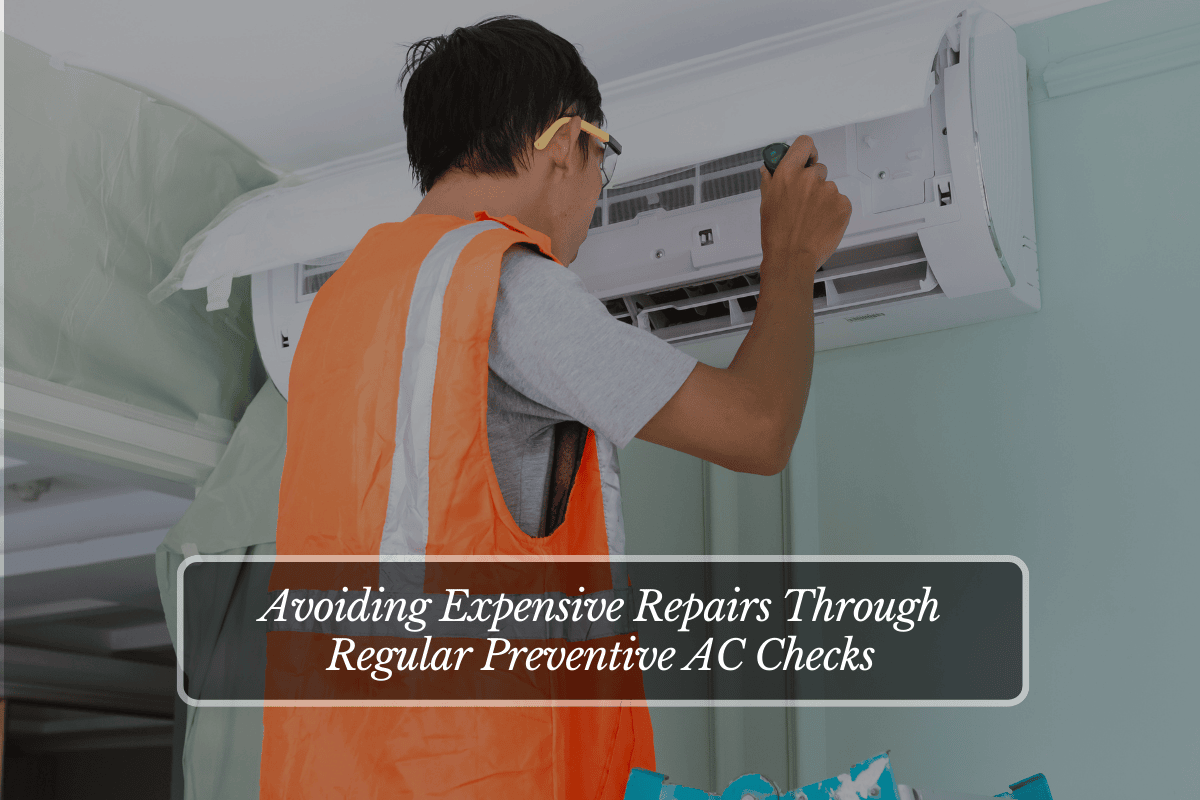
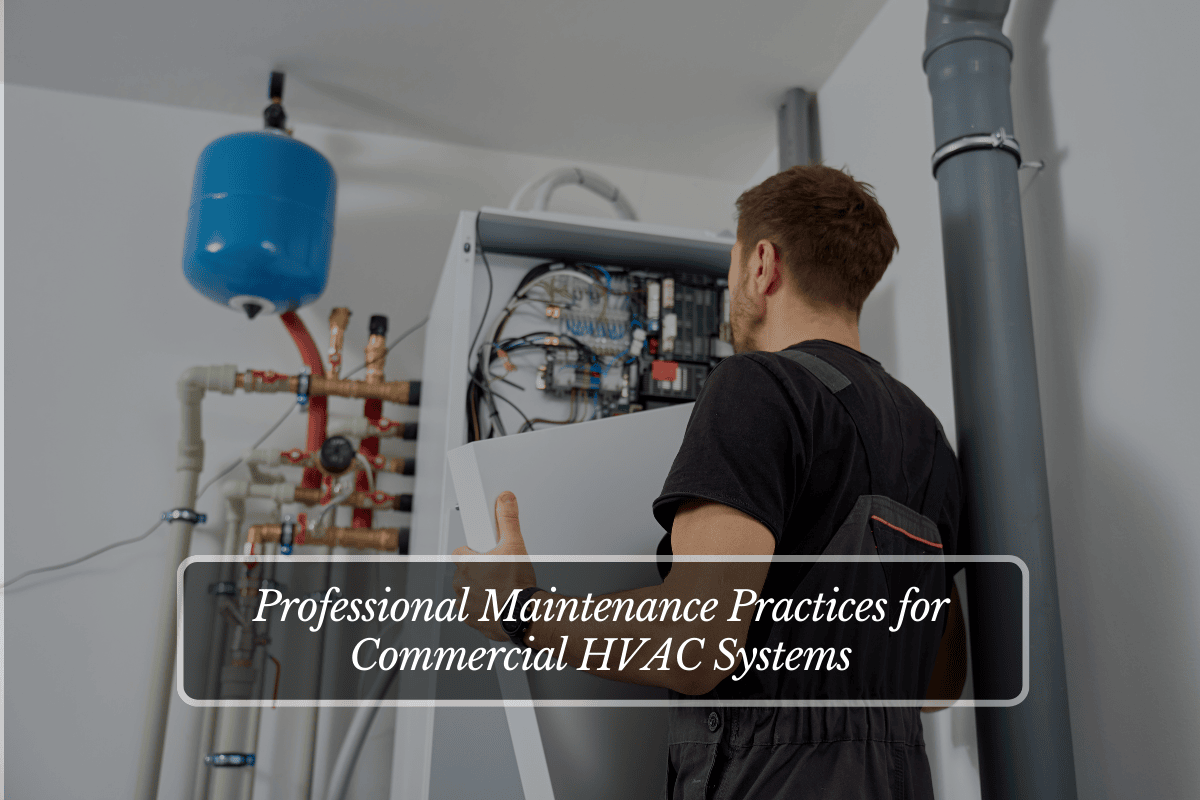
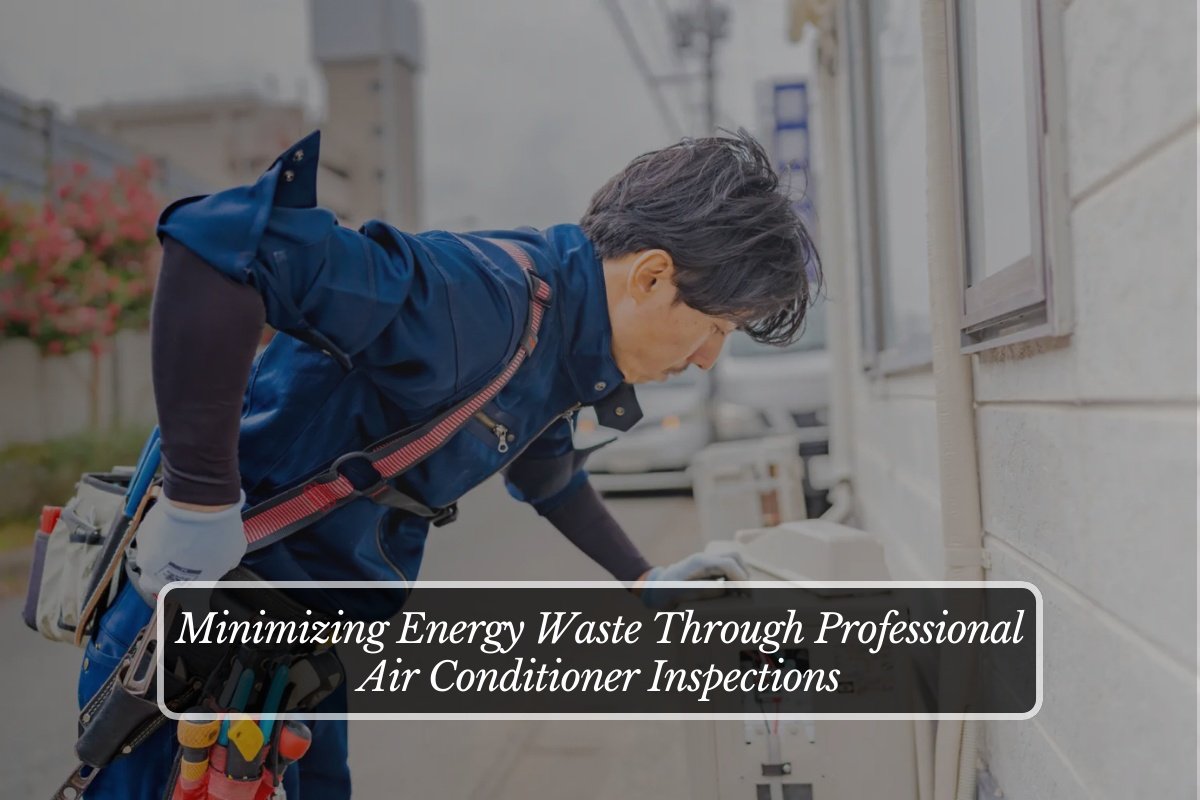
Schedule Regular Professional Maintenance
While homeowners can handle basic upkeep, professional inspections are essential for deeper maintenance.
Annual service typically includes:
- Coil inspection and cleaning
- Electrical connection checks
- Drain line inspection
- Airflow and performance testing
Professional care ensures your system operates safely and efficiently.
Energy Efficiency and Cost Savings
A well-maintained indoor unit uses less energy to achieve the same level of cooling.
Benefits include:
- Lower utility bills
- Shorter cooling cycles
- Reduced wear on components
Efficiency gains often offset the cost of routine maintenance.
Cleaner Air for Healthier Living
Indoor unit maintenance directly affects indoor air quality. Clean filters, coils, and airflow paths reduce dust, allergens, and pollutants.
This is especially important for:
- Allergy sufferers
- Households with pets
- Homes with children or older adults
Cleaner air supports better health and comfort year-round.
Small Habits, Big Benefits
Maintaining your indoor AC unit does not require complex tools or technical knowledge. Simple, consistent habits deliver major benefits in cooling performance, air quality, and system longevity.
Treat indoor unit maintenance as preventive care—not just a response to problems—and your cooling system will reward you with reliable comfort and cleaner air.
Frequently Asked Questions (FAQ)
Q. How often should I clean my AC air filter?
Check monthly and clean or replace as needed, especially during peak cooling season.
Q. Can dirty indoor units affect health?
Yes. Dust, mold, and allergens can circulate through the air if maintenance is neglected.
Q. Is professional indoor unit maintenance necessary?
Yes. Professionals handle coil cleaning, drain inspection, and electrical checks safely.
Q. Why does my AC smell musty when it turns on?
This usually indicates moisture buildup or mold in the indoor unit or drain line.
Q. Does indoor unit maintenance really improve cooling?
Absolutely. Clean components improve airflow, heat transfer, and overall efficiency.