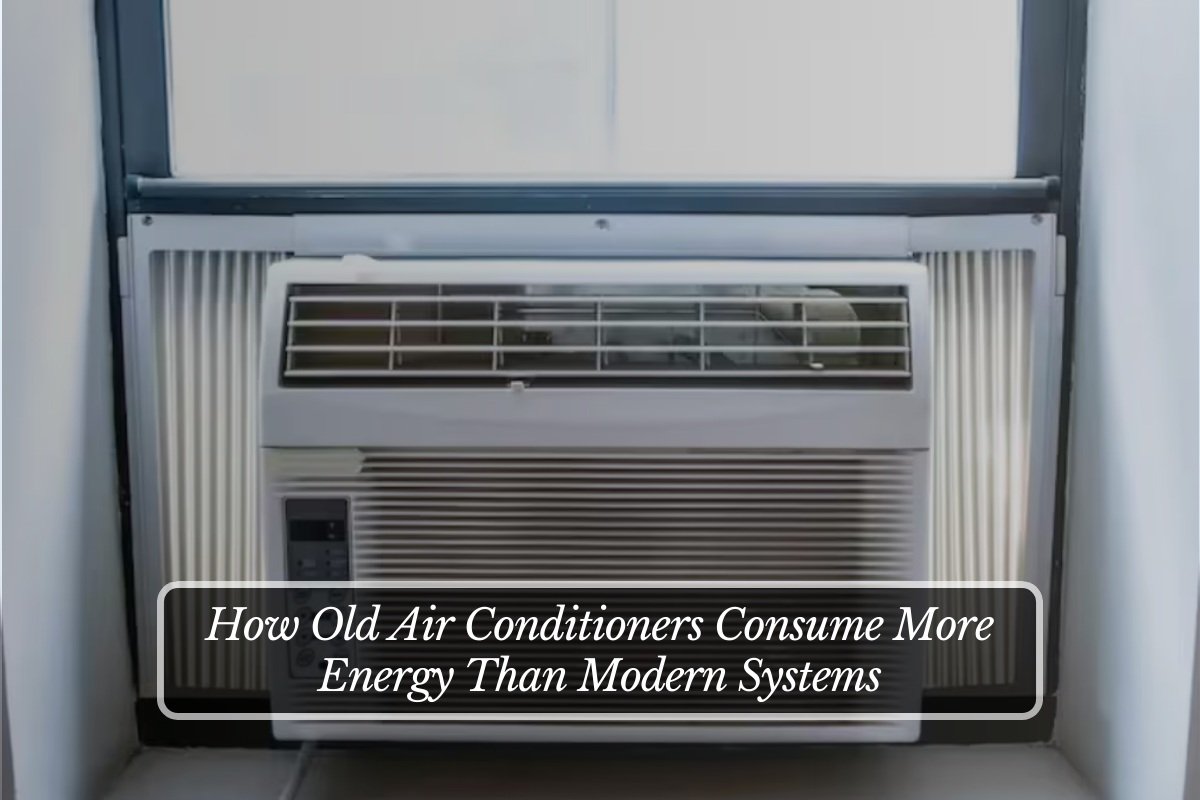
As air conditioning systems age, their ability to cool efficiently declines—often in ways that aren’t immediately obvious to homeowners. While an older air conditioner may still function, it typically consumes far more energy than modern systems designed with today’s efficiency standards and technologies. Understanding why this happens can help homeowners recognize when high energy bills are a warning sign rather than a seasonal inconvenience.
Declining Efficiency Over Time
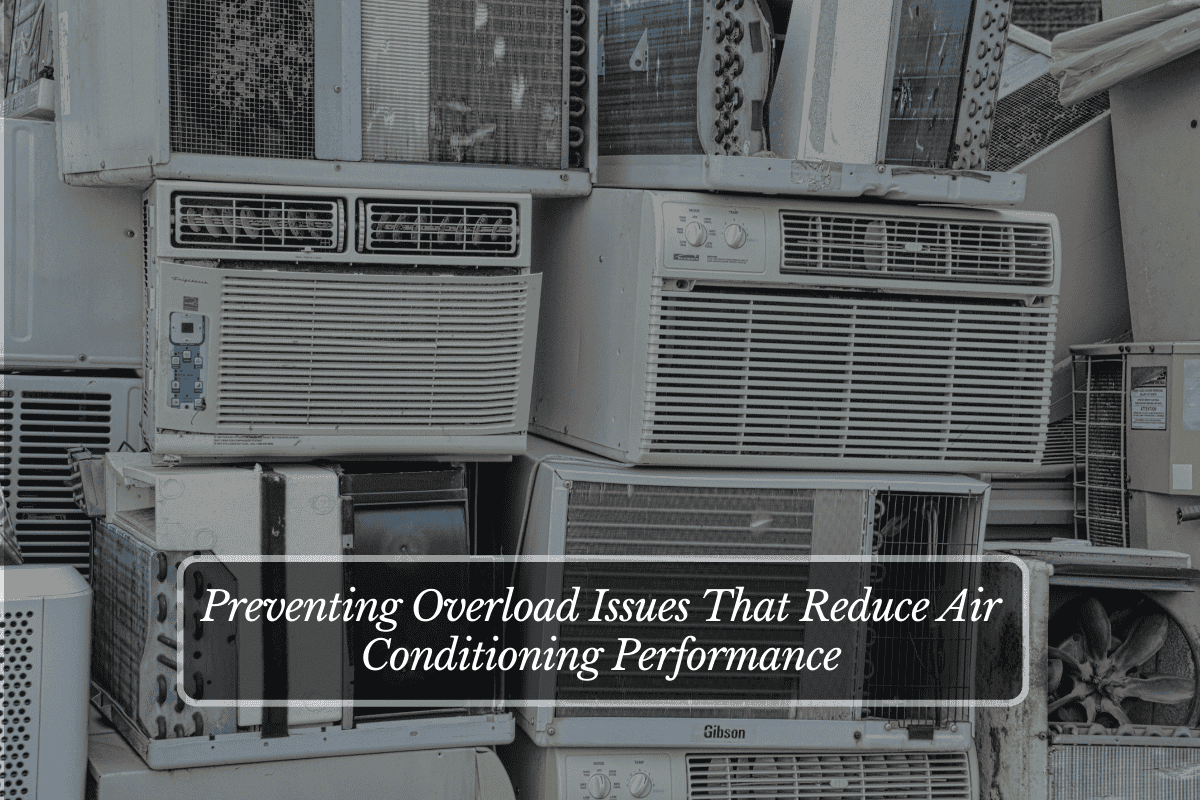
Air conditioners are mechanical systems with moving parts that experience wear and tear. Over years of operation, components such as compressors, fans, and motors lose efficiency. Seals degrade, coils accumulate residue, and tolerances loosen, all of which force the system to work harder to produce the same cooling output.
Even with regular maintenance, aging systems rarely operate at their original efficiency levels. This gradual decline results in longer run times and higher electricity consumption, especially during peak summer months.
Outdated Efficiency Standards
Older air conditioners were manufactured under less stringent efficiency regulations. Many units installed 10–15 years ago have significantly lower Seasonal Energy Efficiency Ratio (SEER) ratings than modern systems.
Modern air conditioners are designed to meet much higher efficiency benchmarks, allowing them to deliver the same or better cooling using substantially less energy. As a result, an older unit may consume 30–50% more electricity to cool the same space compared to a newer, high-efficiency model.
Single-Stage Operation vs. Variable-Speed Technology
Most older air conditioners use single-stage compressors, meaning they operate at full capacity whenever they turn on. This all-or-nothing approach leads to frequent cycling, energy waste, and uneven temperature control.
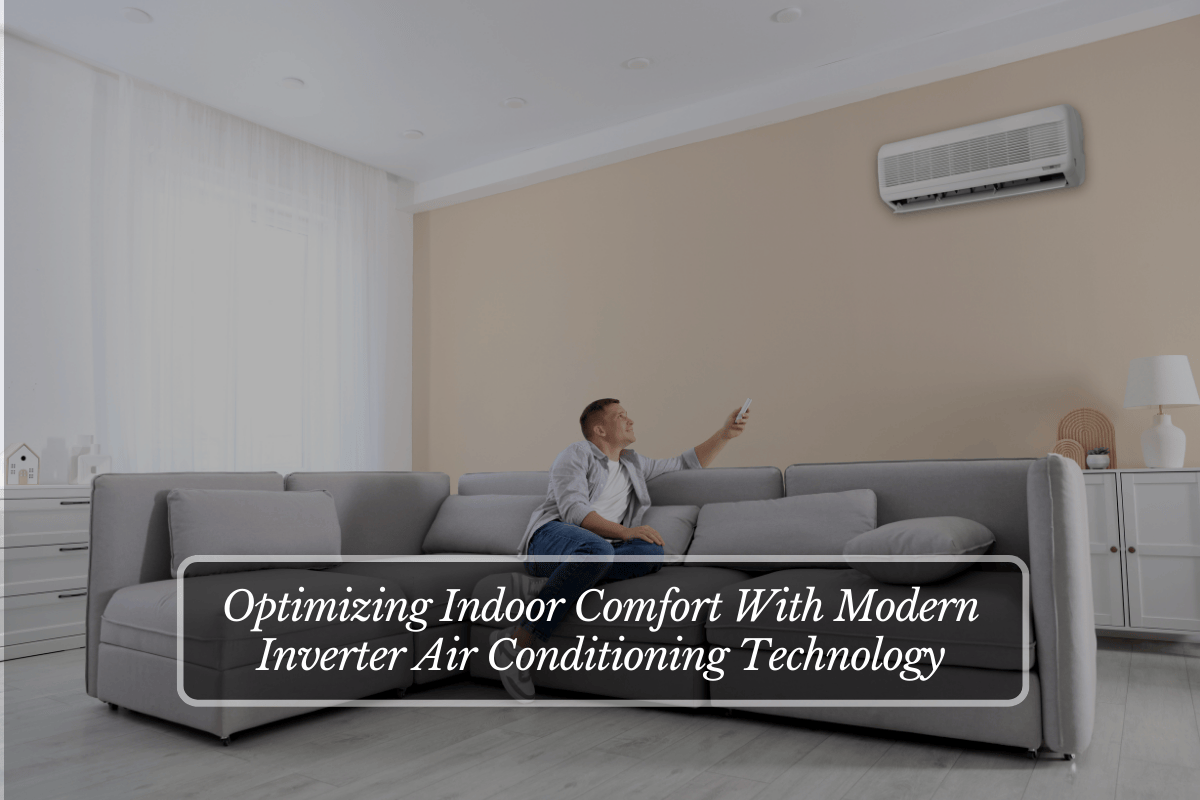
Modern systems often use variable-speed or multi-stage compressors that adjust output based on cooling demand. These systems run longer at lower power levels, maintaining comfort more efficiently and using far less energy overall.
Increased Runtime Due to Reduced Cooling Capacity
As components wear down, older systems lose cooling capacity. To compensate, they must run longer to achieve the desired temperature. Extended runtime significantly increases energy consumption and places additional stress on already aging components.
This cycle creates a compounding effect: reduced efficiency leads to longer operation, which further accelerates wear and energy waste.
Poor Heat Transfer From Dirty or Degraded Coils
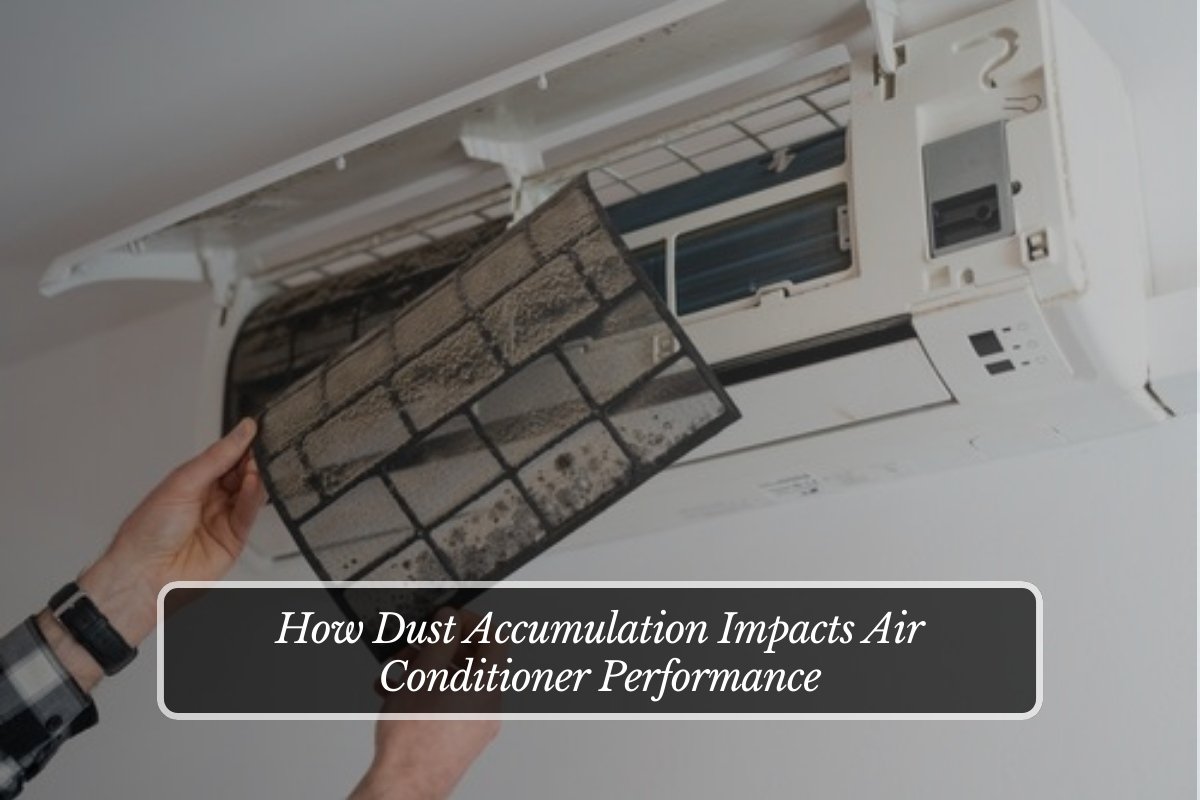
Over time, evaporator and condenser coils accumulate dirt, corrosion, and residue that hinder heat transfer. While cleaning helps, older coils often suffer from permanent efficiency loss due to surface degradation or internal corrosion.
Modern air conditioners are designed with improved coil materials and layouts that enhance heat exchange, allowing them to cool more effectively with less energy.
Refrigerant Inefficiencies
Many older air conditioners rely on outdated refrigerants that are no longer considered energy-efficient or environmentally friendly. These refrigerants often require higher operating pressures and place greater strain on compressors.
Newer systems use advanced refrigerants that improve heat transfer efficiency and reduce energy demand while complying with current environmental standards.
Lack of Smart Controls and System Integration
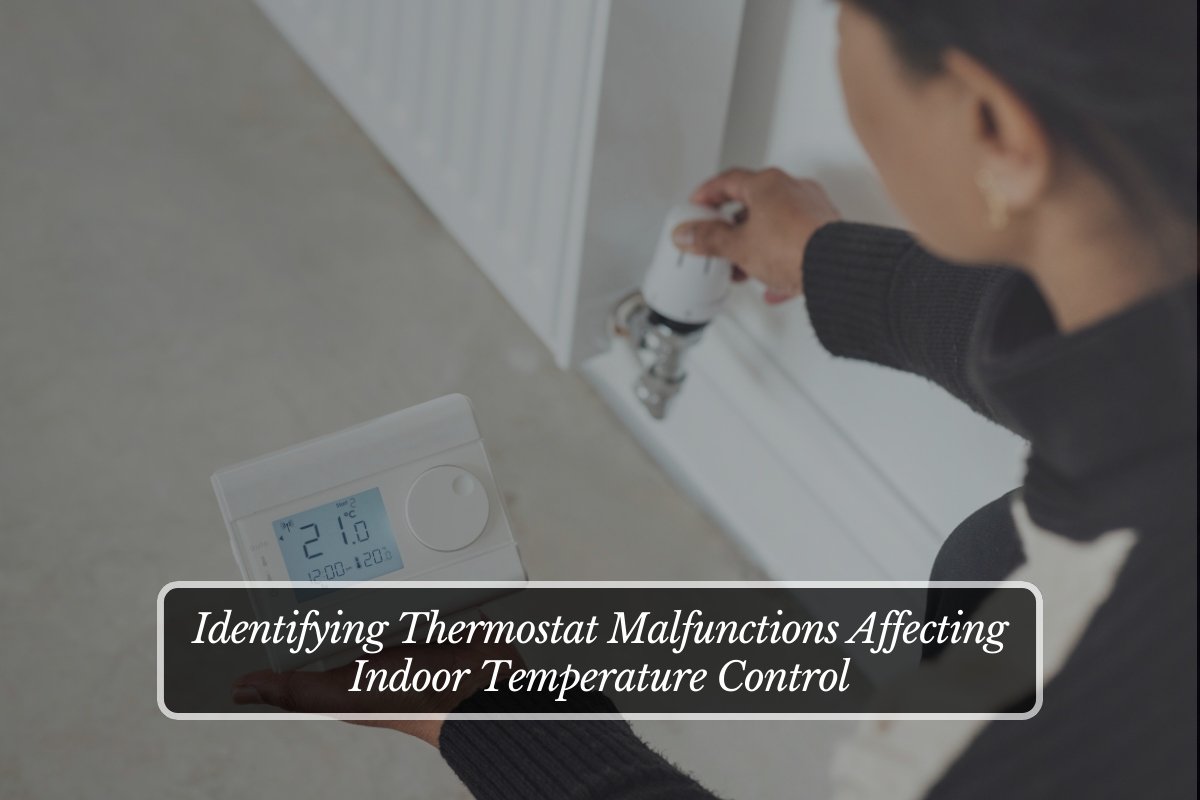
Older air conditioners typically operate with basic thermostats that offer limited control. They lack features such as learning algorithms, adaptive scheduling, or occupancy-based adjustments.
Modern systems integrate with smart thermostats and control technologies that optimize runtime, reduce unnecessary operation, and fine-tune performance based on real-time conditions—significantly lowering energy usage.
Air Leaks and Compatibility Issues
Older AC systems are often paired with aging ductwork that may leak cooled air into unconditioned spaces. While duct issues can affect any system, older units are less capable of compensating efficiently for these losses.
Modern systems are often installed with improved airflow design and better compatibility with sealed, balanced duct systems, reducing wasted energy.
Higher Maintenance-Related Energy Loss
As systems age, even minor issues—such as failing capacitors, worn bearings, or declining electrical efficiency—can increase power consumption. These inefficiencies are often subtle but persistent, quietly driving up energy bills.
Newer systems benefit from modern electrical components and diagnostics that maintain optimal performance with less energy draw.
The Cost of Energy Waste Over Time
While older air conditioners may seem cost-effective because they are already paid for, the long-term energy costs can outweigh the savings. Higher monthly utility bills, combined with frequent repairs, often make older systems more expensive to operate than replacing them with a modern, energy-efficient unit.
Frequently Asked Questions (FAQ)
Q. Can regular maintenance make an old AC as efficient as a new one
No. Maintenance helps, but it cannot overcome design limitations or restore original efficiency levels.
Q. How much more energy does an old air conditioner use
Depending on age and condition, older units can use 30–50% more energy than modern systems.
Q. Is replacing an old AC always worth it
If energy bills are high and repairs are frequent, replacement often provides long-term savings and improved comfort.
Q. Do smart thermostats help old air conditioners
They can improve control, but they cannot fix mechanical inefficiencies in aging systems.
Q. At what age does an AC become inefficient
Most systems show noticeable efficiency decline after 10–12 years, especially in hot climates.
Old air conditioners consume more energy because they combine mechanical wear, outdated technology, and inefficient operation. While they may still cool your home, they do so at a much higher cost—both financially and environmentally. Modern air conditioning systems are engineered to deliver better comfort with significantly less energy, making them a smarter long-term solution for efficiency, reliability, and reduced operating expenses.