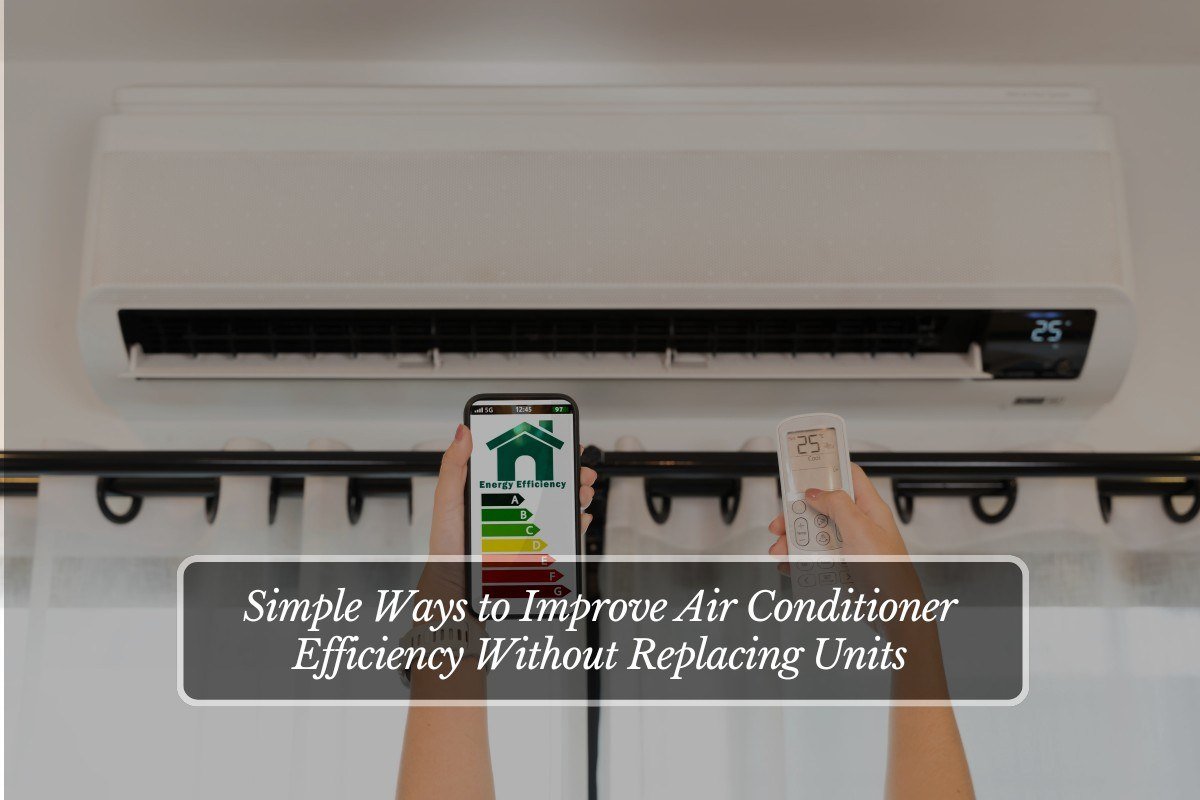
Homeowners in the USA can boost air conditioner efficiency by 10-30% through straightforward tweaks, slashing summer energy bills amid rising costs and hot spells from California to Florida. These no-replacement methods, backed by ENERGY STAR and DOE guidelines, enhance airflow, reduce heat gain, and optimize runtime without major overhauls.
Regular Filter Changes and Cleaning
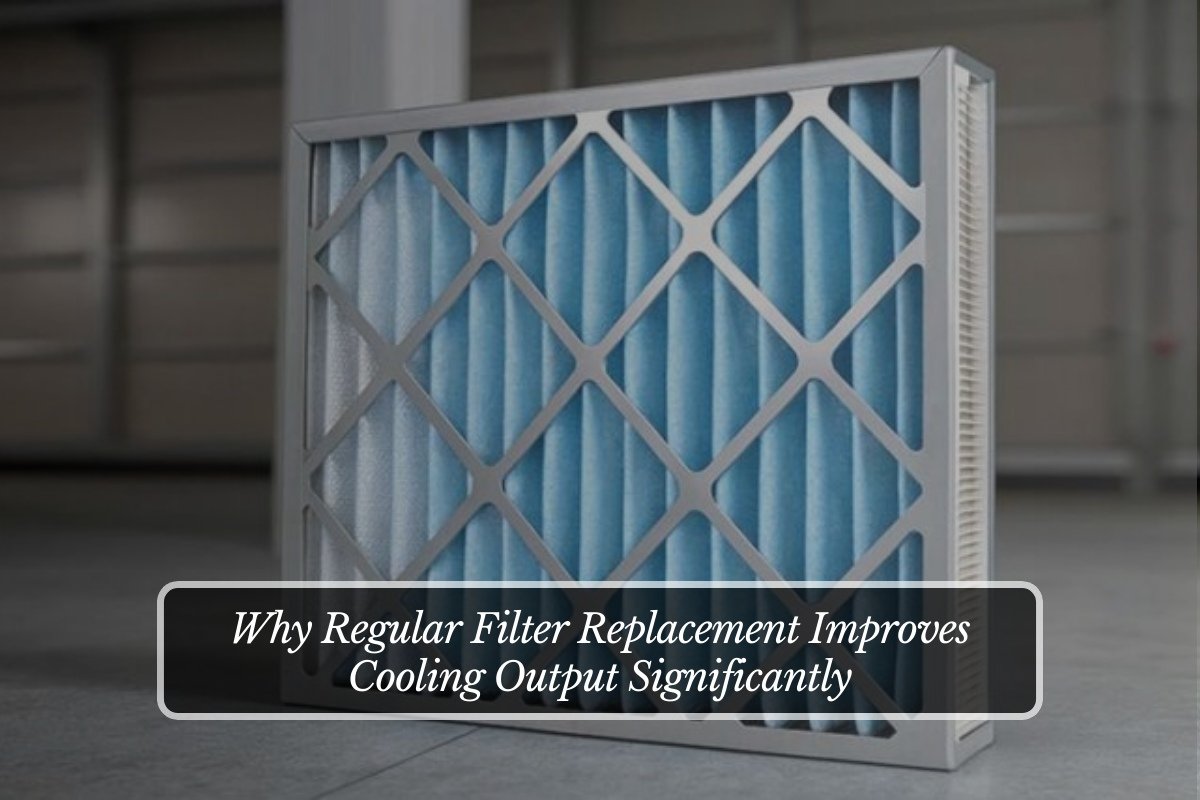
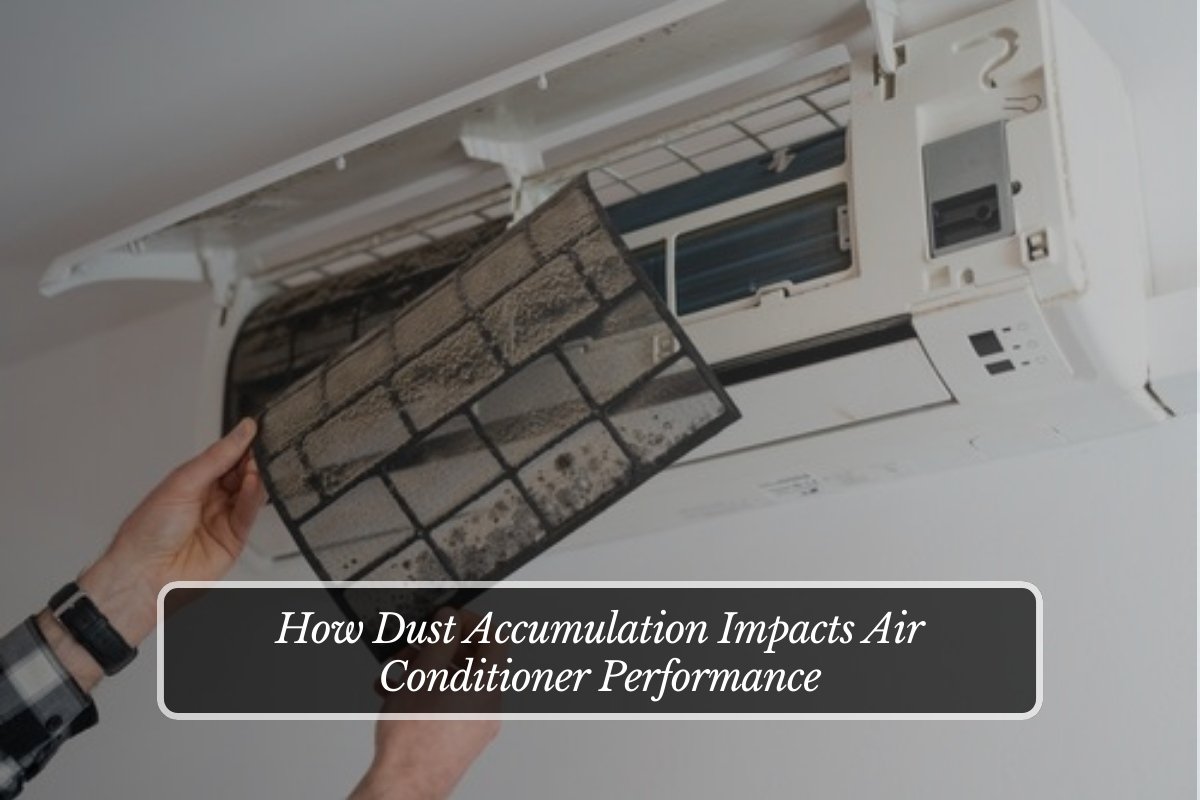
Clogged filters choke airflow, forcing ACs to labor 15-20% harder. Swap pleated filters (MERV 8-13) every 1-3 months—more often in dusty Southwest homes or with pets. Vacuum reusable ones monthly; clean with mild soap quarterly. This simple step restores 400 CFM/ton efficiency, cutting bills noticeably.
Seal and Insulate Ductwork
Leaky ducts waste 20-30% of cooled air, per DOE tests. Inspect attics/crawlspaces annually for gaps; seal with mastic or foil tape (not cloth duct tape). Wrap uninsulated ducts in R-6 foam sleeves, especially in unconditioned spaces. Pros confirm 10-25% gains; DIY kits cost under $50.
Strategic Thermostat Adjustments
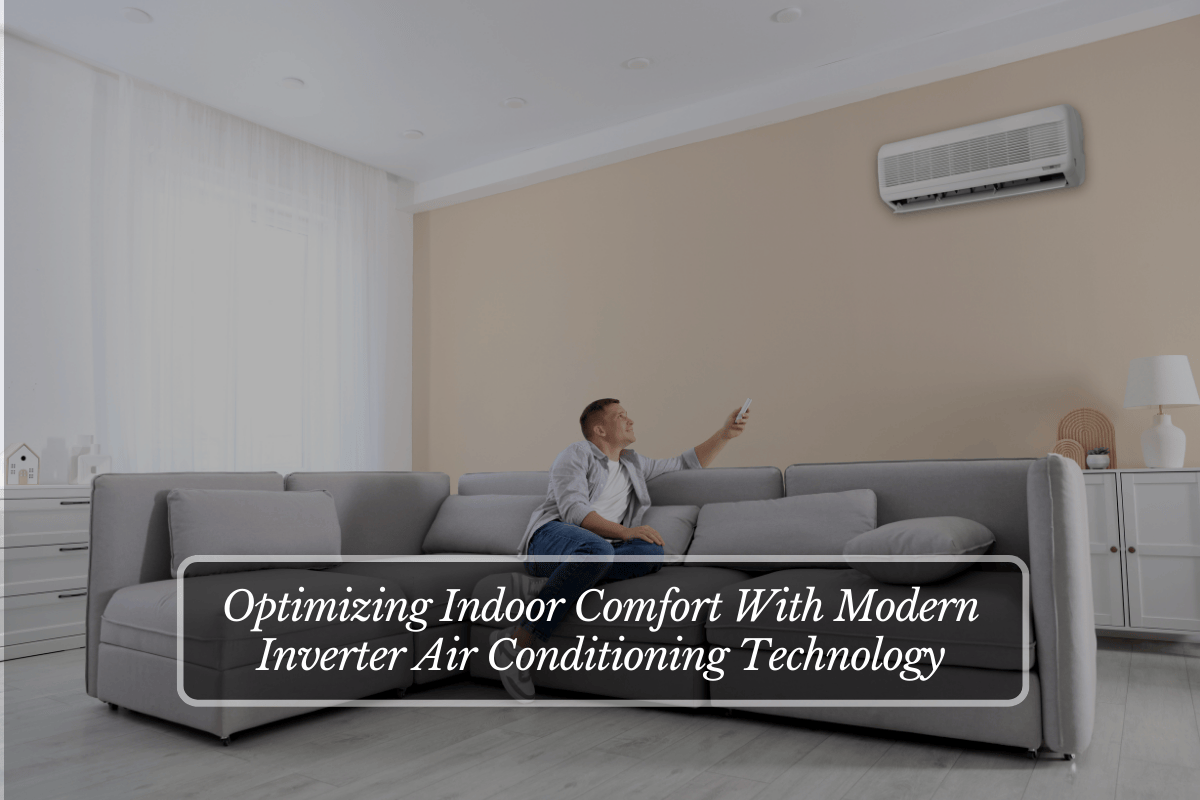
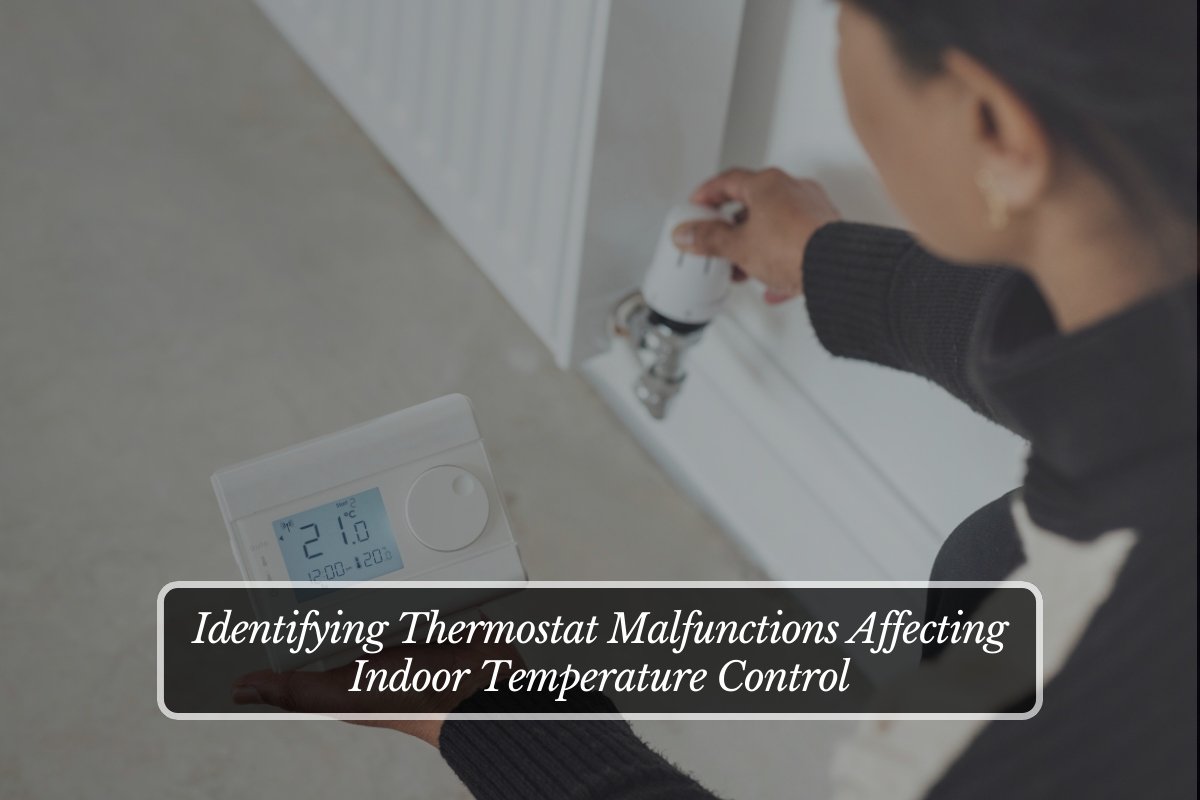
Set thermostats to 78°F when home, 85°F away—each degree higher saves 3-5%. Programmable or smart models (Nest/Ecobee) automate via geofencing, yielding 10% savings. Avoid drastic swings; gradual ramps prevent short-cycling. Ceiling fans on counter-clockwise push cool air down, allowing 2-4°F hikes.
Block Solar Heat Gain
Sun-exposed windows spike indoor temps 10-20°F. Install exterior shades/awnings or low-E films blocking 50-80% UV. Indoor cellular shades trap air pockets; reflective blinds angle up. Plant deciduous trees/shrubs for natural shading—mature ones cut loads 25% in sunny states like Arizona.
Maintain Coils and Outdoor Unit
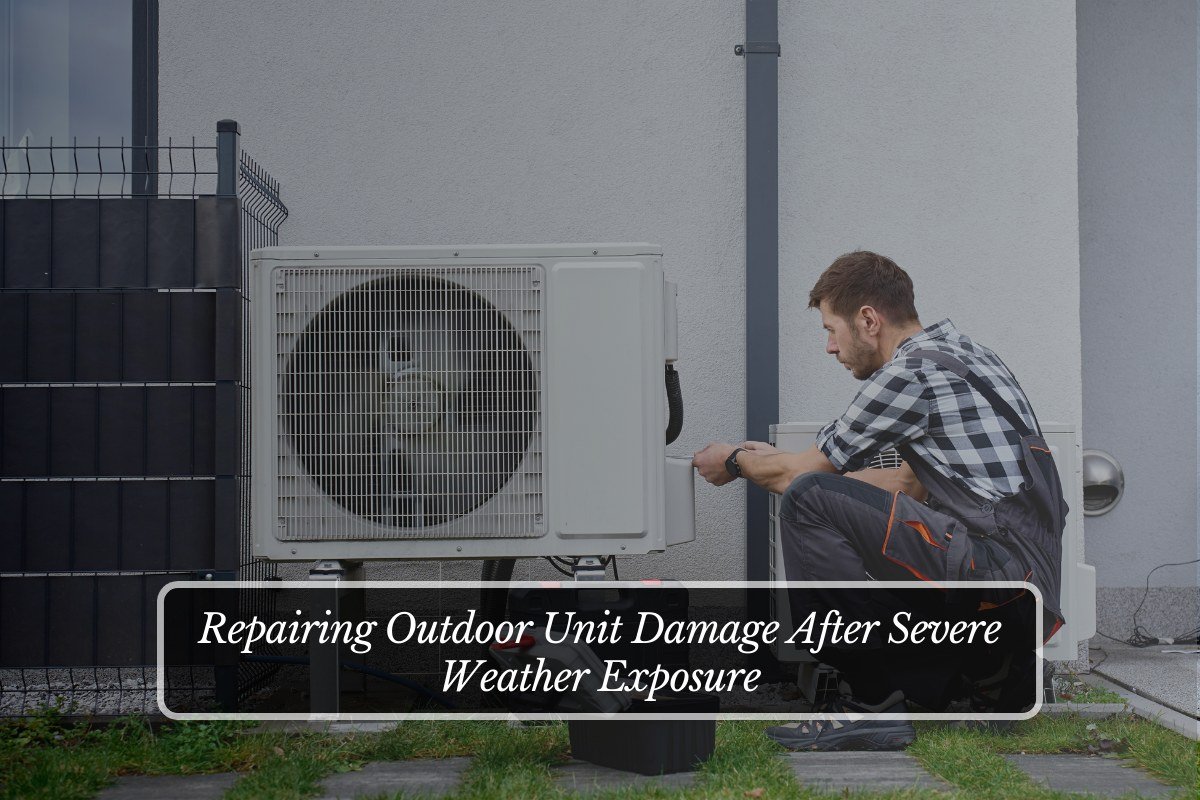
Dirty evaporator/condenser coils drop efficiency 20%. Gently hose outdoor fins (unit off, low pressure); use no-rinse cleaner yearly. Straighten bent fins with combs ($10 tool). Clear 2-foot radius of debris—leaves block 15% airflow. Indoor coils need pro foaming if accessible.
Optimize Home Ventilation and Insulation
Seal windows/doors with weatherstripping/caulk, saving 10% leakage. Add attic insulation to R-30+ if below; radiant barriers in hot roofs reflect 97% heat. Use exhaust fans in kitchens/baths to vent humidity; open windows evenings for free cooling in milder climates.
Keep Registers and Vents Clear
Furniture/rugs over vents reduce flow 25%; ensure 6-12 inches clearance. Level registers for even distribution; clean dust with vacuums. Zone dampers (if equipped) direct cool to occupied rooms, mimicking multi-zone without rewiring.
Ceiling Fans and Dehumidifiers
Run fans on high (counter-clockwise) to feel 4°F cooler, enabling thermostat bumps. Portable dehumidifiers (50-70 pints) in basements/humid spots ease AC load by 15%, as they handle moisture separately. ENERGY STAR models pair best.
Schedule Basic Tune-Ups
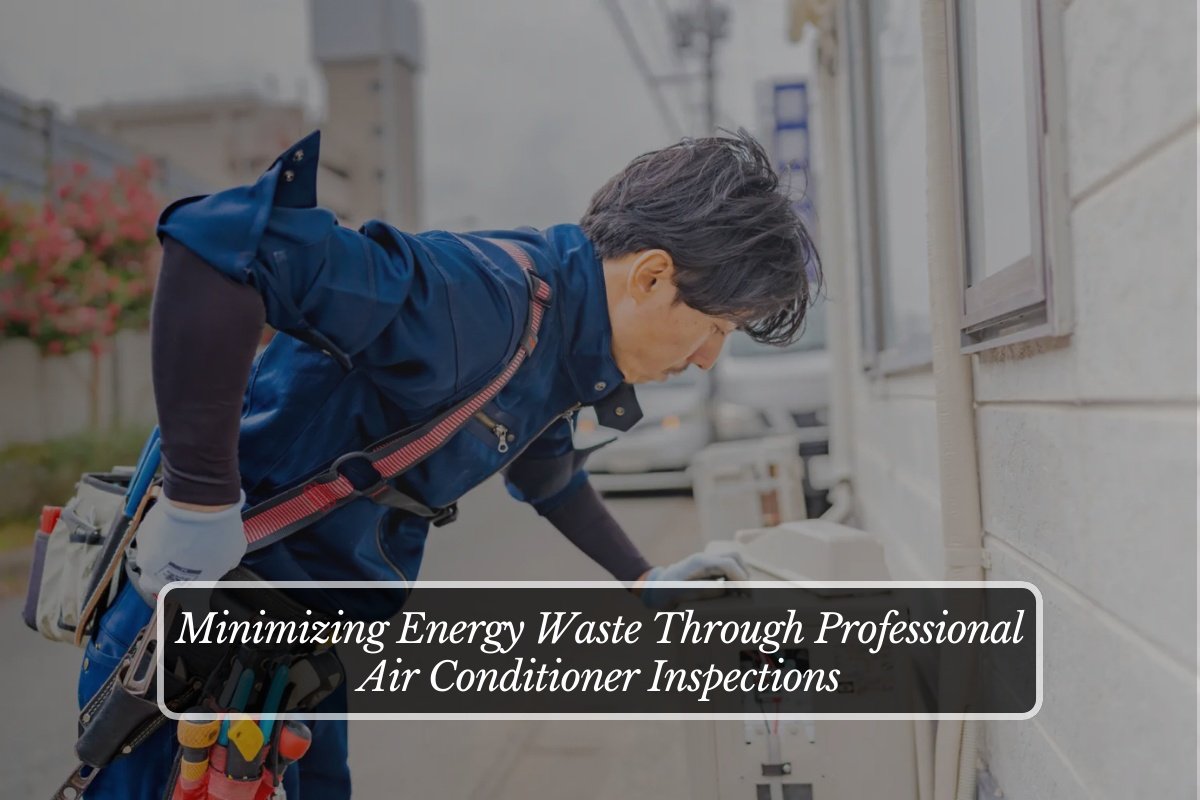
Bi-annual pro checks (spring/fall, $75-150) verify charge, capacitors, and belts without refrigerant work. Homeowners prep by logging runtime/bills for trends. These catch 80% issues early, sustaining SEER ratings.
Long-Term Habits for Savings
Track usage via smart plugs; avoid cooking midday; upgrade LEDs to cut internal heat. Combine for 20-40% reductions—EIA confirms $200-500 annual savings average.
These tweaks make existing ACs perform like new, promoting sustainability.
Frequently Asked Questions (FAQs)
1. How often change AC filters?
1-3 months; more in high-dust/pollution areas.
2. Does sealing ducts really help?
Yes, recovers 20-30% lost air per DOE.
3. Best thermostat setting for efficiency?
78°F home, 85°F away; smart autosave 10%.
4. Can shading windows impact bills?
Blocks 25% heat gain, allowing higher settings.
5. Why clear outdoor unit?
Debris cuts airflow 15%; hose gently yearly.