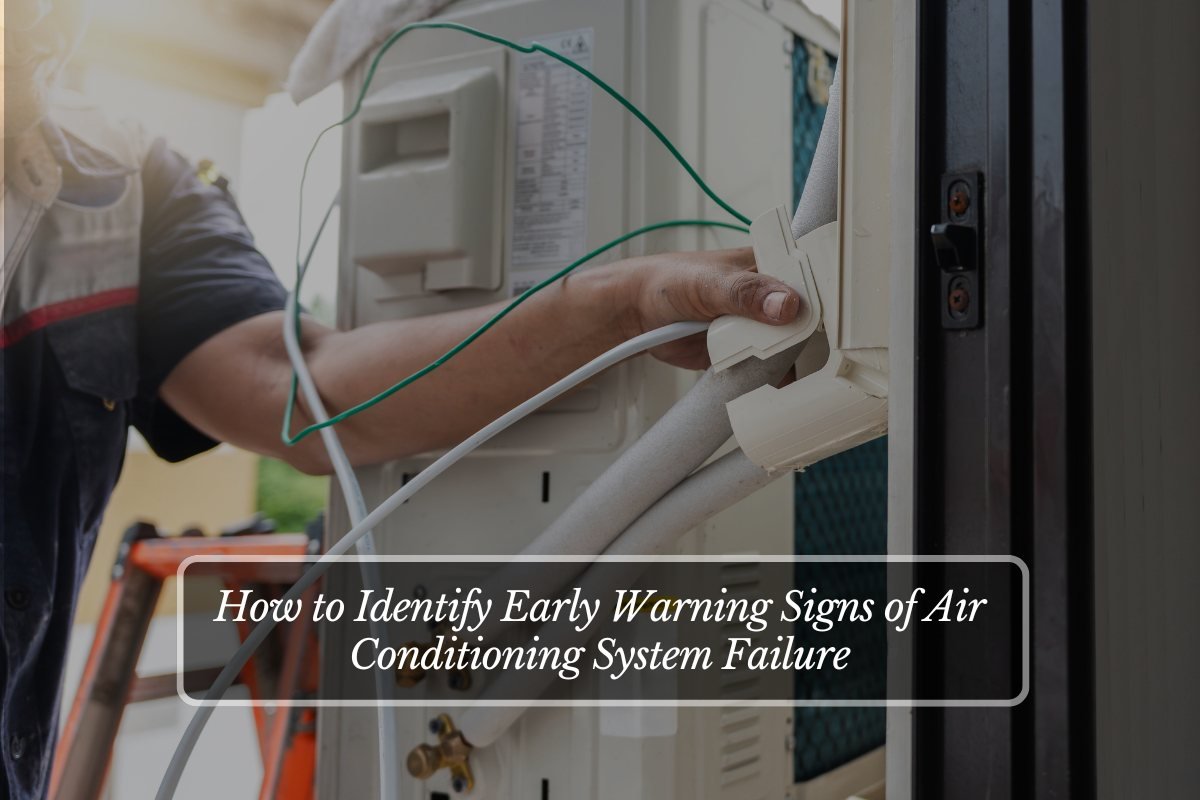
Early detection of air conditioning failure signs prevents 70-80% of major breakdowns and saves U.S. homeowners $500-2,000 in repairs annually, per ENERGY STAR data. In America’s diverse climates—from Florida humidity to Arizona heat—spotting issues like unusual noises or weak airflow allows timely fixes, extending system life to 15+ years.
Unusual Noises from the Unit
New sounds signal trouble: banging/clanking indicates loose compressor parts; grinding suggests worn bearings; hissing points to refrigerant leaks; buzzing flags electrical faults. Rattling or screeching from the outdoor unit often means debris or failing motors, while indoor clicking hints at capacitor issues. In humid states like Texas, ignore at peril—call pros immediately to avoid $1,000+ compressor swaps.
Warm or Inconsistent Airflow
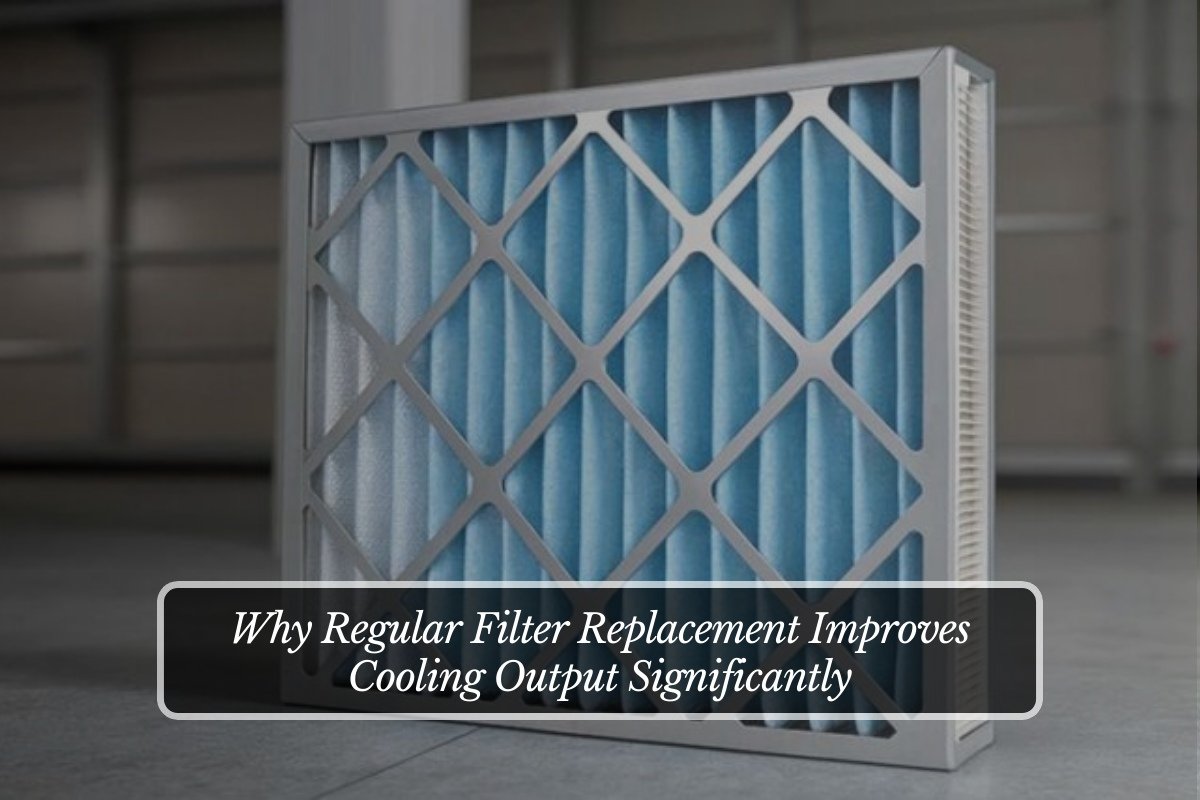
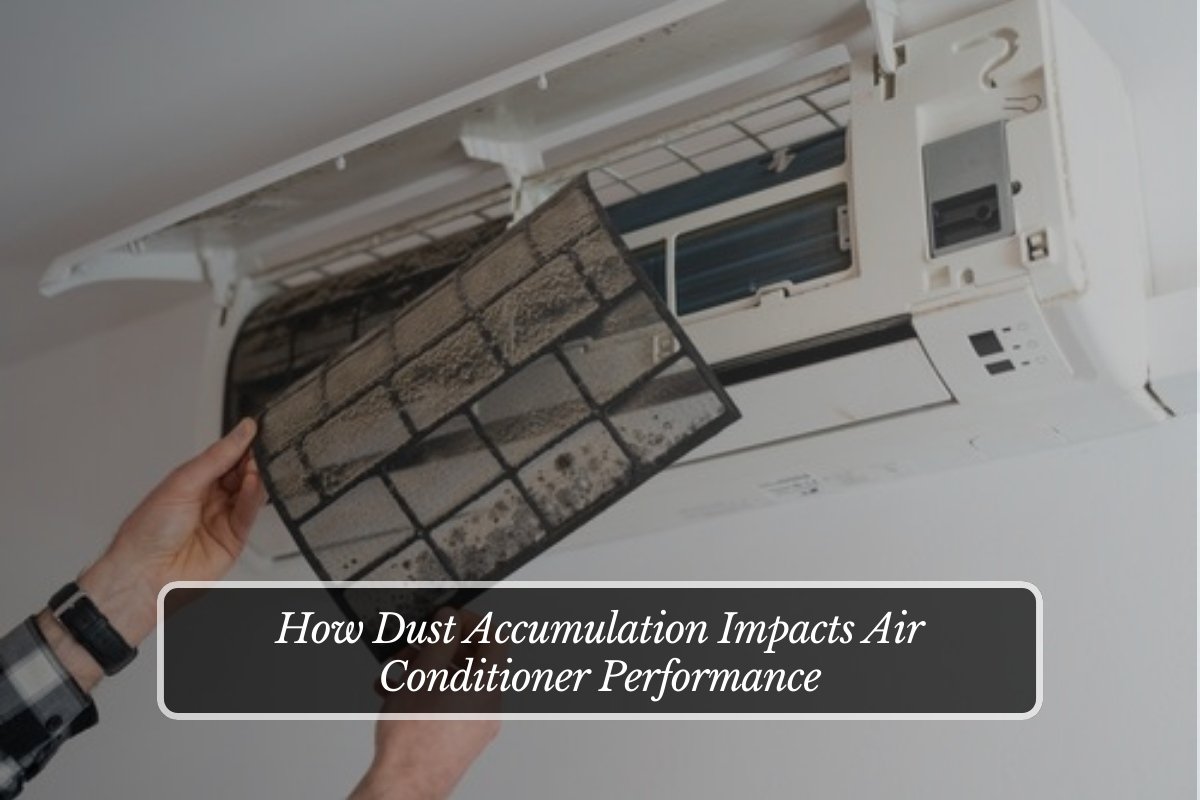
AC blowing warm air screams refrigerant leak or compressor failure; low refrigerant impairs cooling by 30%. Weak airflow from vents stems from dirty filters, frozen coils, or blower problems—check filters first, but persistent issues need duct inspections. Uneven room temps signal thermostat misalignment or duct leaks, wasting 20% energy per DOE.
Frequent Short Cycling
Short cycling—on/off every 5-15 minutes—stresses components, caused by low refrigerant, dirty coils, or oversized units. It spikes wear on compressors, leading to total failure; normal cycles last 15-20 minutes. In hot Southwest summers, this raises bills 10-25%—thermostat checks or pro diagnostics essential.
Water Leaks or High Humidity
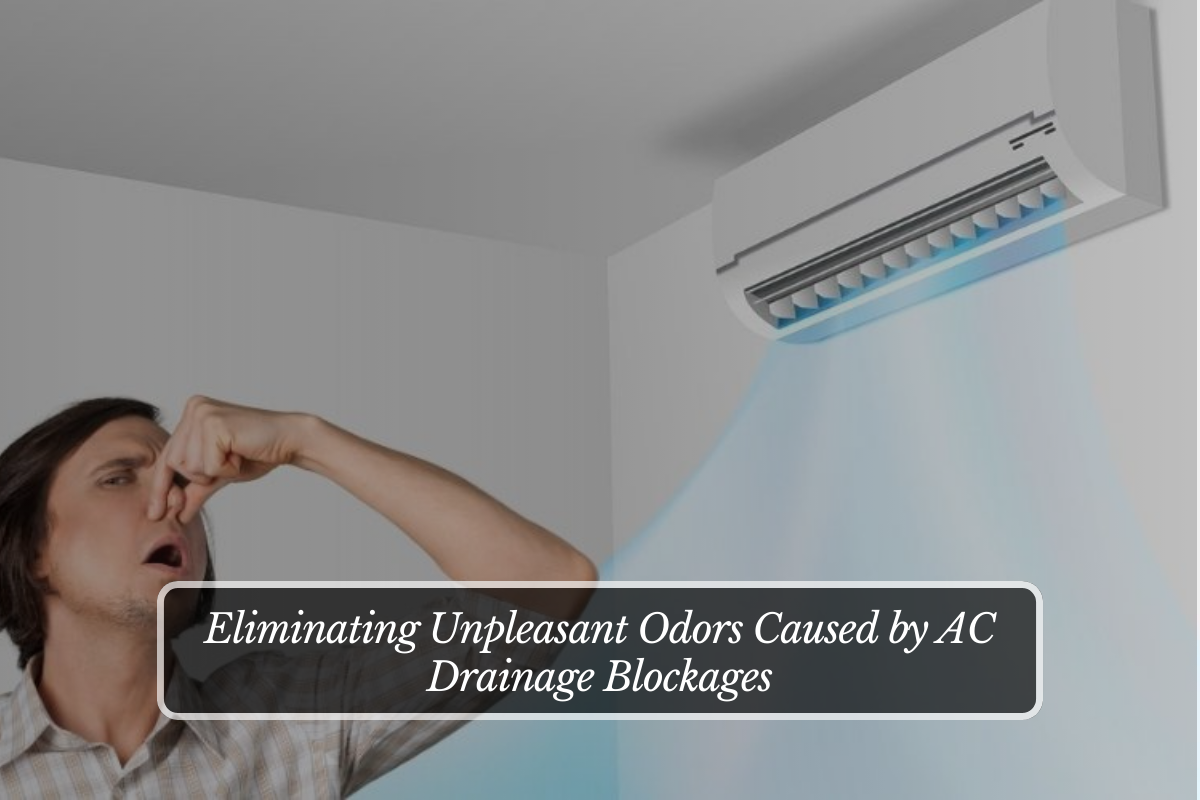
Puddles near indoor units mean clogged condensate drains from algae/mold; high indoor humidity (over 60%) follows frozen evaporator coils or poor dehumidification. Musty odors confirm mold in ducts—flush drains with vinegar, but pros handle deep cleans to prevent $2,000 water damage.
Rising Energy Bills
Bills jumping 20-50% without usage hikes indicate inefficiency: dirty coils drop SEER ratings, leaks force overwork. Compare to prior summers; EIA notes AC eats 12-27% of power—persistent rises warrant load calculations.
Foul Odors from Vents
Burning smells signal overheating motors/electrical shorts—shut off immediately. Musty scents mean mold; rotten eggs suggest refrigerant leaks (toxic). Gurgling indicates drain clogs—ventilate and call EPA-certified techs for safety.
Ice on Coils or Lines
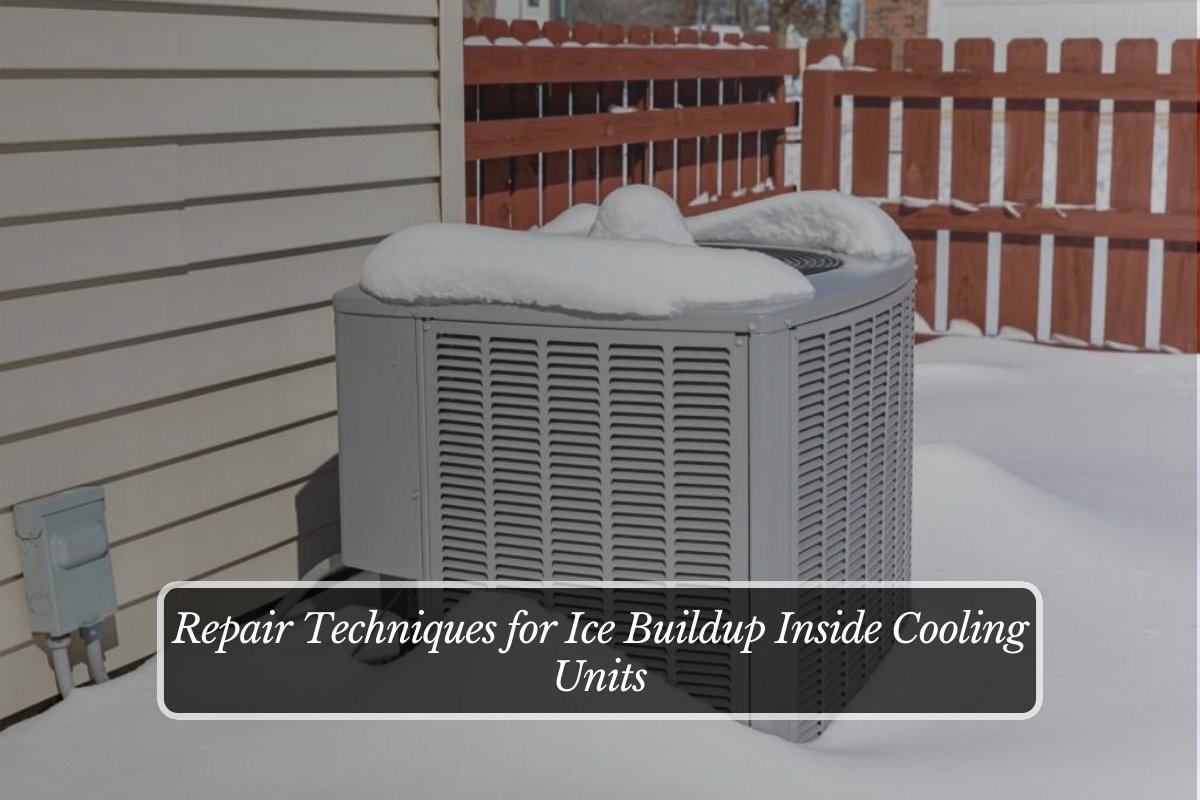
Frozen evaporator coils (visible via panel) arise from low refrigerant, dirty filters, or airflow blocks—thaw safely, but root causes demand pros. Frost on lines confirms leaks; ignoring risks $3,000 compressor death.
Thermostat and Startup Delays
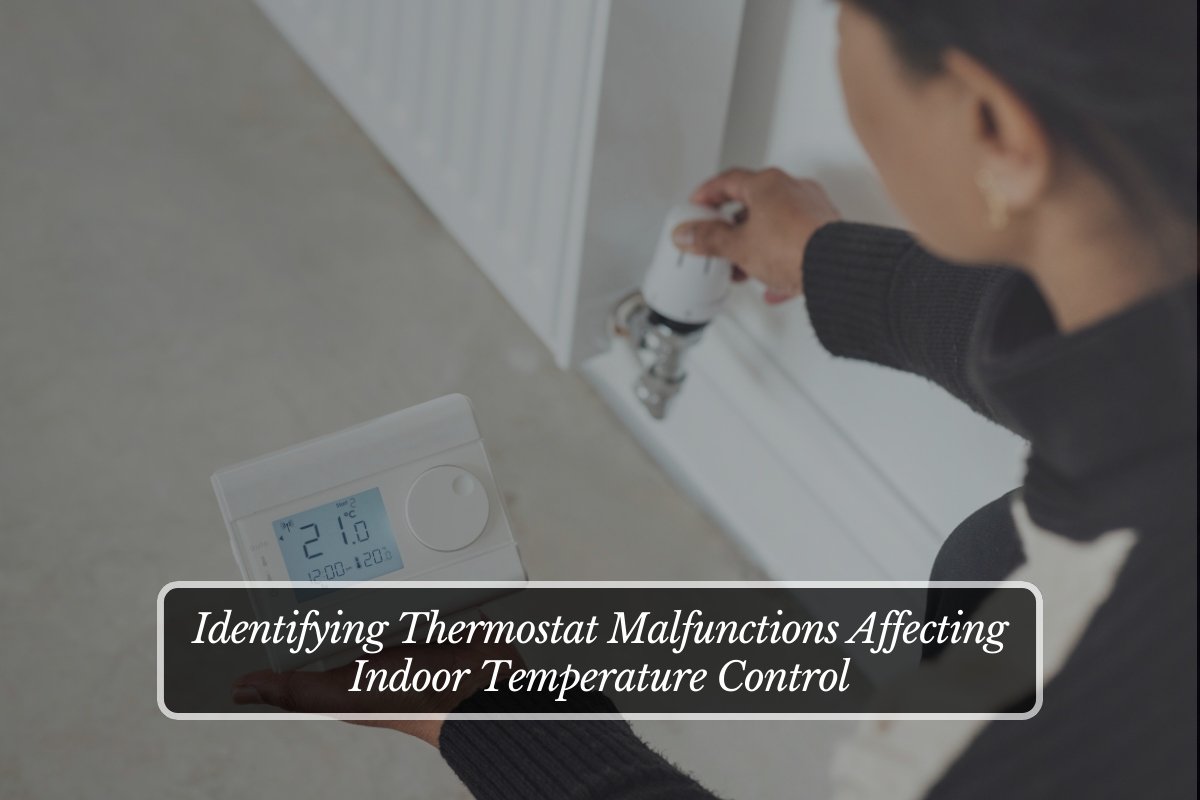
Thermostat inaccuracies (away from sun/heat) cause poor control; delays over 30 seconds point to failing capacitors. Test with thermometers—smart upgrades like Nest prevent 10% waste.
Visible Outdoor Issues
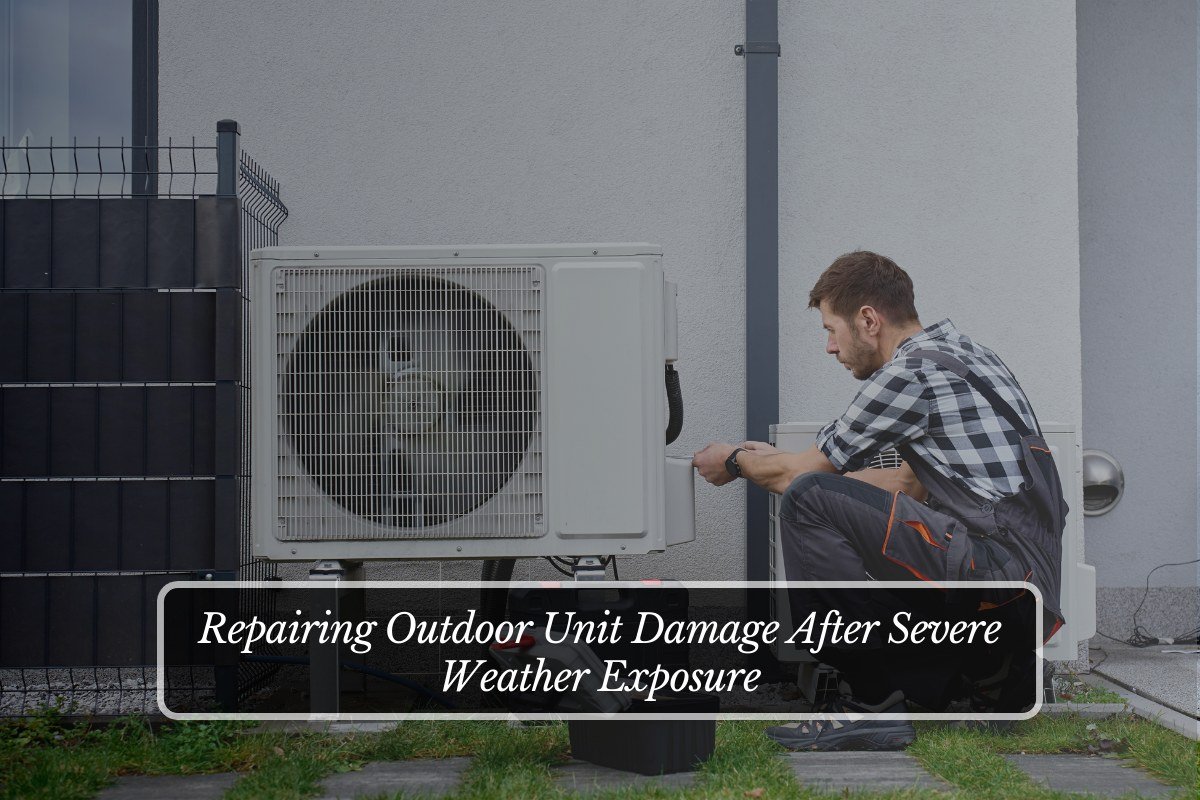
Bent fins, debris buildup, or rusty cabinets reduce efficiency 15%; ice/frost on lines signals systemic failure. Keep 2 feet clear; annual pro checks per ASHRAE catch these early.
When to Call Professionals
Multiple signs? DIY filters/drains first, but refrigerant/electrical needs NATE-certified techs under EPA rules. Spring diagnostics ($100-200) avert summer crises—prioritize in high-use states like California.
Vigilance turns warnings into warranties, ensuring cool comfort.
Frequently Asked Questions (FAQs)
1. What noise signals refrigerant leak?
Hissing from indoor/outdoor units—shut off and call pros.
2. Why does AC blow warm air?
Low refrigerant or compressor issues; check thermostat first.
3. What causes short cycling?
Dirty coils, low refrigerant, or oversized units stressing system.
4. Is ice on coils dangerous?
Yes, from airflow/refrigerant problems—thaw, then diagnose.
5. When ignore DIY for pros?
Refrigerant, electrical, or multi-sign cases per EPA/NATE rules