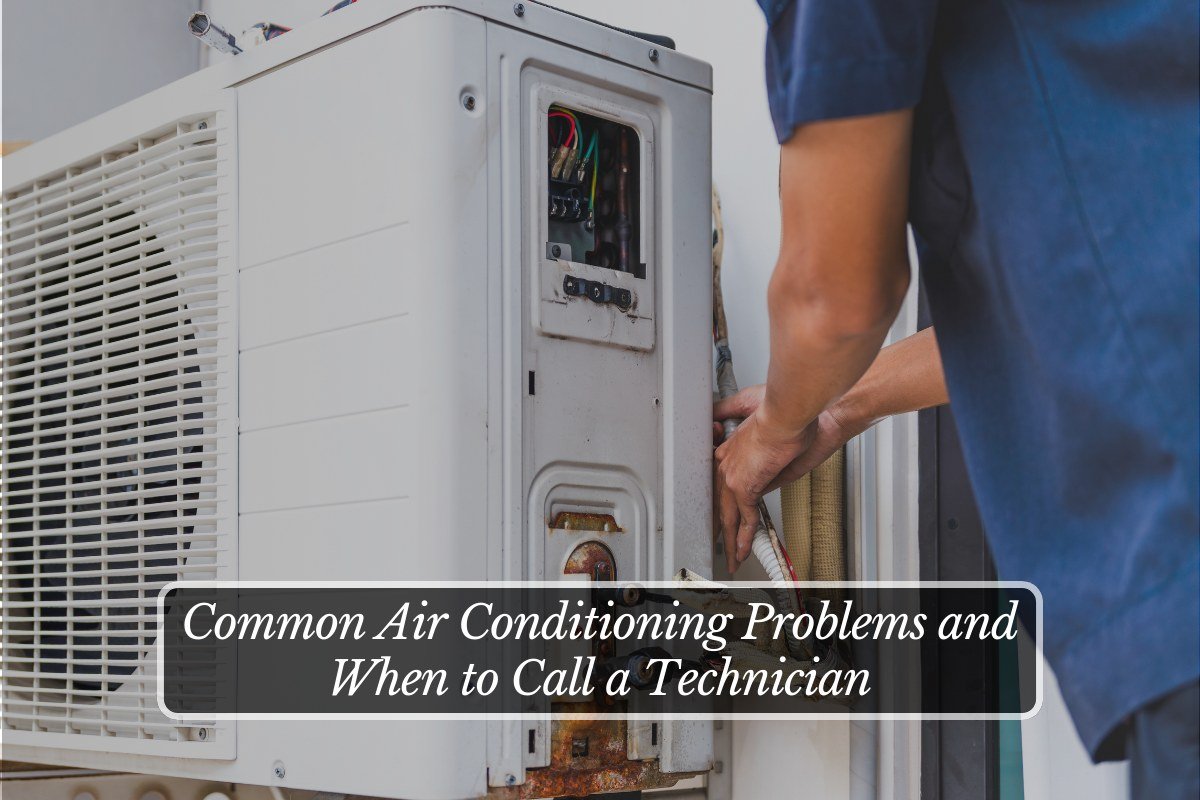
Air conditioning systems encounter common problems like refrigerant leaks, dirty filters, and frozen coils that disrupt cooling and spike energy bills, often signaling the need for professional intervention to prevent $1,500+ compressor failures.
Homeowners can troubleshoot minor issues like clogged filters, but persistent symptoms—warm air, leaks, or odd noises—demand certified technicians to diagnose electrical faults or refrigerant handling safely under EPA regulations. Early action extends lifespan 50%, avoiding emergency breakdowns during peak heat.
AC Not Cooling Properly
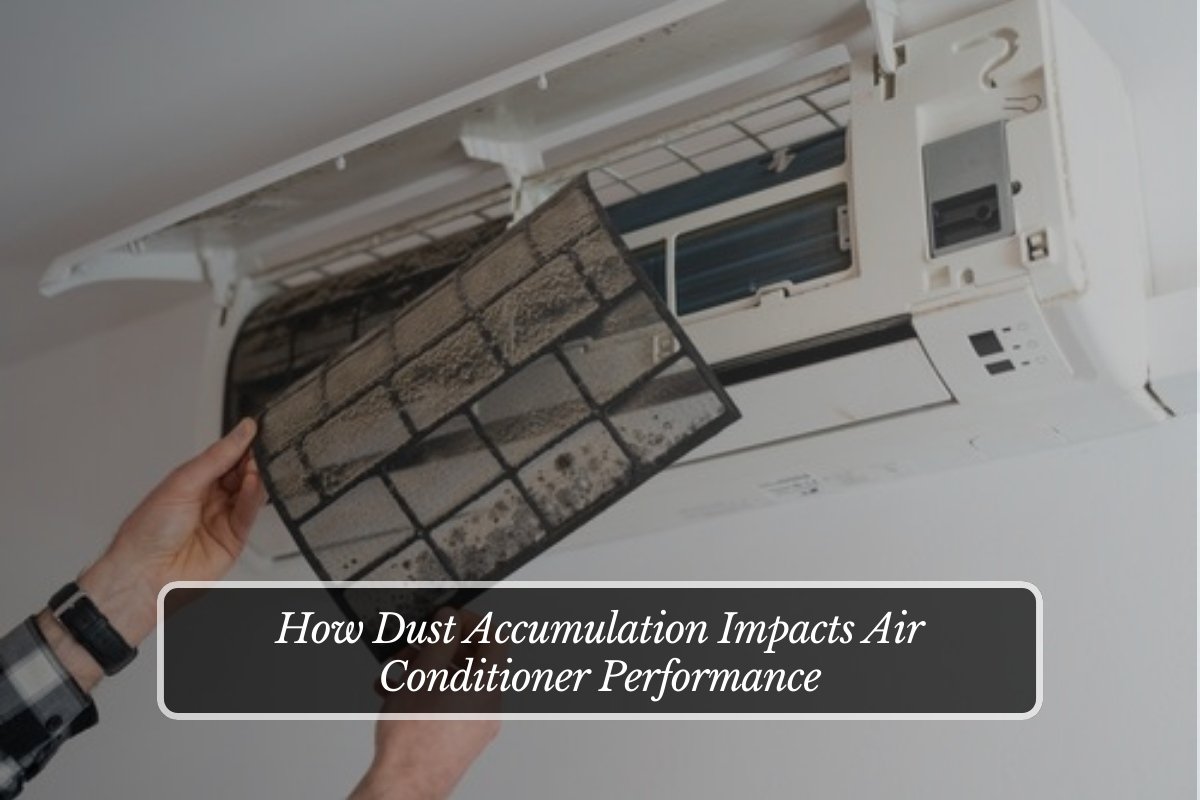
The most frequent complaint: units blow warm or insufficiently cold air due to low refrigerant, dirty coils, or thermostat issues. Low refrigerant from leaks reduces efficiency 20-30%, causing uneven temperatures; dirty evaporator coils insulate heat exchange, forcing overwork.
DIY Check: Verify thermostat settings (not on “fan” or heat), replace filters, clear vents. If persists >24 hours, call a tech—refrigerant requires EPA certification.
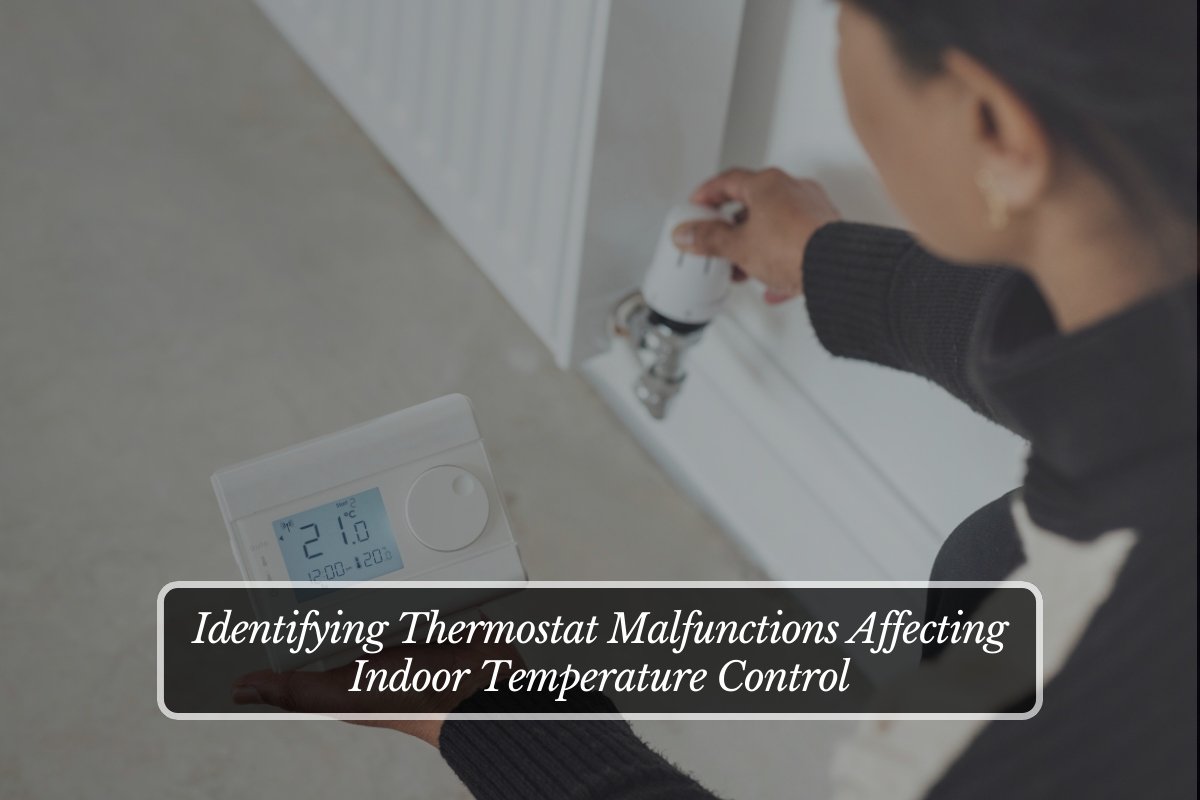
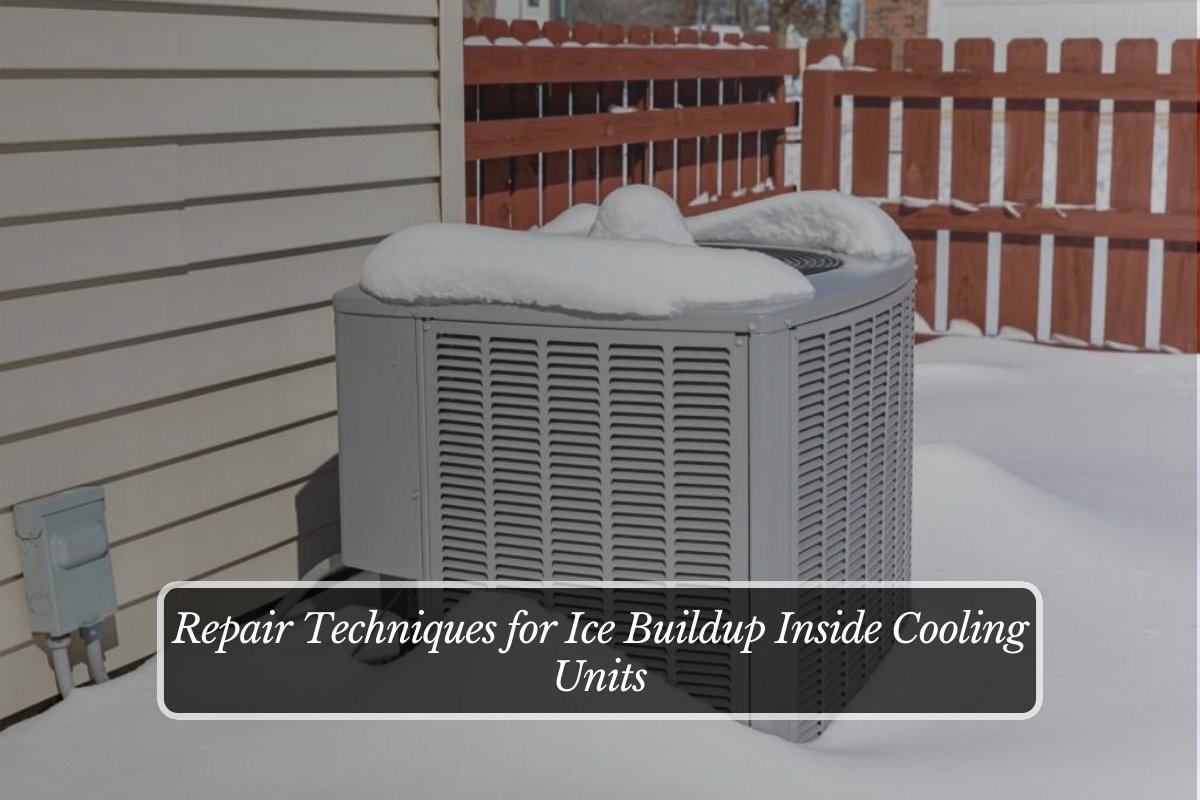
Thermostat malfunctions or iced coils exacerbate; pros recharge, clean, or recalibrate.
Weak or No Airflow
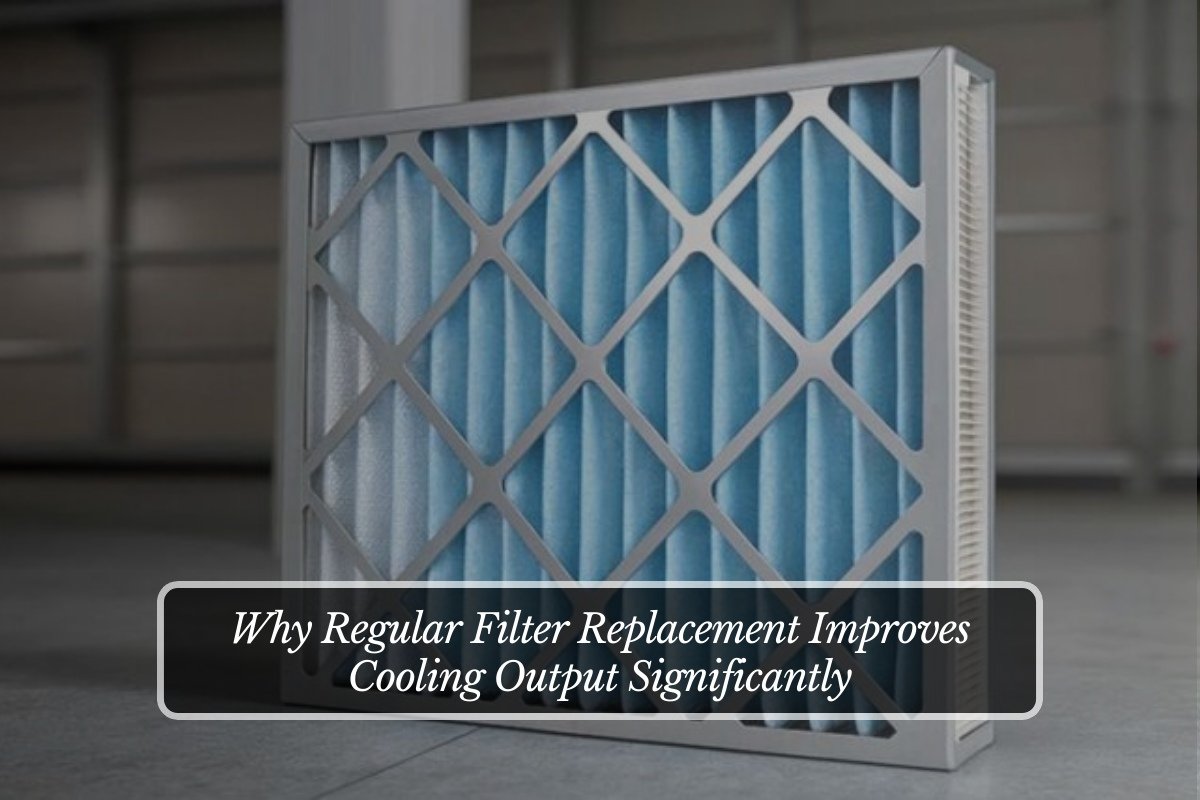
Restricted airflow from clogged filters strains blowers, dropping output 50%; blocked vents or failing motors compound it. Symptoms: hot spots, high bills, humming without breeze.
DIY Check: Swap filters (MERV 8-13), open registers, clean return grilles. If blower hums but spins weakly, suspect capacitor or motor—call immediately to avoid $800 repairs.
Duct leaks waste 20-30% air; pros seal with mastic.
Refrigerant Leaks
Hissing, bubbling, or oil residue signals leaks; low levels freeze coils, damage compressors ($1,200-2,000). Sweet/chemical odors confirm; efficiency plummets 15-35%.
When to Call: Always—handling R-410A needs certification; DIY risks fines/health hazards. Techs use leak detectors, repair, recharge.
Water Leaks
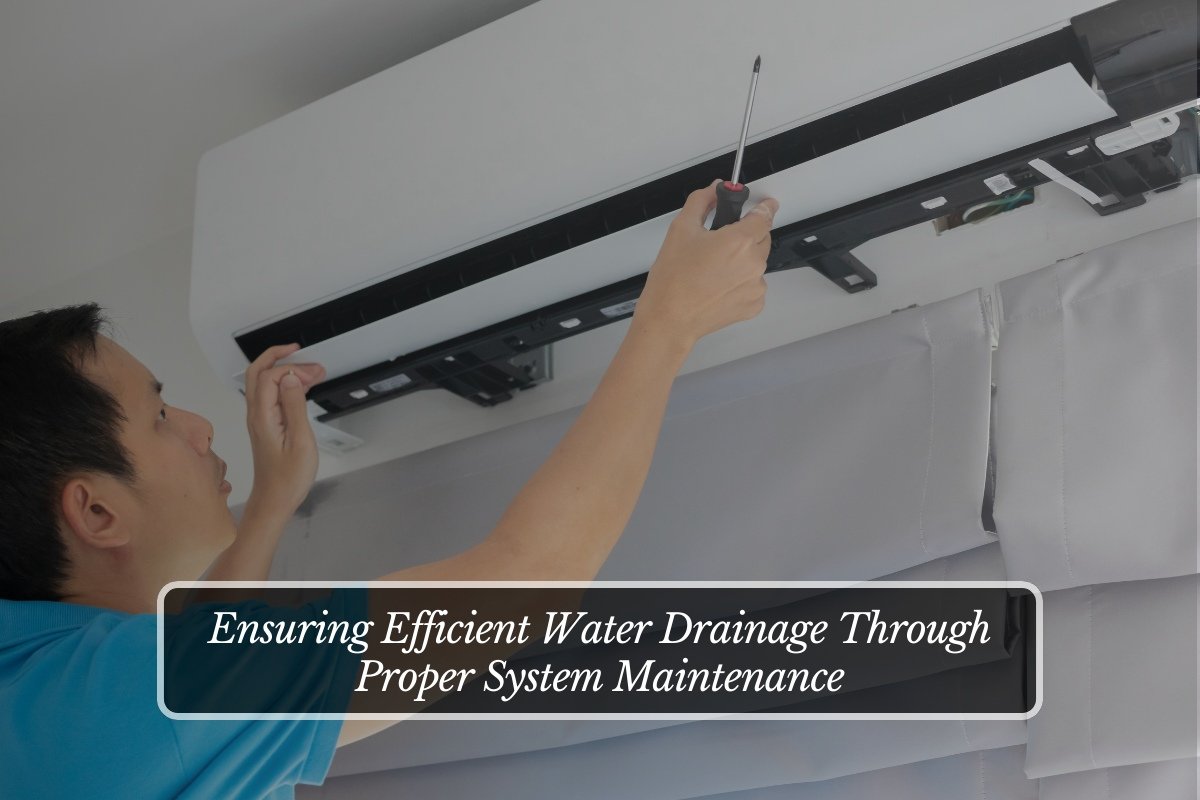
Clogged condensate drains cause indoor pooling; frozen coils or poor installation overflow pans. Damage floors/ceilings if ignored.
DIY Check: Flush drains with vinegar/bleach mix; dry pans. Persistent leaks (even post-flush) indicate pump failure or coil freeze—tech needed for thaw/recharge.
Outdoor leaks suggest cracked lines; pros inspect.
Unusual Noises
Grinding (compressor/motor), banging (loose parts), clicking (capacitor), or squealing (belts) warn of imminent failure. Rattling signals debris or imbalance.
DIY Check: Tighten panels, clear debris. Noises post-check mean bearings or fans—call to prevent $500+ breakdowns; running worsens damage.
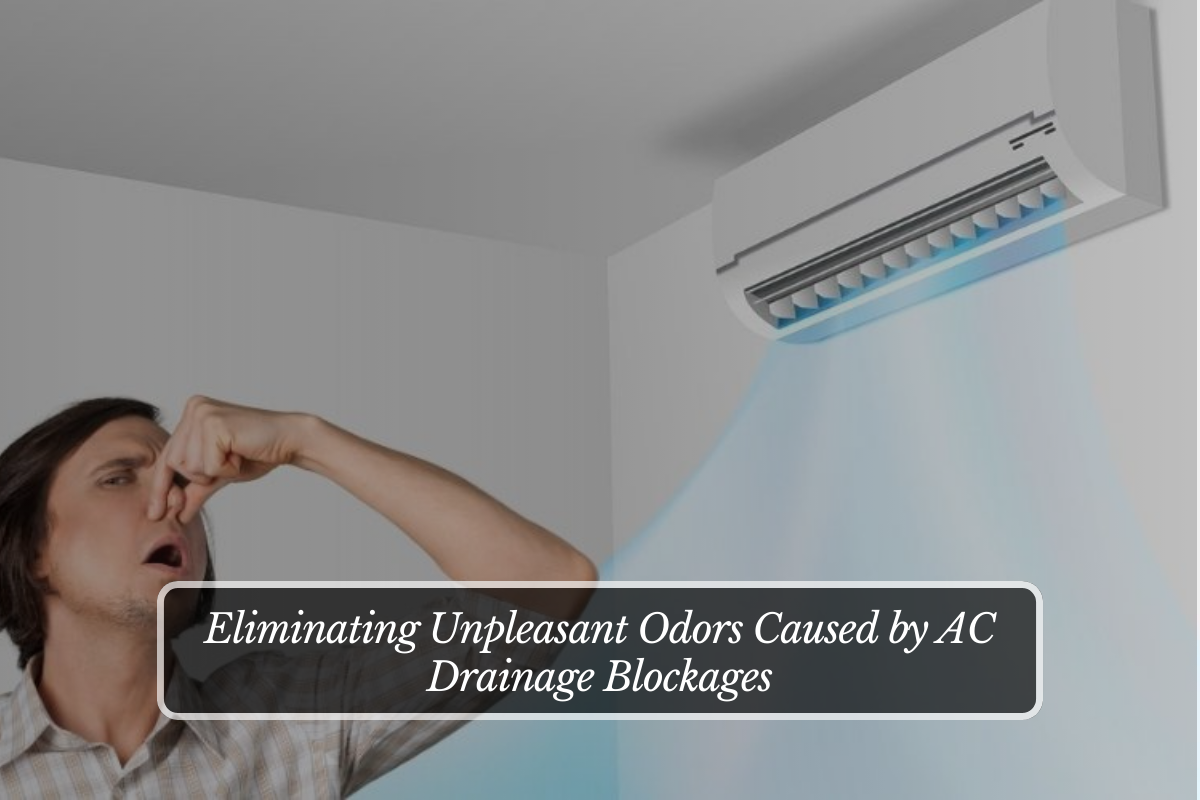
Foul Odors from Vents
Musty (mold in coils/drains), burning (wiring), or rotten egg (dead pests) indicate hygiene/electrical issues. Mold reduces efficiency 10-20%.
DIY Check: Filters, drain flush. Persistent smells need pro duct cleaning/UV lights; burning requires shutoff for safety.
Frequent Cycling or Shutdowns
Short-cycling (on/off rapidly) from oversized units, low refrigerant, or dirty coils; constant running signals low charge or sensor faults.
When to Call: If thermostat/filter checks fail—overloads risk $2,000 boards. Techs test pressures, capacitors.
Electrical Problems
Tripped breakers, blown fuses, or sparking point to shorts; humming without startup suggests capacitor failure (common after 10 years).
When to Call: Immediately—fire hazards. Never bypass breakers; pros use multimeters for safe fixes.
Prevention and Long-Term Tips
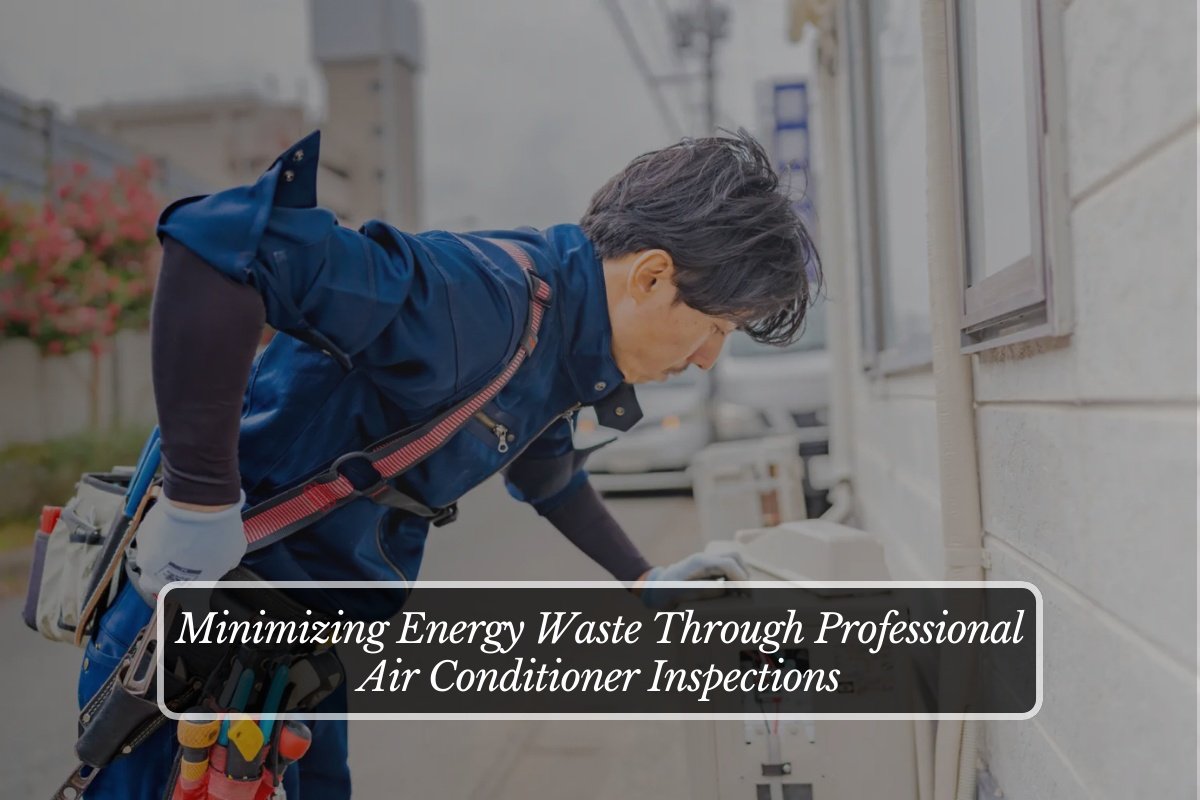
Biannual service catches 70% issues; programmable thermostats save 10%. Seal ducts, use shades to ease loads.
Cost vs. Risk Analysis
DIY minor: $20-50 filters. Tech calls: $100-200 diagnostic, $300-2,000 repairs vs. $5,000+ replacements. Early fixes save 40%.
FAQs
Q. Why isn’t my AC cooling, and when call tech?
Low refrigerant/dirty coils; DIY thermostat/filters first—if warm >24h, pro recharge needed.
Q. What causes water leaks around AC?
Clogged drains/frozen coils; flush drains—call if pooling continues for pump/coil fix.
Q. Are unusual noises DIY-fixable?
Tighten panels/clear debris; grinding/clicking means capacitor/motor—call immediately.
Q. What do burning smells indicate?
Wiring shorts—shut off, call tech; never ignore fire risk.
Q. How prevent frequent cycling?
Clean filters/check thermostat; pros handle refrigerant/electrical for $ savings.