Rising temperatures often mean higher electricity bills. However, improving cooling efficiency doesn’t always require upgrading your air conditioner or lowering the thermostat. With smart adjustments and preventive measures, you can maintain comfort while keeping energy consumption under control.
Below are practical, cost-effective strategies to maximize cooling performance without increasing electricity usage.
1. Optimize Thermostat Settings
Lowering the thermostat excessively forces your AC to run longer cycles.
Recommended approach:
- Set temperature between 24–26°C (75–78°F)
- Increase temperature slightly when away
- Avoid drastic temperature changes
Each degree lower can increase energy consumption by 6–8%. Smart thermostats help automate efficient settings.
2. Improve Airflow Throughout the Home
Good airflow allows your AC to cool evenly and efficiently.
Practical steps:
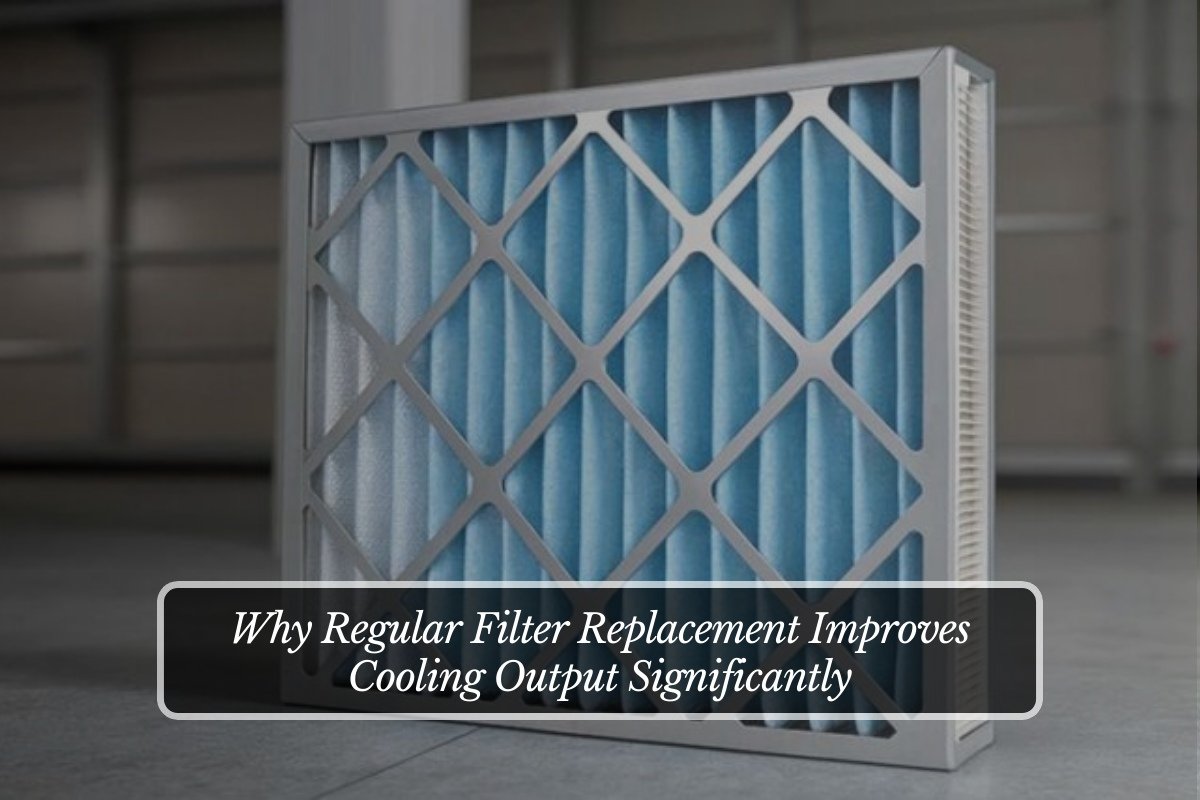
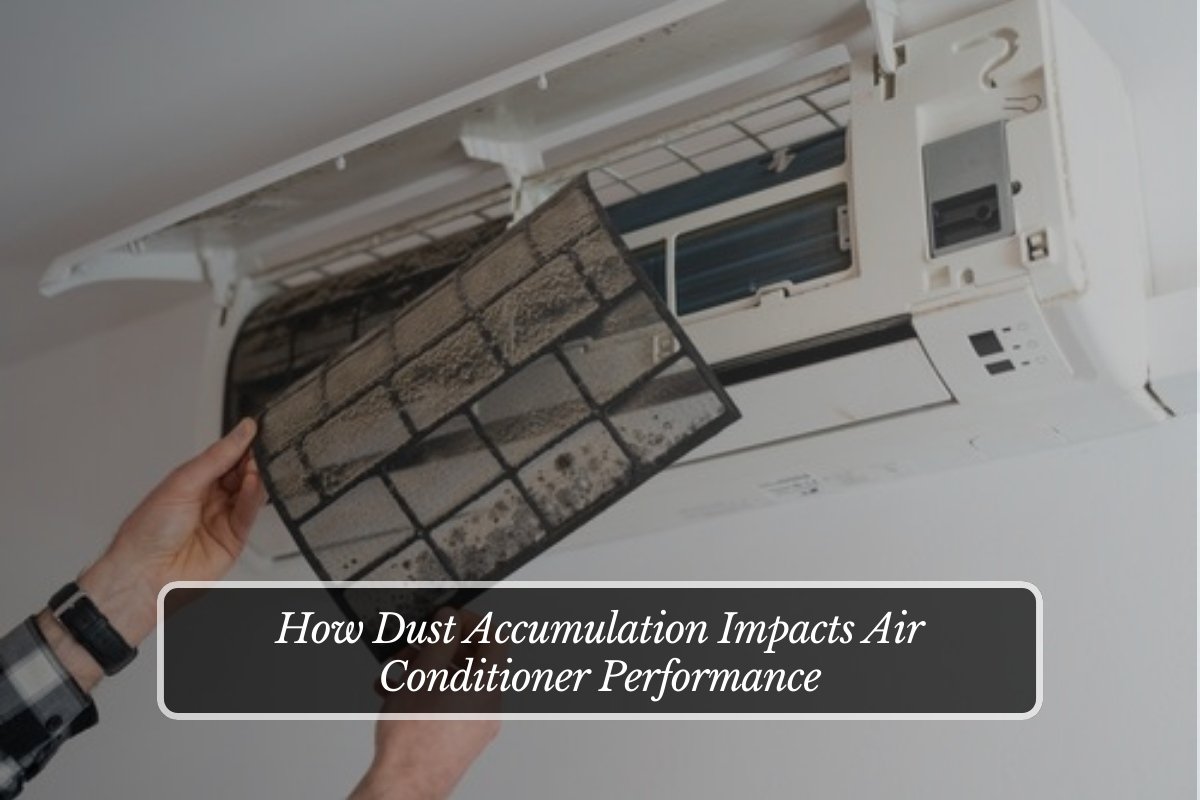
- Clean or replace air filters every 30 days in summer
- Keep vents unblocked by furniture
- Use ceiling fans (counterclockwise rotation in summer)
- Ensure interior doors remain open for circulation
Ceiling fans make rooms feel 2–3°C cooler without changing thermostat settings.
3. Block Heat Before It Enters
Preventing heat gain reduces the workload on your AC.
| Area | Improvement | Impact |
|---|---|---|
| Windows | Blackout curtains or reflective film | Reduces solar heat gain |
| Attic | Proper insulation | Prevents heat transfer |
| Doors | Weather stripping | Stops air leaks |
| Walls | Seal cracks | Minimizes hot air infiltration |
Blocking direct sunlight during peak hours significantly lowers indoor temperature.
4. Maintain the Outdoor Unit
Your AC’s condenser unit must release heat efficiently.
Maintenance tips:
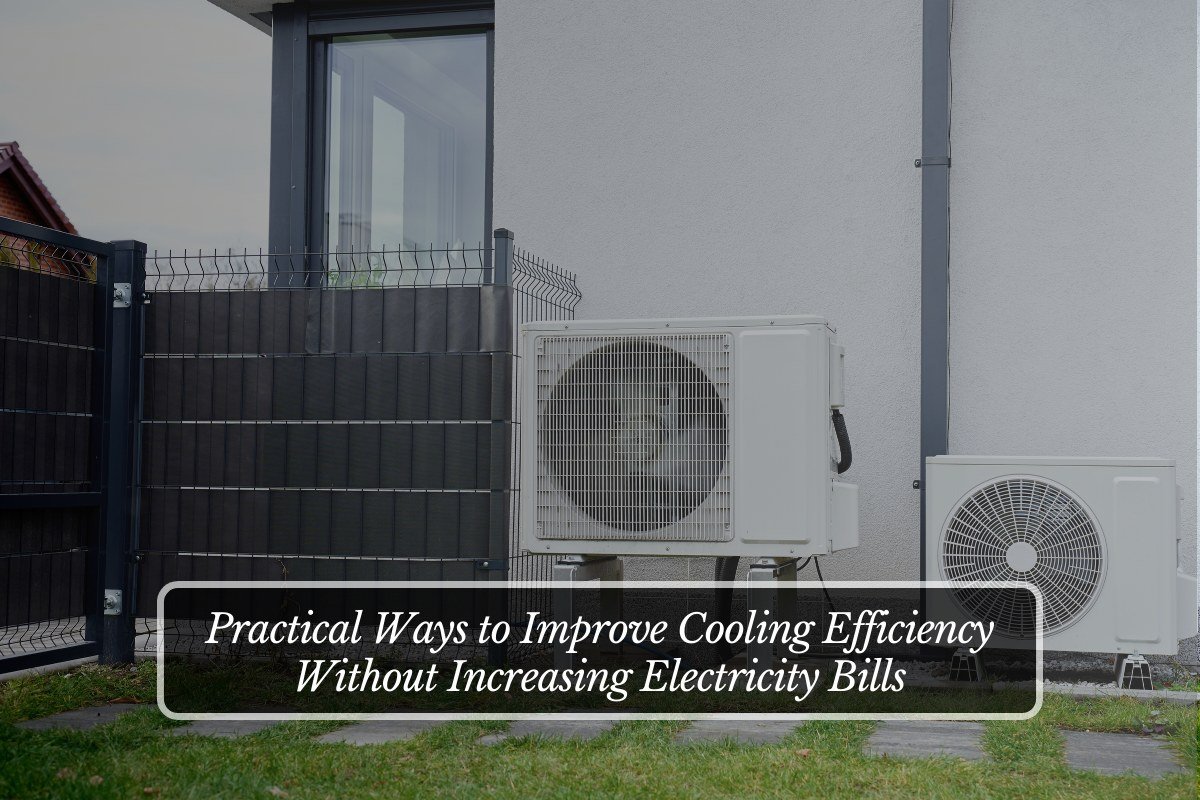
- Clear debris within 2–3 feet
- Gently rinse condenser coils
- Ensure proper ventilation
- Avoid placing heat-generating objects nearby
A dirty condenser forces the compressor to work harder, increasing energy use.
5. Reduce Internal Heat Sources
Appliances and lighting generate indoor heat.
Energy-smart adjustments:
- Use LED bulbs instead of incandescent
- Run washing machines and ovens at night
- Turn off unused electronics
- Cook outdoors or use microwaves instead of ovens
Reducing internal heat lowers the cooling load instantly.
6. Seal and Insulate Ductwork
Leaky ducts waste cooled air before it reaches rooms.
Professional duct sealing can improve cooling efficiency by up to 20%. If full sealing isn’t possible, inspect visible ducts for gaps and seal them with foil tape.
7. Use Dehumidification Strategically
High humidity makes rooms feel warmer.
Lowering humidity allows you to raise thermostat settings while maintaining comfort. If your AC lacks strong dehumidification, consider a standalone dehumidifier in humid climates.
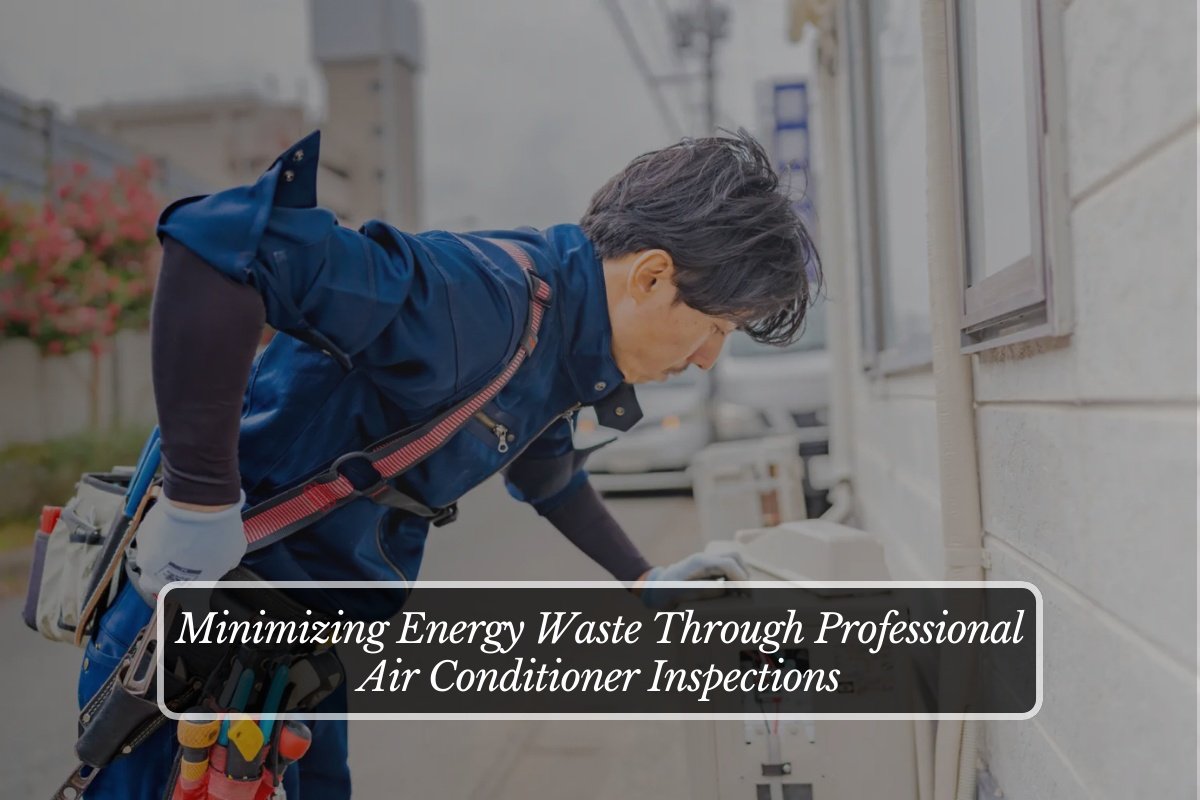
8. Schedule Preventive Maintenance
Regular servicing ensures:
- Proper refrigerant levels
- Clean evaporator and condenser coils
- Calibrated thermostat accuracy
- Efficient compressor performance
Small inefficiencies compound during extreme heat, increasing electricity costs over time.
9. Use Zoning Techniques
Instead of cooling the entire home equally:
- Close doors to unused rooms
- Use window AC units strategically if applicable
- Install zoning dampers if available
- Focus cooling where it’s needed most
Cooling occupied spaces only prevents unnecessary energy waste.
10. Adopt Night Cooling Strategies
If outdoor temperatures drop at night:
- Open windows for cross ventilation
- Use fans to draw in cool air
- Pre-cool the house before peak daytime heat
This reduces the need for heavy daytime AC use.
Common Mistakes That Increase Bills
- Frequently adjusting thermostat settings
- Skipping filter changes
- Ignoring minor maintenance issues
- Blocking return air vents
- Running AC while windows are open
Avoiding these errors alone can significantly improve efficiency.
FAQs
Q. What thermostat setting saves the most energy?
24–26°C (75–78°F) is generally the most efficient balance between comfort and savings.
Q. Do ceiling fans reduce electricity bills?
Yes. Fans consume far less electricity than AC units and allow higher thermostat settings.
Q. How often should filters be changed?
Every 30 days during heavy summer use.
Q. Does insulation really affect cooling efficiency?
Absolutely. Proper insulation significantly reduces heat transfer and lowers AC workload.