When your air conditioning unit runs but fails to cool effectively, quick diagnosis prevents minor issues from escalating into costly repairs averaging $300-$1,500. Common culprits include dirty filters, low refrigerant, and thermostat errors, with DIY fixes resolving 70% of cases before professional intervention.
Dirty or Clogged Air Filters
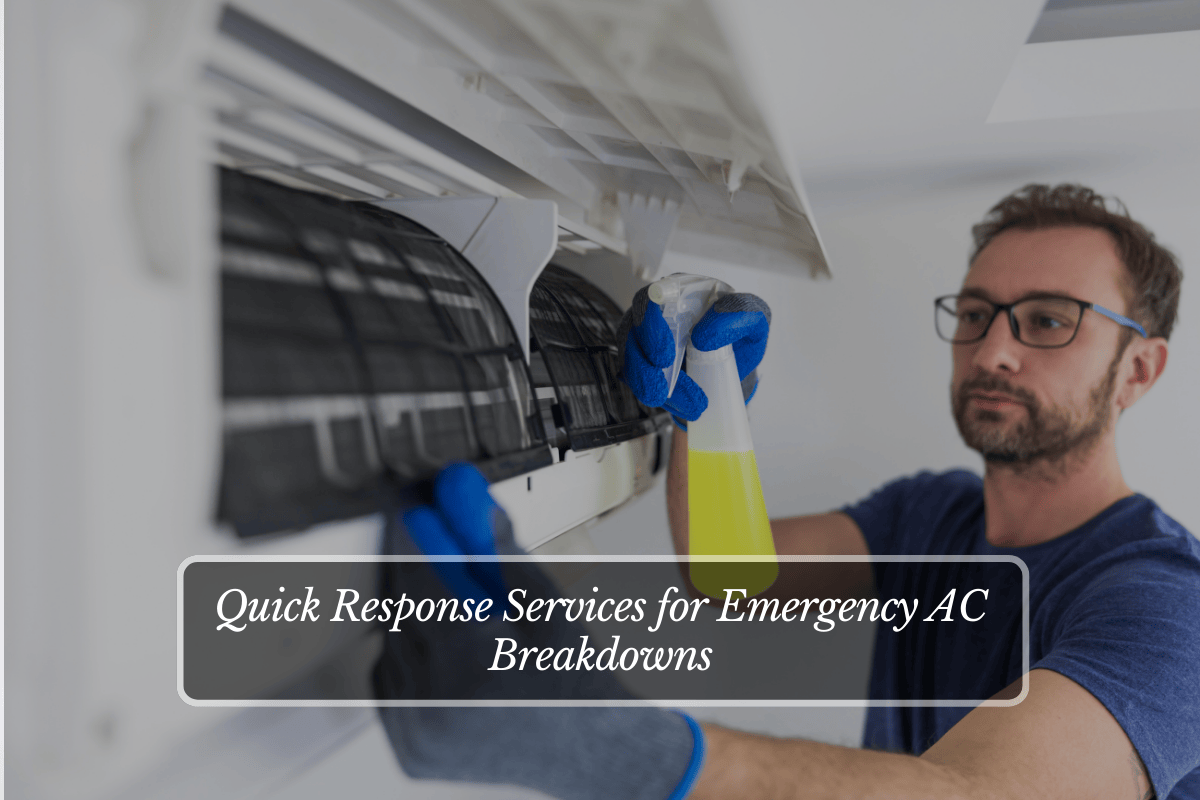
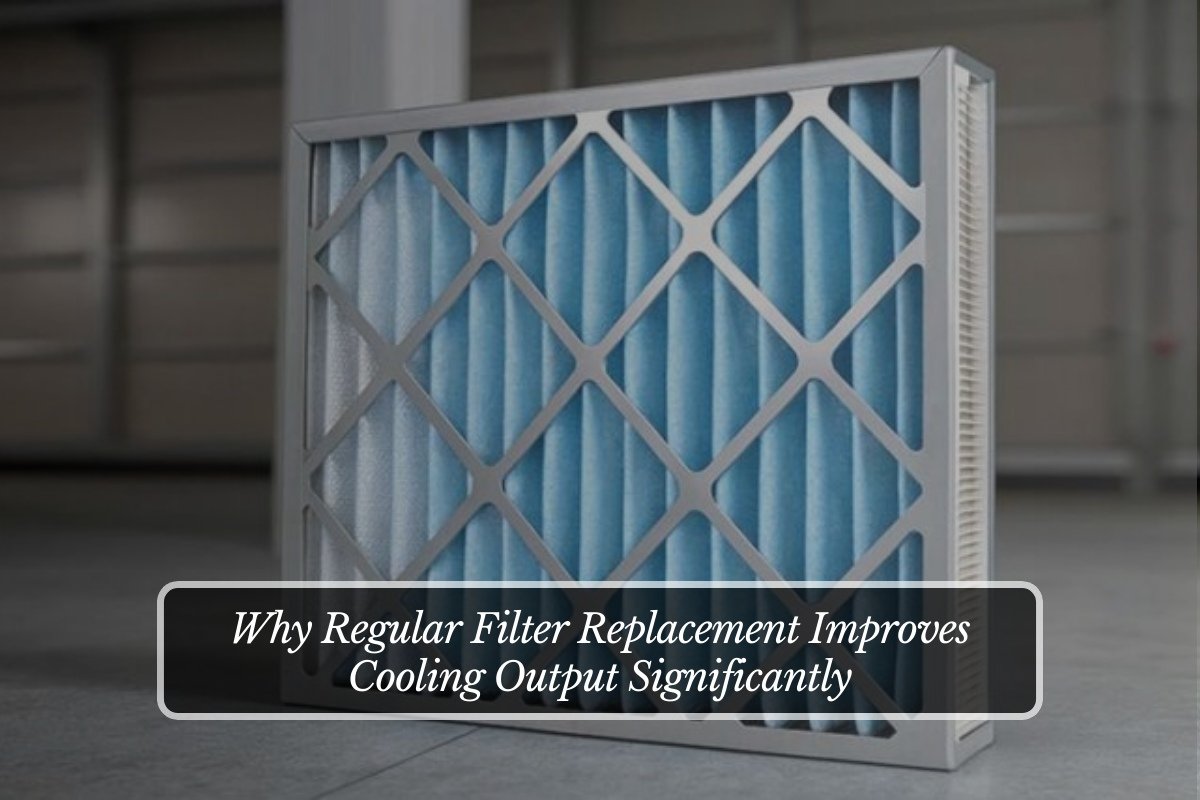
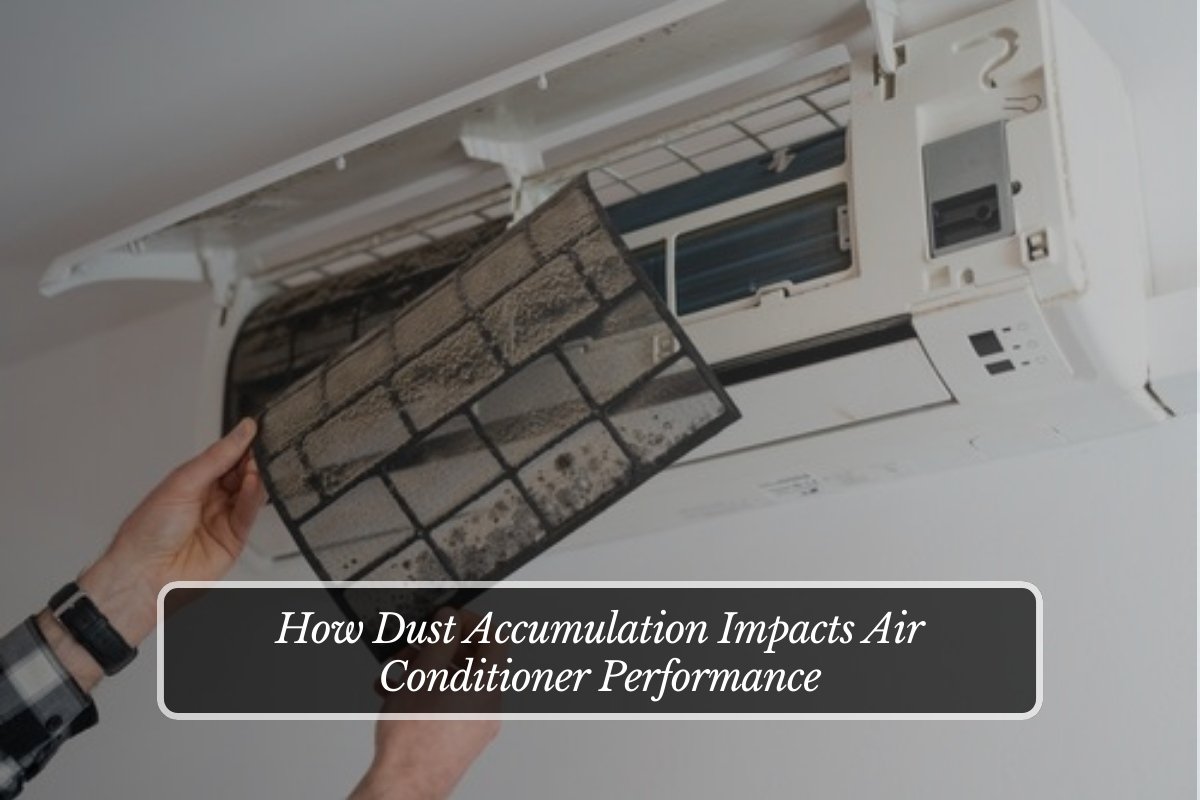
Restricted airflow from clogged filters starves the evaporator coil of air, causing freeze-ups and poor heat absorption. Signs include weak airflow and ice buildup; replace pleated MERV 8-13 filters every 1-3 months, vacuuming returns monthly. This restores 15-25% cooling capacity instantly.
Incorrect Thermostat Settings
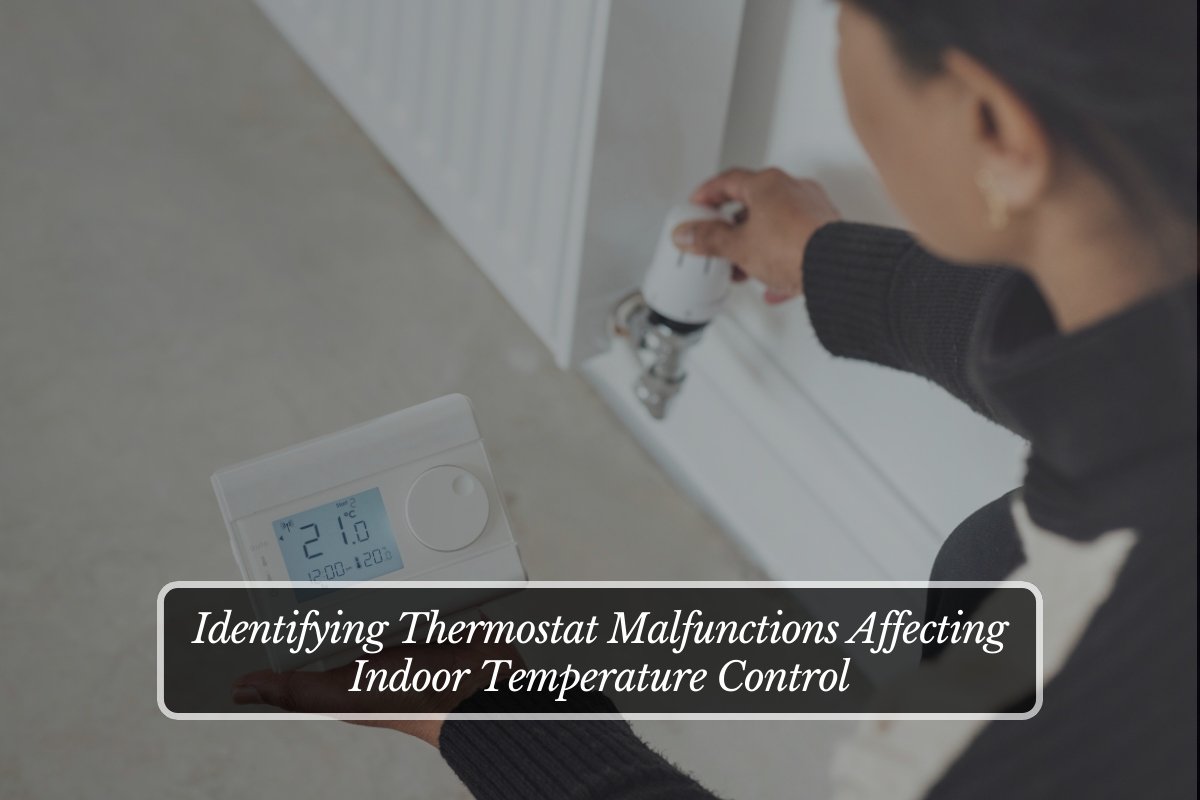
Fan set to “ON” instead of “AUTO” blows uncooled air continuously; verify “cool” mode and 3°F below room temp. Recalibrate batteries or relocate from heat sources/windows—digital models like Nest self-diagnose via apps. Test by feeling vents: cool air within 5 minutes signals proper operation.
Low Refrigerant Levels and Leaks
Refrigerant shortages prevent heat transfer; symptoms include warm vents, hissing, or coil icing. Leaks occur at coils, flares, or valves—EPA-certified techs detect with electronic sniffers, repair, and recharge to nameplate specs (R-410A common). Avoid DIY refills due to legal handling rules.
Frozen Evaporator or Condenser Coils
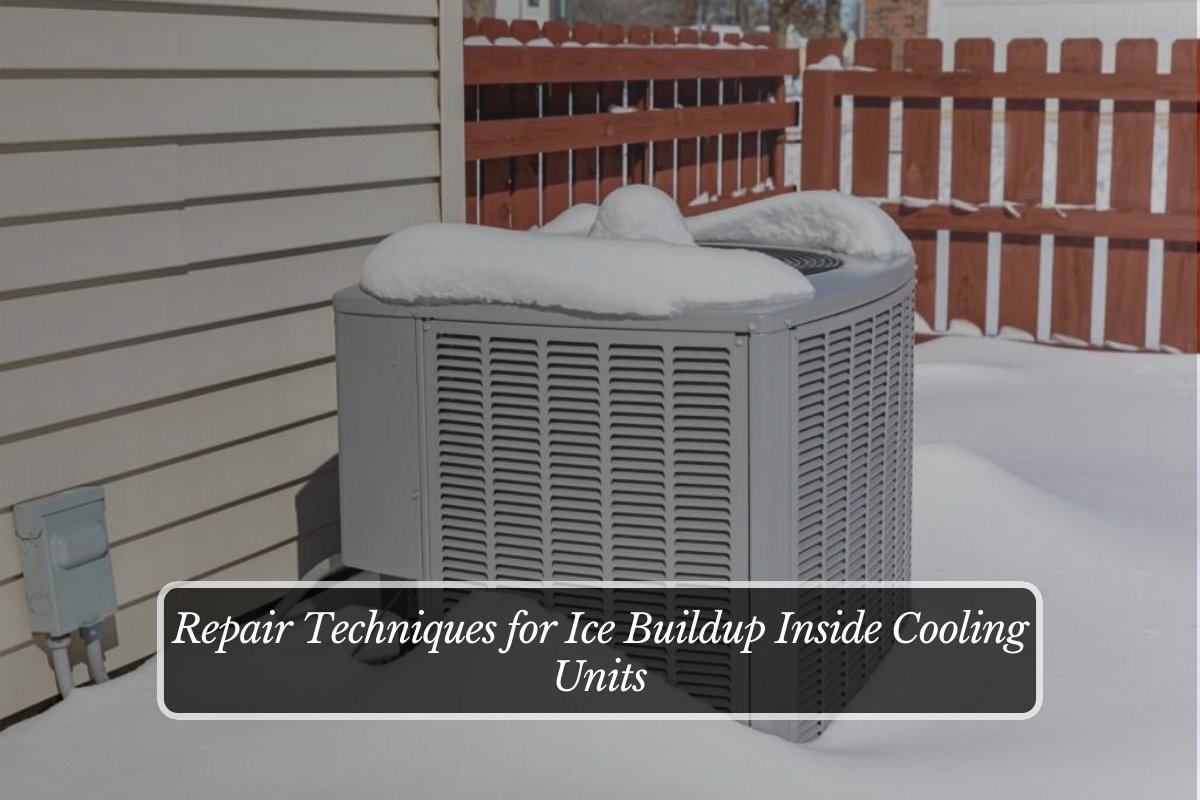
Low airflow, dirty coils, or refrigerant issues freeze indoor evaporator, halting cooling. Shut off AC, run fan-only to thaw (2-4 hours), then clean coils with no-rinse foam. Outdoor condensers need gentle hosing fins-inside-out; bent fins require combs. Prevent with filter discipline.
Blocked or Dirty Condenser Unit
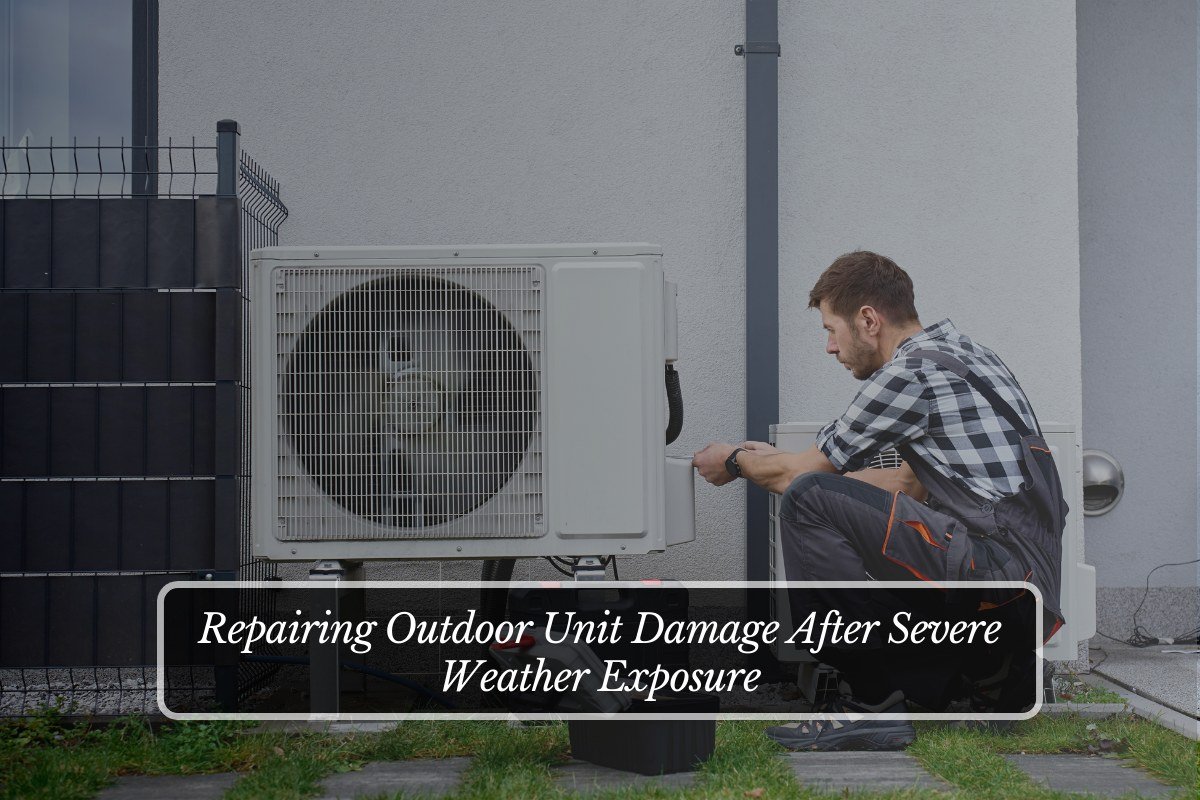
Outdoor debris—leaves, grass, pet hair—insulates coils, spiking head pressure. Clear 2-foot radius, straighten fins, and power-wash quarterly. Capacitor failure mimics this; test with multimeter (run capacitor 5-50 µF). Annual pro cleanings cut failures 40%.
Electrical Component Failures
Faulty capacitors, contactors, or wiring prevent compressor starts. Humming outdoor unit without fanning signals bad capacitor—replace matching µF/voltage (e.g., 45/5 MFD 440V). Contactor pitting needs swap; pros check breakers/fuses first.
Ductwork Leaks and Imbalances
20-30% air loss from unsealed joints starves rooms; use smoke tests or duct blasters for detection. Mastic-seal gaps, insulate to R-8, and balance dampers for 400 CFM/ton. Closed vents in unused areas exacerbate uneven cooling.
Compressor or Blower Motor Issues
Overheating compressors from chronic neglect seize; iced coils strain blowers. Pros diagnose via amp draws—high indicates dirty coils, low signals motor failure. Oversized units short-cycle, mimicking problems.
When to Call Professionals
Persistent issues post-DIY warrant HVAC techs with gauges, vacuums, and leak detectors. Emergency signs: no power, burning smells, or water leaks demand same-day service to avert $5,000 compressor swaps.
These targeted fixes restore comfort fast, extending system life while slashing summer bills.
Frequently Asked Questions
1. First step when AC isn’t cooling?
Check/replace dirty filter; causes 40% of issues.
2. Signs of refrigerant leak?
Warm air, hissing, ice on coils—needs pro recharge.
3. How to thaw frozen coils?
Fan-only mode 2-4 hours; clean then resume cooling.
4. Thermostat fan “ON” vs “AUTO”?
“AUTO” cycles with cooling; “ON” blows ambient air.
5. Outdoor unit not fanning?
Likely bad capacitor—test/replace matching specs.