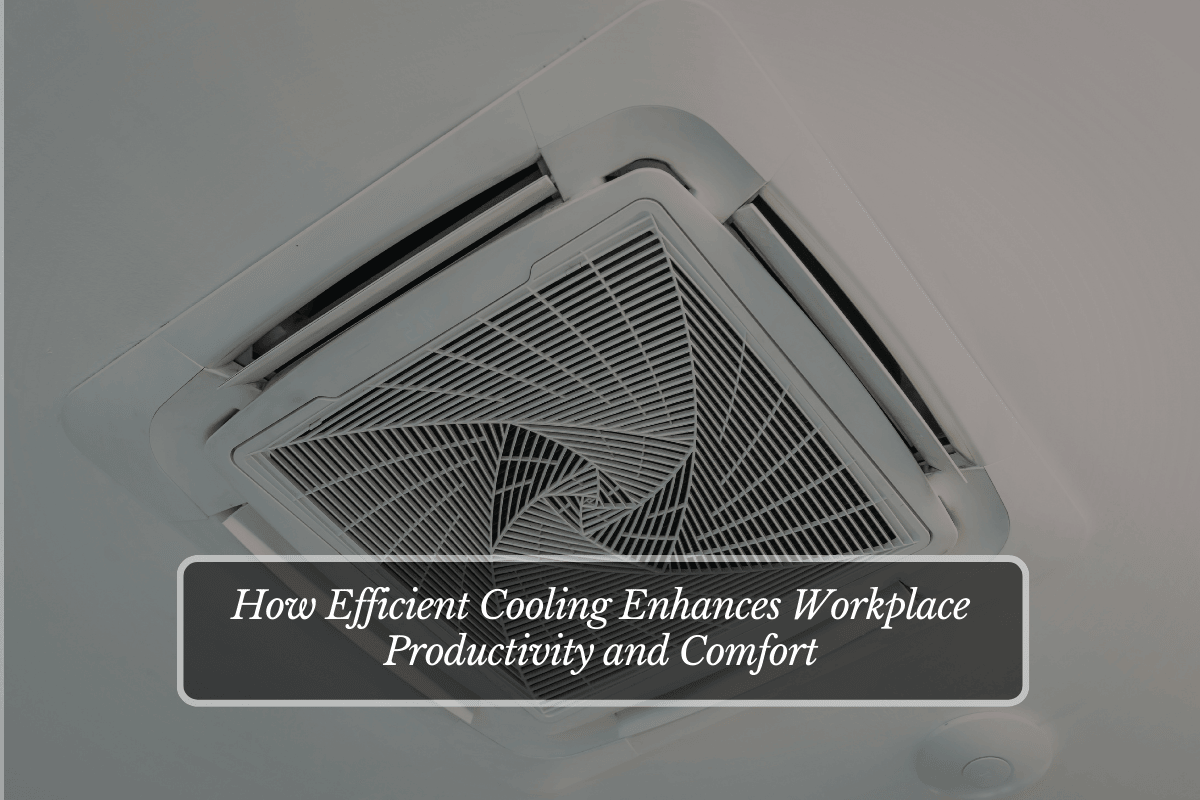
Efficient cooling systems significantly enhance workplace productivity and comfort by maintaining optimal temperatures, improving air quality, and reducing physical strain on employees. Studies show that temperatures above 77°F can drop productivity by up to 14%, while ideal ranges of 68-74°F boost focus, endurance, and output by 10-20% in U.S. offices and factories.
The Science of Cooling and Performance
Human cognitive function peaks at 72°F; heat elevates stress hormones, causing fatigue, errors, and shorter attention spans—workers complete 14% more tasks with proper cooling like shaded areas and vests.
Reliable HVAC prevents heat-related illnesses, cutting absenteeism 20% and preserving mental clarity for complex work. Humidity control below 50% curbs mold and allergens, fostering respiratory health and sustained energy.
Key Cooling Technologies
Modern systems go beyond basic AC for targeted benefits.
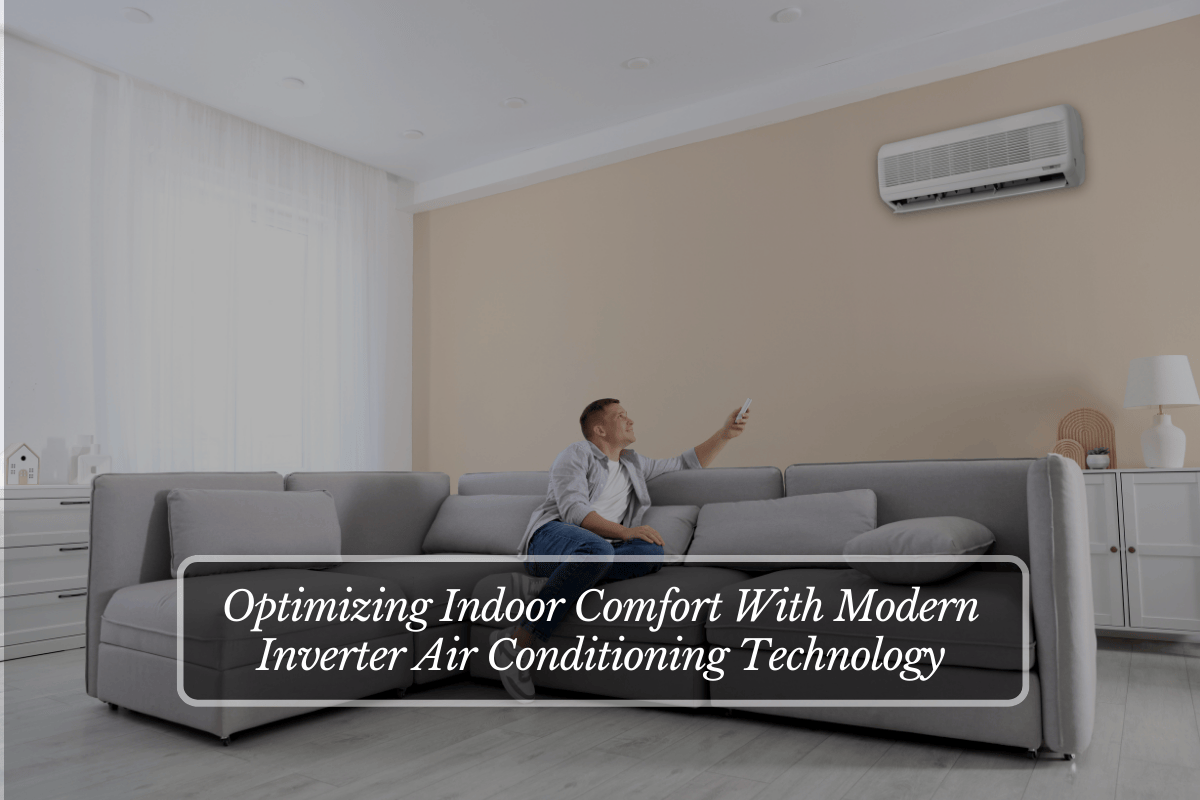
Energy-efficient models like VRF align comfort with sustainability.
Health and Cognitive Benefits
Cooling regulates body temp, slashing headaches and muscle tension that derail focus—employees report less fatigue and better problem-solving. Filtered air removes pollutants, reducing sick days 15%; humidity control prevents viral spread. In hot industrial settings, systems avert heat exhaustion, enabling longer shifts without performance dips.
Workplace Applications
Offices
Maintain 70-72°F with programmable thermostats; integrate occupancy sensors for vacant-room efficiency. Biophilic design—cool air near plants—enhances morale 25%.
Factories/Warehouses
Industrial coolers combat 90°F+ zones; cooling vests add 14% endurance for lifts. Ventilation pairs with cooling to meet OSHA heat standards.
Remote/Hybrid
Home AC investments yield 20% satisfaction gains; employer stipends offset costs.
ROI and Implementation
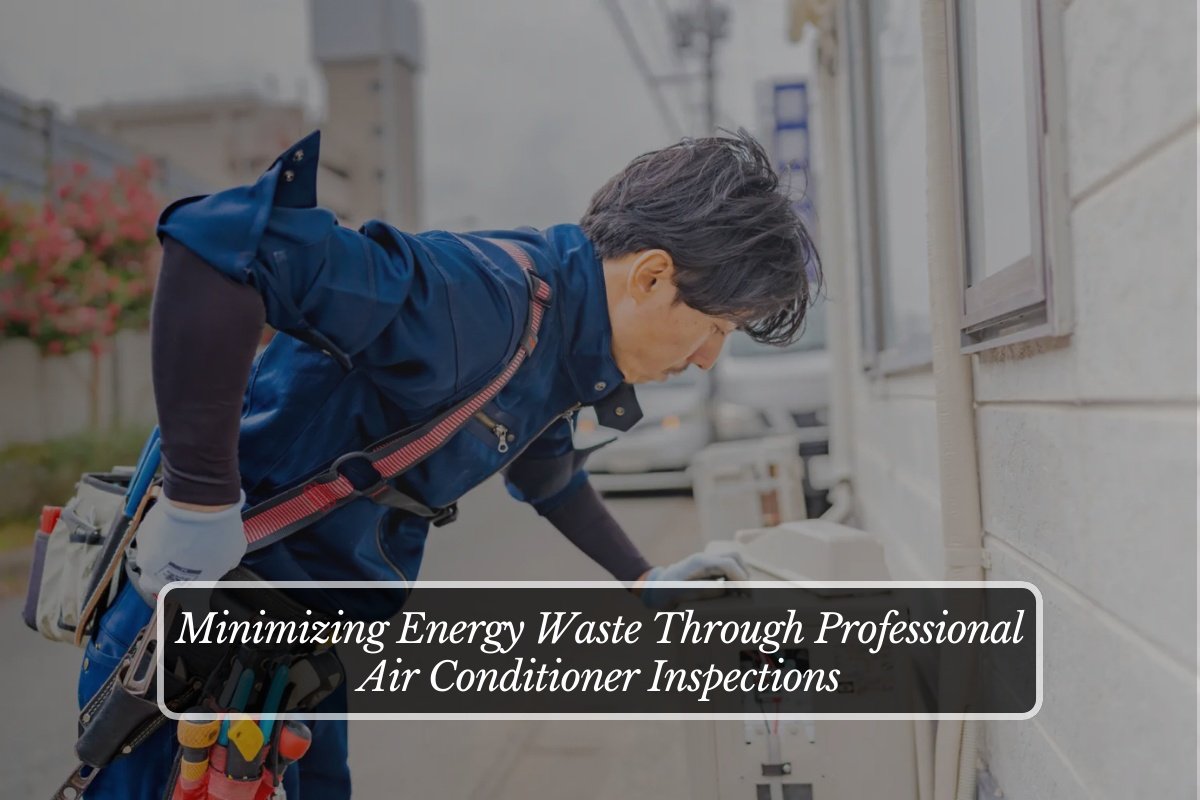
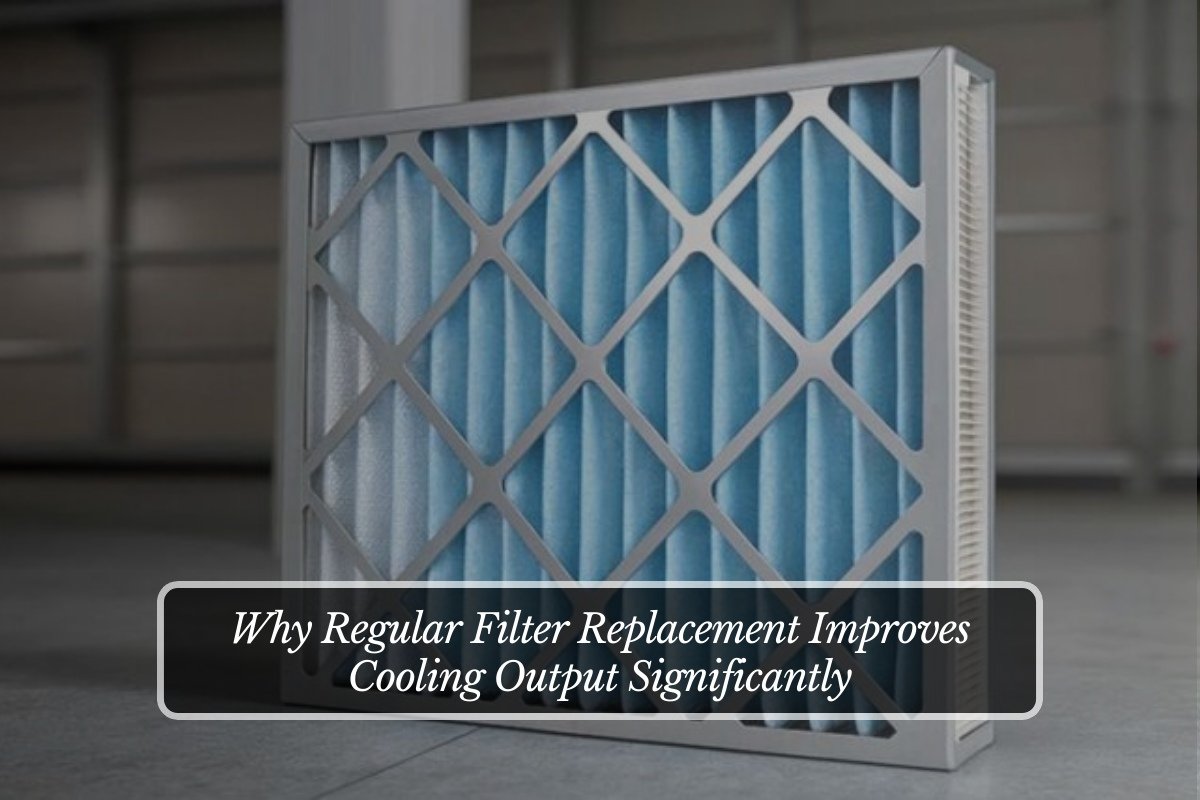
Investments recoup via 12-14% productivity lifts equaling $1,000s saved per employee yearly. Maintenance schedules prevent breakdowns—filter changes monthly, annual servicing. Smart systems cut bills 20-30% via auto-optimization. Case: Firms with reliable AC see 82% higher retention amid heat waves.
Challenges and Solutions
High upfront costs? Lease options or rebates (IRA incentives). Uneven cooling? Zoned VRF. Overcooling complaints? User feedback apps adjust setpoints.
Efficient cooling transforms workplaces from draining to dynamic, proving comfort as a profit driver.
FAQs
1. Optimal office temp?
68-74°F; 72°F peaks cognition/productivity.
2. Heat impact on output?
14% drop above 77°F; cooling reverses fully.
3. Energy savings?
Smart systems cut 15-30% via zoning/sensors.
4. Health benefits?
Fewer sick days (20% less), better focus.