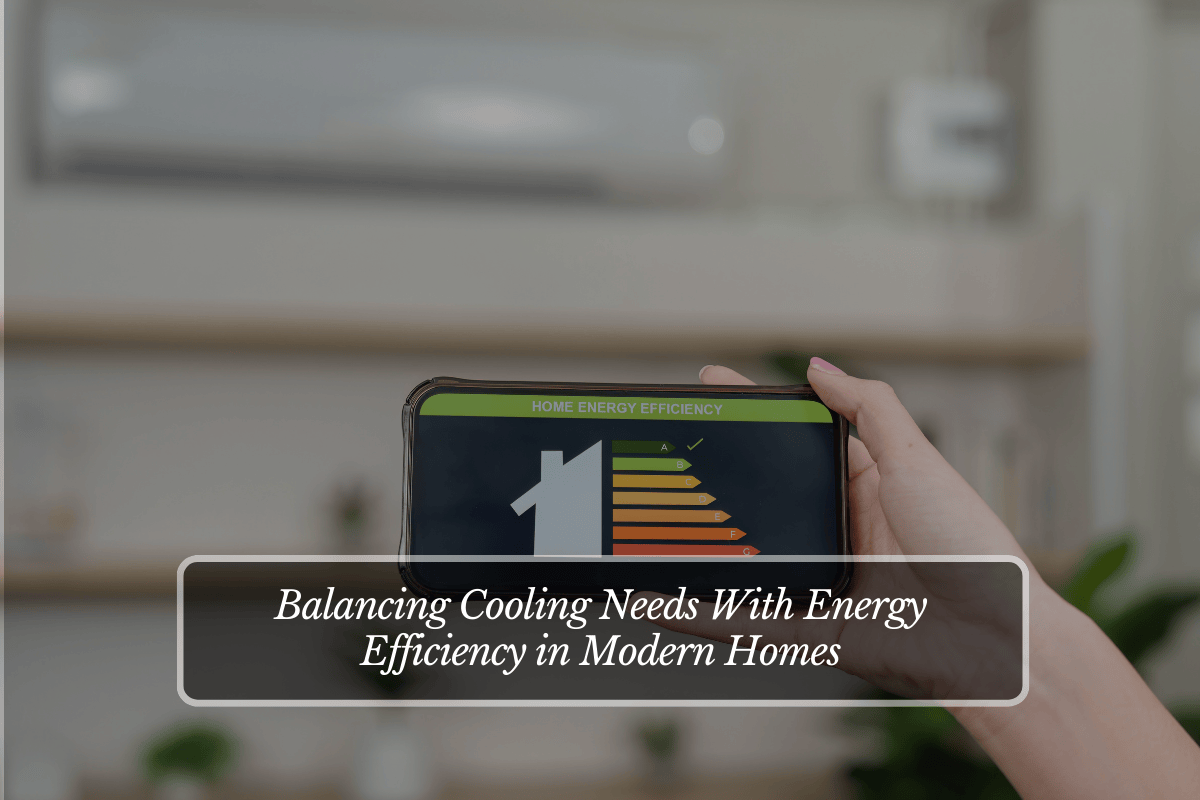
Balancing cooling needs with energy efficiency in modern homes ensures comfort without skyrocketing utility bills or environmental impact. Advances in HVAC technology, smart controls, and passive design make it possible to stay cool using 30-50% less energy than traditional systems.
High-Efficiency HVAC Systems
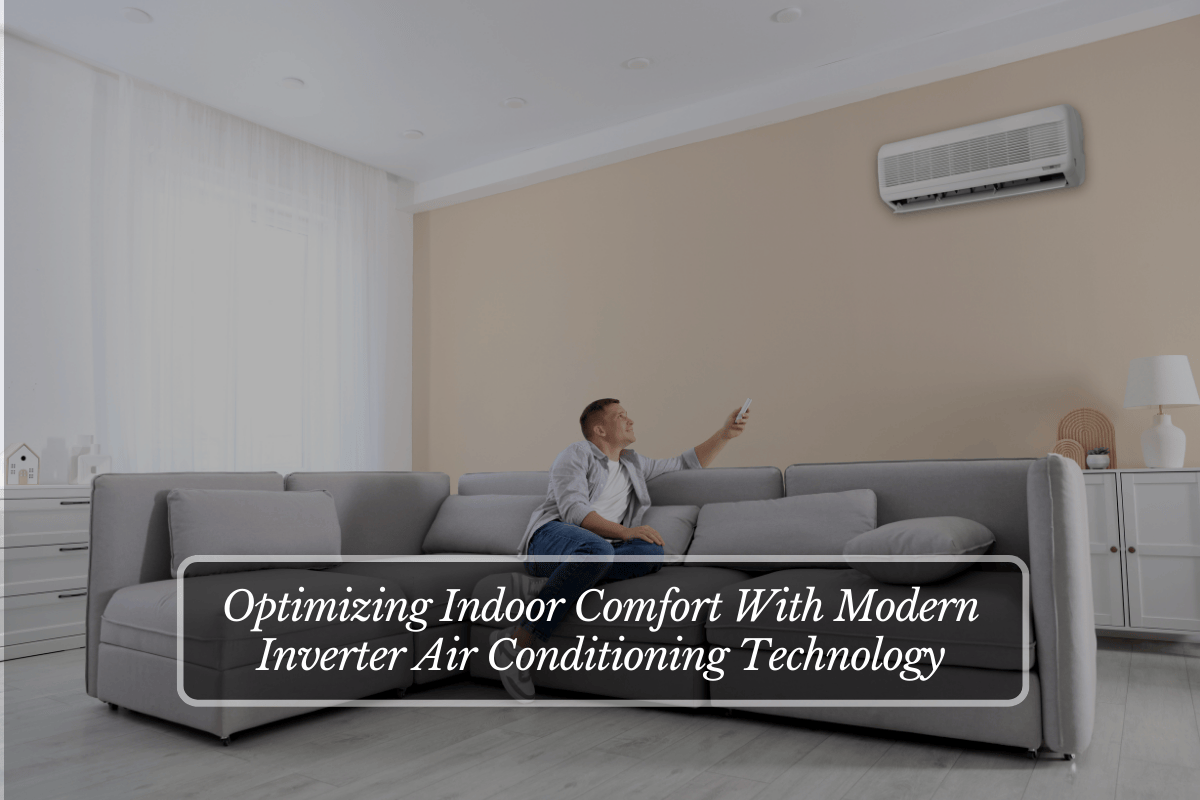
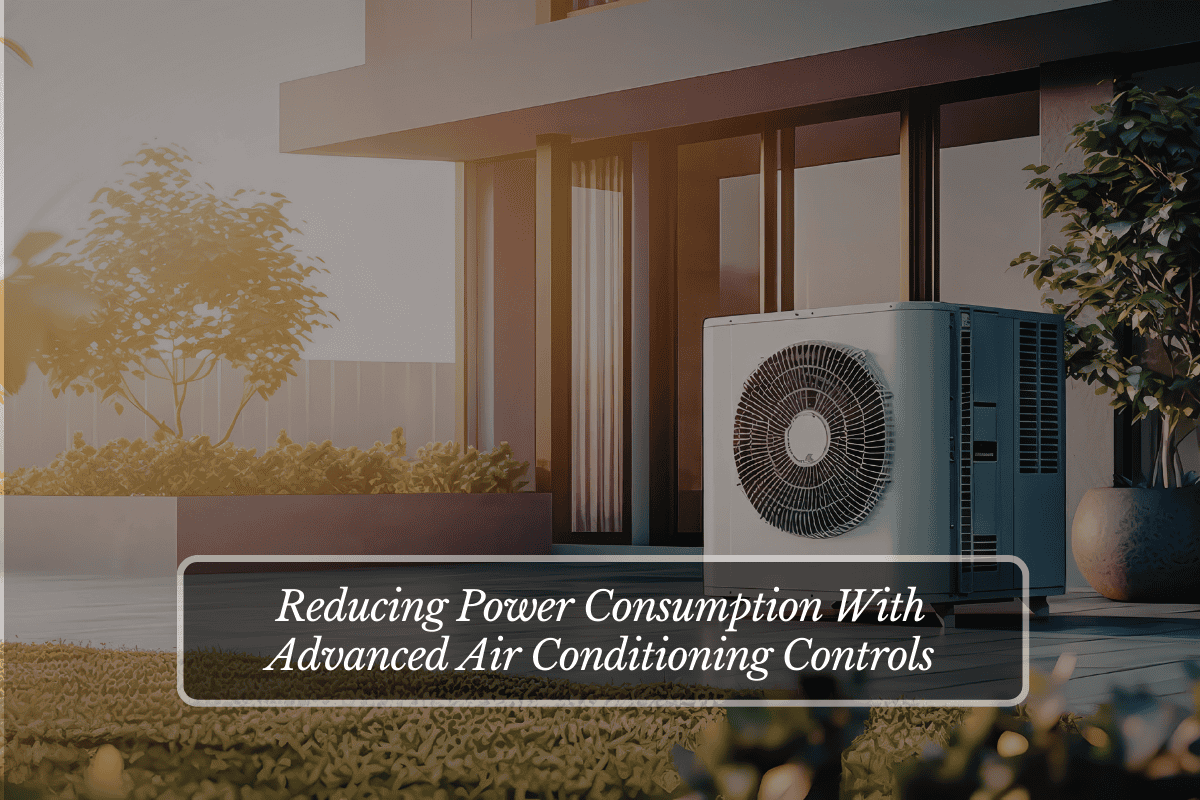
Variable-speed compressors and inverter technology adjust output to match demand, avoiding wasteful full-power cycles. These units achieve SEER ratings of 20+, running quietly at low speeds to maintain steady temperatures while cutting electricity use by up to 50%.
Heat pumps serve dual duty—cooling in summer, heating in winter—outperforming standard ACs in mild climates. Ductless mini-splits zone cooling to occupied rooms, eliminating duct losses that waste 20-30% of energy in central systems.
Smart Thermostats and Automation
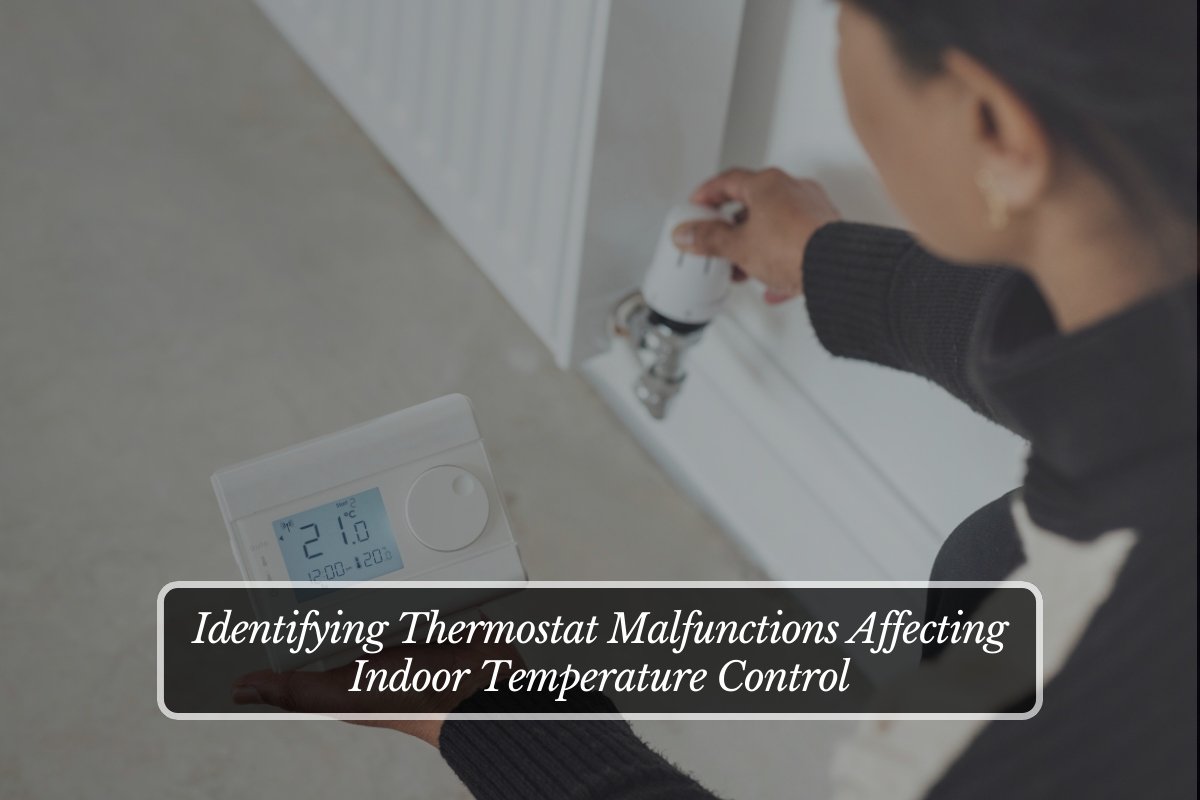
Wi-Fi-enabled devices like Nest or Ecobee learn habits, creating schedules that ramp down when away and pre-cool via geofencing. Occupancy sensors and AI optimize humidity alongside temperature, saving 10-15% on bills through precise control.
Integrate with home ecosystems for voice commands or app adjustments, ensuring efficiency without sacrificing convenience. Programmable setbacks—raising temps 7-10°F when unoccupied—yield big savings without discomfort.
Passive Cooling Strategies
Strategic design trumps tech alone: high R-value insulation, low-E windows, and overhang shading block solar gain, reducing cooling loads by 25%. Ceiling fans allow 4°F higher settings while feeling equally cool, slashing AC runtime.
Plant deciduous trees or install reflective roofs to lower ambient heat. Cross-ventilation via operable windows at night flushes hot air, ideal for moderate climates.
Supplemental Low-Energy Options
Evaporative coolers suit dry regions, using 60-80% less power by passing air over water—hybrid models add refrigeration coils for humidity control. Portable units or whole-home fans provide spot cooling without full-system activation.
Dehumidifiers target moisture directly, easing AC burden in muggy areas. ENERGY STAR-rated appliances ensure every component pulls its weight.
Maintenance for Peak Performance
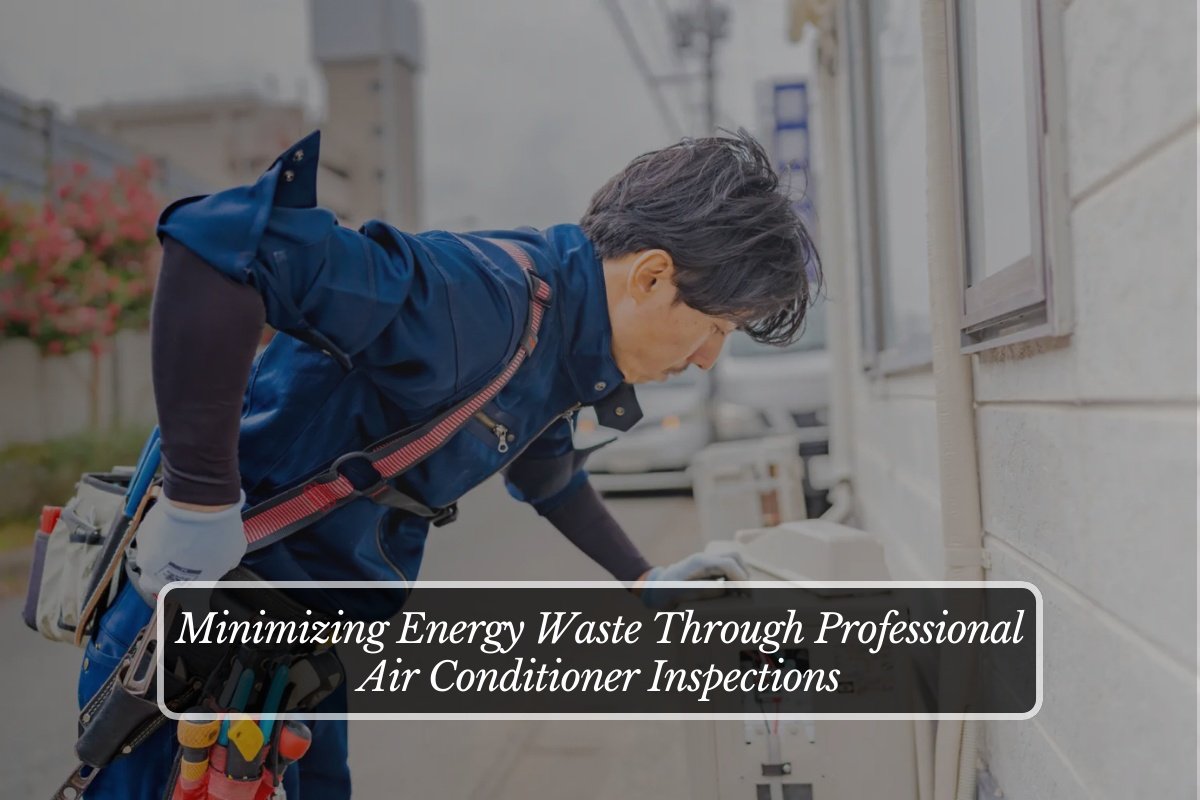
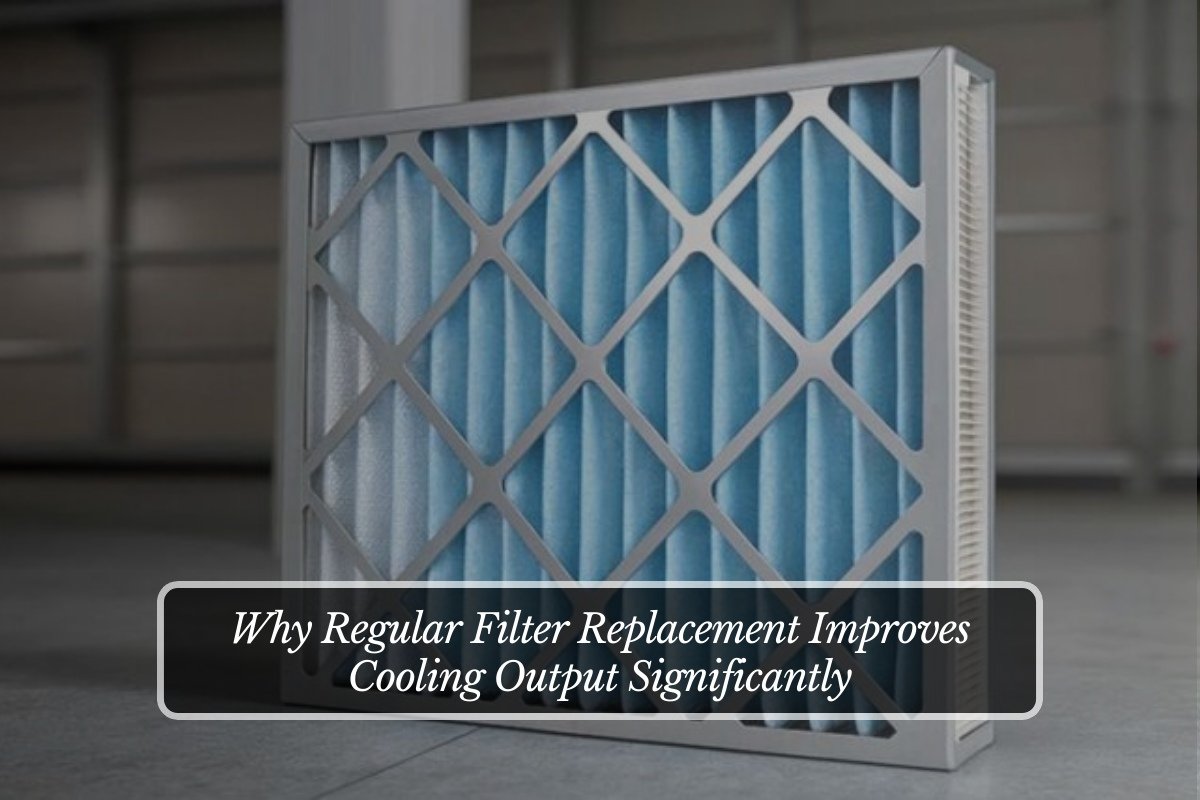
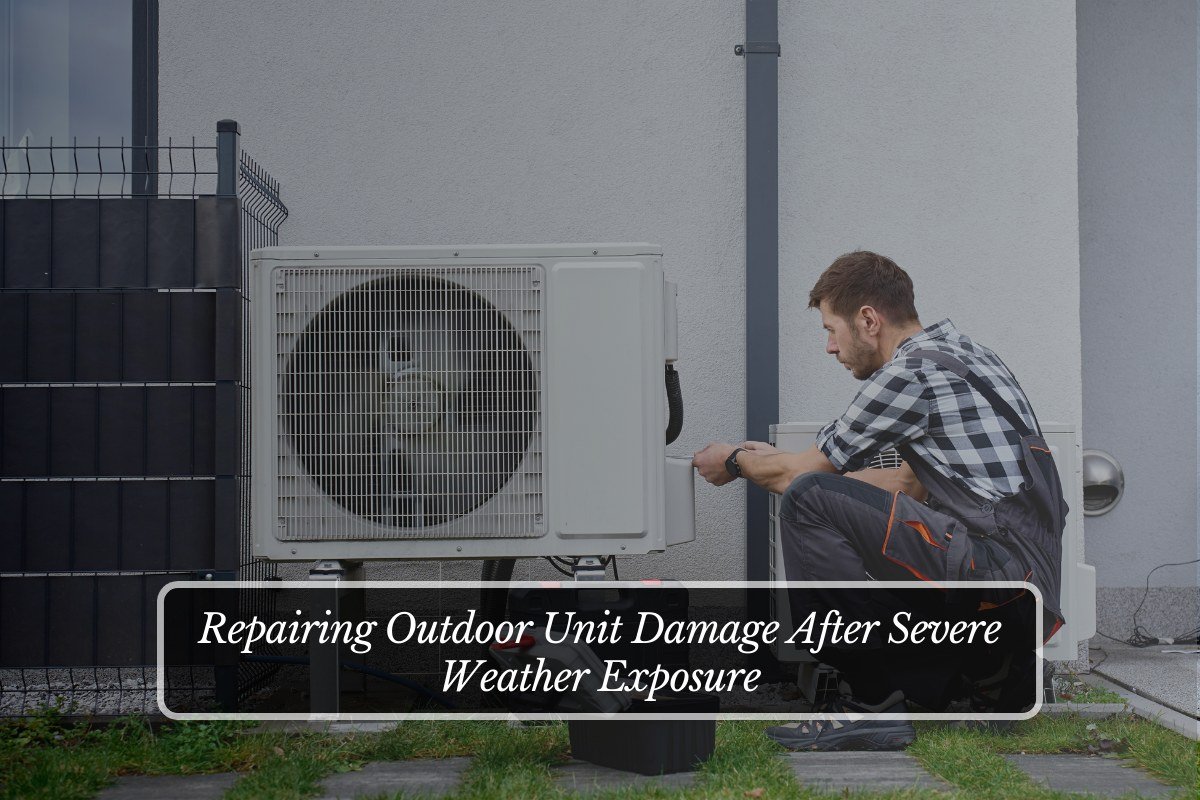
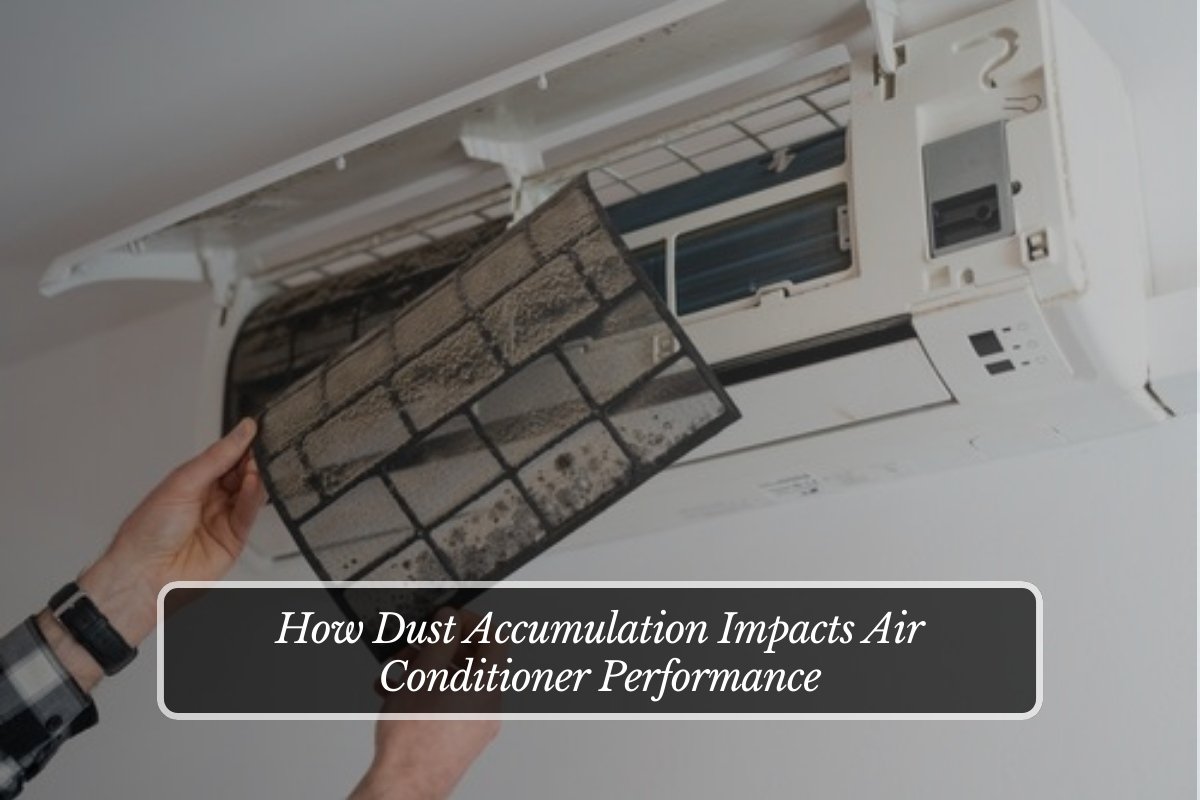
Annual filter changes, coil cleaning, and refrigerant checks maintain efficiency—dirty systems lose 5-15% performance. Programmable seals on ducts fix leaks, a common hidden drain.
Seal gaps around windows/doors with weatherstripping; attic ventilation prevents heat buildup.
Cost Savings and ROI
Upfront investments recoup in 3-7 years: a 20 SEER heat pump saves $500+ annually versus 10 SEER relics. Rebates via ENERGY STAR or Inflation Reduction Act offset 30% of costs. Long-term: fewer breakdowns extend lifespans 10-20 years.
FAQs
1. Best system for hot/humid climates?
Heat pumps with dehumidifiers; variable-speed for steady moisture control.
2. Fans vs. AC savings?
Fans let you raise thermostat 4°F, saving 3-5% per degree—stack with smart schedules.
3. Mini-splits worth it?
Yes for additions/zoning—30-40% efficiency gains, no duct losses.
4. Smart thermostat payback?
1-2 years via 10-15% bill cuts; geofencing adds extra automation wins.
5. Passive design retrofits?
Window films, shades, insulation—quick 10-20% load drops, low cost.