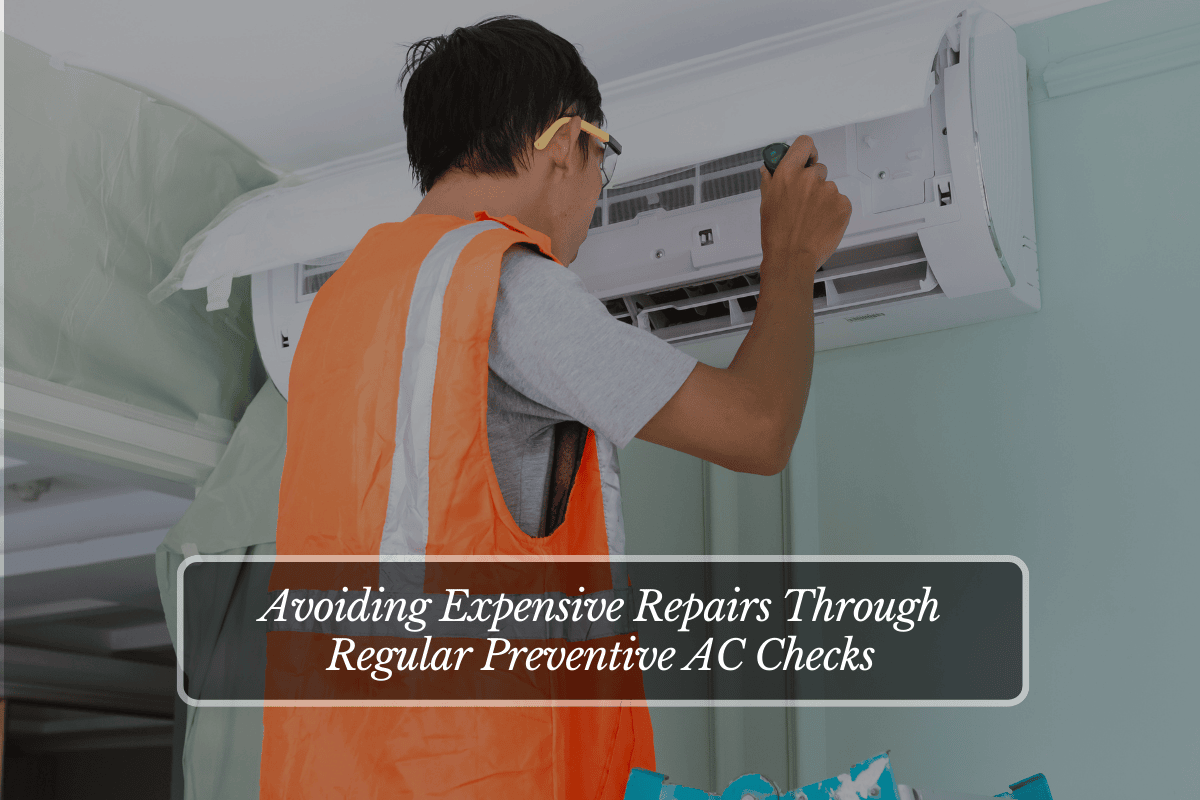
Skipping HVAC maintenance drives up long-term repair costs in U.S. homes and facilities by allowing small issues to compound into major failures, inflating energy bills, and shortening system lifespans. Preventive care costs $150-300 annually but averts $1,500+ emergencies, yielding 3-5x ROI per industry data.
The Compounding Effect
Neglected dirt on coils cuts airflow 10-46%, forcing compressors to overwork and fail prematurely—lifespans drop from 15-20 years to 10. Refrigerant leaks go undetected, hiking energy use 25-30%; DOE notes 5-20% annual savings from routine checks alone. A single skipped tune-up risks $2K compressor swaps vs. $200 early fixes.
Energy Waste Snowballs
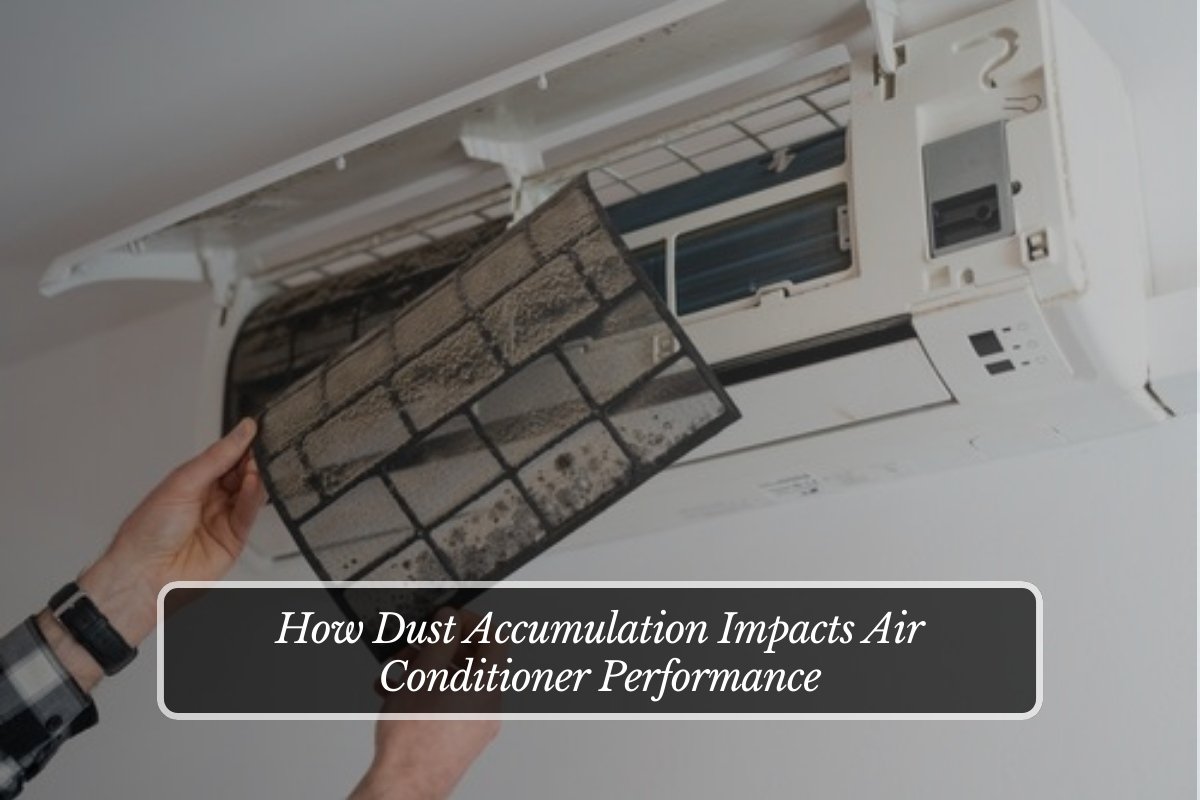
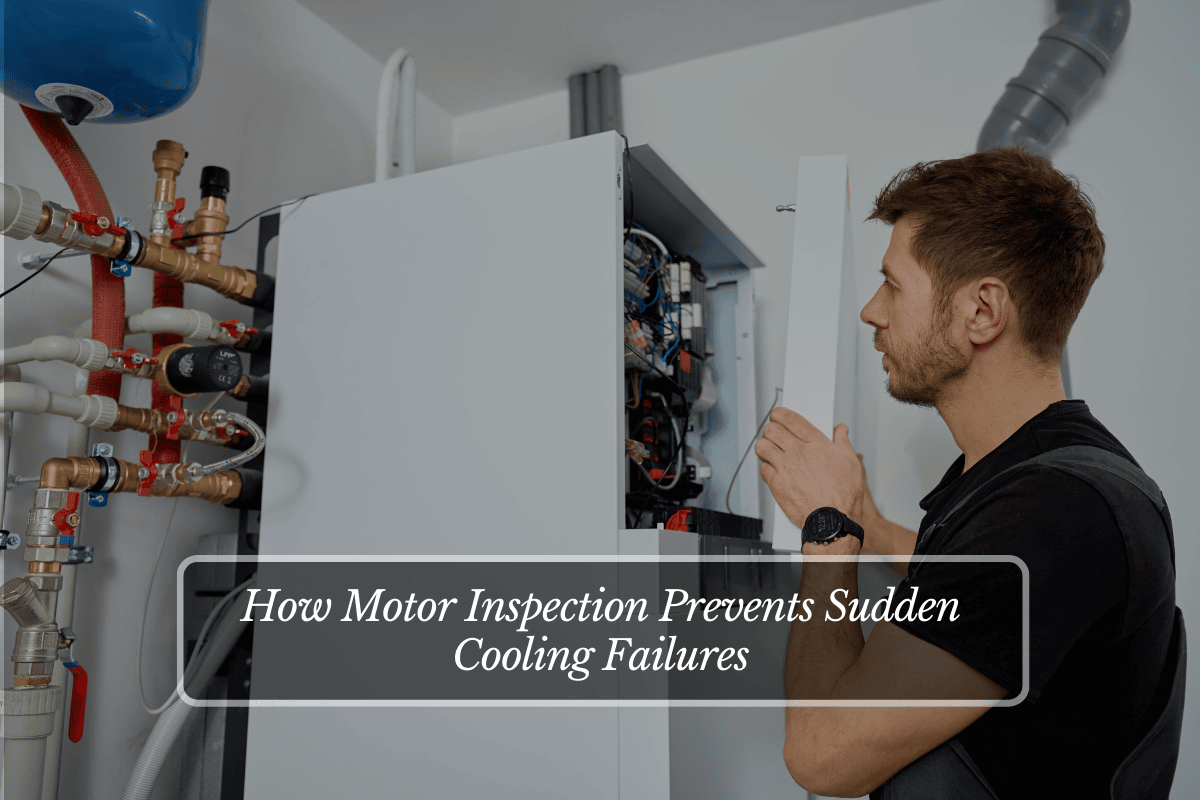
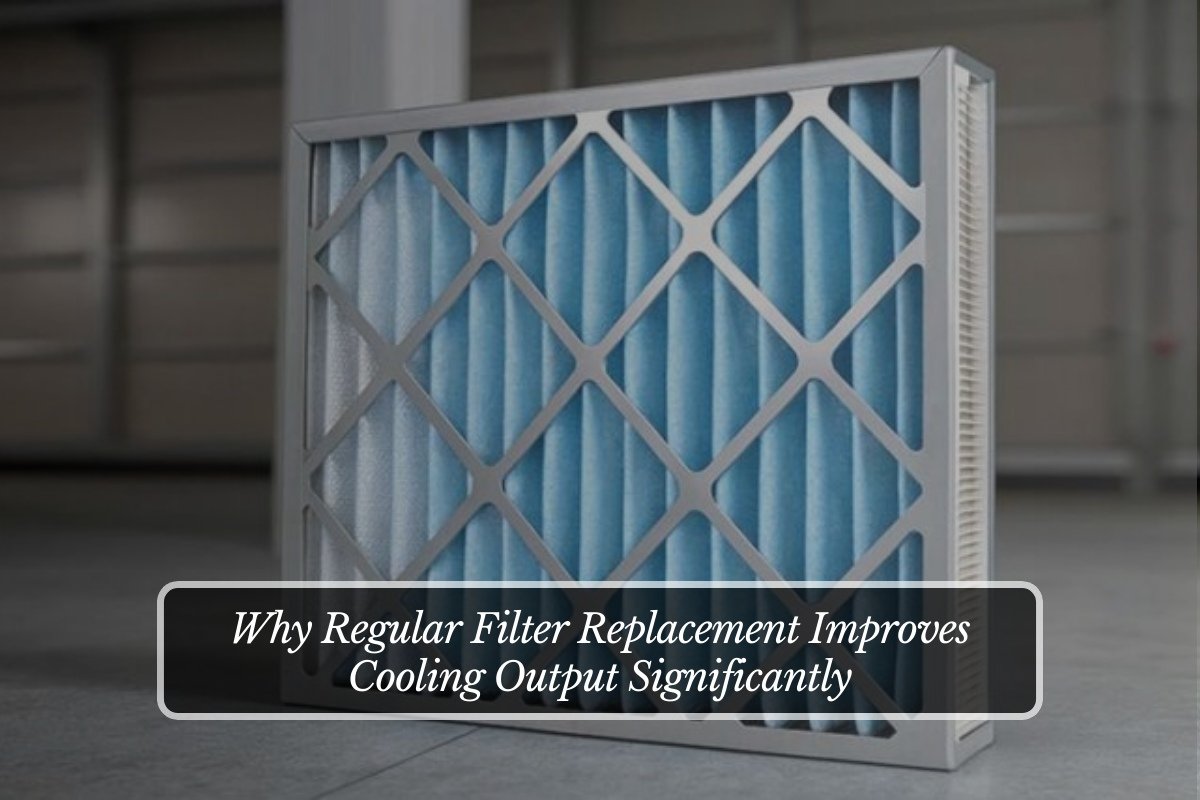
Dirty filters strain blowers, adding 15-25% to bills—EPA ties regular changes to 5-15% cuts, or $100+/year per household. Unbalanced fans vibrate loose parts; unchecked, this escalates to $500 motor replacements. Studies show reactive maintenance totals 50% higher over equipment life.
Common Failure Cascades
- Coils Clog: Reduces efficiency 15%, leads to freezing and $1K+ evaporator repairs.
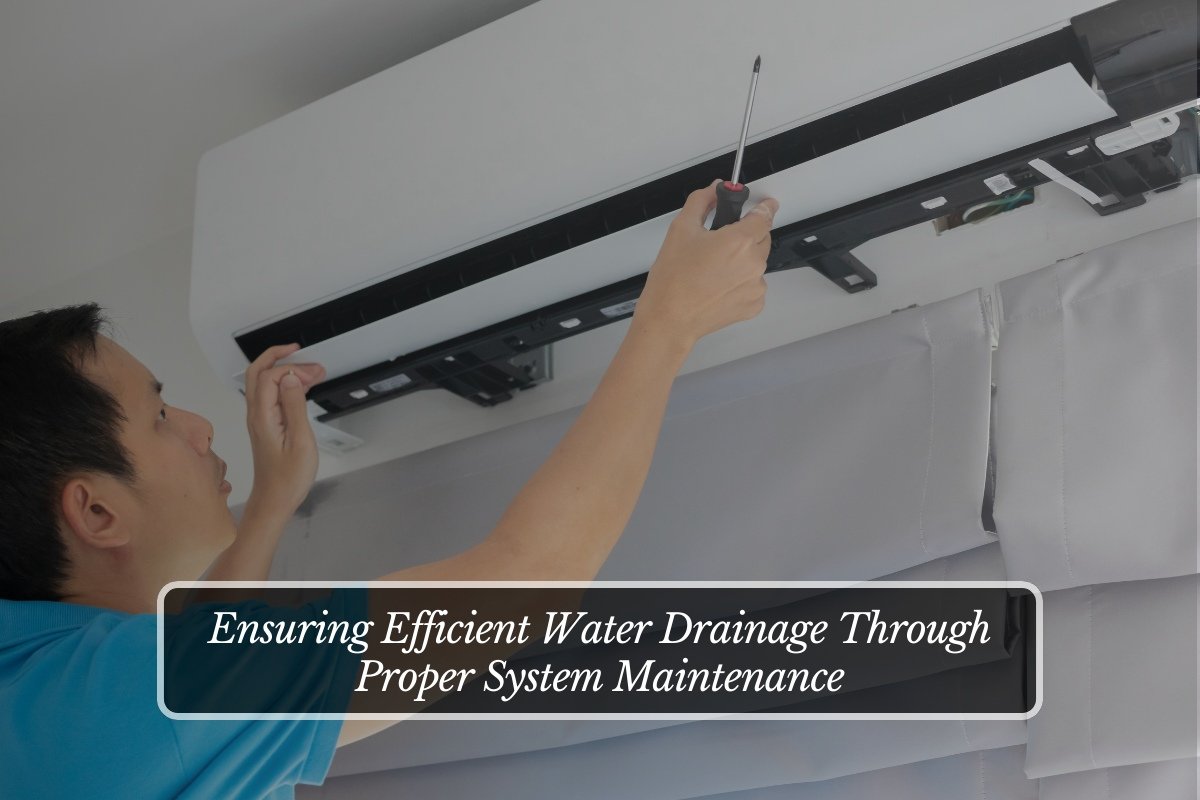
- Drains Block: Water damage hits electricals ($800 fixes); mold adds IAQ remediation.
- Belts/ Caps Fail: From friction, causing $300-600 part swaps yearly if ignored.
- Duct Leaks: Waste 20-30% cooled air; sealing during service prevents $400 audits later.
| Neglect Period | Efficiency Loss | Typical Repair Cost | Cumulative 5-Year Hit |
|---|---|---|---|
| 1 Year | 5-15% | $200-500 | $1,000+ energy |
| 3 Years | 20-30% | $1,000-2K | $5K total |
| 5+ Years | 40%+ | $3K-7K replace | $15K+ |
Real-World U.S. Data
In 7,700-home studies, filter programs slashed service tickets 38% and costs 79% in high-use cities. Homeowners skipping plans face 40% more emergencies; one case avoided $7K replacement via $2,250 maintenance over 15 years. Facilities see 50% lower totals with preventive schedules.
Hidden Costs Mount
Downtime in Texas summers means hotel stays ($200/night) or lost productivity in offices. Poor IAQ spikes sick days 20%; allergies rise 30% from mold. Resale drops 5% without logs; insurers hike premiums for unmaintained units.
Why Reactive Fixes Fail
Emergency calls average $300-500 + parts, vs. $150 plans covering multiples. NIST: improper upkeep adds 30% energy waste baseline. Overworked systems degrade faster—compressor failures triple without seasonal refrigerant tops.
ROI of Prevention
Every $1 in maintenance saves $3-5 in repairs; energy payback equals fees in year one for $1,800 bills. Plans extend life 5+ years, dodging $7K-12K replacements. Quarterly facility checks yield 31-50% cost drops.
U.S. Regional Pressures
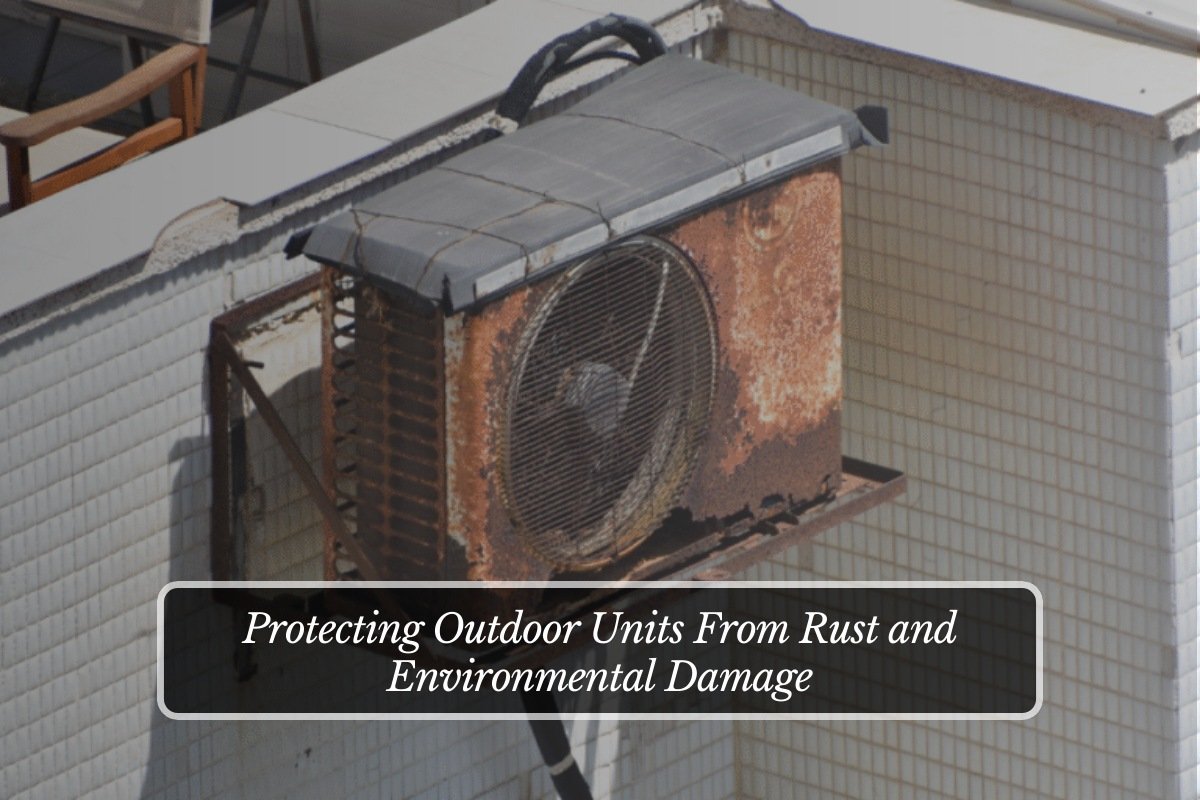
Southern humidity accelerates drain clogs ($800 fixes); dusty Southwest strains filters 2x faster. Northern freeze-thaw cycles crack coils absent fall preps. IRA rebates cover 30% smart upgrades post-service.
Breaking the Cycle
Log services for warranties (most require annual proof). Apps remind seasonally; bundle with filter subs ($10/month). Early diagnostics via pros catch 80% issues cheaply. Facilities use CMMS for compliance, avoiding $10K+ audits.
Skipping maintenance trades pennies for dollars, turning reliable cooling into a money pit across America’s homes and venues.
FAQ
Q. How much do skipped tune-ups cost yearly?
$100-200 extra energy + $500+ repairs; 50% higher totals long-term.
Q. What fails first without maintenance?
Coils clog (15% efficiency drop), then compressors ($2K).
Q. Energy bill impact of neglect?
15-30% higher; filter changes alone save 5-15%.
Q. Preventive plan ROI timeline?
Pays back in 1-2 years via avoided fixes/replacements.
Q. Facilities: quarterly vs. annual?
Quarterly cuts costs 31-50%; essential for high-use.