Routine maintenance empowers homeowners to extend HVAC lifespan, cut energy bills by 10-15%, and avoid $1,000+ emergency repairs. Simple steps like filter changes and coil cleaning ensure peak efficiency, especially in hot U.S. climates from Florida to California.
Monthly Filter Checks
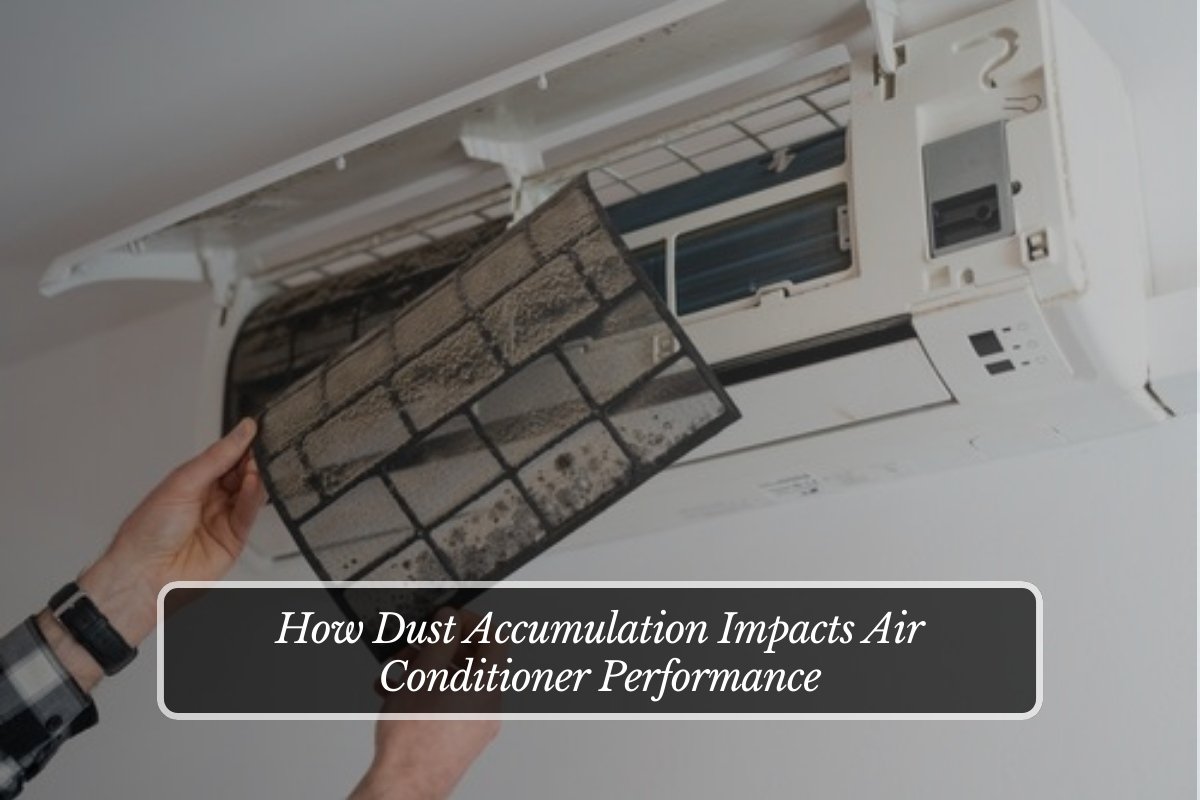
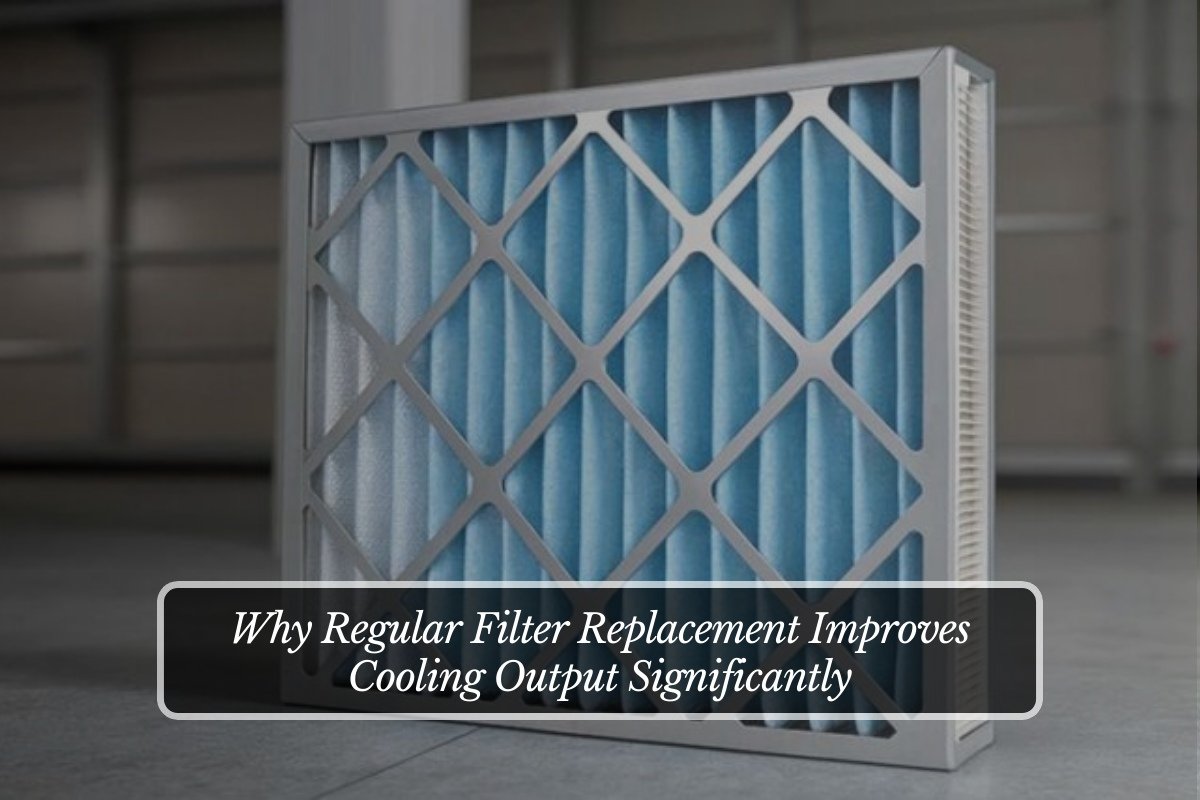
Inspect and replace air filters every 1-3 months—dirty ones restrict airflow, dropping efficiency 15% and straining motors. Locate the filter near your indoor unit or return vent; opt for MERV 8-13 ratings for balanced filtration without pressure drops. Vacuum reusable foam types or swap pleated disposables, noting usage spikes during pollen season for allergy relief.
Seasonal Coil Cleaning
Twice yearly, gently clean evaporator coils indoors with a soft brush or no-rinse foam cleaner, removing dust that cuts cooling 20-30%. For outdoor condenser coils, hose off debris after powering off at the breaker—avoid high pressure to prevent fin damage. Straighten bent fins with a $10 comb tool, restoring heat exchange for lower runtime.
Condensate Drain Clearing
Prevent water damage by flushing drain lines quarterly with a vinegar-water mix via the outdoor access tee, dissolving algae clogs that flood basements. Install overflow switches as backups; check during humid months when buildup accelerates. This 5-minute task averts $500 mold remediation in slab homes.
Thermostat and Vent Maintenance
Calibrate thermostats by comparing to a separate thermometer—adjust 1-2°F offsets for accuracy, enabling programmable savings of 10% via 7-10 PM setbacks. Keep supply vents clear of rugs and returns dust-free with monthly wiping; seal gaps with foam tape to boost airflow 20%. Smart models like Ecobee learn patterns, optimizing for your lifestyle.
Outdoor Unit Care
Clear 2-foot radius around condensers of leaves and shrubs yearly, ensuring unrestricted airflow that prevents 15% efficiency loss. Level units on stable pads to avoid oil starvation in compressors; check for rust or vibration during spring startups. Test fans by “kick-starting” blades manually post-winter for smooth operation.
Lubrication and Electrical Checks
Oil fan motors per manufacturer specs (often annually)—use SAE 10 non-detergent drops on ports until resistance felt. Visually inspect wiring for frays or corrosion; tighten loose connections with insulated screwdriver if comfortable, but call pros for capacitors humming or bulging. These steps slash electrical faults 50%.
Blower and Duct Inspection
Annually vacuum blower wheels through access panels, balancing spin to cut noise and vibration. Feel for weak airflow signaling dirty ducts—seal joints with mastic for 20% savings, prioritizing attics. Rigid duct boots outperform flex in energy audits.
Pre-Season System Tests
Run full cycles early spring: measure 15-20°F temp splits across coils with a $15 probe thermometer, confirming proper cooling. Listen for rattles indicating loose panels; record static pressures if handy for baseline trends. Ties to your home projects: these habits sustain renovations through efficient climates.
Master these routines for reliable comfort, saving thousands while enhancing property value.
FAQs
1. How often change AC filters?
Monthly checks, replace every 1-3 months—dirty ones spike bills 15%.
2. Why clean condenser coils?
Removes debris blocking heat release, restoring 20-30% efficiency.
3. How to clear drain lines safely?
Flush with vinegar mix quarterly; add overflow switch vs. floods.
4. Signs needing pro inspection?
Humming capacitors, poor temp splits (<15°F), or rising bills.
5. Does sealing ducts save energy?
Yes—20% airflow gains, lower runtime in leaky systems.