Regular cleaning of air conditioners directly enhances cooling quality by removing dust, mold, and debris that hinder heat exchange and airflow. This maintenance restores peak performance, ensures even temperatures, and delivers fresher air, cutting energy waste and extending system life for US homes facing hot summers.
Evaporator and Condenser Coil Benefits
Dirty evaporator coils inside lose 20-30% efficiency as grime insulates against heat absorption from indoor air. Cleaning exposes fins fully, boosting delta-T (supply-return temp difference) to 15-20°F ideal, for faster, consistent cooling without hot spots.
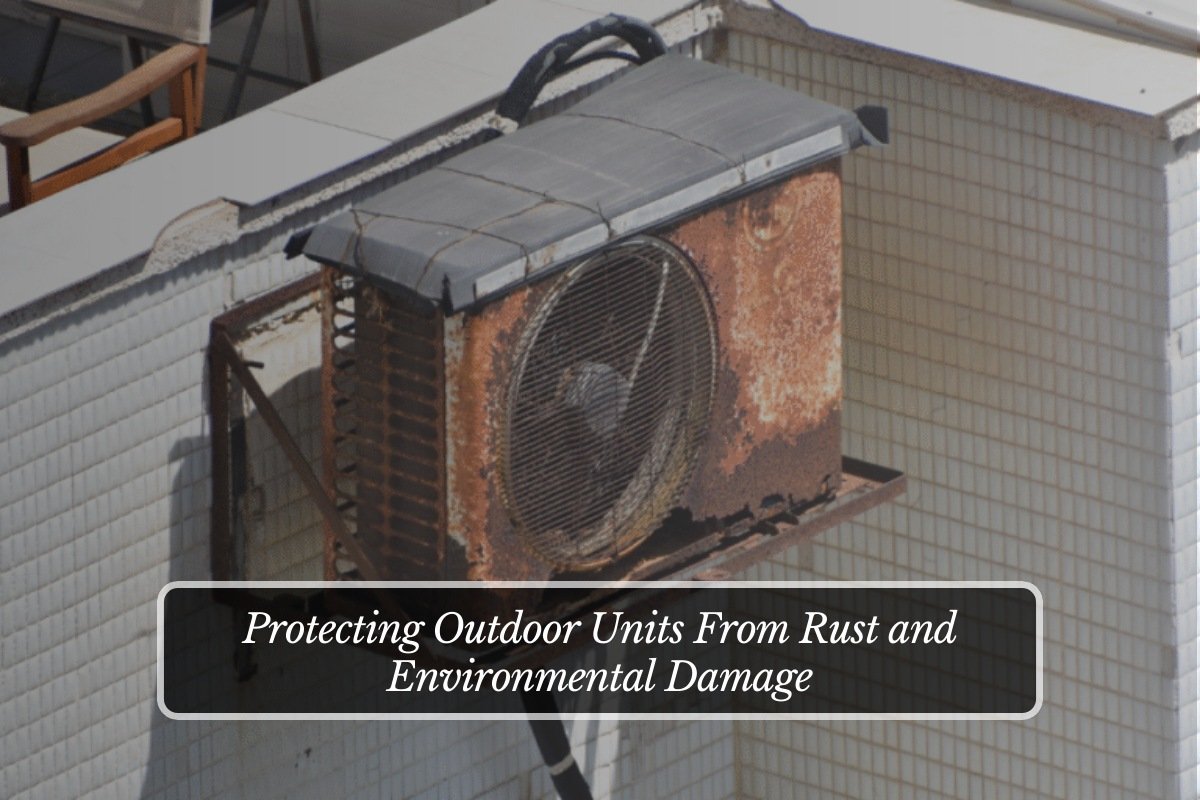
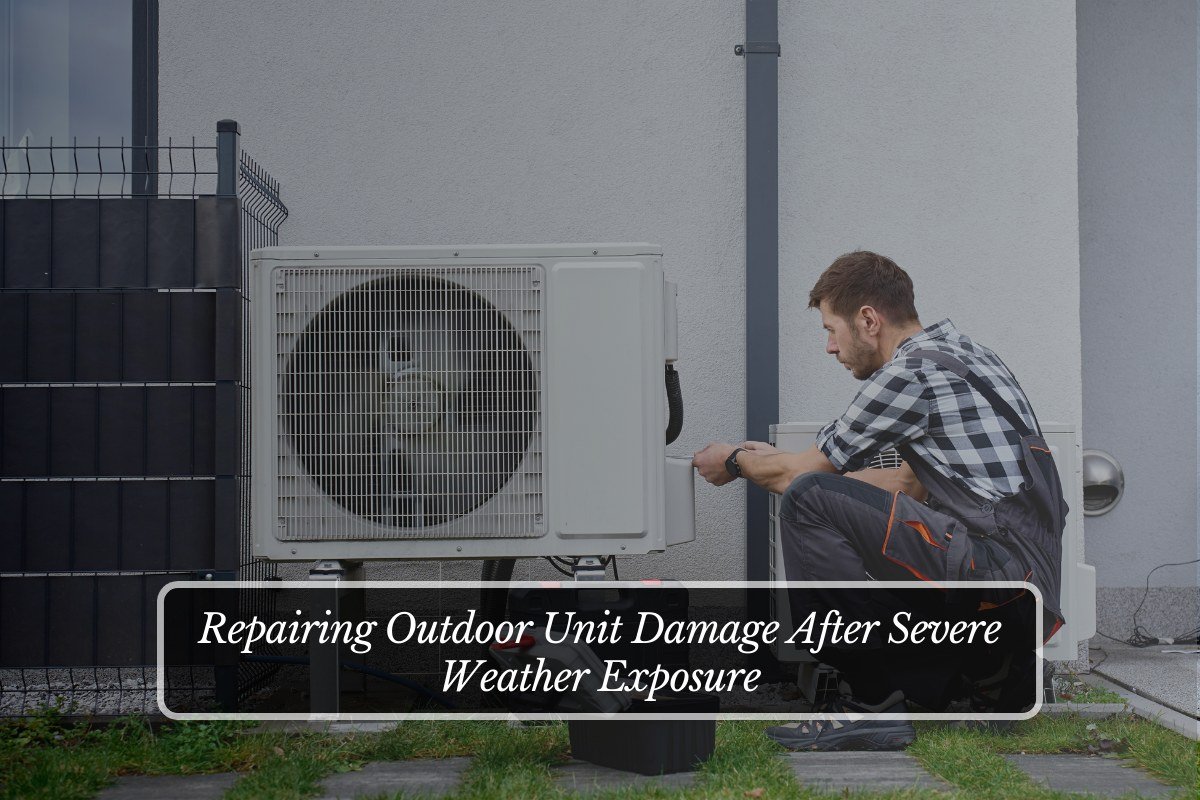
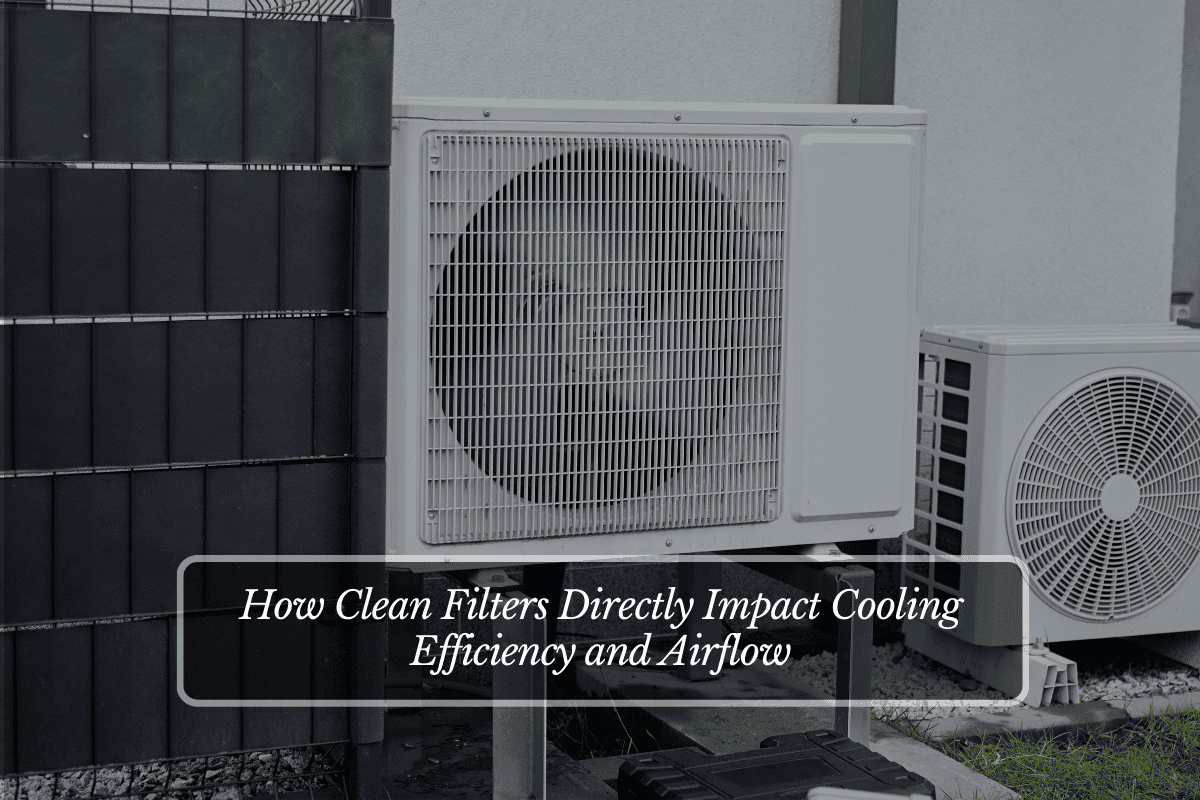
Outdoor condenser coils shed grass clippings and lint similarly; power washing restores condenser efficiency, letting refrigerant release heat effectively. Clean coils prevent freezing—low airflow drops temps below 32°F—halting operation until thawed.
Airflow and Distribution Improvements
Debris-clogged coils restrict air path, straining blowers and reducing CFM by 25-50%. Routine vacuuming/foaming clears blockages, balancing flow for uniform room cooling—crucial in multi-story homes or open plans.
Post-cleaning, systems dehumidify better (50-60% RH target), slashing muggy feels. Enhanced circulation reaches corners, avoiding stratification where ceilings stay warm.
Energy Efficiency Gains
Clean units run at design SEER (14-20+), cycling shorter with 10-30% less kWh—saving $100-200/year on 3-ton systems. Dirty coils force compressors into overdrive, spiking amps and wear.
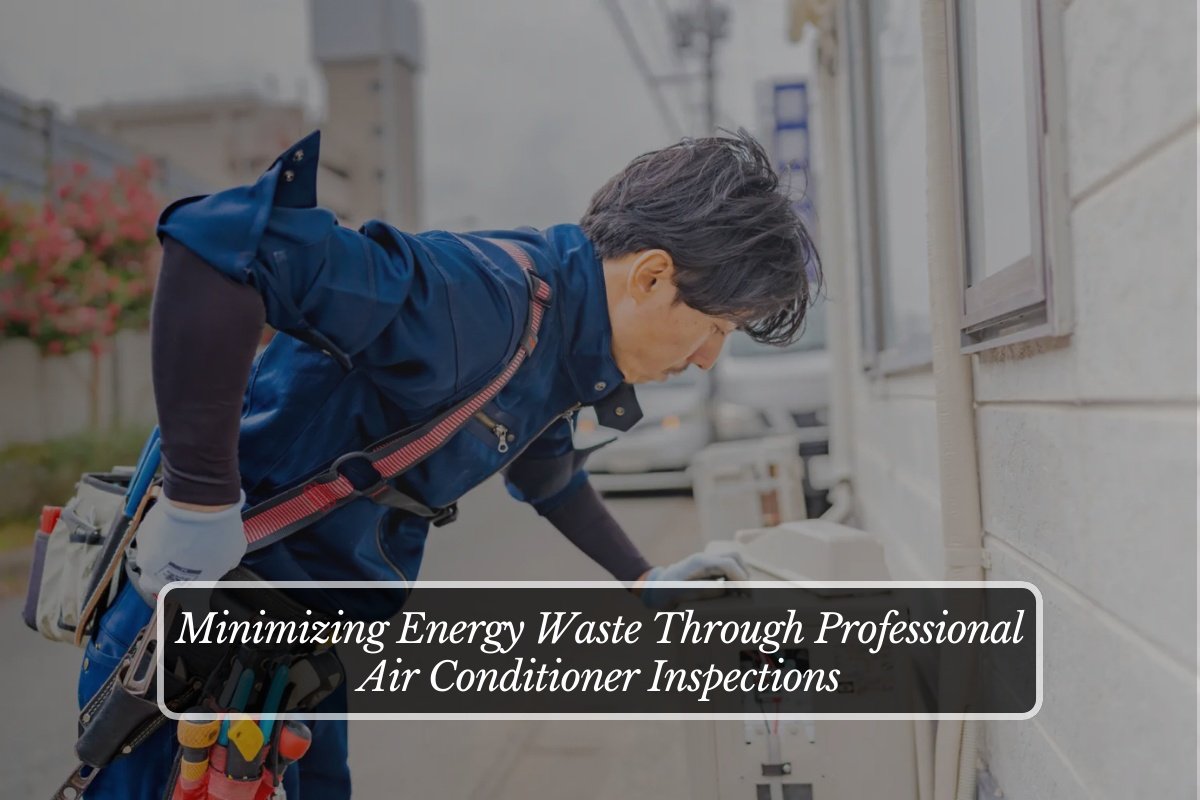
EPA notes maintenance yields 5-15% savings; pros measure via gauges confirming subcool/superheat post-clean for optimal charge.
Indoor Air Quality Boost
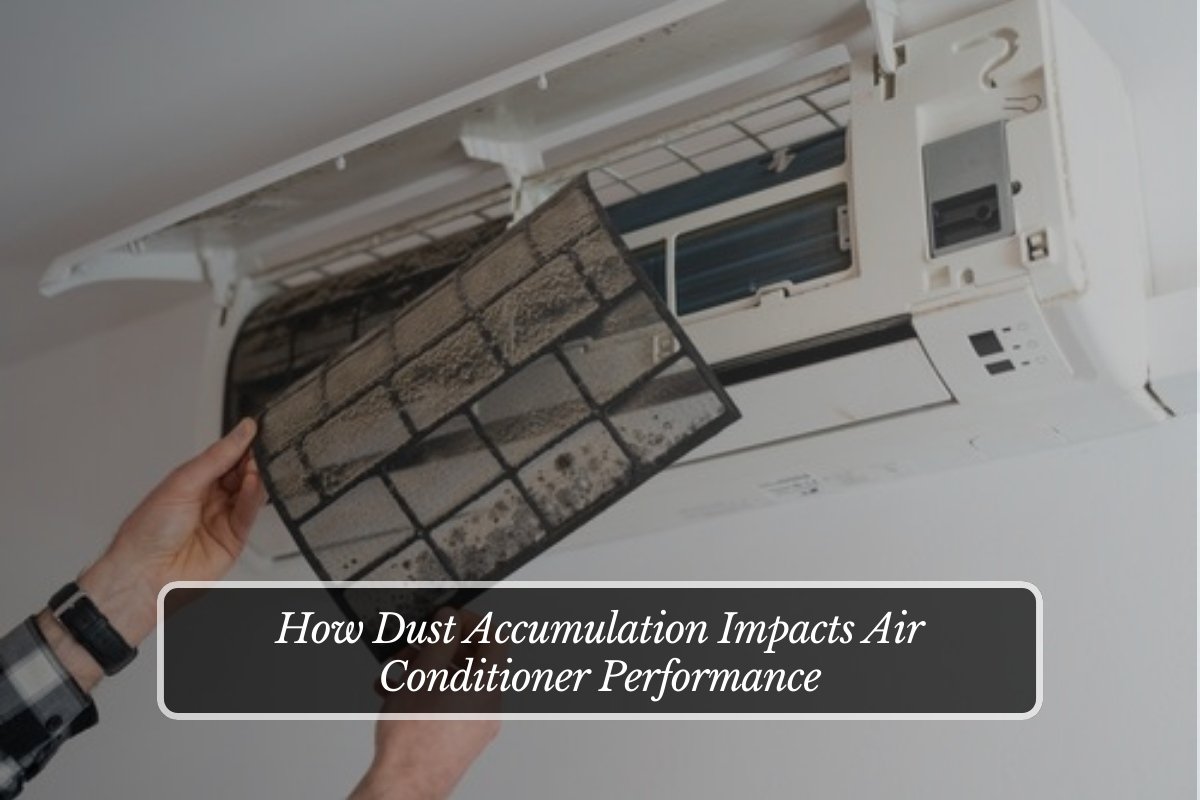
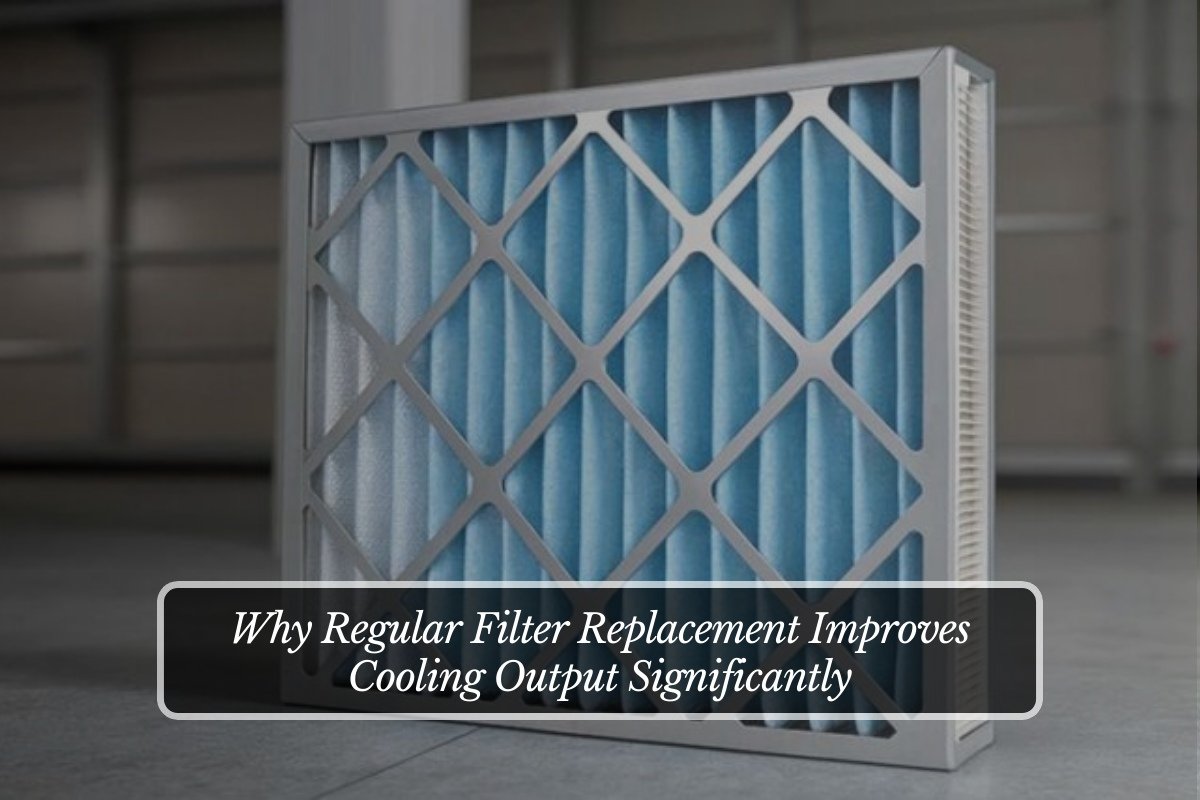
Grime harbors mold/bacteria, recirculating allergens—cleaning kills 99% microbes via coils/fans. Filters pair with clean coils to trap 90% particles, reducing odors and sinus issues.
Health win: fewer asthma triggers, fresher post-clean smell. UV lights or anti-microbial coatings amplify during service.
Maintenance Schedule and Methods
DIY monthly: vacuum coils gently, hose condensers (power off). Pros annually (spring) use foaming cleaners—no-rinse formulas dissolve 1/16-inch buildup safely.
Signs needing clean: weak airflow, ice, 5°F+ temp rise, surging bills. High-dust areas (pets, traffic) need quarterly. Variable-speed units tolerate dirt better but still gain 10% from service.
Component-Specific Cleaning
Fans/blowers: wipe blades for balance, cutting vibration/noise. Drains: flush with bleach solution prevents clogs/mold. Ducts optional every 3-5 years for max quality.
Post-clean test: run 15 mins, check vents (strong/equal), thermostat swings (<2°F). Log dates for warranty proof.
Long-Term System Health
Regular care extends life 5-10 years (15-20 total), avoids $500-2000 compressor swaps. Even cooling prevents zoning issues; ROI hits season one via comfort/savings.
Green bonus: lower grid strain, aligns with Energy Star rebates for tuned units.
FAQs
Q. How much efficiency gain from coil cleaning?
20-30%; restores heat transfer, cuts run times.
Q. Frequency for best cooling?
Annual pro spring clean; monthly DIY vacuum high-use homes.
Q. Signs poor cooling from dirt?
Ice on coils, weak air, uneven temps, high bills.
Q. Does it improve air quality?
Yes—removes mold/allergens, fresher post-clean flow.
Q. Energy savings realistic?
10-30% ($100-200/year); shorter cycles, optimal refrigerant.