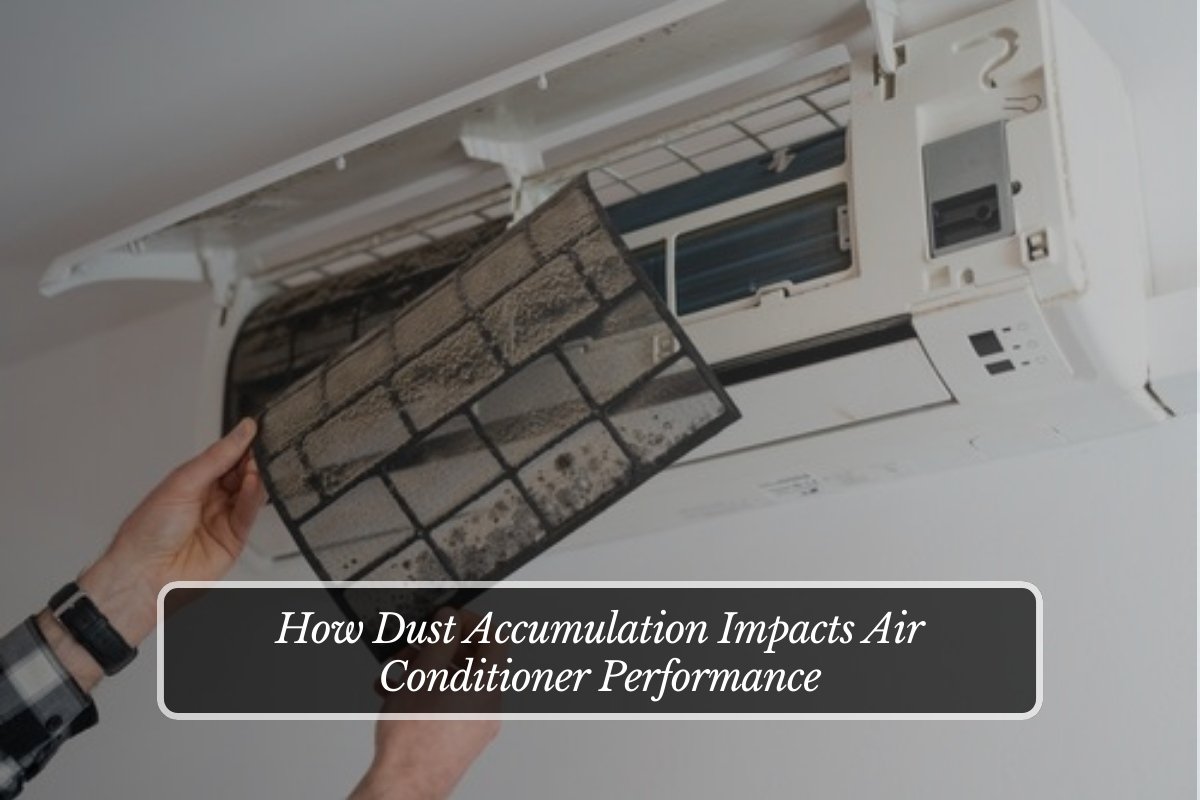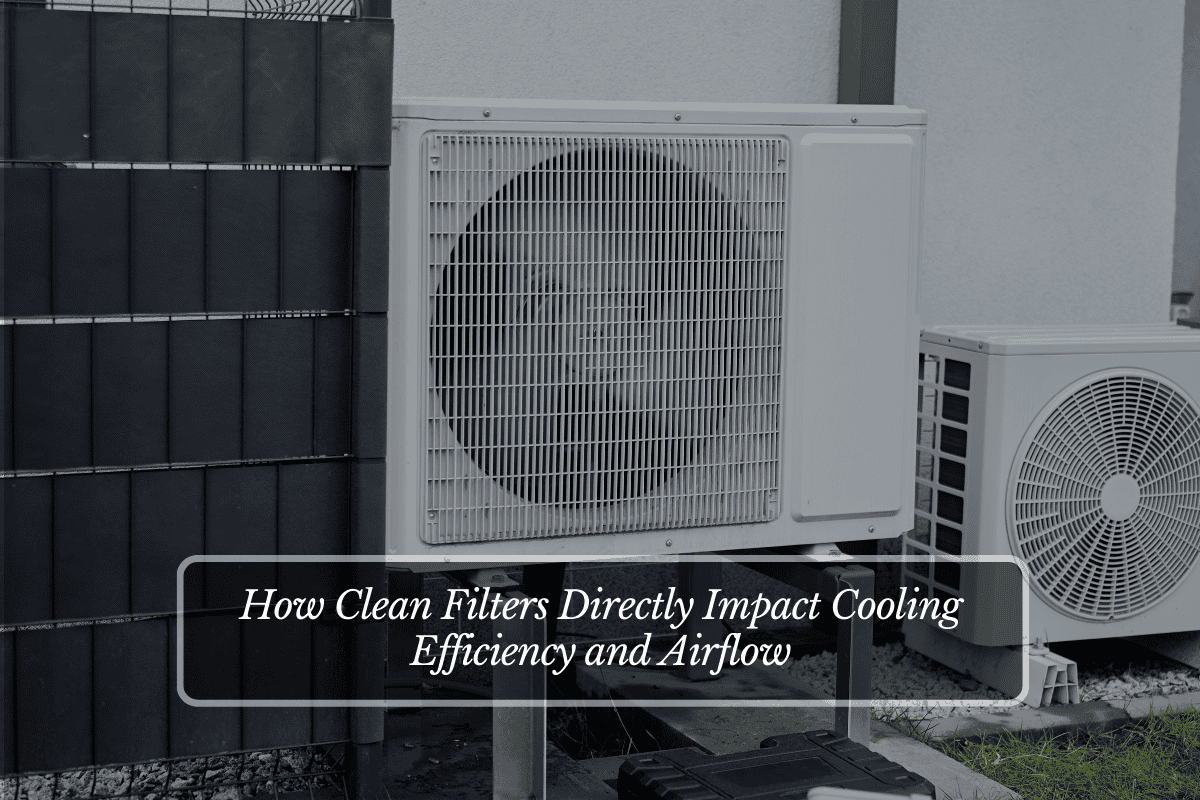
Clean air filters are essential for optimal HVAC performance, directly enhancing cooling efficiency by ensuring unrestricted airflow and proper heat exchange. Dirty filters restrict air movement, forcing systems to overwork, spike energy use by up to 15%, and risk breakdowns like frozen coils.
How Filters Affect Airflow
Air filters capture dust, pollen, and debris, but as they clog, resistance (static pressure) rises, choking the blower fan’s ability to pull return air across evaporator coils. Clean filters maintain 300-700 CFM (cubic feet per minute) airflow, enabling even cooling distribution; dirty ones drop this by 20-50%, creating hot spots and uneven temps.
This restriction overtaxes the motor, raising amps drawn and heat buildup—potentially shortening life by 20-30%. Proper flow also prevents coil icing, where low air velocity drops coil temps below freezing, halting cooling.
Boosting Cooling Efficiency
Unobstructed airflow maximizes delta-T (temp difference between return and supply air, ideally 15-20°F), letting refrigerant absorb/release heat effectively. Clean filters improve SEER ratings by 5-10%, as systems cycle less frequently and run at design capacity.
Energy savings compound: EPA estimates dirty filters add $150-300/year to bills for average homes. High-MERV (11-13) filters balance IAQ with flow if changed monthly in summer; pleated designs offer more surface area for less restriction.
Signs of Filter-Related Issues
Watch for weak airflow from vents, longer run times, or 2-5°F higher room temps. Whistling ducts signal high static pressure; surging bills or warm air confirm strain. Indoor humidity rises too, as reduced flow hampers dehumidification.
Techs measure via manometer: clean systems hold <0.5″ WC static; over 0.8″ demands filter swap. Coils fouled by bypass dust cut efficiency another 10-15%.
Filter Selection Guide
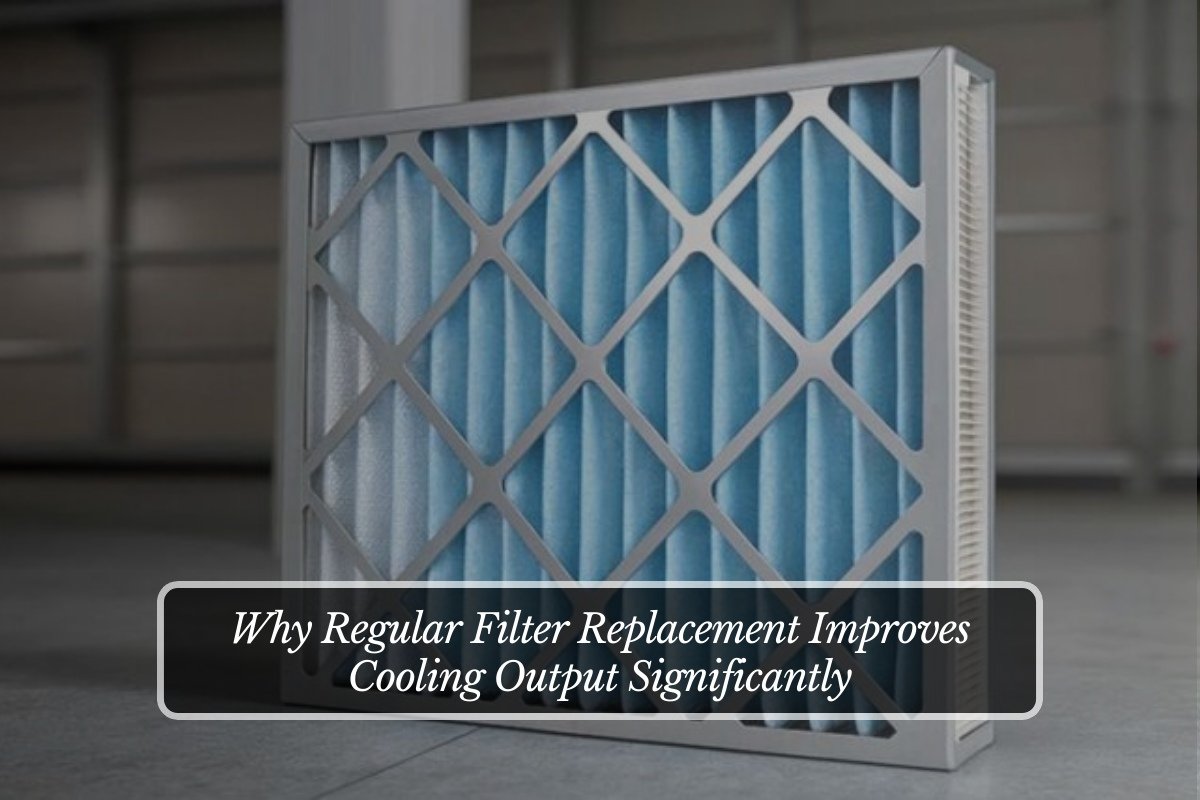
Match MERV to needs: 8 for pets/pollen, 11-13 for allergies (avoid 16+ residentially, as they choke blowers). Pleated fiberglass outperforms flat panels by 2x capacity; washable electrostatics suit low-dust homes but need monthly rinses.
Size precisely (e.g., 16x25x1); oversized gaps leak unfiltered air. HEPA edge filters for returns, but pair with pre-filters to protect flow.
Maintenance Best Practices
Check/replace monthly in peak seasons (90 days max); high-use homes (pets, traffic) need biweekly. Vacuum pleats gently; install returns in central spots for even draw. Smart thermostats alert via pressure sensors.
Annual pro tune-ups verify flow post-clean; upgrade to variable-speed blowers for 20% tolerance to minor restrictions. Track via app logs for patterns.
Long-Term System Benefits
Consistent clean filters extend compressor life 5-7 years, cut repairs 30%, and maintain warranties. IAQ improves—fewer allergens circulate—while even cooling prevents stratification (hot ceilings). ROI hits in one season via lower kWh.
Whole-home benefits: healthier lungs, consistent comfort year-round.
FAQs
Q. How much do dirty filters raise bills?
Up to 15% ($150-300/year); systems overwork due to restricted airflow.
Q. What MERV for best efficiency?
11-13 balances filtration/flow; higher chokes blowers in homes.
Q. Signs of airflow issues?
Weak vents, warm air, whistling, hot spots—check filter first.
Q. How often change filters?
Monthly summer, 90 days off-peak; biweekly high-dust homes.
Q. Do washable filters save money?
Yes, if rinsed monthly; still less capacity than disposables.