Common maintenance mistakes can drastically shorten an air conditioner’s lifespan from the typical 12-15 years to as little as 8-10 years, leading to costly repairs or early replacement. This US-focused article highlights key errors homeowners make and offers practical fixes aligned with ENERGY STAR and ASHRAE guidelines for optimal performance and efficiency.
Neglecting Air Filter Changes
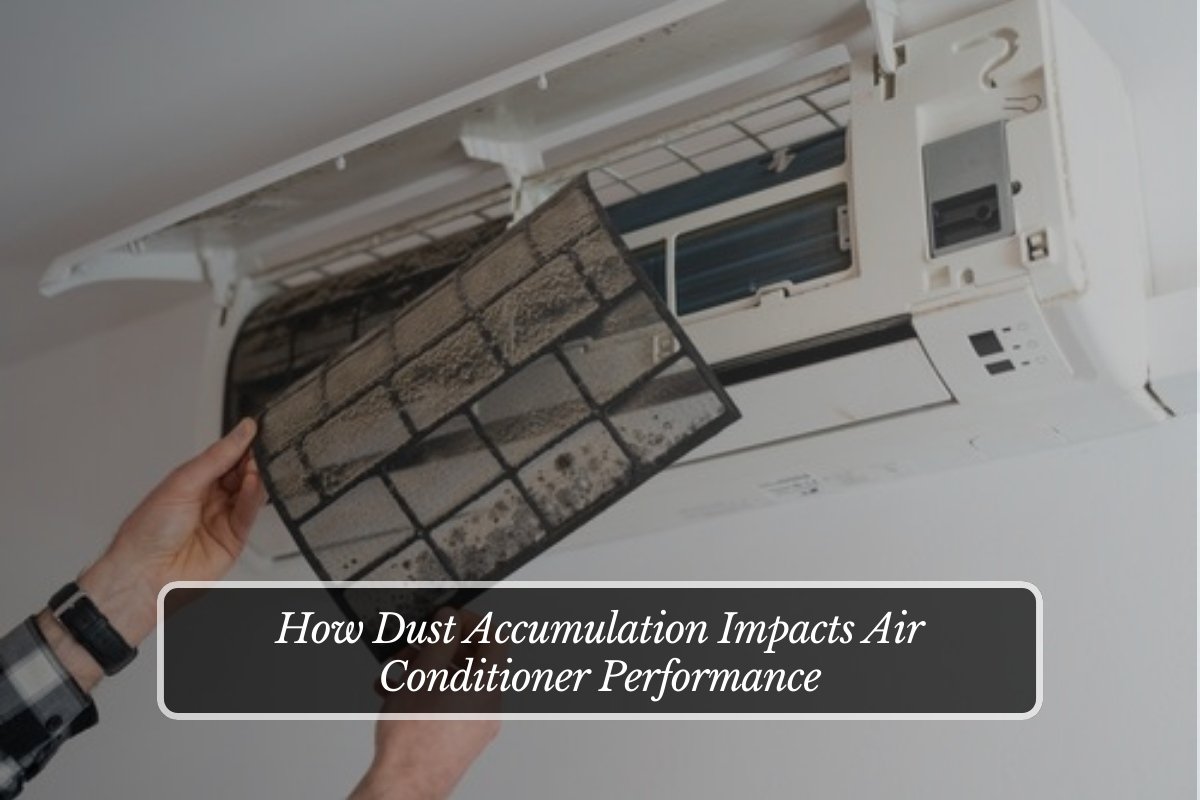
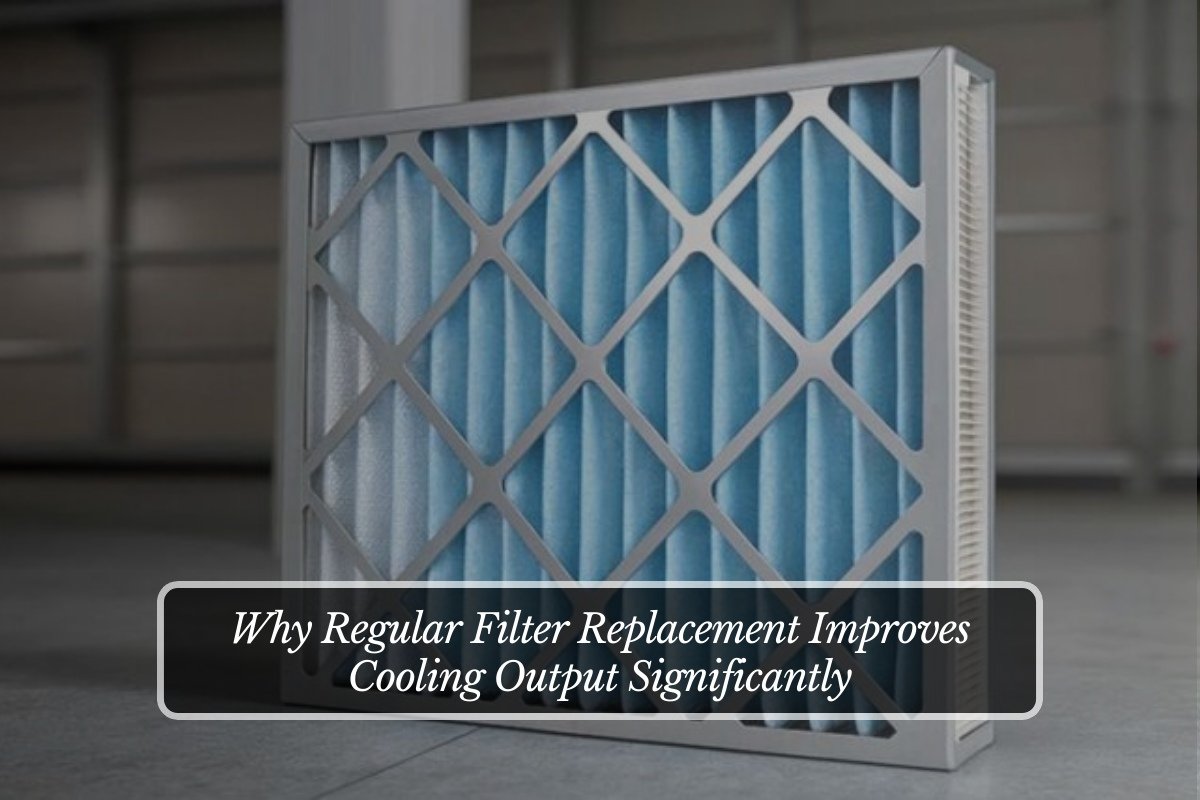
Dirty air filters are the top culprit, restricting airflow and forcing the AC compressor to overwork, which raises energy use by 15% and risks coil freezing. Homeowners often forget to check filters monthly, especially in dusty regions like the Southwest, where replacements should occur every 1-3 months depending on pets or allergies.
A clogged filter starves the evaporator coil of air, dropping temperatures and causing ice buildup that damages components over time. Simple fix: Mark your calendar for checks and opt for high-MERV filters (8-13) compatible with US systems to balance filtration and flow.
Skipping Professional Tune-Ups
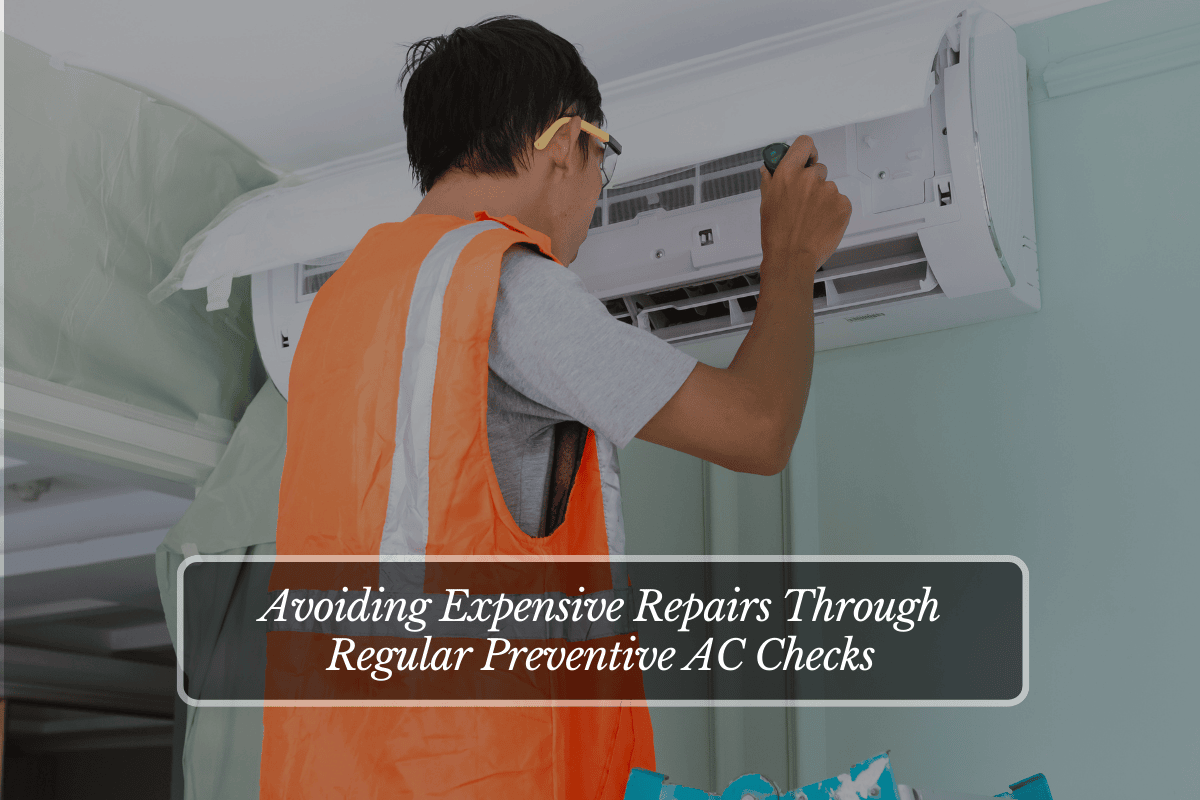
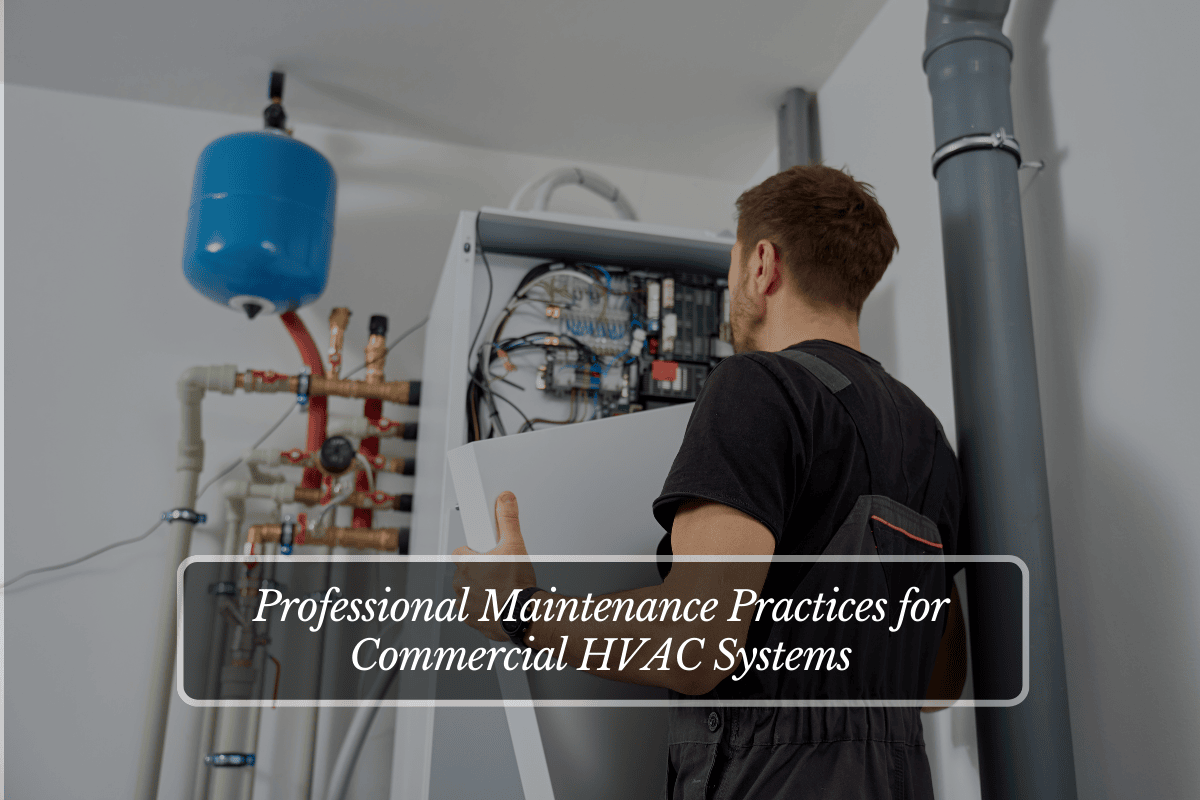
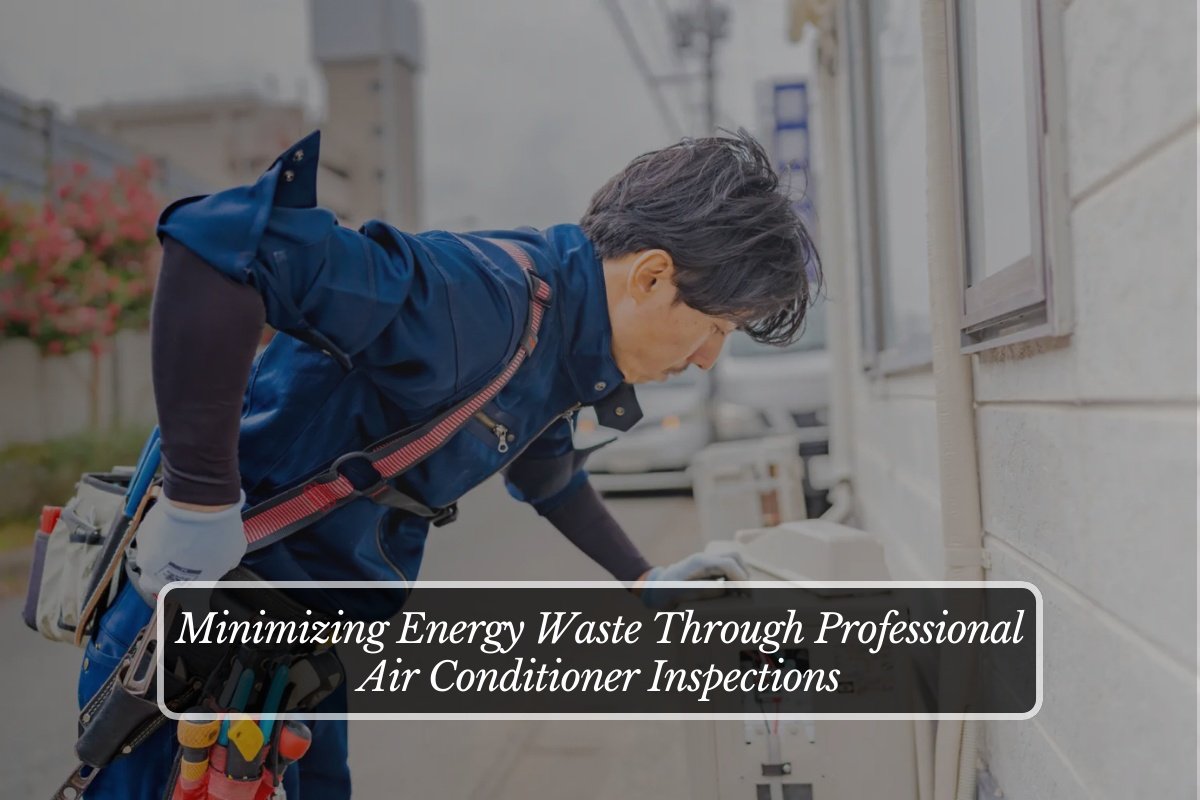
Many skip annual HVAC inspections, missing issues like refrigerant leaks or worn belts that strain the system. In humid states like Florida, neglected tune-ups lead to 20-30% efficiency loss and premature compressor failure, the priciest part at $1,500-$2,500 to replace.
Pros clean coils, lubricate motors, and test capacitors during spring visits, preventing summer breakdowns. US codes in places like California recommend bi-annual service; pair it with duct inspections to catch leaks wasting 20-30% of cooled air.
Blocking Vents and Registers
Closing vents in unused rooms seems energy-saving but imbalances pressure, overworking the blower motor and risking duct damage. This common error in multi-story homes reduces lifespan by stressing uneven airflow, per ACCA studies.
Keep all vents open and use return air adjustments instead. For zoned control, install dampers or smart vents, which comply with IECC efficiency standards and save 10-15% on bills without strain.
Setting Thermostats Incorrectly
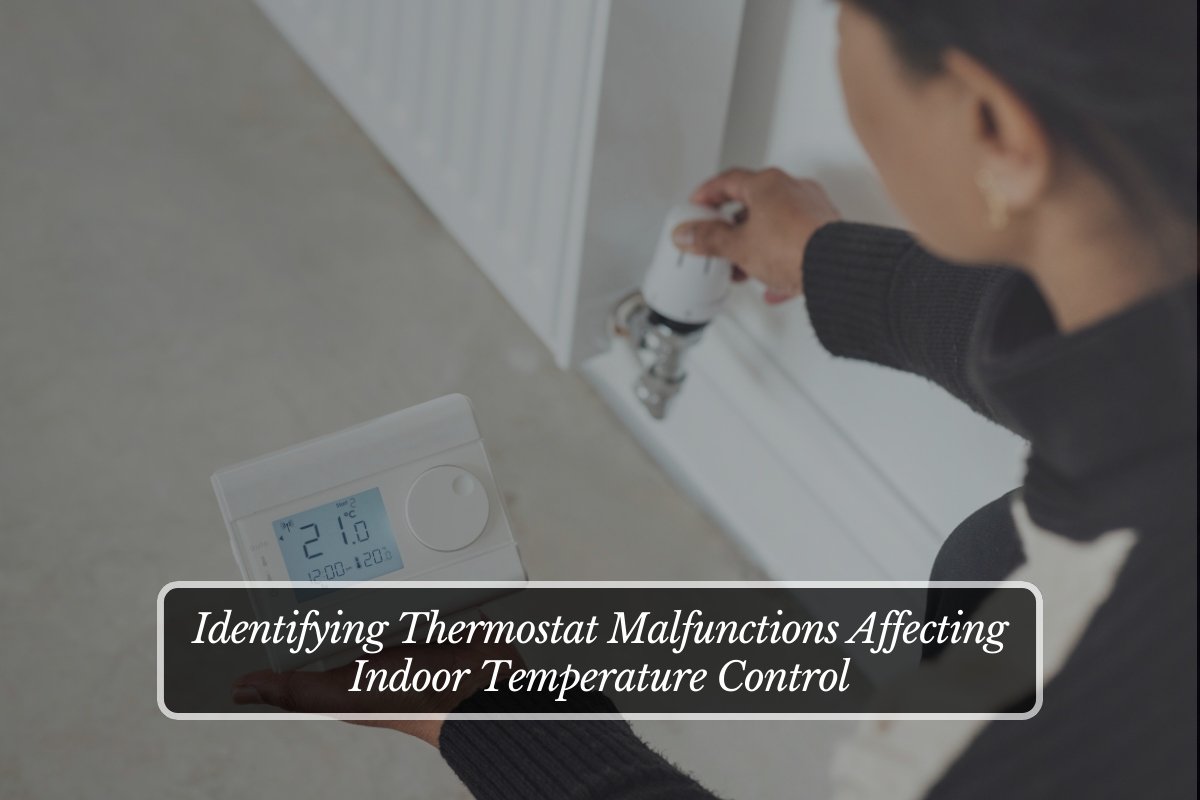
Cranking the thermostat to 68°F or constant adjustments cause short-cycling, where the AC starts/stops excessively, wearing out parts like contactors. ENERGY STAR advises 78°F when home, raising it 7-10°F when away to cut runtime by 10% per degree.
Programmable or Wi-Fi thermostats like Nest maintain steady settings, avoiding 20% lifespan reduction from thermal shock. In hot climates like Texas, this prevents compressor overheating.
Ignoring Outdoor Unit Issues
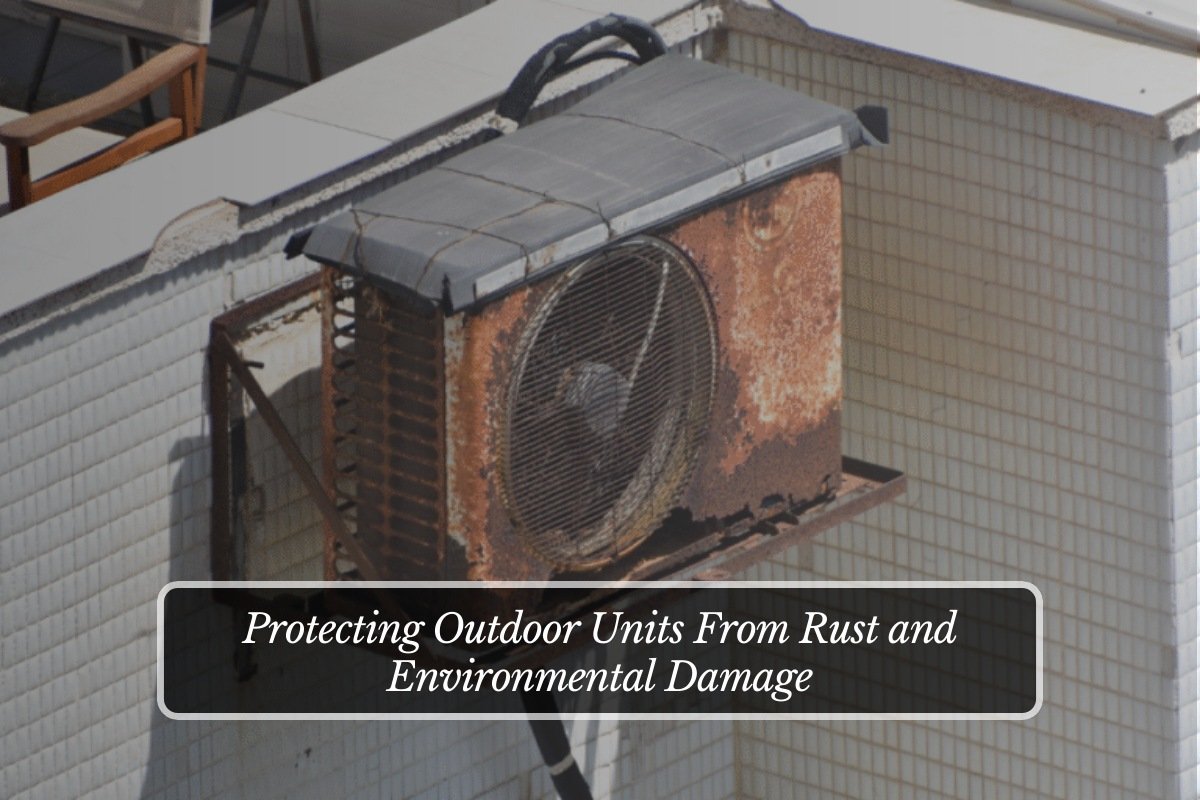
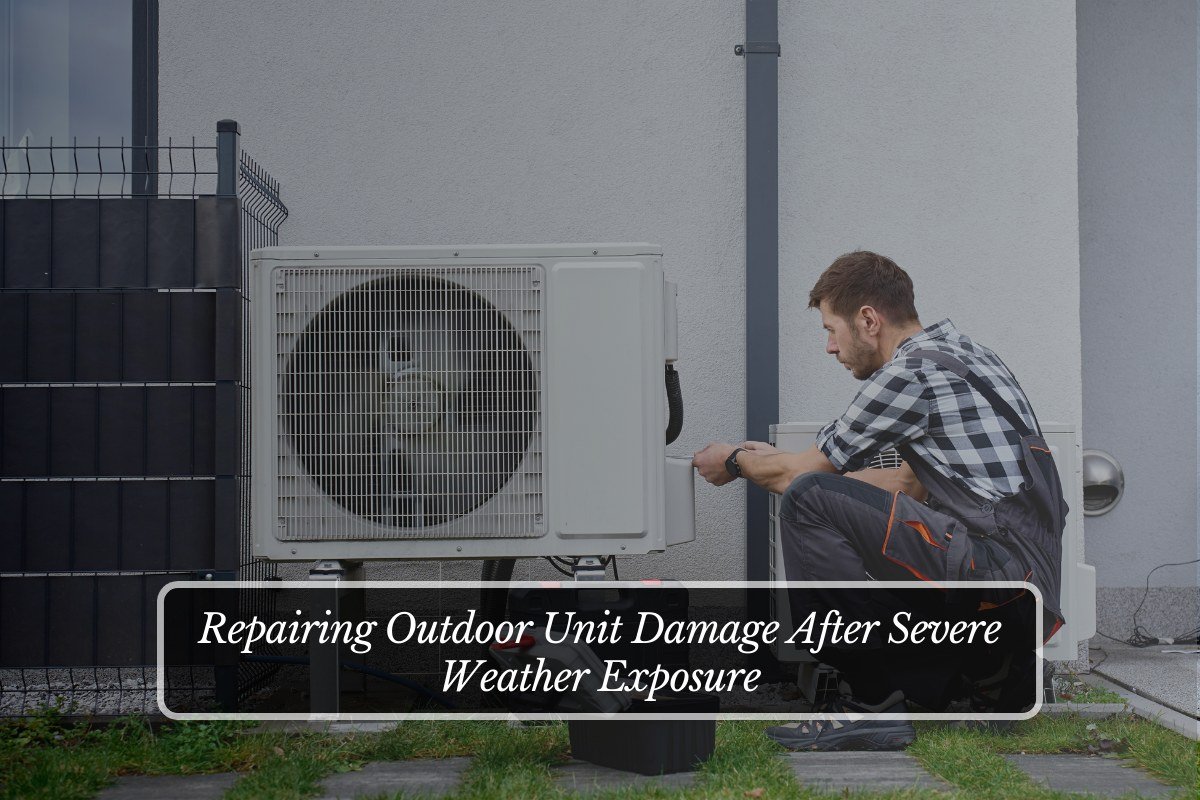
Overlooking debris around the condenser—leaves, grass, or shrubs—blocks airflow, causing the unit to overheat and fail prematurely. US manufacturers like Carrier mandate 2-foot clearance; blocked units run 20% hotter, slashing efficiency.
Failing to level the pad leads to oil starvation in the compressor. Weekly trims and annual power-washing keep it optimal; in coastal areas, rinse salt buildup to prevent corrosion.
Poor Refrigerant Management
DIY refrigerant top-offs without leak fixes destroy compressors, as low levels cause overheating while overcharges spike pressure. EPA Section 608 certification is required for US handling; ignoring this voids warranties and risks $500+ fines.
Symptoms like warm air signal pros for evacuation and recharge to exact specs (e.g., 10-12°F superheat). Proper levels extend life by 30%, per ASHRAE data.
Running in Extreme Conditions
Using the AC during 100°F+ heat without shade or during power surges overworks components. Surge protectors are essential in storm-prone states like Florida, preventing $1,000+ circuit board failures.
Pre-cool homes before peaks and use ceiling fans to reduce load by 3-5°F perceived comfort. Avoid oversized units from poor load calcs, which short-cycle and amplify wear.
Signs of Irreversible Damage
Early warnings like strange noises or weak airflow signal ignored maintenance; delaying pros leads to total failure. Well-maintained US ACs hit 15-20 years with SEER2 16+ units qualifying for IRA rebates up to $600.
Track runtime with smart monitors; over 2,000 hours/year indicates issues needing attention.
FAQs
1. How often should I change my AC filter?
Every 1-3 months, or monthly in high-dust homes, to prevent 15% efficiency loss and coil damage.
2. Does closing vents save energy?
No, it imbalances the system, straining the blower and shortening lifespan; keep them open.
3. Why schedule annual tune-ups?
They catch refrigerant leaks and clean coils early, preventing $2,000 compressor failures and boosting efficiency 20%.
4. What’s the ideal thermostat setting?
78°F when home, 85°F away, per ENERGY STAR, reducing wear and bills without sacrificing comfort.
5. How does debris affect the outdoor unit?
It blocks airflow, overheating the condenser and cutting lifespan by years; maintain 2-foot clearance.