Air conditioning systems are designed to operate efficiently when all components work together as intended. However, when small issues are ignored or repairs are delayed, what seems like a minor inconvenience can quickly turn into a costly problem. Delayed air conditioning repairs do not just affect comfort; they significantly increase overall operating, maintenance, and replacement costs over time.
Small Problems Escalate Into Major Failures
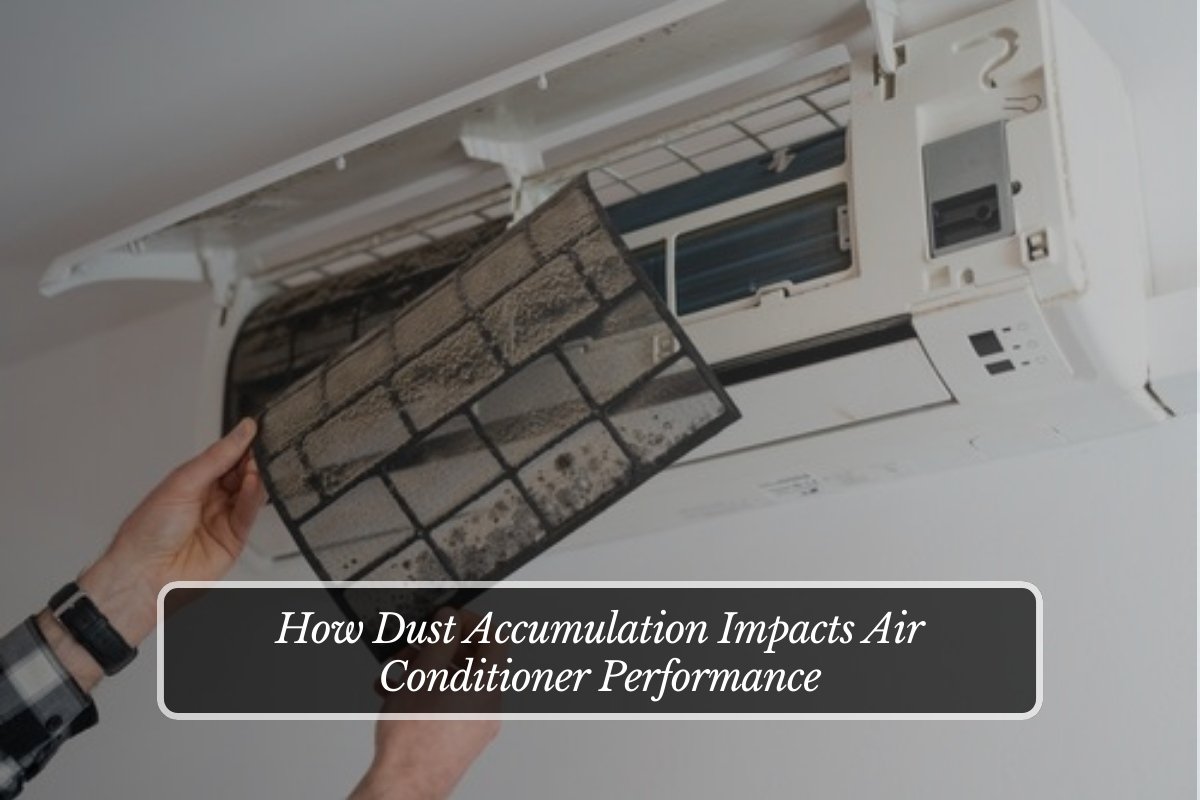
Air conditioning systems rarely fail without warning. Unusual noises, reduced airflow, inconsistent cooling, or rising energy bills are often early signs of trouble. When these issues are not addressed promptly, they place extra strain on other components. For example, a clogged filter can force the compressor to work harder, accelerating wear and increasing the likelihood of a major breakdown. What could have been a simple, low-cost repair can escalate into an expensive component replacement.
Increased Energy Consumption and Utility Bills
A malfunctioning air conditioning system is far less efficient than a properly maintained one. Faulty parts such as worn belts, dirty coils, or low refrigerant levels force the system to run longer cycles to achieve the same level of cooling. This inefficiency directly translates into higher electricity consumption and increased utility bills. Over time, the extra energy costs caused by delayed repairs can exceed the cost of fixing the original issue.
Reduced System Lifespan
Air conditioning systems are a significant investment, and their lifespan depends heavily on proper care. When repairs are postponed, continuous stress on damaged components shortens the overall life of the unit. Parts that are forced to compensate for unresolved problems wear out faster, leading to premature system failure. Replacing an entire system years earlier than expected is far more expensive than performing timely repairs.
Higher Repair Costs Over Time
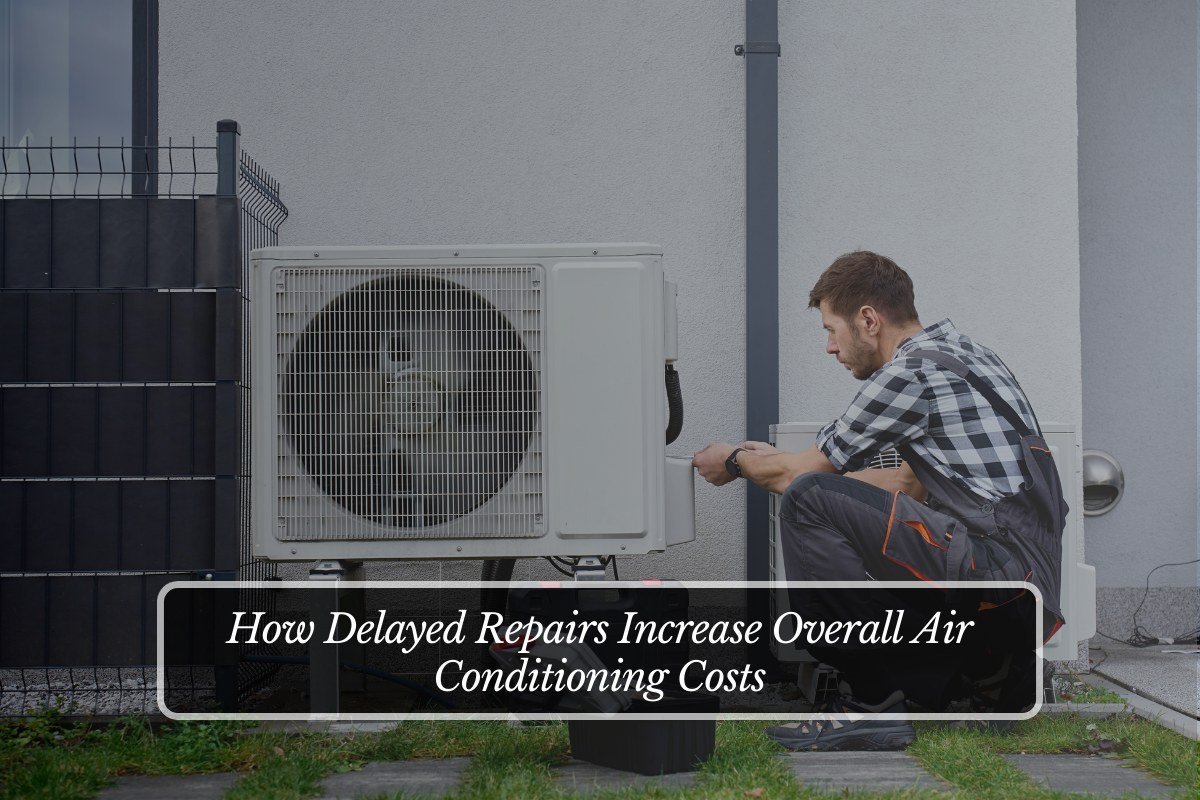
Delayed repairs often result in more extensive damage, which means higher labor and parts costs. A minor refrigerant leak, for instance, may initially require a simple seal and recharge. Left unaddressed, it can damage the compressor, one of the most expensive components in an air conditioning system. As problems compound, repair complexity increases, leading to longer service times and higher bills.
Compromised Indoor Comfort and Air Quality
An air conditioning system in need of repair cannot maintain consistent indoor temperatures or proper humidity levels. This discomfort often leads occupants to lower thermostat settings, causing the system to work even harder. Additionally, issues such as dirty coils or clogged filters can reduce indoor air quality, potentially leading to health-related concerns. These secondary effects indirectly increase costs through higher energy use and potential medical or remediation expenses.
Emergency Repairs and Peak-Season Pricing
Ignoring necessary repairs increases the risk of sudden system failure, often during peak summer months when demand for HVAC services is highest. Emergency repairs typically cost more due to after-hours service fees and limited technician availability. Scheduling routine or early repairs is usually far more affordable than paying premium rates during a breakdown in extreme weather.
Loss of Warranty Protection
Many air conditioning manufacturers require regular maintenance and timely repairs to keep warranties valid. Delaying repairs or neglecting maintenance can void warranty coverage, leaving homeowners responsible for the full cost of repairs or replacements that might otherwise have been partially or fully covered. This loss of protection can significantly increase long-term ownership costs.
FAQs
Why do small AC problems become expensive if ignored?
Because unresolved issues put extra strain on other components, leading to widespread damage and costly repairs.
Can delayed repairs really increase energy bills?
Yes. A faulty system works harder and longer, consuming more electricity to provide the same cooling.
Is it cheaper to repair or replace an air conditioner?
Timely repairs are usually far cheaper than replacing a system prematurely due to neglect.
Do delayed repairs affect indoor air quality?
Yes. Dirty or malfunctioning components can circulate dust, allergens, and excess humidity.
How often should air conditioning systems be inspected?
At least once a year, preferably before peak cooling season, to catch issues early and reduce costs.