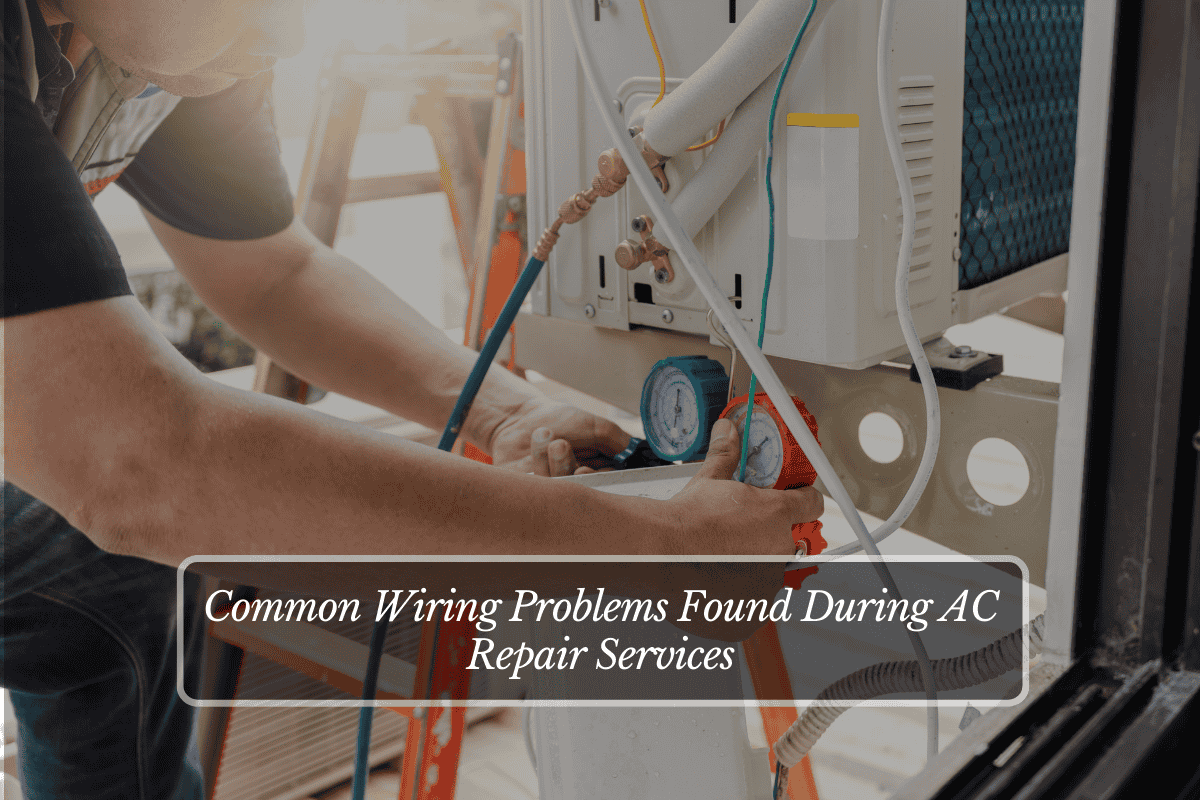
Common wiring problems uncovered during AC repair services can compromise efficiency, safety, and system lifespan in US homes. Technicians often find issues like loose connections and frayed wires stemming from age, improper installation, or environmental wear, leading to frequent breakdowns during peak summer demand.
Overloaded or Tripped Circuit Breakers
AC units demand dedicated 240V circuits, yet shared lines cause breakers to trip repeatedly under load. This signals overload from aging compressors or faulty breakers unable to handle 20-60 amp draws. US codes (NEC Article 440) mandate separate circuits; repairs involve upgrading panels or adding breakers to prevent fires.
Faulty or Frayed Wiring
Exposed, burnt, or corroded wires around indoor evaporators or outdoor condensers result from vibration, moisture, and heat cycles. Symptoms include flickering power, burning smells, or intermittent operation as arcing disrupts flow. During service, techs replace damaged 14-10 AWG copper wires, often tracing issues to poor initial installs lacking conduit protection.
Loose or Corroded Connections
Terminals at contactors, capacitors, and thermostats loosen over time, causing high resistance, overheating, and component failure. Corroded contacts from humidity—common in humid Southern states—prevent proper power to fans or compressors. Tightening with torque specs and dielectric grease restores contact; neglected cases trip breakers or melt wiring.
Blown Fuses and Bad Contactors
Inline fuses blow from shorts or surges, halting outdoor units, while pitted contactors fail to engage compressors, producing clicking noises. These stem from power spikes or capacitor wear, frequent in older systems pre-2010. Replacement uses 30-40A fuses and OEM contactors; root fixes address upstream wiring flaws.
Thermostat Wiring Malfunctions
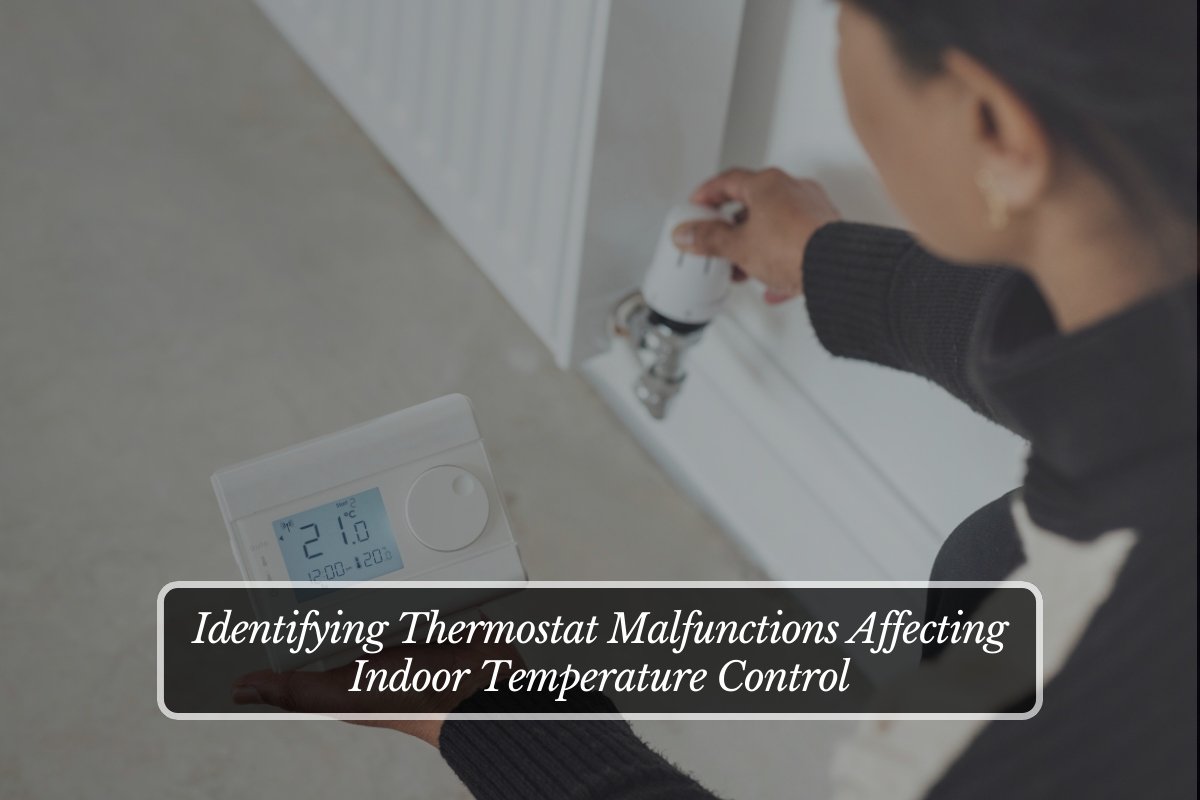
Low-voltage (24V) thermostat wires fray or disconnect, causing erratic cycling, inaccurate temps, or no response. Common in smart thermostat retrofits, where mismatched wiring ignores signals. Repairs recrimp R, G, Y, W, C lines per color codes; shielding prevents EMI interference in modern setups.
Undersized or Incorrect Wiring Gauge
Improper 12-14 AWG for long runs (>50 ft) causes voltage drops, straining motors and reducing SEER efficiency. Voltage sags below 220V overheat components, mimicking capacitor failure. Code-compliant upgrades to 10 AWG with proper grounding resolve this, especially in expansions.
Signs Technicians Spot First
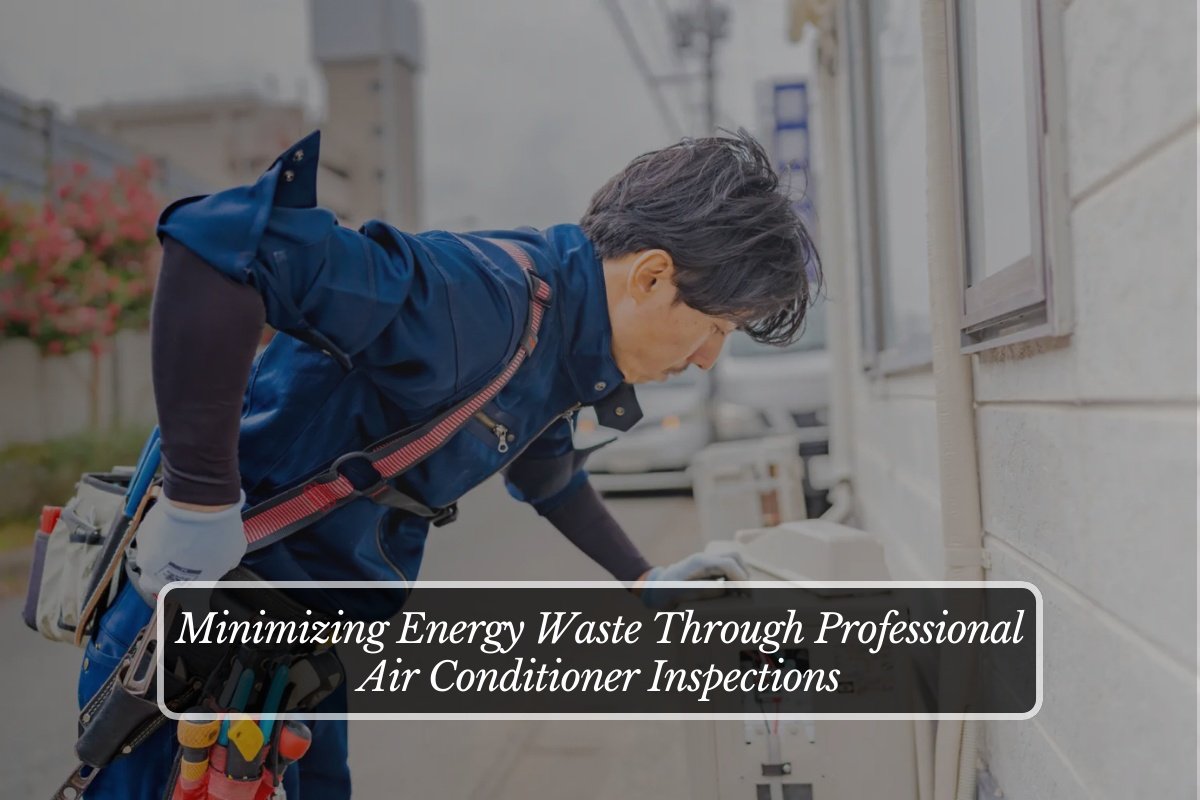
During annual tune-ups, visual checks reveal blackened insulation, loose panels, or rodent-chewed wires—pests love AC enclosures. Multimeters test continuity; thermal imaging detects hot spots signaling resistance. Ignoring these risks $5K+ compressor swaps; early fixes cost under $500.
Prevention Through Maintenance
Annual pro inspections per ASHRAE standards catch 80% of issues pre-failure. Homeowners: ensure GFCI protection outdoors, clear debris, and avoid extension cords. Surge protectors guard against lightning common in Florida/Texas. Smart systems with monitoring alert to anomalies via apps.
Cost and Safety Implications
Wiring repairs average $200-800, but neglect escalates to full system replacement ($4K-12K). Fire hazards prompt immediate shutoffs; US stats show HVAC faults in 13% of electrical fires. Licensed HVAC electricians ensure NEC compliance, voiding insurance gaps otherwise.
Addressing these during service keeps US homes cool reliably, avoiding sweltering outages.
FAQs
Q. Why does my AC trip the breaker often?
Overloaded shared circuits or shorts in wiring/compressor exceed amp ratings; needs dedicated line check.
Q. Can I fix frayed AC wires myself?
No—high voltage risks shock/fire; hire licensed techs for safe, code-compliant repairs.
Q. What causes thermostat wiring issues?
Loose crimps, corrosion, or retrofit mismatches disrupt 24V signals; test with multimeter.
Q. How do I prevent wiring corrosion?
Use weatherproof enclosures, dielectric grease on terminals, and annual inspections in humid areas.
Q. Is undersized wiring common in older homes?
Yes, pre-2000 installs often lack capacity for efficient units; upgrade to 10 AWG for runs over 50 ft.